
Vietnamese Human Hair
Vietnamese Hair vs Indian Hair: Which One is Right for You?
Jun
In the global hair industry, Vietnamese hair vs Indian hair is a common comparison for buyers evaluating quality, durability, and market positioning. While both are widely used, they differ significantly in consistency, lifespan, pricing, and target customers. Understanding these differences helps businesses choose the right product for long-term success. But what exactly is the difference between these two hair types when it comes to texture, price, quality and more? This comprehensive guide by GoviHair Vietnamese hair manufacturers will provide a detailed comparison of Vietnam and Indian hair to help you make the right choice.
The Difference Between Vietnamese Hair vs Indian Hair
When it comes to choosing hair extensions, two of the most popular options on the market are Vietnam and Indian hair. Both are renowned for their quality and versatility, but they have distinct characteristics that may appeal to different buyers.
Texture Comparison: Vietnamese Hair vs Indian Hair
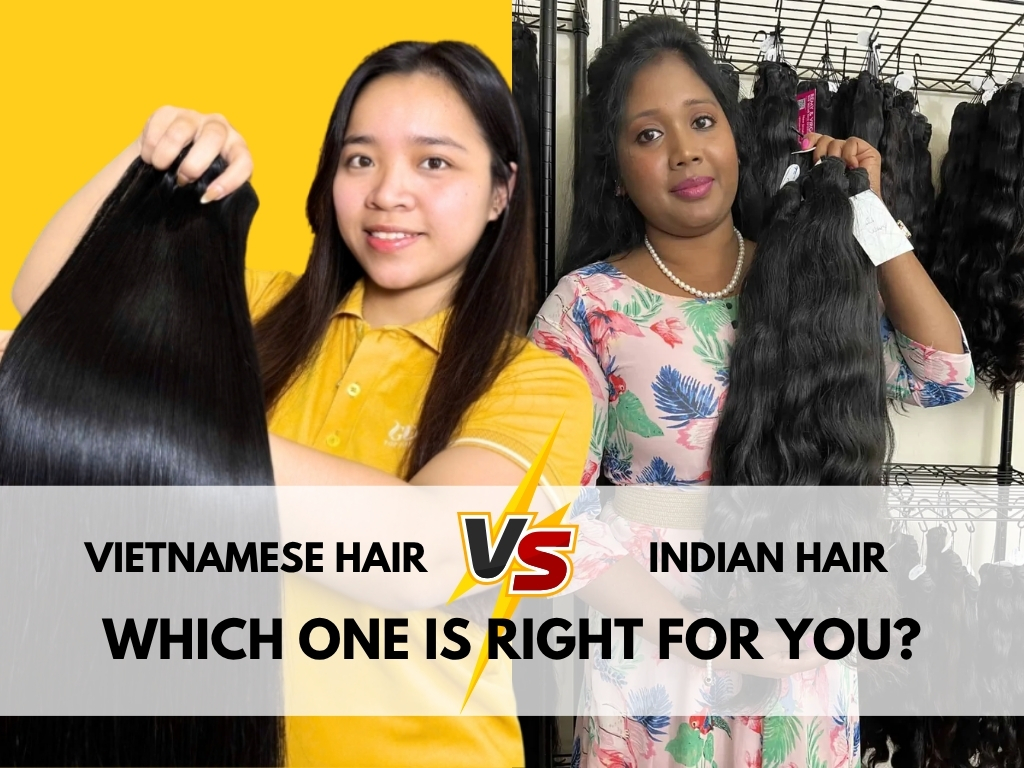
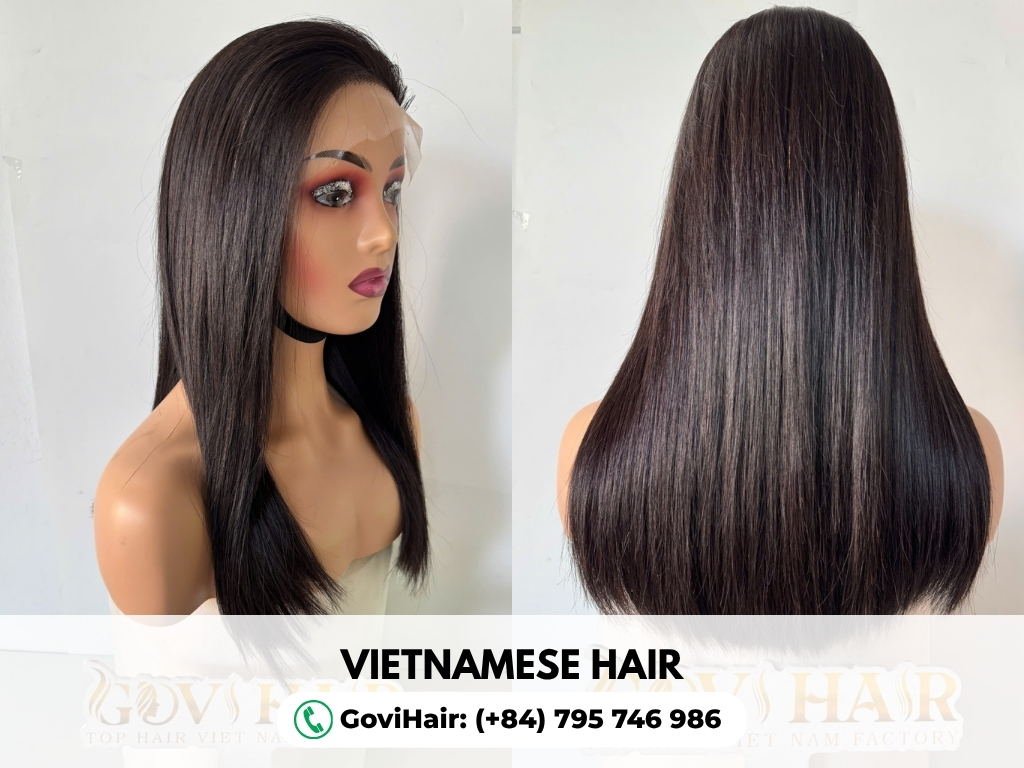
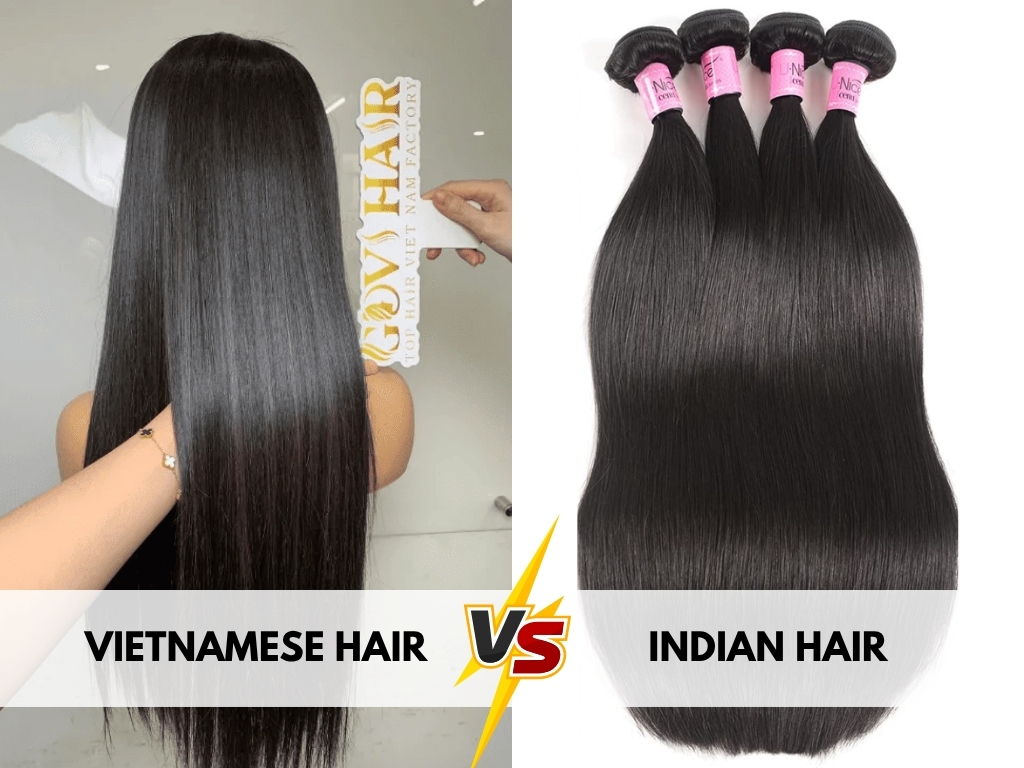
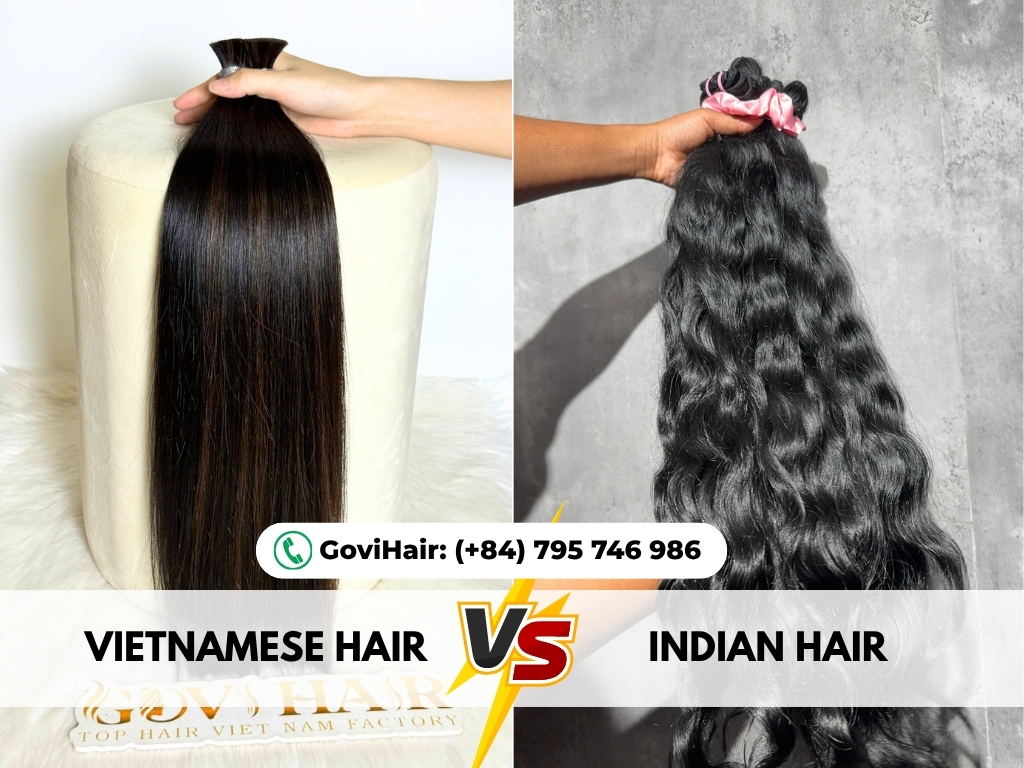
Vietnamese hair is known for its thick, lustrous, and smooth texture that blends seamlessly with natural hair. The cuticles of Vietnam hair are kept intact and aligned in the same direction during processing, making the hair move fluidly and have minimal tangles. Raw Vietnamese hair is soft and smooth to the touch even after repeated wash and styling. Vietnamese hair is often praised for its smoothness, thickness, and natural shine. It tends to have a straight texture and a dark color, making it a popular choice for those seeking a sleek and polished look. Vietnam hair is also known for its resilience and ability to hold style, making it a versatile option for various hairstyles.
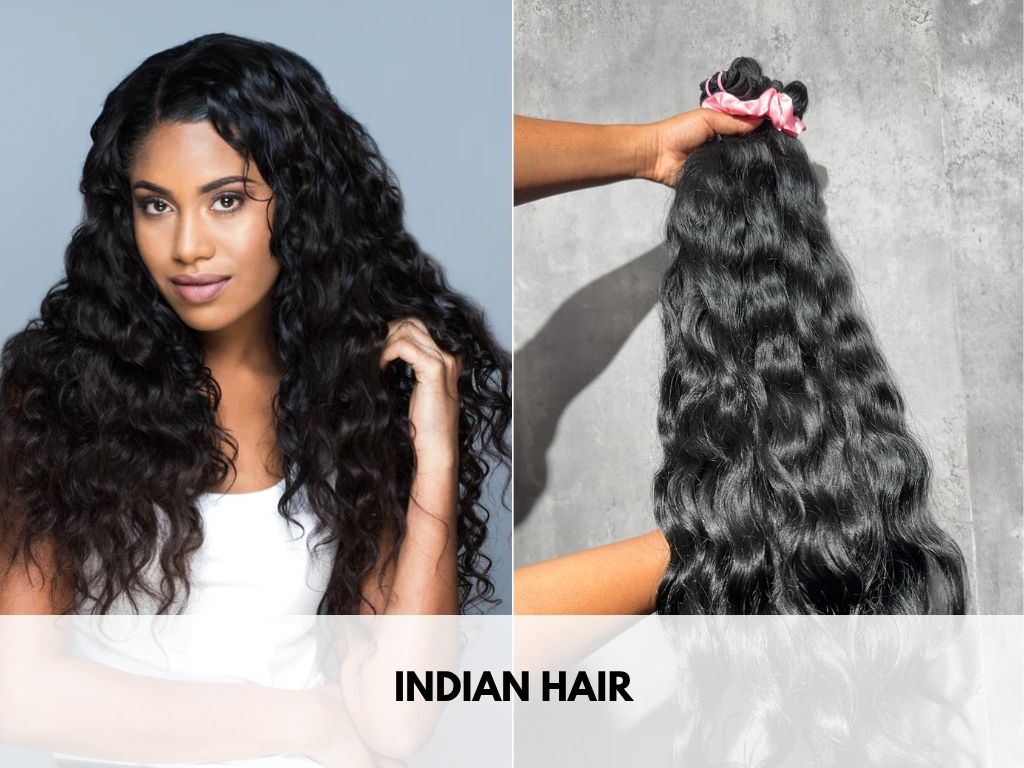
Indian hair, on the other hand, has a courser, thicker texture than Vietnamese hair. While top-quality Indian hair is also softly textured, it tends to be denser and more voluminous. The texture of Indian hair makes it ideal for creating big, bouncy curls and waves that can hold the style. Indian hair, on the other hand, is often described as soft, silky, and lightweight. It comes in a wider range of textures, from straight to wavy and curly, making it a suitable choice for those who prefer more voluminous or textured styles. Indian hair is also known for its natural color variation and ability to blend seamlessly with different hair types.
So for those looking for silky, straight tresses – Vietnamese hair is the better choice. But if you want flowing, voluminous curls and waves – then Indian hair is ideal.
>> Read more: Vietnamese Hair vs Brazilian Hair: Which Hair Type is Best for You?
Origin and Characteristics of Vietnamese and Indian Hair
Vietnamese raw hair is sourced from Vietnam women who sell their hair for extra income in rural parts of the country. It is naturally thick, healthy hair that is free of chemical processing. The weather conditions and nutrition in Vietnam contribute to growing strong, smooth, and soft hair. Vietnamese hair comes in natural dark colors like black and brown. Collected directly from Vietnamese women aged 18–30, mostly living in rural or mountainous areas with healthy lifestyles. The hair typically comes from single donors, ensuring high consistency and quality.
Indian hair is sourced from female temple donors in India. As hair donation is considered a religious practice in Hindu temples, the hair is not chemically treated or colored. Indian hair naturally comes in dark shades of black and brown and sometimes even naturally lighter shades. The hair is thick and durable as it grows healthily in the tropical climate of India.
So both Vietnam and Indian hair originate from Asian countries and are known for their purity as well as high quality. However, Vietnamese hair tends to be softer while Indian hair is thicker in texture.
Price Range for Vietnamese and Indian Hair Extensions
Vietnamese Hair
- Higher price due to single-donor raw hair and strict quality control.
- Maintains long-term value and customer satisfaction.
- Preferred in premium market segments.
Vietnamese hair is typically priced higher due to its single-donor sourcing and strict quality control standards. Most products are raw or virgin hair with minimal processing, ensuring consistent quality, natural appearance, and long-term durability. As a result, it delivers higher lifetime value and stronger customer satisfaction, making it the preferred choice in premium market segments. Suppliers like Govihair focus on maintaining these standards to support high-end buyers.
Indian Hair
- Wider price range due to abundant supply and varying quality levels.
- Often mass-produced, sometimes mixed with different hair sources or treated with coatings.
Indian hair offers a wider price range, primarily due to its abundant supply and varying quality levels. It is often mass-produced, and in some cases, may be mixed from multiple sources or treated with coatings to enhance appearance. This makes it more accessible for budget and mid-range markets, but with less consistency compared to Vietnamese hair.
Hair Quality of Vietnamese Hair vs Indian Hair
When buying any hair extensions, it’s important to choose high-quality hair that will last. Both Vietnamese and Indian hair are available in a range of quality grades.
- Naturally soft, smooth, shiny, thick, and strong. It is tangle-free, shed-free, and maintains its intact cuticles. The hair is 100% raw, unprocessed, easy to style, curl, straighten, and especially can be bleached to bright colors like #613 or #12.0 while maintaining its healthy structure.
- Generally thinner, slightly dry, with a natural slight wave or curl. It is sometimes lightly processed with chemicals for cleaning or softening. Because it is collected from multiple sources, hair strands may vary in texture and quality, leading to potential tangling or shedding during use.
For those who value ultra-soft, silky texture – super high-grade Vietnamese hair is the winner. But both hair types offer salon-worthy quality when sourced ethically from reputable vendors.
>> Read more: Is Vietnamese Hair Good? Vietnamese hair review by customers
Market Positioning
Vietnamese Hair
Vietnamese hair is positioned in the premium segment, making it ideal for high-end salons, luxury hair brands, and customers seeking long-term use. It is widely demanded across Europe, the U.S., Asia, and Africa, where buyers prioritize consistent quality, natural appearance, and durability. Suppliers like Govihair focus on raw and virgin hair standards, ensuring stable performance for premium markets.
Indian Hair
Indian hair is typically positioned in the budget to mid-range segment, commonly used in fashion-driven and high-volume markets. It appeals to businesses that prioritize affordability and large supply capacity, making it suitable for fast turnover and price-sensitive customers.
Longevity and Durability of Vietnamese and Indian Hair Extensions
The longevity of hair extensions depends on several factors – quality, care, and maintenance routine. Both Vietnamese and Indian hair are extremely durable types that last 6-12 months with proper use.
Vietnamese hair is naturally soft and smooth and requires less intensive conditioning treatments than Indian hair. Less friction means hair cuticles stay intact longer. With proper maintenance, Vietnam hair retains length, shine, and texture for up to a year. With proper care, it can last 3–5 years. Ideal for customers looking to invest in long-term use—such as for wigs, hair extensions, or frequent bleaching and styling.
Indian hair is thicker and prone to more tangling so needs more intensive moisturizing to prevent dryness. When properly hydrated and conditioned, Indian hair also lasts up to a year. Those willing to put in a little more care will get great longevity from Indian hair.
If properly cared for, both hair types can deliver long-term use. Vietnamese hair requires a little less maintenance for optimal longevity.
Pros and Cons of Vietnamese hair and Indian Hair
Choosing between the two depends on whether your priority is long-term value and premium quality or cost efficiency and fast turnover. Vietnamese hair offers higher durability, better quality consistency, and superior styling performance, but at a higher cost. Indian hair provides a more affordable option, but with greater variability in quality and shorter lifespan.
Vietnamese Hair
- Advantages: Vietnamese hair is known for its strong, thick strands with natural softness and shine. Thanks to aligned cuticles and minimal processing, it has low tangling and shedding, making it highly reliable for long-term use. It also performs well under bleaching, dyeing, and heat styling, maintaining quality over time. Suppliers like Govihair ensure strict quality control to preserve these premium characteristics.
- Disadvantages: Vietnamese hair typically comes at a higher price point due to its raw or virgin quality. In addition, production time may be longer, especially for custom orders involving specific colors, textures, or extensions.
Indian Hair
- Advantages: Indian hair can be more affordable, making it accessible for budget-conscious buyers. It also features naturally thick strands, which can create a fuller look in certain styles.
- Disadvantages: Quality can be inconsistent due to mixed sources, which may affect performance. Indian hair is generally more prone to tangling and dryness, particularly after chemical processing. It also tends to have a shorter lifespan, making it less suitable for long-term use.
Availability of Vietnamese and Indian Hair in the Market
Both Vietnamese and Indian hair are widely available from online sellers, hair importers and local beauty supply stores. However, Vietnamese hair can be harder to source than Indian hair.
India has a well-established temple hair donation system that has operated for centuries. This results in a good supply of ethically sourced Indian hair for the market. Vietnam hair mainly comes from individuals growing their hair and selling it. The supply relies on manual collection making it less consistent than Indian temple hair donations.
As a result, Indian hair is more widely available for sale from a higher number of vendors. Pure, unprocessed Vietnamese hair can be harder to find and order in some cases. When sourcing Vietnam hair, buyers need to ensure the provider has direct access to ethically sourced hair. Typically lasts 1–2 years, or even less for non-Remy or processed hair. Not suitable for high-end beauty services requiring raw, long-lasting, and chemically resilient hair.
Styling and Maintenance Tips
- Vietnamese Hair – Can be heat styled at medium to low heat settings. Use a heat protectant. Prefer air drying over blow drying. Use a wet brush and wide-tooth comb when wet for smooth, tangle-free styling. Use a leave-in conditioner and argan oil for hydration and shine. Gently detangle from ends up with fingers.
- Indian Hair – Can withstand higher heat styling. Use a heat protectant and limit use to 2-3 times a week max. Air dry or blow dry on a low setting. Always brush hair when damp and use a leave-in conditioner after washing. Use oil treatments weekly to maintain softness and reduce tangling. Gently brush through with a wide-tooth comb.
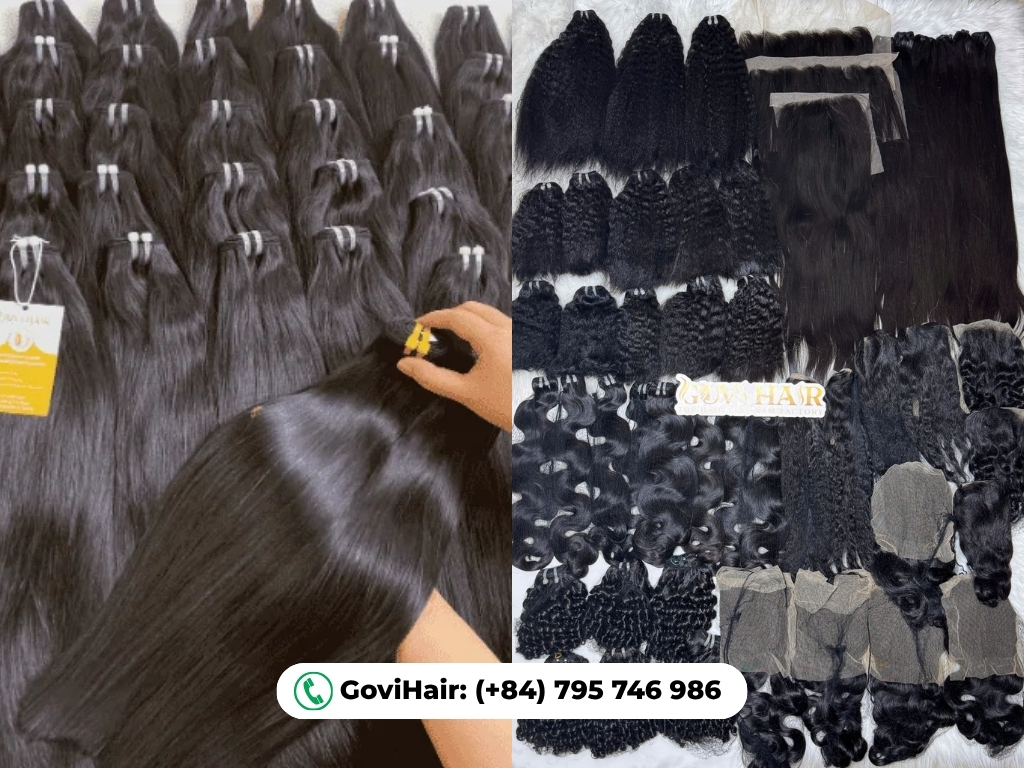
Customer Satisfaction: Vietnamese Hair vs Indian Hair
Both Vietnamese and Indian hair receive high satisfaction ratings from customers for their top quality and beautiful styling results.
Users of Vietnam hair extensions praise the hair for its incredibly soft, smooth texture that replicates real hair. It blends seamlessly and requires minimal maintenance for shine and fluid movement. Customers remark that it’s 100% authentic and worth the premium price.
Indian hair also gets rave reviews for its thick, bouncy texture that makes beautiful waves and curls. Customers comment that it provides great fullness and lasts a long time with proper care. The affordable pricing also makes buyers highly satisfied with Indian hair.
So whether your priority is affordability or an ultra-soft and silky texture, you can find a satisfying option in both Vietnamese and Indian hair extensions.
I’ve seen many clients compare Vietnamese hair vs Indian hair. These are two major markets—but the hair quality and sourcing methods are completely different.
Vietnamese hair is known for being naturally straight, thick, soft, and cuticle-aligned. It usually comes from single donors, with no chemical processing. This makes it ideal for bleaching, dyeing, styling, and long-term use. It’s perfect for high-end brands, professional salons, and clients who want customized hair textures or colors.
On the other hand, Indian hair is often collected from temples, where it’s donated by many people. The hair is thinner, slightly dry, and has a natural wave or curl. While it works well for voluminous styles, it can be inconsistent in quality and is sometimes lightly processed before export.
At Govihair, we usually recommend Vietnamese hair if you’re looking for consistency, purity, and flexible styling—especially for clients in the U.S., Europe, or Africa.
>> Read More: Top 10 Best Wholesale Raw Indian Hair Vendors
Vietnamese Hair vs Indian Hair: Which One Is Right for You?
When choosing hair extensions or wigs, the debate of Vietnamese hair vs Indian hair often comes up. Both types are popular worldwide, but they differ in texture, thickness, and durability. Vietnamese hair is usually silky, strong, and naturally straight, making it perfect for a smooth and elegant look. On the other hand, Indian hair is thicker, coarser, and more voluminous, which suits those who love fuller hairstyles. Understanding these differences will help you decide which one is right for you based on your styling needs, budget, and personal preference.
For buyers focused on long-term value, natural aesthetics, and customer satisfaction, Vietnamese hair offered by trusted suppliers like Govihair remains the preferred choice in the global hair market.
Where to Buy High Quality Vietnamese Hair with reliable vendors?
- WhatsApp: (+84) 795 746 986
- Email: [email protected]
- Instagram: govihair_vietnamhair_factory
- Tik Tok: govihairvietnam_official
- Website: govihair.com
In summary, while Vietnamese and Indian hair share some similarities in quality and longevity, some key differences exist in texture, pricing and availability. Those seeking straight, sleek tresses are better off with luxuriously soft Vietnam hair. For big, flowing curls and waves, coarser Indian hair works better. Seek out reputable sellers of 100% pure, unprocessed hair in either option for the best results. Take care to choose best type of hair extensions for short hair texture and style that flatters your unique look and personality.