

When searching for which wig is more comfortable to wear, comfort often tops the list of priorities for wig wearers. Whether you’re experiencing hair loss from conditions like alopecia or chemotherapy, or simply exploring new styles, the right wig can transform your daily routine. Currently, advancements in wig technology emphasize breathability, lightweight materials, and customizable fits, making it easier than ever to find options that feel like a natural extension of yourself. This guide explores key factors, comparisons, and tips to help you determine most comfortable wigs for your lifestyle, drawing on expert insights and current trends.
Why Does Wig Comfort Matter More Than You Think?
Wig comfort isn’t just about avoiding itchiness, it’s essential for confidence, health, and quality of life. An uncomfortable wig can lead to headaches, scalp irritation, or even discourage daily wear, exacerbating feelings of self-consciousness for those with medical hair loss. According to experts, poor-fitting wigs can cause pressure points and restrict airflow, leading to sweat buildup and discomfort during extended periods. In contrast, a comfortable wig promotes all-day wear without distraction, allowing you to focus on living your life.
With rising awareness of mental health tied to appearance, comfortable wigs are more than accessories, they’re tools for empowerment. For instance, medical wig users report higher satisfaction when wigs prioritize softness and ventilation, reducing the emotional toll of hair loss. Ignoring comfort can result in abandoning wigs altogether, but choosing wisely ensures seamless integration into your routine. As we delve deeper, you’ll see how understanding comfort factors helps pinpoint which wig is more comfortable to wear.

What Factors Make a Wig Comfortable (or Uncomfortable)?
Several elements determine human hair which wig is more comfortable to wear, from design to materials. Uncomfortable wigs often stem from poor ventilation, heavy weight, or irritating fabrics, while comfortable ones balance these for effortless wear.
Cap Construction: The Foundation of Comfort
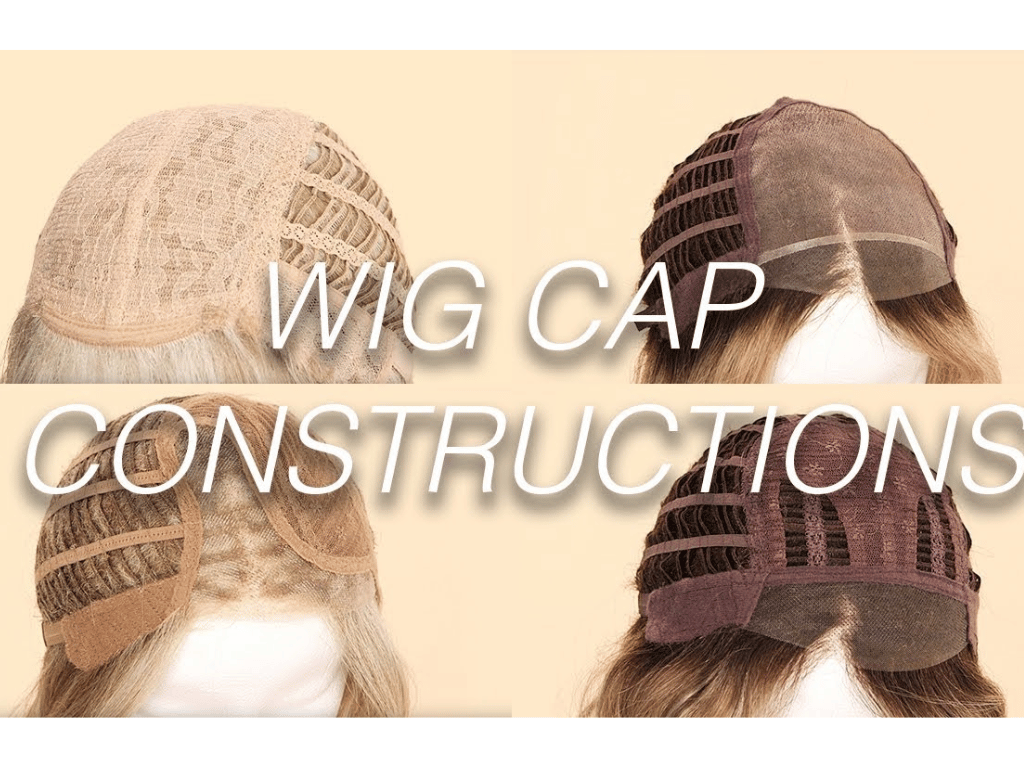
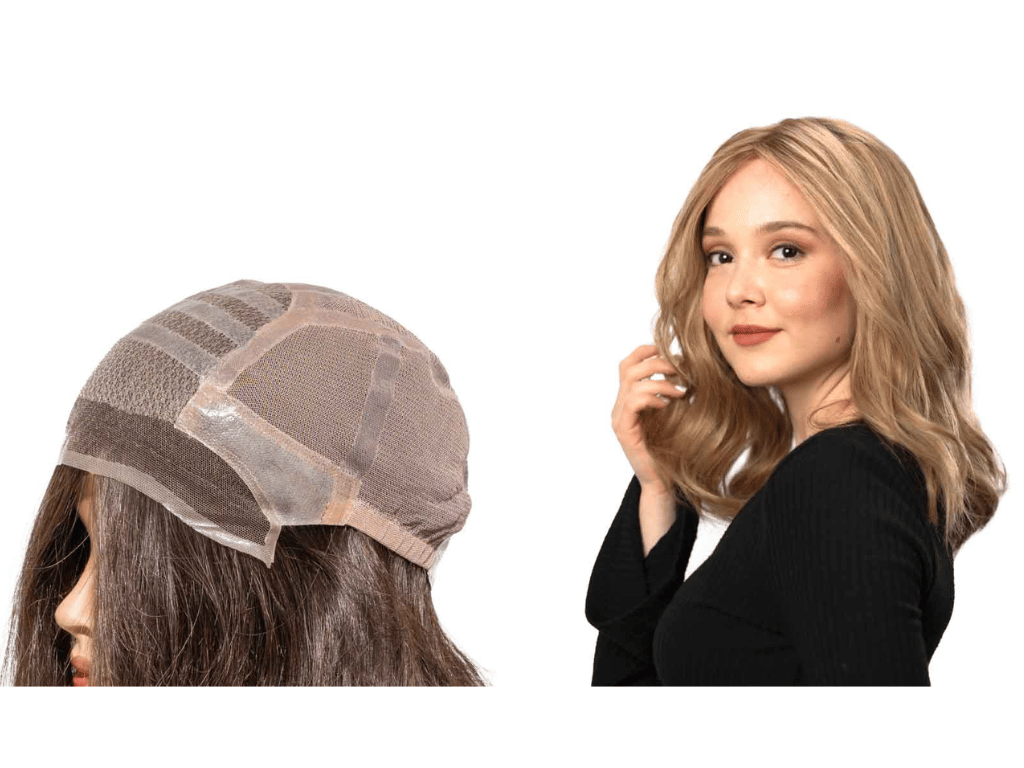
The cap is the wig’s base, directly affecting how it feels on your head. Rigid caps can pinch, while flexible ones adapt to your scalp. Hand-tied and monofilament constructions are often praised for their softness, as hairs are individually knotted onto a mesh base, reducing bulk and allowing natural movement. In contrast, machine-wefted caps may feel denser and less breathable, leading to discomfort over time.
Hair Type: Human vs. Synthetic Hair for Softness
Hair material influences texture and weight. Human hair feels silky and natural, minimizing friction, but synthetics can be lightweight yet prone to tangling if low-quality. For softness, premium options in either category excel, but choosing based on your needs is key.
Fit & Size: Getting the Perfect Fit
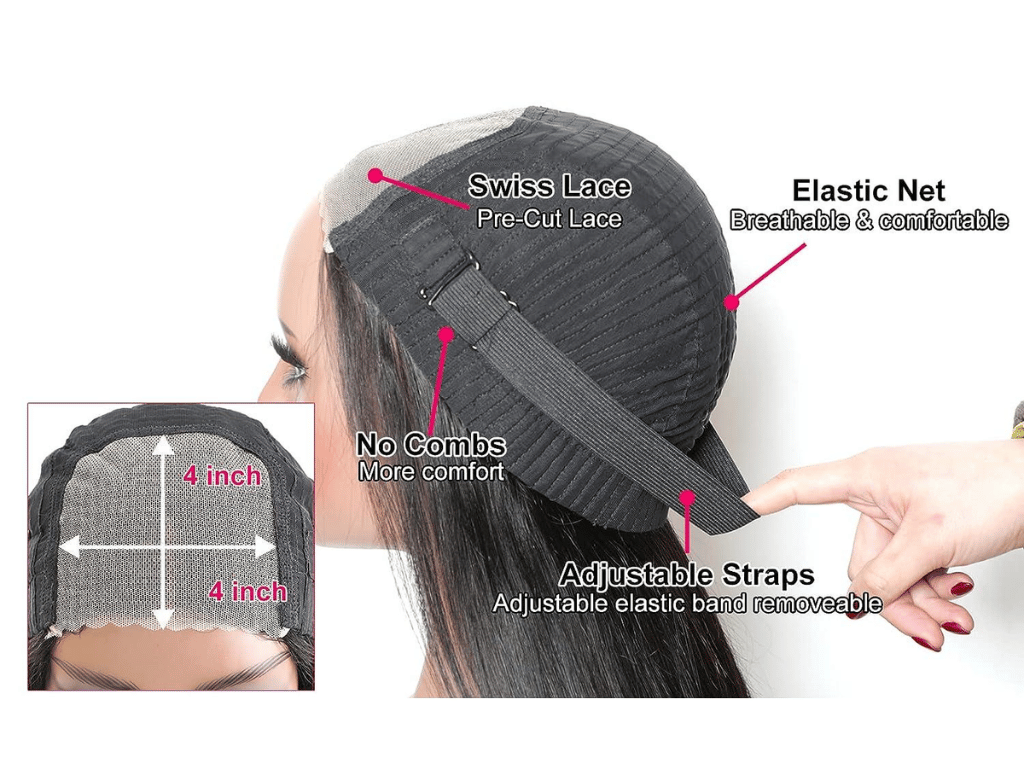
An ill-fitting wig slips or squeezes, causing irritation. Adjustable straps, combs, and elastic bands allow customization, with average head sizes (21-23 inches) serving as a guide. Proper measurement ensures security without pressure, making daily wear enjoyable.
Weight & Ventilation: Staying Cool and Light
Heavy wigs strain the neck, while ventilated designs with open wefts promote airflow. Lightweight fibers and mesh caps prevent overheating, ideal for active or warm environments.
Scalp Sensitivity: Gentle Options for Sensitive Skin
For sensitive scalps, avoid harsh seams. Silk-lined or HD lace caps provide cushioning, reducing irritation from conditions like chemo. These factors combined help identify most comfortable wigs to wear.
Which Wig Cap Construction Feels Best on Your Head?
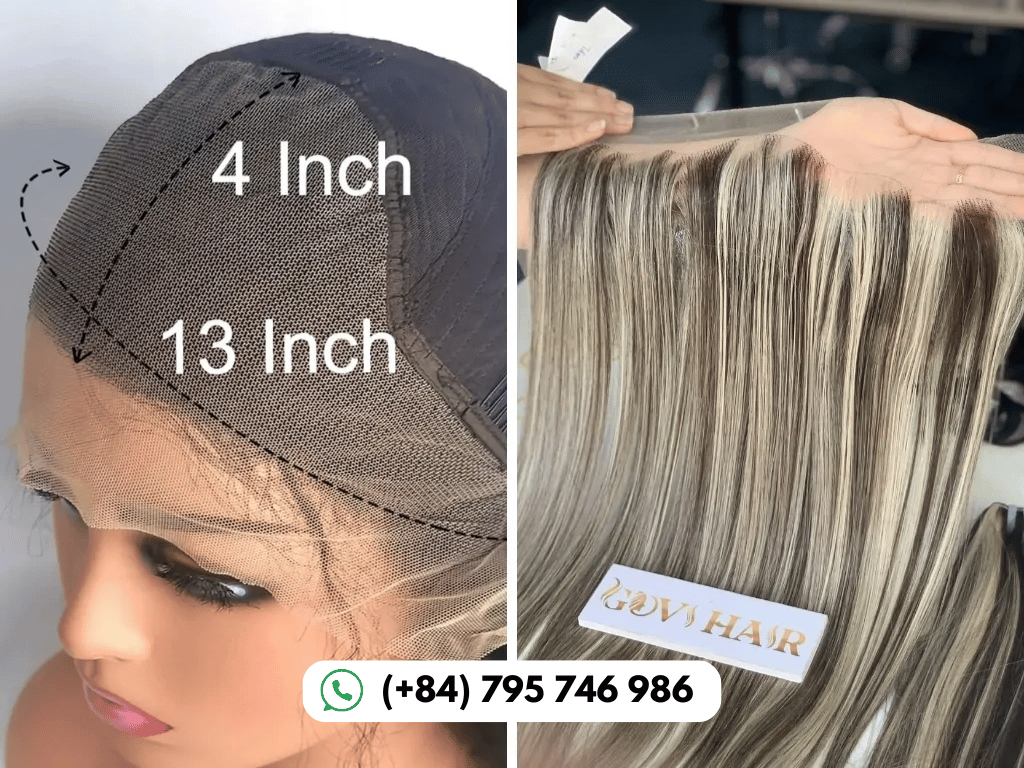
To determine which wig cap construction is most comfortable for sensitive scalps among lace front wig, full lace wig, monofilament wig, and machine-made wig, let’s evaluate each based on key comfort factors: breathability, softness, weight, and irritation potential. Sensitive scalps, often associated with conditions like alopecia or chemotherapy, require gentle, non-irritating designs that prioritize airflow and minimal friction.
Lace Front Wig
Description: Lace front wigs feature a sheer lace panel at the front hairline, with the rest typically made of a standard cap (e.g., wefted or mesh). The lace creates a natural-looking hairline, and glueless versions use combs or straps for security.
Comfort for Sensitive Scalps:
- Pros: The lace portion is lightweight and breathable, allowing airflow at the front. Glueless lace front wigs avoid adhesives, reducing irritation for sensitive skin.
- Cons: The non-lace portion (often wefted) can be denser, trapping heat and potentially causing discomfort during extended wear. If glue is used, it may irritate sensitive scalps.
- Suitability: Moderately comfortable for sensitive scalps, especially in glueless designs, but the back cap may feel less gentle compared to other options.
Full Lace Wig
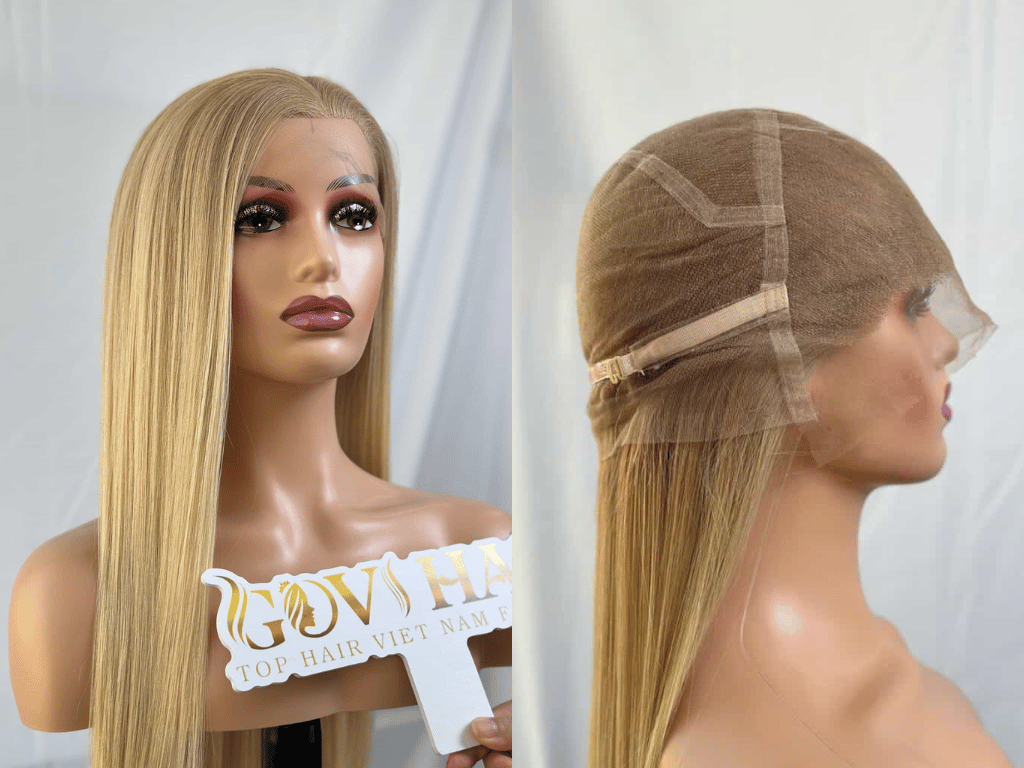
Description: Full lace wigs have a lace base covering the entire cap, with each hair hand-tied for a natural look and versatile styling (e.g., high ponytails).
Comfort for Sensitive Scalps:
- Pros: The all-lace construction is highly breathable and lightweight, as it lacks heavy wefts. Hand-tied hairs move naturally, reducing scalp friction.
- Cons: Full lace wigs can be expensive, and improper maintenance (e.g., frayed lace) may cause slight irritation. Adhesive use, if not glueless, can be problematic for sensitive skin.
- Suitability: Very comfortable for sensitive scalps due to its airy, soft design, especially in glueless versions, though cost may be a factor.
>> Explore more: How to Wear Full Lace Wigs Easily?
Monofilament wigs
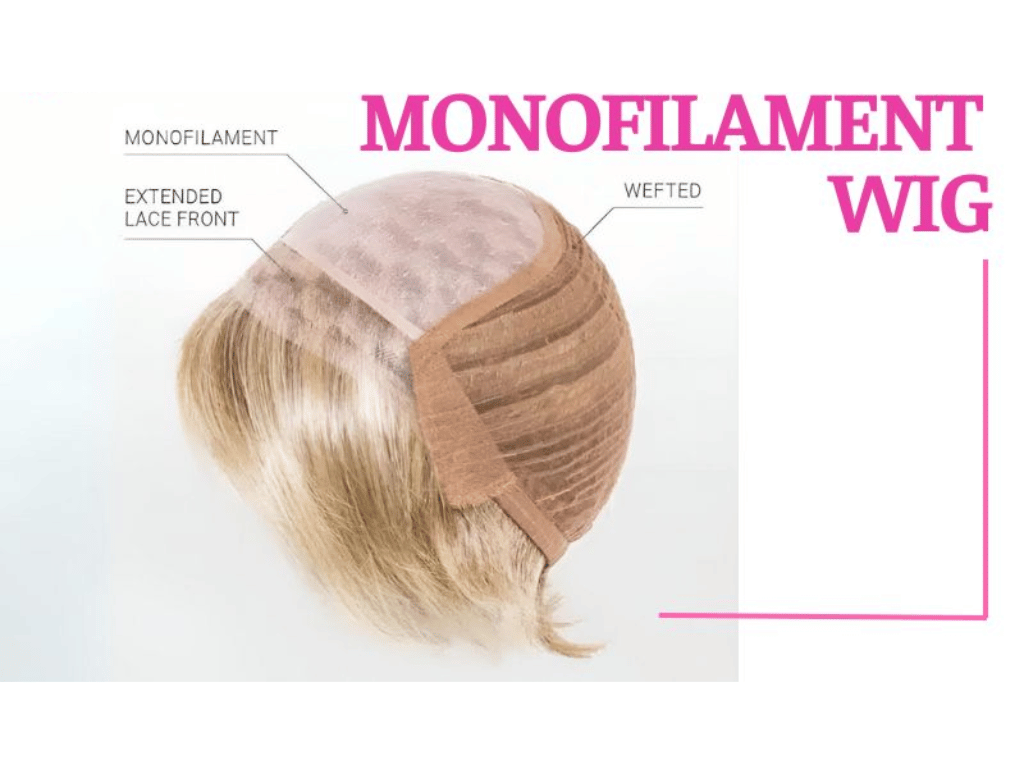
Description: Monofilament wigs feature a sheer mesh top (or entire cap in full monofilament) where hairs are individually hand-knotted, mimicking natural scalp appearance. Double monofilament adds an extra soft layer for cushioning.
Comfort for Sensitive Scalps:
- Pros: Exceptionally soft and breathable, with minimal scalp contact. The hand-knotted design reduces friction, and double monofilament provides extra padding, ideal for medical hair loss. Highly recommended by experts for chemo or alopecia patients due to its gentle feel.
- Cons: Can be pricier than machine-made options, and the non-monofilament areas (in partial designs) may be less ventilated.
- Suitability: One of the most comfortable options for sensitive scalps, especially double monofilament, due to its softness and airflow.
Machine Made Wig
Description: Machine-made wigs (also called wefted or basic caps) use machine-stitched wefts of hair sewn onto a cap, often with open wefts for ventilation.
Comfort for Sensitive Scalps:
- Pros: Lightweight and affordable, with open-weft designs offering decent airflow, which helps prevent overheating.
- Cons: The wefted construction can feel rigid and scratchy, as hairs are sewn in rows, increasing friction. Seams may irritate sensitive scalps, and the cap is less flexible than lace or monofilament.
- Suitability: Least comfortable for sensitive scalps due to potential irritation from wefts and less natural fit.
For sensitive scalps, monofilament wigs are the most comfortable, particularly double monofilament designs, due to their soft, cushioned base and excellent breathability. The hand-knotted construction minimizes friction, making them ideal for conditions like alopecia or post-chemo sensitivity. Full lace wigs are a close second, offering lightweight, airy comfort, especially in glueless forms, but they may require more maintenance. Lace front wigs are moderately comfortable if glueless, but their wefted back can reduce overall gentleness. Machine-made wigs are the least suitable, as their rigid wefts and seams often irritate sensitive scalps.
Is Human Hair Wig or Synthetic Hair Wig More Comfortable?
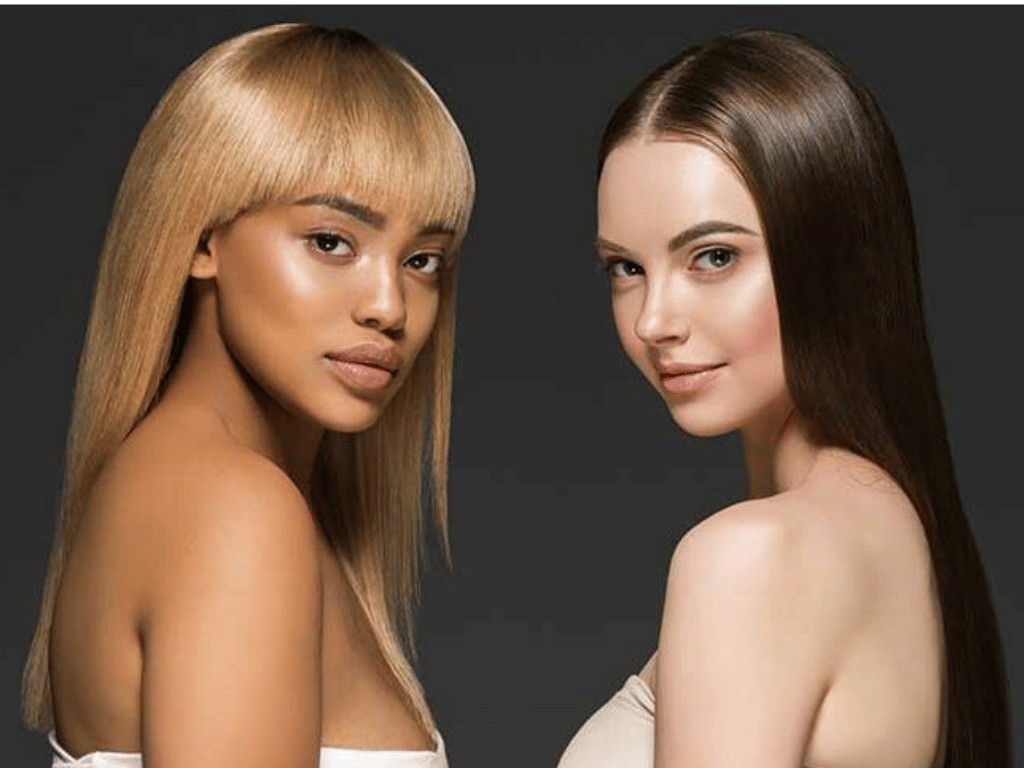
Debating types of wigs comfortable to wear often boils down to human hair versus synthetic. Human hair wigs, made from real strands (often Remy or European), offer superior softness and breathability, feeling natural against the skin. They’re durable, lasting over a year with care, and adaptable to heat styling, making them ideal for daily wear. Human hair which wig is more comfortable to wear.
Synthetic wigs, crafted from fibers like nylon, are lighter and more affordable, holding styles well even after washing. However, lower-quality synthetics can feel rough or tangle, reducing comfort. High-end heat-resistant synthetics bridge the gap, but human hair generally wins for long-term comfort due to its natural texture.
For daily use, human hair is more comfortable if budget allows, as it mimics bio hair without irritation. Synthetics suit beginners or short-term wear, being lightweight for all-day ease. Your choice depends on maintenance tolerance and lifestyle.
>> Read more: Why Are Human Hair Wigs More Expensive?
How Do You Make Any Wig Feel More Comfortable Instantly?
Even the best wig can be enhanced. These tips address which wig is more comfortable to wear by improving any design.
Using Wig Liners for Extra Comfort
Wig liners, like bamboo or cotton caps, wick moisture and cushion the scalp. They reduce friction, especially for sensitive skin.
Adjusting Straps for a Perfect Fit
Tighten or loosen velcro straps and combs for a custom fit, preventing slippage or pressure.
Choosing Accessories to Reduce Irritation
Use wig grips, tapes, or headbands for security without glue. Bobby pins and clips keep styles in place, enhancing airflow.
Different regions often have different preferences for wigs, both in terms of comfort and appearance.
US and UK:
- Prefer HD lace wigs and choose 13×4 lace frontal size
- Popular textures: Burmese curly, body wave and bone straight.
Africa (e.g. Nigeria, Ghana, South Africa):
- Prefer 2×6 or 4×4 lace front wigs because they are affordable
- More likely to choose deep wave, curly hair, and bone straight hair
Which Wig Is the Most Comfortable for All-Day Wear?
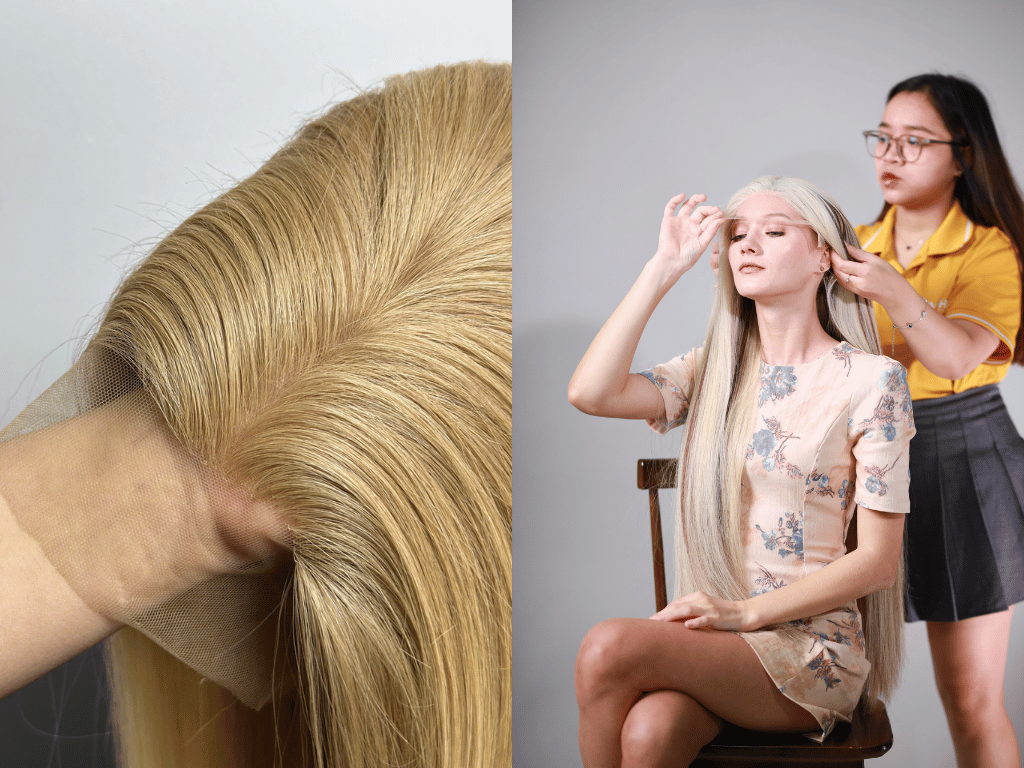
For all-day wear, hand-tied or monofilament human hair wigs like the Gripper Lite excel, offering breathability and security. They adapt to movement without irritation, making them the top choice for which wig is more comfortable to wear daily.
Winner: Monofilament Wig (especially double monofilament) for its superior softness, breathability, and minimal irritation, making it the top choice for which wig cap construction is most comfortable for sensitive scalps.
At Govihair, for lace wigs, most customers prefer to choose 2×6 and 4×4 lace wigs, and for frontal lace wigs, 13×4 HD lace wigs are the best seller. Most African customers will prefer to buy 2×6 and 4×4 lace wigs. European customers (UK, USA) will choose frontal lace wigs instead of lace wigs because of their comfort and convenience.
In addition, customers also love to buy full lace wigs because full lace offers many more styling options. Second, full lace wigs are made from soft, light lace and hug the scalp, full lace wigs bring a comfortable feeling, not stuffy, and can even be worn all day without causing discomfort.
Shop breathable wigs at Govihair:
- WhatsApp: (+84) 795 746 986
- Email: [email protected]
- Instagram: govihair_vietnamhair_factory
- Tik Tok: govihairvietnam_official
- Website: govihair.com
FAQs
Are human hair wigs more comfortable than synthetic wigs?
Many people find human hair wigs more comfortable because they feel softer, move more naturally, and adjust better to body temperature. Synthetic wigs can be lighter, but some fibers trap heat and feel less breathable.
Is a lace front wig more comfortable than a standard wig?
Yes. Lace front wigs are often more comfortable because the lace around the hairline is lightweight and flexible, reducing itchiness and allowing better airflow than traditional weft caps.
Are full lace wigs comfortable to wear?
Full lace wigs are known for being very comfortable and versatile. The lace cap molds to your scalp, offers excellent breathability, and allows for natural parting anywhere on the head.
Do adjustable straps improve wig comfort?
Absolutely. Adjustable straps help you customize the fit so the wig stays secure without being too tight. A snug but gentle fit reduces headaches and slipping.
Which wig cap type is most breathable?
Monofilament and lace caps (Swiss lace, HD lace, full lace) are considered the most breathable. They allow airflow directly to the scalp, making them more comfortable for long wear and warmer weather.
>> Read more: The Guide On How To Wash A Human Hair Wig Right Way
Conclusion
Understanding which wig is more comfortable to wear depends on factors such as cap construction, materials, and your lifestyle. Wigs with breathable caps, lightweight designs, and soft linings especially lace front or full lace wigs tend to offer better airflow and a more natural feel for all-day use. Choosing the right size and adjustable straps also plays a key role in overall comfort.


 Ms. Sophia