
Vietnamese Human Hair
Vietnamese Hair vs Chinese Hair: Which One Right For You?
Jun
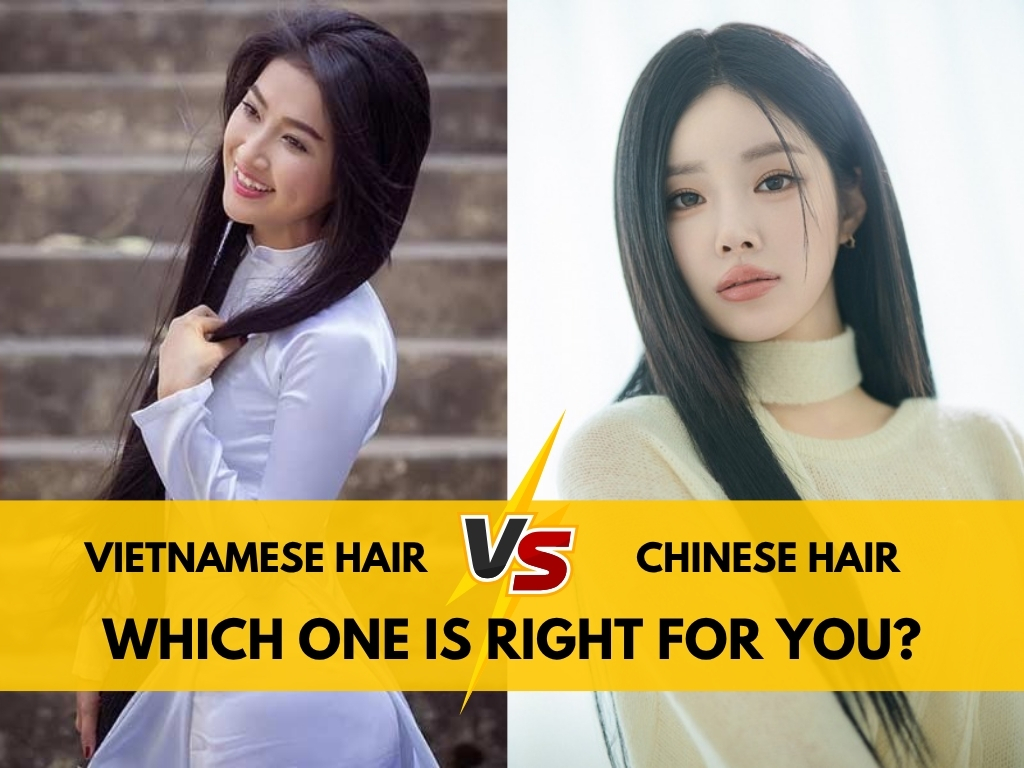
In the global hair industry, Vietnamese hair vs Chinese hair is one of the most frequently compared topics, especially among salons, wholesalers, and hair brands. While both are widely available, they differ significantly in quality consistency, lifespan, processing methods, and target market positioning. Understanding these differences is essential for making the right sourcing decision.
While both offer premium hair, there are some key differences between Vietnamese and Chinese hair that are useful to understand when selecting extensions. Join Govihair Vietnamese hair vendors to learn the difference between the two types of hair through the article below.
Vietnamese Hair vs Chinese Hair: Quick Comparison Table
To give you a quick overview before diving into the details, here is a breakdown of the core differences:
| Feature | Vietnamese Hair | Chinese Hair |
| Origin | 100% human hair from Vietnamese women (mainly in mountainous areas) | Mixed origins (India, Cambodia) or fallen hair collected from floors/drains |
| Hair Texture | Thick, strong, cuticle-aligned, and naturally smooth | Thinner strands, often stripped of cuticles and silicone-coated |
| Grading System | Single, Double, Super Double Drawn, Super Luxury/Premium | Arbitrary numbered grades (e.g., 5A, 10A, up to 15A) |
| Chemical Process | Minimal to none (Raw/Virgin Hair) | Acid baths and heavy silicone coating |
| Lifespan | 2 to 5 years (with proper care) | 3 to 18 months |
| Price | Mid-to-high tier (High ROI) | Low tier (Budget-friendly) |
The characteristics of Vietnamese Hair vs Chinese hair
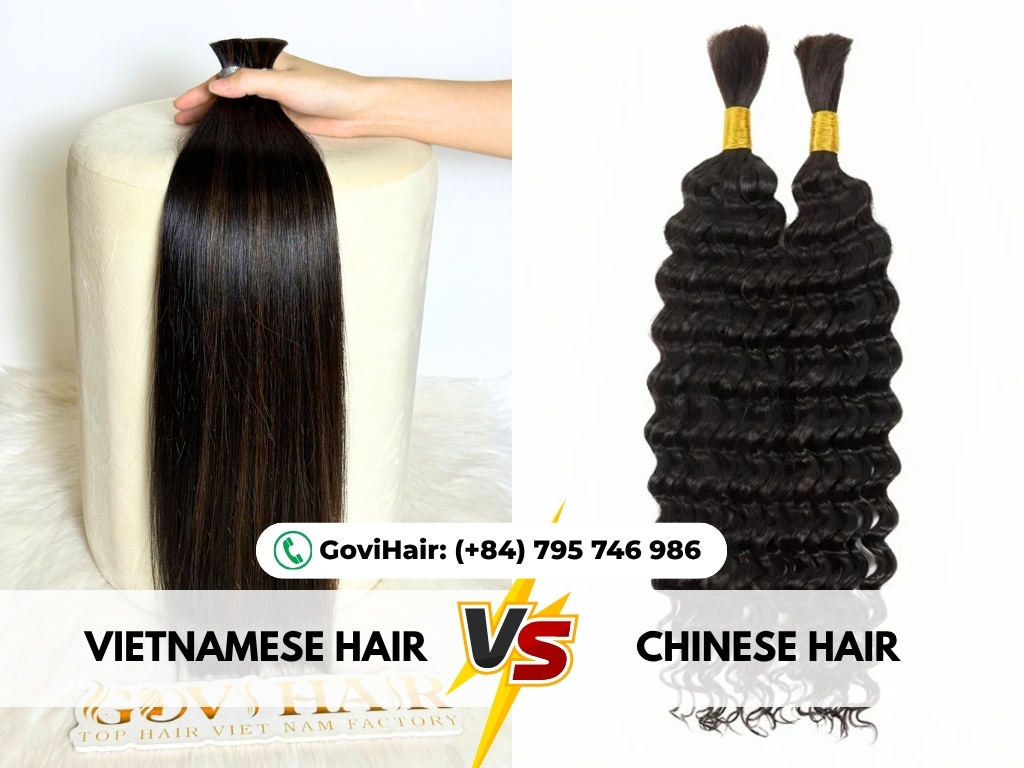
When it comes to hair extensions, Vietnamese hair vs Chinese hair are two of the most popular options. Both are known for their quality and versatility, but there are distinct differences in their textures that may appeal to different customers.
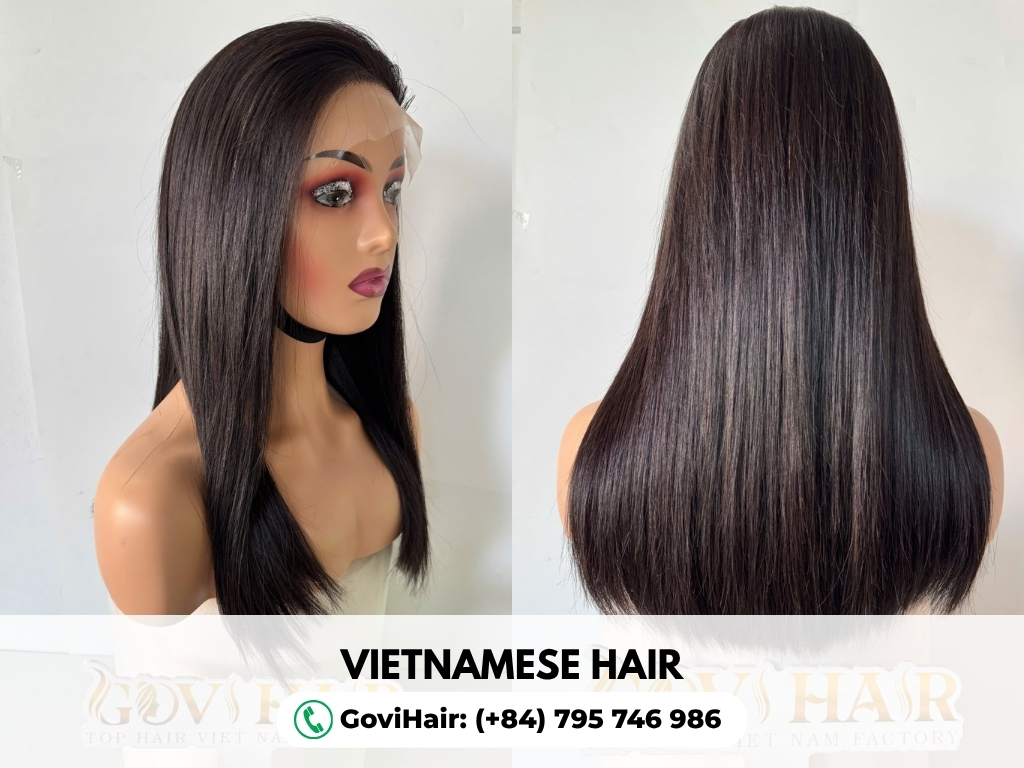
Collected from healthy young women in rural areas of Vietnam, this hair is grown naturally without the use of chemicals or synthetic products. Vietnamese hair is known for its softness, smooth texture and natural shine. The hair is silky straight from root to tip, tangle-free and ideal for dyeing, bleaching (up to #613), curling or straightening. It offers a luxurious and natural look with excellent styling versatility.
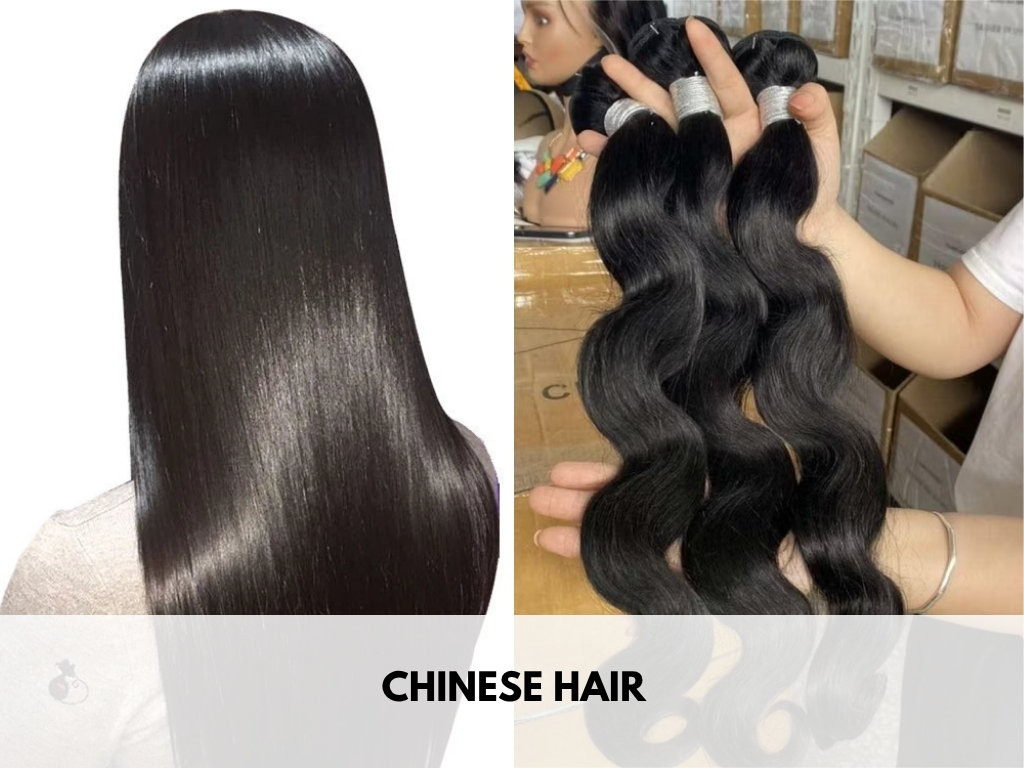
Collected in large quantities from many donors throughout China, Chinese hair is typically thicker in diameter, coarser, and can be rougher to the touch. To meet global market demands, Chinese hair is often chemically treated to achieve a uniform texture and color. Chinese hair ranges from straight to slightly wavy, and is often less naturally shiny than Vietnamese hair.
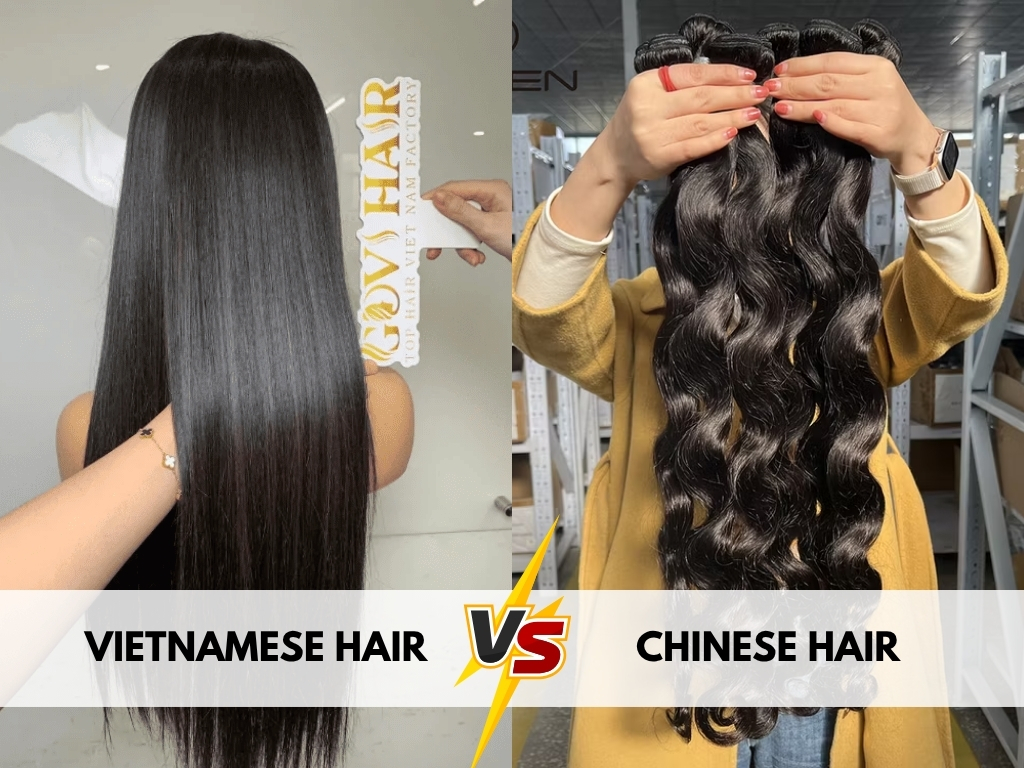
The choice between Vietnamese hair and Chinese hair depends on individual preferences and desired outcomes. Customers who prioritize softness, natural wave, and a luxurious appearance may prefer Vietnam hair, while those who seek thickness, straightness, and a more textured look may find Chinese hair to be a better fit.
>> Read more: Vietnamese Hair Texture The Secret to Luxury Hair
Vietnamese hair extensions are highly sought after in the beauty industry for their quality and versatility. However, like any other hair extension, they have their own set of advantages and disadvantages. Here’s a breakdown of the pros and cons to help potential customers make an informed decision:
Pros of Vietnamese Hair:
- Superior quality: Vietnam hair is renowned for its thickness, softness, and natural shine. It is often considered one of the best types of hair for extensions, offering a luxurious and long-lasting appearance.
- Versatility: Vietnamese hair extensions can be styled in various ways, from simple to elaborate. They are compatible with most hair types and can blend seamlessly with natural hair.
- Durability: Due to its strength and resilience, Vietnam hair extensions can withstand frequent styling and treatments without losing their quality. They are less likely to tangle or shed compared to other types of extensions.
- Natural appearance: Vietnamese hair extensions have a natural texture and color, making them indistinguishable from real hair when properly installed. They can help achieve a fuller, thicker, and more voluminous look.
- Long-lasting: With proper care, Vietnam hair extensions can last for several years. This makes them a cost-effective investment compared to other temporary hair solutions.
Cons of Vietnamese hair:
- Cost: Vietnam hair extensions are generally more expensive than synthetic or lower-quality human hair extensions. However, the investment is often justified by their superior quality and longevity.
- Limited availability: Due to the high demand for Vietnamese hair extensions, they may be limited in availability or more expensive during peak seasons.
The decision to purchase Vietnam hair extensions depends on individual preferences, budget, and desired results. By carefully considering the pros and cons, potential customers can make an informed choice and enjoy the benefits of these luxurious extensions.
Chinese hair extensions are a popular choice among consumers due to their affordability and wide availability. However, before making a purchase, it’s essential to weigh the pros and cons to ensure they align with your preferences and needs.
Pros of Chinese hair:
- Affordability: Chinese hair extensions are generally more budget-friendly compared to other hair extension types, making them accessible to a wider range of consumers.
- Variety: The market offers a vast selection of Chinese hair extensions, catering to various hair textures, colors, and lengths. This diversity allows for customization and finding the perfect match.
- Ease of maintenance: Chinese extensions are relatively low-maintenance, requiring similar care routines as natural hair. This makes them convenient for busy individuals.
Cons of Chinese hair:
- Inconsistent quality due to mixed sources
- Often chemically processed (e.g., silicone coating)
- Shorter lifespan and more prone to dryness and tangling
What’s the Difference Between Chinese and Vietnamese Hair
The Grading Systems
Vietnamese suppliers use density-based classifications that clearly reflect bundle quality:
- Single Drawn
- Double Drawn
- Super Double Drawn
- Super Premium
The Vietnamese market classifies hair transparently based on the fullness of the hair ends. Single Drawn means up to 65% of the hair strands are the full length. Double Drawn offers 65% to 75% fullness, while Super Double Drawn provides up to 85% fullness. For the most premium, blunt look, Super Luxury grades offer nearly perfect fullness at the very tips.
Chinese suppliers often use grade labels such as:
- A, A+, A++, AAA
In stark contrast, Chinese vendors utilize an “A-grade” system ranging from 1A up to 15A. It is crucial for buyers to note that this system is heavily marketing-driven and completely unregulated. A “10A” bundle from one factory might be worse than a “7A” bundle from another, making it highly confusing and risky for new wholesale buyers to navigate. These grading systems are less standardized and may not accurately reflect true hair quality or density. Understanding how hair is graded will save you a lot of money and frustration.
Color Variations
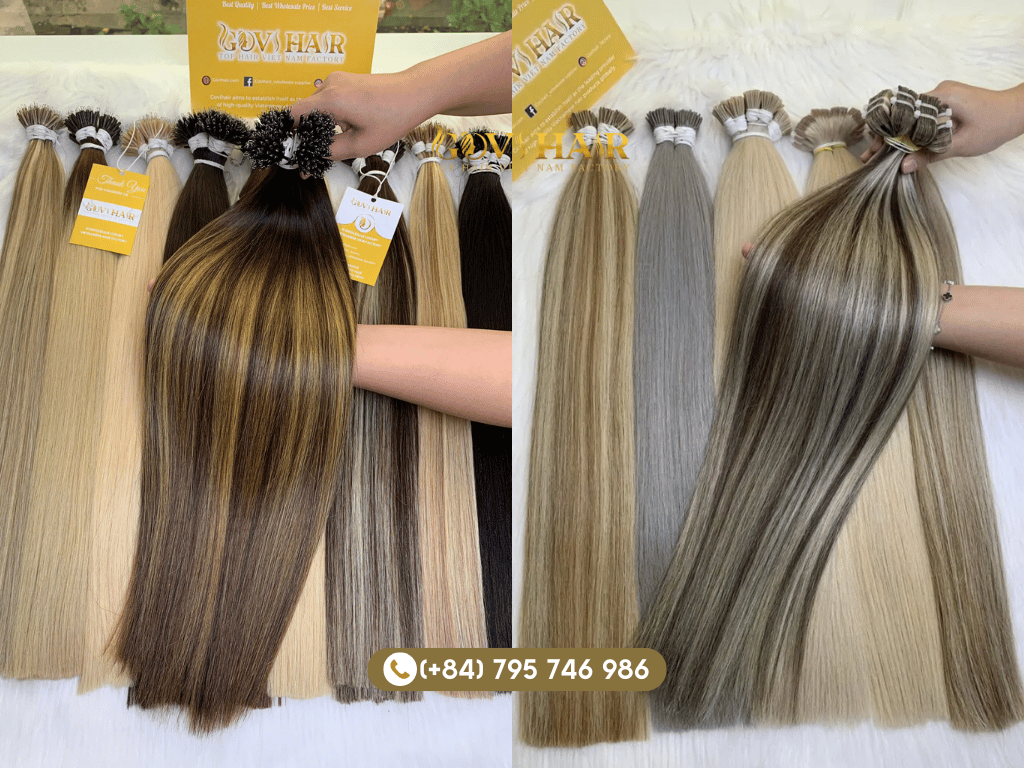
Vietnamese hair extensions are prized for their range of natural colors. The most common shades are different variations of black, dark brown, and medium brown. There are also some natural lighter brown and blonde shades available, though less common. The dark hues are rich and replicate the natural hair colors of the Vietnamese donors.
Chinese hair extensions also come in various natural shades but tend to have more color variation within each batch. It is common to find strands in lighter browns, auburn, and blondes within a batch labeled as dark brown or black. This creates highlights and dimension but can look less natural than solid Vietnamese shades.
Pricing Comparison
Vietnamese raw hair and Chinese hair are highly sought after in the global hair extension market for their quality, thickness, and versatility. However, there are subtle differences in their pricing that stem from various factors, including supply, demand, and processing methods.
Factors Influencing Pricing
- Supply and Demand: The availability and demand for Vietnamese and Chinese hair can significantly impact their prices. Vietnamese hair, often considered superior in terms of quality and texture, may have a higher demand, leading to slightly elevated prices.
- Processing Methods: The processing techniques involved in preparing hair for extensions can also influence pricing. More intricate or labor-intensive processes may result in higher costs.
- Length and Color: The length and color of the hair are additional factors that can affect pricing. Longer and rarer hair colors may command higher prices.
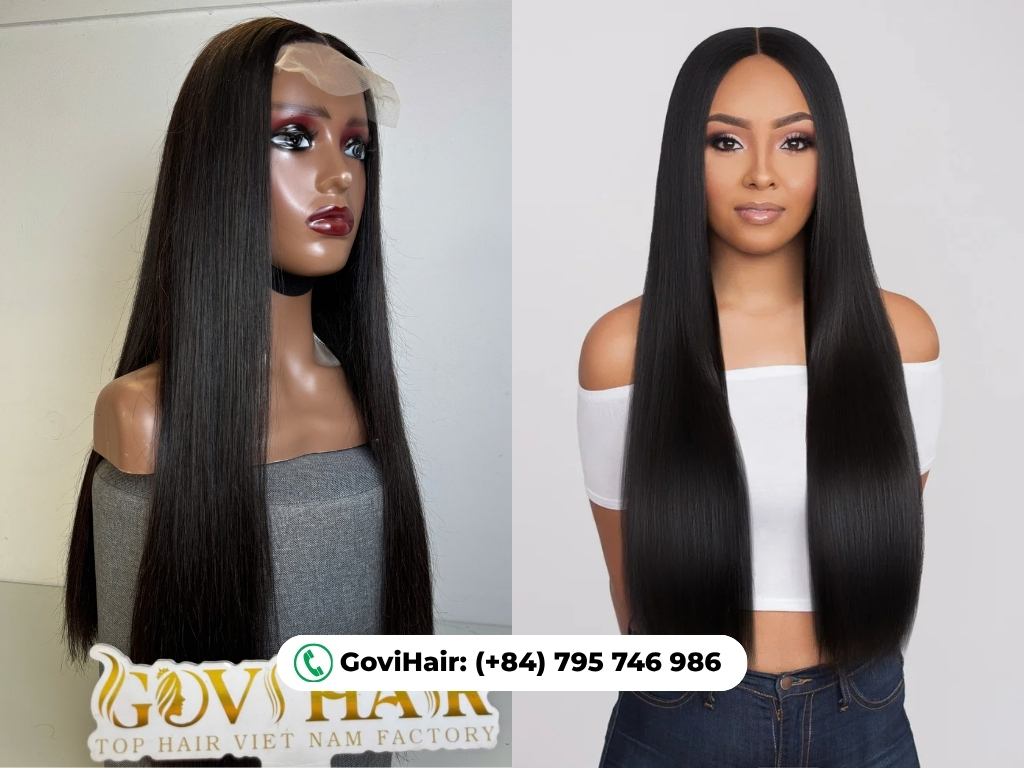
While it’s challenging to provide exact pricing without considering specific factors like length, color, and quality, a general comparison can be made.
Vietnamese hair, especially raw single-donor hair, is typically priced higher due to:
- Strict quality control standards
- Higher cost of premium raw materials
- Superior long-term durability and performance
In contrast, Chinese hair offers a wide price range because:
- It is produced at large scale with mixed materials
- Faster processing methods reduce cost
- Quality varies significantly across suppliers
Market Positioning
- Vietnamese hair is positioned in the premium segment, making it ideal for high-end salons, luxury hair brands, and customers who prioritize long-term use and consistent quality. It performs strongly across Europe, the United States, Asia, and Africa, where buyers value natural appearance, durability, and reliable performance across multiple orders.
- In contrast, Chinese hair is more commonly aligned with the fast-fashion and high-volume market. It is widely used by businesses that focus on trend-driven styles, rapid inventory turnover, and lower upfront investment. This makes it suitable for short-term sales cycles, but often with less emphasis on long-term durability and consistency.
Lifespan Comparison
- Vietnamese Hair: Typically lasts 2–5 years (raw hair) with proper care, thanks to strong strands and minimal chemical processing.
- Chinese Hair: Generally has a shorter lifespan, as many products are heavily processed or blended, leading to faster dryness and wear.
Is Vietnamese hair more expensive than Chinese hair?
The decision between Vietnamese and Chinese hair ultimately depends on individual preferences, budget, and desired outcomes. Those seeking the highest quality, durability, and natural appearance may be willing to invest in Vietnamese hair wigs. For those on a tighter budget or with less stringent requirements, Chinese hair can be a viable and cost-effective option.
For example, a standard set of 16-inch Vietnam hair extensions may retail between $180 to $250. Chinese hair of the same length would typically cost between $100 to $180. The pricing gap remains consistent for longer lengths like 22 or 24 inches too.
While costlier, devotees of Vietnamese hair view it as a worthwhile investment for its unparalleled softness and natural beauty. Frugal buyers may opt for more affordable Chinese hair that can still deliver gorgeous results. It comes down to personal preference and budget considerations.
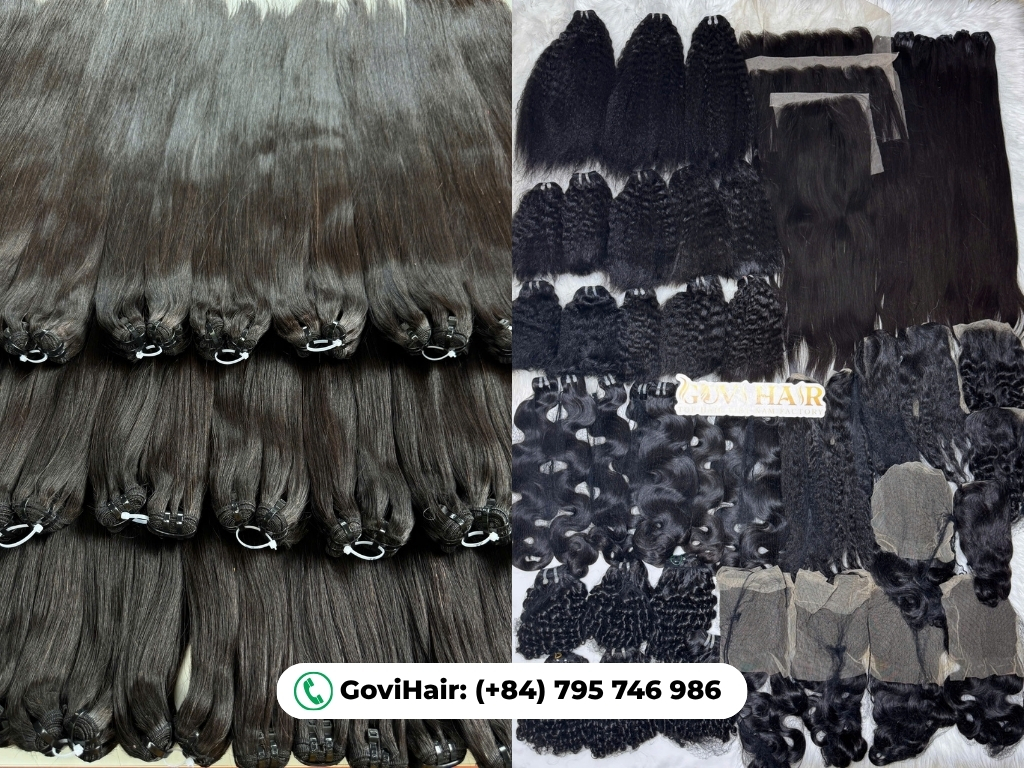
Cultural significance of hair in Vietnamese hair vs Chinese hair
In both Vietnamese and Chinese cultures, hair holds special meaning and symbolism.
Long, lush hair is prized in Vietnamese culture as the pinnacle of femininity and beauty. Uncut hair represents health, fortune, and good luck. Many Vietnamese women only trim the ends minimally and treat hair as their crowning glory. Donating hair to make extensions is also seen as a charitable act.
Chinese culture also values long hair historically, though modern women favor stylish cuts. Hair symbolizes life, prosperity, and completeness. Chinese hair extensions allow women to achieve cultural ideals of beauty while enjoying short styles day-to-day. Donated hair is an honorable gift.
Understanding these cultural perspectives adds deeper meaning to the precious locks that become prized extensions. Both Vietnamese and Chinese hair donors take pride in contributing to beauty ideals.
Hair Care Routines
As Vietnam hair vs Chinese hair have different textures, the ideal care routines differ too:
- Vietnamese hair: Focuses on hydration, using moisturizing masks weekly and oils to boost shine. Silicone serums also help eliminate frizz and flyaways. Due to the straight texture, heat styling is fine in moderation.
- Chinese hair: Relies more on replenishing protein, with protein-rich treatments monthly and bond-repairing oils. Limit heat styling to maintain elasticity. Embrace natural texture by scrunching in leave-in conditioner.
No matter the hair type, be sure to use gentle, sulfate-free cleansers, comb carefully from ends up, and sleep in a loose braid or bun. Protective styles maintain the integrity of the hair.
Common Myths About Vietnamese Hair vs Chinese Hair
There are some common misconceptions regarding Vietnamese and Chinese hair
| Myth | Fact | |
| Chinese hair is always thicker than Vietnamese hair | While Chinese hair has more volume, Vietnamese hair tends to have thicker individual strands | |
| Vietnam hair never comes in lighter shades | A small percentage of Vietnam hair donors have natural blonde or light brown hair | |
| Chinese hair gets tangled more easily | Properly cared for, Chinese hair has great elasticity and shouldn’t tangle. Knotting results from damage | |
| Vietnamese hair always costs more | Some average-priced Chinese hair can outprice lower-end Vietnamese hair. Check quality over the origin | |
| Chinese hair won’t grow or last as long as Vietnamese hair | With the right hair care, Chinese hair extensions can last over a year with proper maintenance |
Knowing hair extension facts over fiction helps make the best choice. Speak to a stylist to clear up any confusion.
>> View more: How to import hair from Vietnam?
Vietnamese Hair vs Chinese Hair: Which One Should You Choose?
From an industry expert perspective, Vietnamese hair is the ideal choice for businesses that prioritize premium quality, long lifespan, and natural aesthetics. It delivers consistent performance, better customer satisfaction, and stronger long-term value, especially in competitive salon and wholesale markets. Suppliers like Govihair focus on carefully selected raw materials, thick and full ends, and strict quality control, ensuring products meet international standards for salons, distributors, and hair brands.
If you’re shopping for hair extensions or wigs, two of the most popular choices you’ll come across are Vietnamese hair and Chinese hair. Both are widely used in the global beauty industry, but they differ in texture, durability, and overall quality. Vietnamese hair is prized for being raw, silky, and long-lasting, while Chinese hair is more affordable, versatile, and widely available. Understanding these differences will help you decide which one truly fits your style, budget, and needs.
>> Explore more: Vietnamese Hair vs Brazilian Hair: Which Hair Type is Best for You?
Where to Buy Reputable And Quality Vietnamese Hair?
If you’re in the market for reliable Vietnamese hair vendors, it is crucial to select a reputable and dependable supplier. At GoviHair, we take pride in being Vietnam’s leading wig manufacturer and supplier with over 20 years of experience. You can expect to find beautiful hairstyles made from 100% Vietnamese human hair at GoviHair – The best Vietnamese hair vendors. We ensure that all our Vietnamese wig hair products meet high-quality requirements while still being offered at affordable factory prices. It’s no surprise that GoviHair has earned the trust and support of thousands of customers worldwide.
FAQs
Which hair lasts longer: Vietnamese hair or Chinese hair?
RV Vietnamese hair generally lasts much longer—up to 2–5 years with proper care—because it’s raw and unprocessed. Chinese hair, especially when heavily processed, tends to wear out faster (6 months to 1 year), making Vietnamese hair a better long-term investment.
Is there a difference in texture between Vietnamese and Chinese hair?
Yes. Vietnamese hair is naturally thicker, stronger, and coarser, which makes it excellent for styling, coloring, and heat tools. Chinese hair is smoother and finer, but often requires processing to achieve popular textures, reducing its natural resilience.
Why do hair vendors prefer Vietnamese hair over Chinese hair?
Vendors prefer RV Vietnamese hair because it offers consistent quality, better durability, and authentic raw texture. It’s easier to customize for different styles without compromising its integrity. Chinese hair, while cheaper, may be less consistent and prone to shedding after a few washes.
Conclusion
In conclusion, the comparison between Vietnamese hair and Chinese hair ultimately comes down to quality consistency, sourcing transparency, and target market positioning. Vietnamese hair stands out for its natural strength, minimal chemical processing, and long lifespan, making it the preferred choice for premium segments and professional salons. Its durability and ability to maintain texture after multiple treatments provide strong long-term value, especially for customers seeking raw or virgin hair.
On the other hand, Chinese hair offers advantages in affordability, mass production, and diverse styling options. It is well-suited for high-volume businesses and price-sensitive markets, but may vary in quality due to blending and industrial processing methods.
For businesses, the most effective strategy is not choosing one over the other, but aligning product selection with brand positioning: prioritize Vietnamese hair for premium offerings and customer retention, and leverage Chinese hair for competitive pricing and fast inventory turnover.
We provide our customers with secure and reliable shipping and payment services. Additionally, we are always open to receiving feedback, whether positive or negative, as well as customer inquiries, which enable us to flexibly adjust our services to better cater to your specific needs.
- WhatsApp: (+84) 795 746 986
- Email: [email protected]
- Instagram: govihair_vietnamhair_factory
- Tik Tok: govihairvietnam_official
- Website: govihair.com
 Ms. Hana