



You want to change your style with a truly impressive wig? A Lace front wig is the top choice you should consider. At Govihair, we are confident to bring you the most comprehensive and in-depth look at this type of wig with extensive experience in the industry. Let’s discover why this is the ideal choice for you to own a natural, attractive and unique appearance
What is a lace front wig?
One of the most common questions I get from people who get acquainted with wigs is: “What is a lace front wig, Tommy? And how is it different from a regular wig?”
After more than 10 years of working with salons, distributors, and hair stylists all over the world, I usually explain it like this:
A lace front wig is a wig that has a thin, transparent lace section that extends from ear to ear. This lace allows the hair to blend into the scalp in a very natural way, giving the impression that the hair is growing out of the scalp.
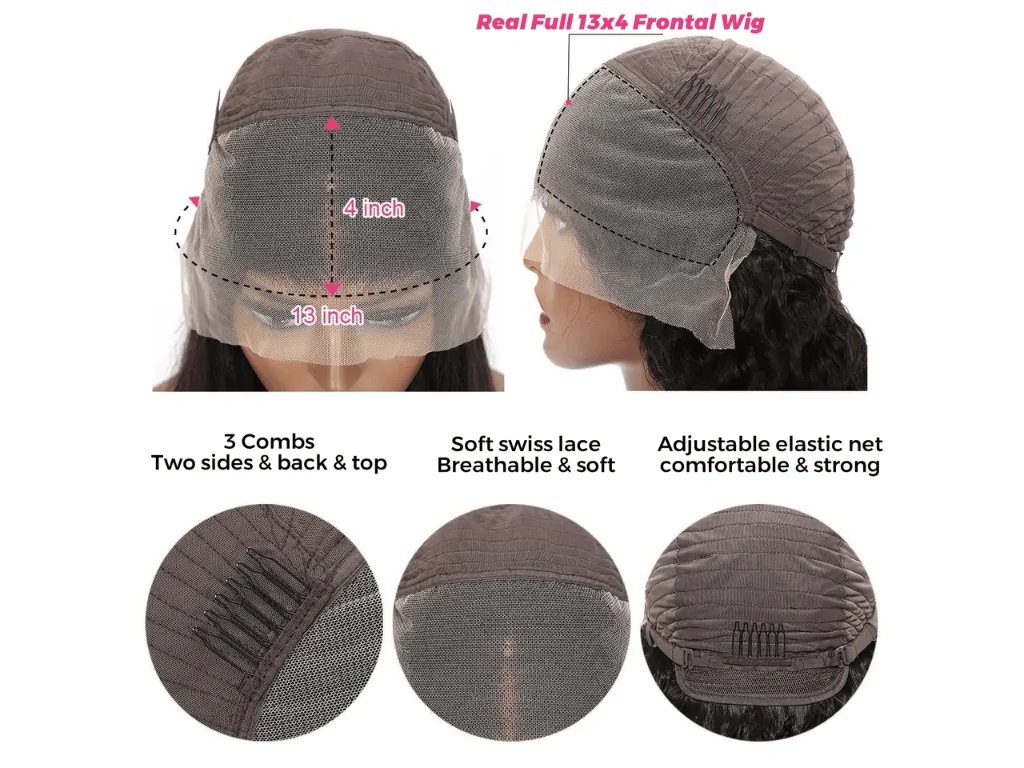
Lace Front Cap Construction
Understanding the mechanics of the wig helps in choosing the right one. The “front” generally refers to a piece of lace that extends from ear to ear (usually 13 inches across) and goes back about 4 to 6 inches from the hairline.
The sheer mesh used is delicate. High-quality wigs often utilize Swiss lace or HD (High Definition) lace, which is thinner and blends better with the skin. When shopping, knowing the types of lace for wigs is crucial, as the durability and visibility of the lace depend on the material used during construction. The hair is knotted individually into this mesh, allowing for multi-directional parting within that lace area.
Human Hair vs. Synthetic Lace Front Wigs
Lace front wigs come in two main fiber types, and choosing between human hair wigs vs synthetic wigs depends on your budget and styling needs.
-
Human Hair: Can be heat styled, dyed, and treated like your own hair. It offers the most natural movement and longevity but comes at a higher price point.
-
Synthetic Hair: Pre-styled and holds its shape in humidity. While modern synthetic fibers are high quality, they generally cannot be heat-styled (unless heat-resistant) and have a shorter lifespan.
Lace front wig and Regular wig: Which One is better?
How A Lace Front Wigs Is Made
Front lace wigs have a thin lace section at the front hairline, extending from ear to ear. It creates the effect of a natural – looking hairline and allows flexible parting at the front of the head. The remaining hair is often sewn onto an elastic mesh or breathable fabric which hugs the head and feels lightweight.
On the contrary, conventional wigs have a simple structure with all the hair sewn onto a fabric cap or mesh. Therefore, the hairline is often less natural and does not allow for parting.
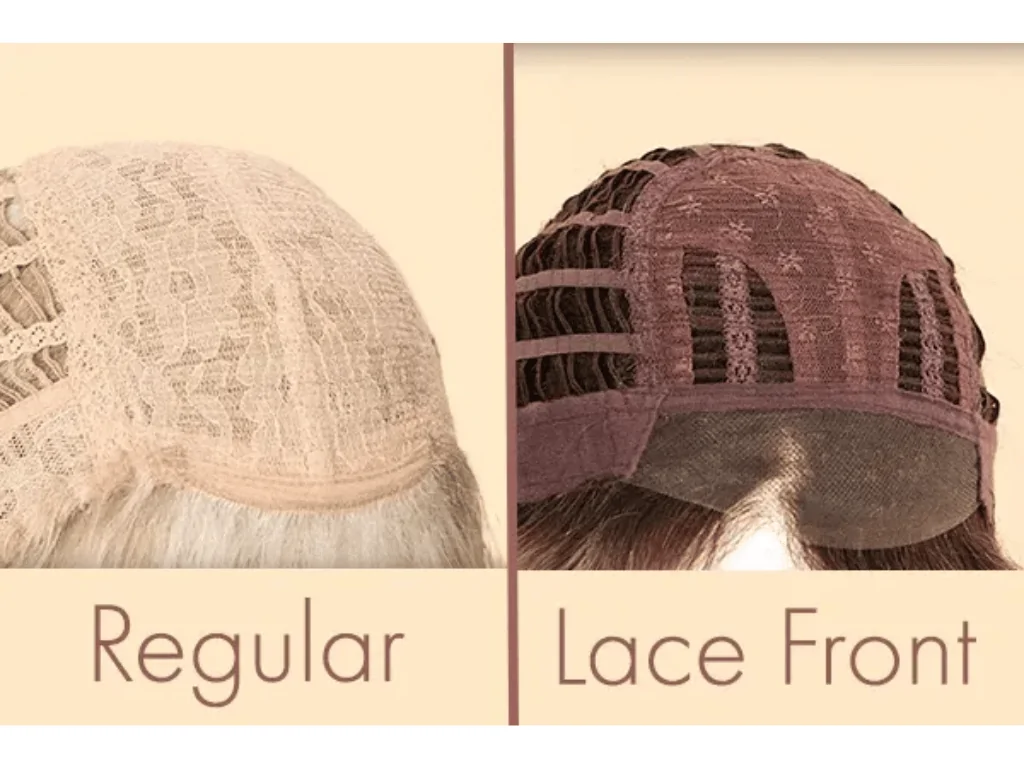
Types of Wig Caps Explained
Lace front wigs use a cap with a design that combines lace and elastic mesh to help the hair look natural. The hair hugs the head firmly, the mesh is breathable and comfortable to wear all day.
In contrast, regular wigs often use a cap made entirely of fabric or mesh, making the cap more closed, causing heat or stuffiness to the scalp if you use it for a long time.
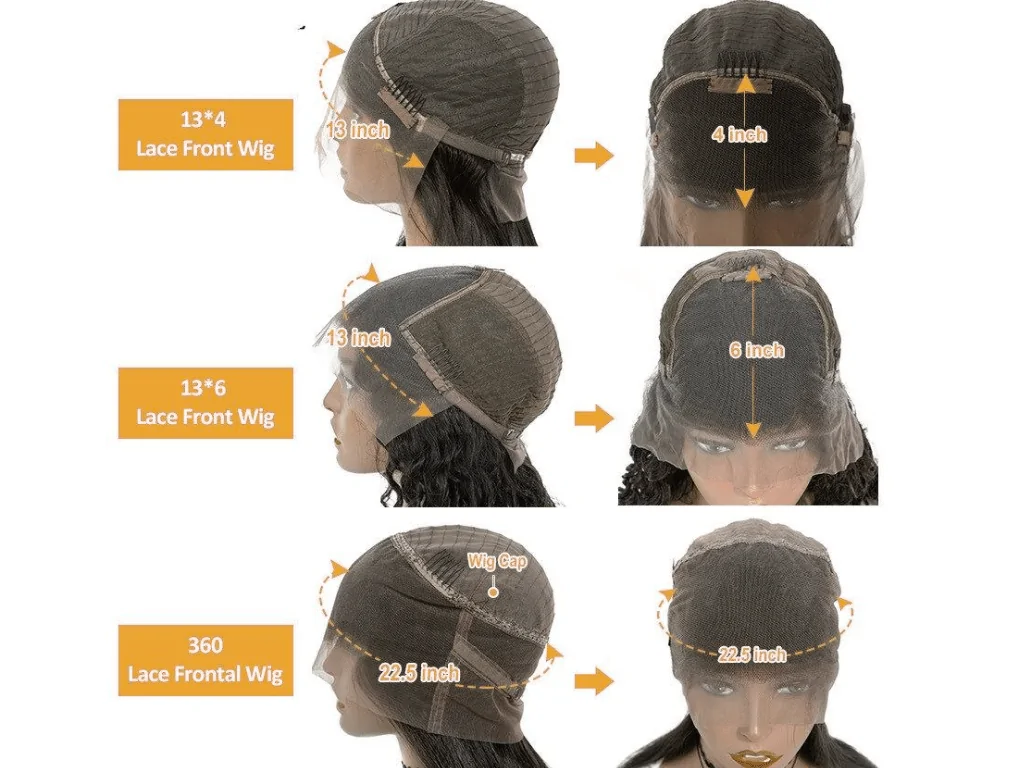
Features of a Lace Front Wig
-
Pre-plucked Hairline: Thinned out to look natural.
-
Bleached Knots: Lightened knots to resemble skin.
-
Density: Checking a wig density chart can help you decide if you want a natural 130% density or a glamorous 180% volume.
Choosing the Right Lace Front Wig for You
Selecting the perfect unit goes beyond just the hairstyle; it requires matching the technical specifications to your lifestyle and needs.
-
Hair Material: When comparing human hair wigs vs synthetic wigs, human hair is the superior choice. It is the “Gold Standard” for a reason: it offers unmatched realism, moves naturally, and lasts significantly longer (1+ years). unlike synthetic fibers, human hair gives you total freedom to heat-style, bleach, and dye the unit exactly like your own hair.
-
Lace Visibility: The lace must match your complexion. Understanding types of lace for wigs is crucial:
-
HD Lace: The thinnest, most invisible option suitable for all skin tones.
-
Transparent Lace: Best for lighter skin tones.
-
Medium Brown Lace: Ideal for darker skin tones.
-
-
Cap Size: A wig that is too tight causes headaches and hairline breakage, while one that is too loose will slide. Always measure your head circumference (average is 22–22.5 inches) to ensure a secure fit.
-
Density & Length: Refer to a wig density chart to determine volume; 130% is natural/standard, while 180% offers a glamorous, full look. Similarly, check a wig length chart to ensure the hair falls exactly where you desire.
Advantages and Disadvantages of lace front wigs
Like any beauty product, lace front wigs have their own advantages and disadvantages. It is important to understand both aspects to make the decision that best suits your needs and lifestyle.
Advantages of lace front wigs
Outstanding features of Lace Front Wig:
- Creates a natural hairline, the lace is thin and transparent which helping to hide the forehead
- Flexible styling – can be parted in the middle, askew or lightly tied as desired
- Breathable, light on the head – the lace helps the scalp to be cool and comfortable
- Can be glued or not – use elastic cord or fixed glue depending on needs
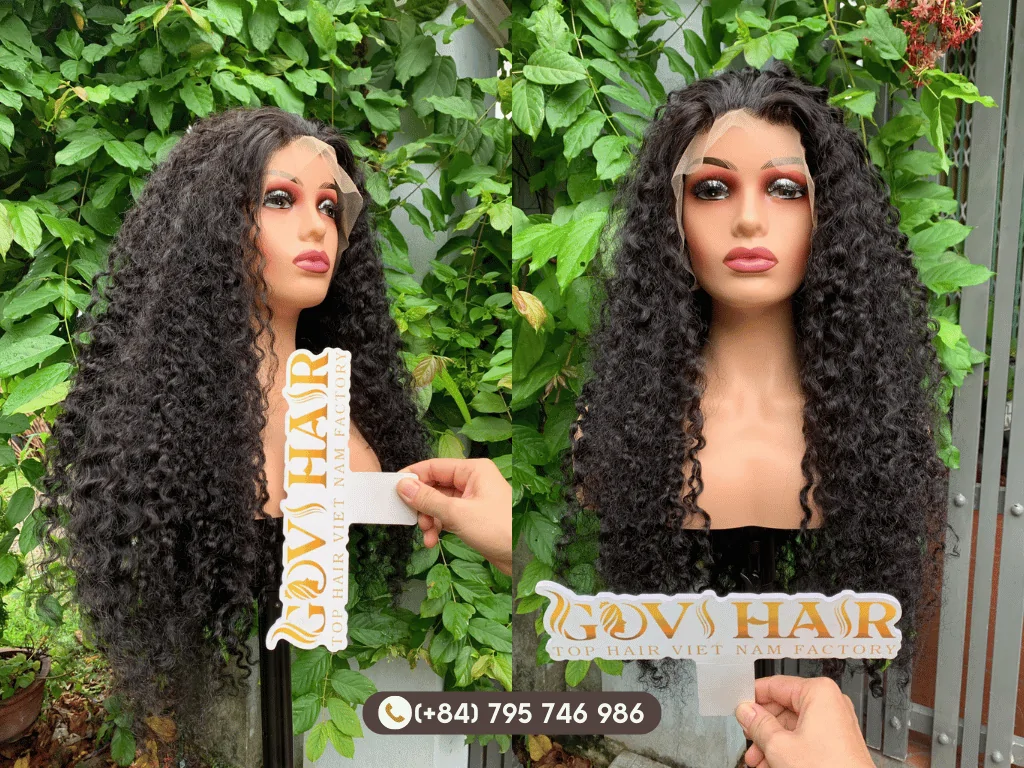
>> Explore more: Best 20+ Lace Frontal Wig Styles: The Ultimate Hair Goals List
Disadvantages of lace front wigs
Some common problems when using lace front wigs that users often encounter include:
- Sensitive scalp
- Wig that does not fit the head size
- Improper use or removal
People who are undergoing medical treatment or taking heavy medication often have more sensitive scalps, which are easily irritated by hard or rough materials. Experts recommend choosing specialized medical wigs suitable for sensitive scalps for these people.
How To Put On A Lace Front Wig
Choosing the wrong size wig can negatively affect the feeling when using it. A wig that is too small will put pressure on your real hair, leading to scalp pain and damage to the hair roots. On the contrary, if it is too large, the front edge of the wig will easily protrude, making it unnatural and causing uncomfortable friction. Therefore, measuring and choosing the right size is an extremely important step.
Many users choose glue or tape to fix the wig more firmly. However, using it incorrectly can cause serious consequences such as hair loss, scalp irritation or even damage to hair follicles. Remember the following points:
- Avoid applying glue or tape directly to real hair, as this can cause hair to be pulled out or damaged when removed.
- Do not remove the wig until the glue has completely softened, to avoid pain and damage to the scalp.

Customization And Styling Tips for Lace Front Wigs
Fresh out of the box, wigs can often look too dense and “perfect.” To make the unit look like it is growing directly from your scalp, follow these essential customization steps:
-
Cut the Lace in Zig-Zags: Avoid cutting the extra lace in a perfectly straight line. Instead, use small scissors to cut a jagged or wavy line along the hairline. This irregular edge blends much better with the skin.
-
Pluck the Hairline: Factory hairlines are often too thick. Use tweezers to carefully pluck hairs along the front to reduce density, creating a natural-looking gradient rather than a harsh “wall” of hair.
-
Conceal the Knots: The tiny black knots where the hair attaches to the lace can be visible. Dab a little foundation or concealer powder on the inside of the lace to make them mimic your scalp color.
-
Flatten the Top: To avoid a bulky or “wiggy” look at the crown, apply a wax stick and use a hot comb to press the hair flat against the head for a sleek, professional finish.
-
Style Baby Hairs: Trimming and swooping a few short baby hairs along the perimeter using edge control gel can effectively hide the lace edge and soften the overall look.
How To Take Care Of And Maintain A Lace Front Wig
Proper maintenance is the only way to extend the lifespan of your unit. Learning how to maintain a lace front wig correctly protects both the hair quality and the delicate lace structure.
Key Don’ts
-
Don’t Scratch: scratching the lace can rip the mesh and cause balding spots on the wig.
-
Don’t Oil the Roots: Avoid applying oils or heavy conditioners to the knots; this causes them to slip and loosen (shedding).
-
Don’t Use Hot Water: High heat damages the hair cuticle and can deform the cap. Always use lukewarm water.
Dealing with Discomfort
-
Itchiness: Always wash a new wig before wearing it to remove factory chemical residues.
-
Tightness: If the wig causes headaches, loosen the adjustable straps at the nape or use a velvet wig grip to secure the unit without tight tension.
Keep Your Lace Secure
-
Clean the Lace: Remove old glue residue after every wear using 99% isopropyl alcohol or lace remover. Buildup prevents a flat install.
-
Prep the Skin: Ensure your hairline is completely oil-free before applying fresh adhesive for a long-lasting hold.
Extra Tips
-
Storage: Knowing how to store wigs is vital; keep it on a mannequin head to maintain shape or in a satin bag to retain moisture.
-
Washing: Use sulfate-free shampoo. Gently squeeze water through the hair—never scrub or bunch it up.
-
Detangling: Use a wide-tooth comb and always brush from the ends moving upward to the roots to prevent breakage.

How Long Do Lace Front Wigs Last?
The lifespan of a lace front wig is determined by the hair materials and how it is cared for.
Human Hair Lace Front Wigs can last from 6 months to 1 year +, even up to 2 years with proper care. Because of real hair, they allow for heat styling, coloring, and everyday wear. But they also require regular washing, conditioning, and gentle treatment to maintain their natural look.
Synthetic Lace Front Wigs typically last 2 to 6 months with moderate use. Synthetic fibers hold hair well and require less maintenance, but are less durable and less heat-resistant.
Wig pricing
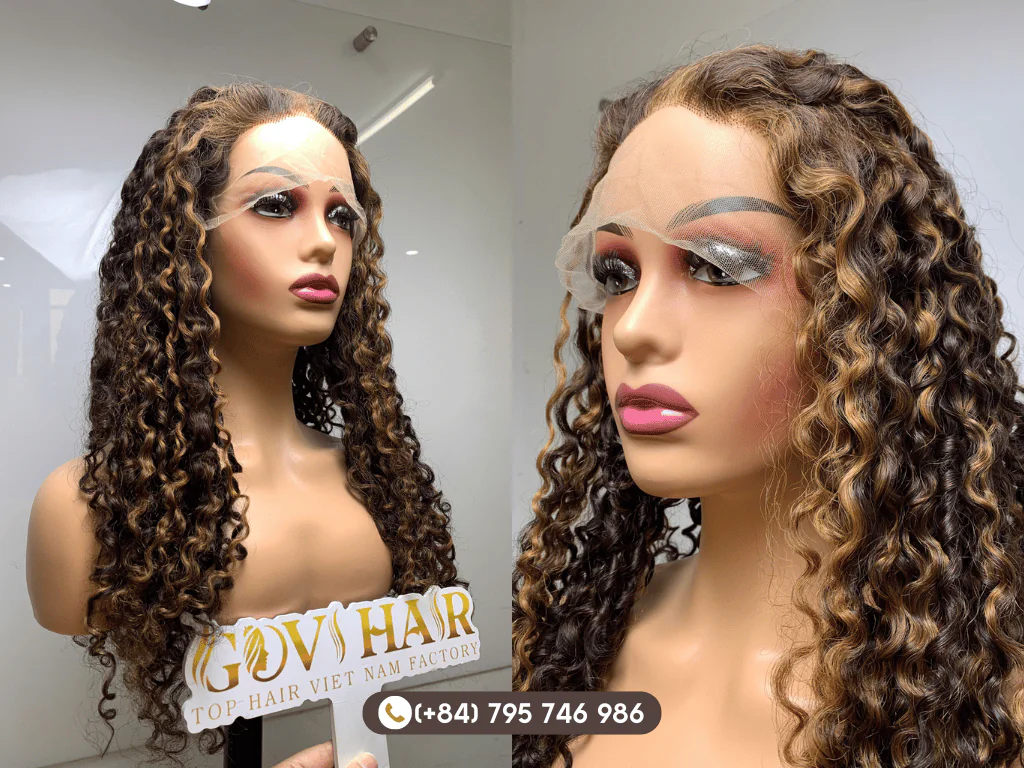
The prices of frontal wigs range from $150 – $500, depending on many factors such as hair material, thickness, length, etc.
At Govihair, you can own a lace front wig for only $21 with Vietnamese human hair material which is famous for its smoothness and softness.
Who Can Wear a Lace Front Wig?
Everyone! They are popular among celebrities for red carpet changes, patients suffering from alopecia or chemotherapy-induced hair loss, and women who simply want to change their look without damaging their natural hair.
Is It Safe to Shower While Wearing a Lace Front Wig?
It is not recommended. Water can loosen the adhesive, causing the wig to lift or slide. Furthermore, washing a wig while it is on your head can lead to severe tangling and matting. It is best to remove the unit to wash it properly on a mannequin head.
Where to Find Premium Lace Front Wigs?
Finding a vendor that truly balances quality with consistency can be challenging in a saturated market. This is where Govihair distinguishes itself. With years of expertise in the hair export industry, Govihair specializes in high-end human hair lace front wigs that prioritize realism and longevity.
Unlike generic suppliers, Govihair focuses on craftsmanship—offering undetectable HD lace and ethically sourced hair that retains its softness and shine wash after wash. Whether you are a salon owner looking for wholesale reliability or an individual seeking a custom-density unit that mimics your natural hairline perfectly, Govihair provides a trusted standard of luxury that ensures your investment is worth every penny.
FAQs
Can I sleep with a lace front wig?
You can, but it’s not recommended. Sleeping in a lace front wig may cause tangling and lace damage. If necessary, wear a shower cap, ponytail, and use a soft pillowcase to minimize friction.
How long does a lace wig stay glued?
With high-quality adhesive and proper application, a lace front wig can stay glued for up to 1–2 weeks. Longevity depends on your skin type, sweat level, and daily activity. Touch-ups may be needed for strong hold.
What is the best adhesive for lace front wigs?
The best adhesives include wig glue (like Ghost Bond or Bold Hold) for long-term wear, and wig tape for shorter. Choose an adhesive that suits your skin sensitivity and desired duration.
Conclusion
Lace front wigs are more than just a beauty product – they’re a way to express your confidence every day. If you want to give your clients a hairstyle that looks real, is comfortable, and lasts, then Govihair’s lace front wigs are the smart choice. Contact us if you have any further questions or want to place an order.
- WhatsApp: (+84) 795 746 986
- Email: [email protected]
- Instagram: govihair_vietnamhair_factory
- Tik Tok: govihairvietnam_official
- Website: govihair.com


 Ms. Rosie