

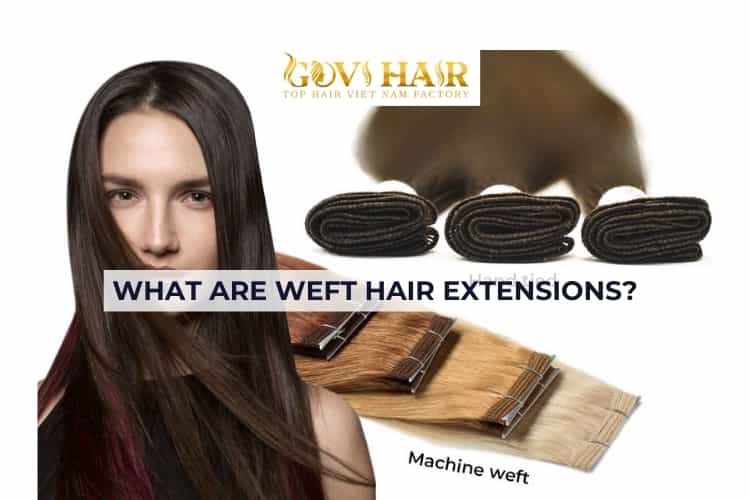
Dreaming of voluminous locks but your hair just won’t grow? You’re not alone. Weft extensions are a versatile solution for that celebrity look. Whether you are a salon pro or a newcomer, understanding what are weft hair extensions is crucial before investing. This guide from Govihair covers everything you need to know: from definitions, quality materials, and installation methods to maintenance tips and costs.
What Exactly Is a Weft?
Simply put, a hair weft is a continuous strip of hair where individual strands are securely attached to a thin track at the root. This structure allows you to apply a large section of hair at once, saving a significant amount of time compared to traditional strand-by-strand methods.
Wefts are the building blocks of many extension methods. They can be cut to size, layered for thickness, and applied using various techniques depending on your lifestyle and hair type.

Materials & Quality: Synthetic Hair vs Remy Hair
When shopping for wefts, the most critical decision you will make is choosing the hair material. This choice dictates how natural the hair looks, how long it lasts, and how you can style it.
-
Synthetic Hair: These are made from plastic fibers designed to mimic human hair. While they are budget-friendly, they often have an unnatural shine, cannot be heat-styled (curled or straightened), and have a much shorter lifespan.
-
Remy Human Hair: This is the gold standard. “Remy” means the hair cuticles are kept intact and aligned in the same direction from root to tip. This prevents tangling and matting. Remy hair looks completely natural, blends seamlessly with your own hair, and can be styled with heat tools just like your natural locks.
Recommendation: Ultimately, if you want a natural look that withstands daily styling and washing, Remy hair is the clear winner. To ensure you get authentic, long-lasting quality that justifies the investment, sourcing your extensions from a reputable provider like Govihair is the best way to guarantee that “gold standard” experience.
The Evolution of Weft Hair Extensions
Weft extensions are far from being a new trend. In fact, dating back to Ancient Egypt, sewn hair pieces were luxurious accessories used to signify status. While people in the past had to endure heavy, stifling wigs, this technique has completely evolved. Today, salons provide sophisticated types of weave hair that are so lightweight and natural, they look virtually ‘invisible’ on your scalp.
Why Choose Weft Extensions?(Pros and Cons)
Before committing, it is essential to weigh the benefits against the potential downsides.
Pros:
-
Volume and Length: Instant transformation for thin or short hair.
-
Versatility: Can be installed using multiple methods (sew-in, glue, clips).
-
Durability: High-quality wefts are robust and shed less than individual strands.
-
Cost-Effective: Generally more affordable per gram of hair compared to individual bonded extensions.
Cons:
-
Maintenance: Requires regular washing, brushing, and salon visits.
-
Weight: Heavy wefts can sometimes cause strain on very fine natural hair.
-
Drying Time: The weft track can take longer to dry than your natural scalp.
Different Types Of Weft Hair Extensions
When it comes to weft hair extensions, several types vary in terms of construction, application method, and overall appearance. Here are some common types of weft hair extensions:
Machine-Tied Wefts
Machine-tied wefts are made by sewing or machine-tightening strands of hair together in a horizontal line. They are typically thicker and less flexible compared to hand-tied wefts.

Hand-Tied Wefts
Hand-tied wefts are created by manually tying individual strands of hair together. This results in a thinner and more flexible weft that lies flatter against the scalp. Hand-tied wefts are known for their natural look.

Seamless Wefts
Seamless wefts are made using a unique sewing process that creates a thin, flat strip without a noticeable seam. These wefts lie flat against the head and are less prone to shedding.
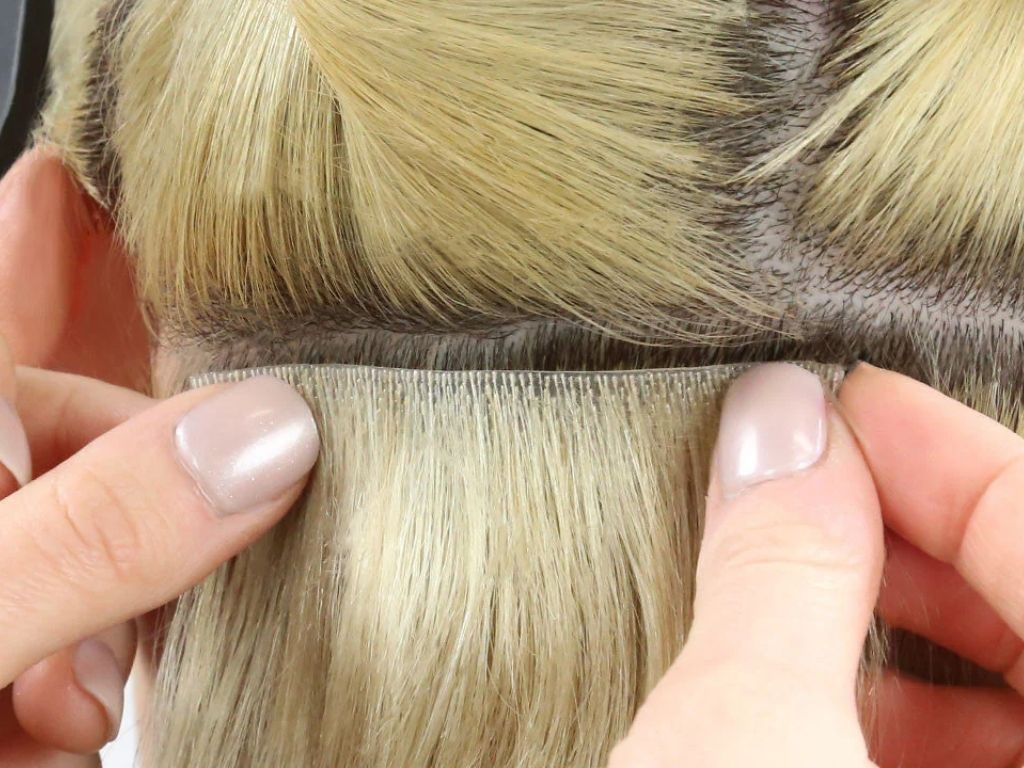
Injected Wefts
Injected wefts involve a process where hair is injected into a thin, flexible weft material. This creates a weft that is lightweight and flexible, providing a comfortable and natural feel.
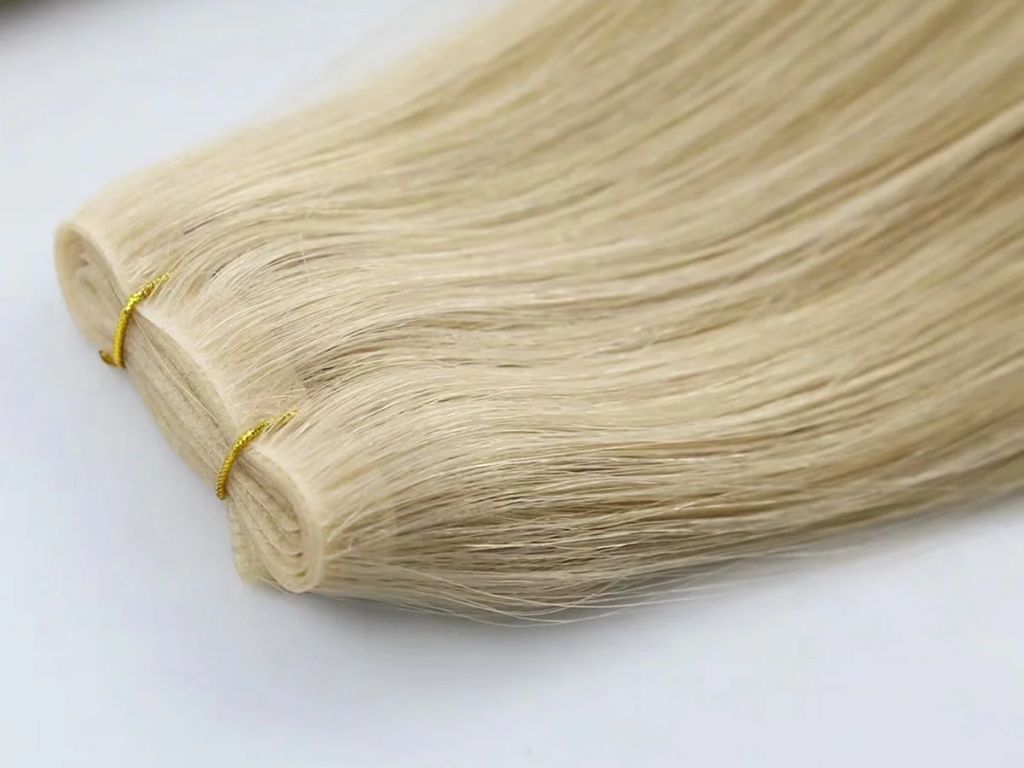
Braided Wefts
Braided wefts are attached by sewing the weft onto small, tight braids created in the natural hair. This method provides a secure and long-lasting attachment.
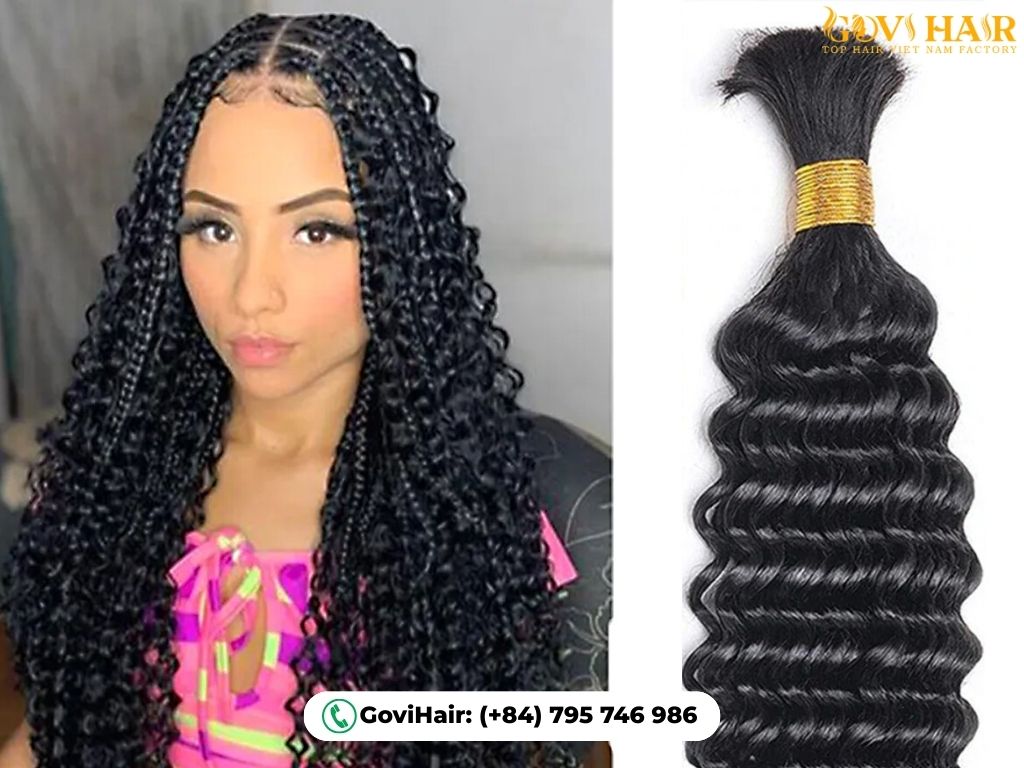
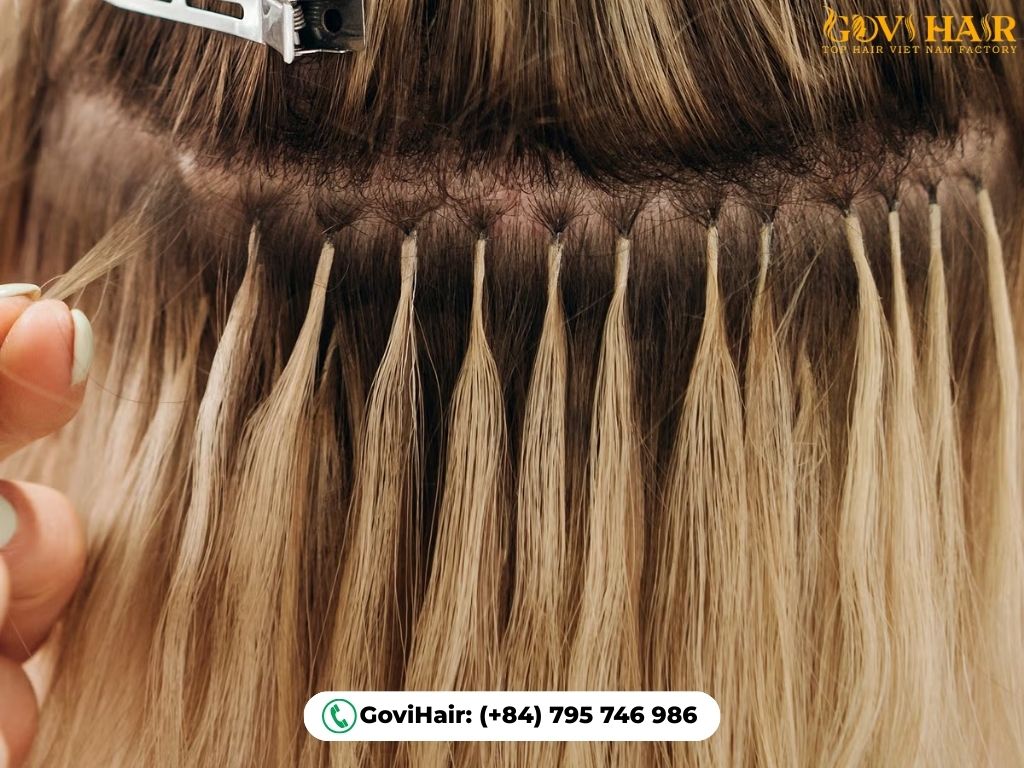
Micro-Link Wefts
Micro-link wefts involve attaching small sections of hair to the natural hair using tiny metal beads or links. This method provides a flexible and secure attachment.
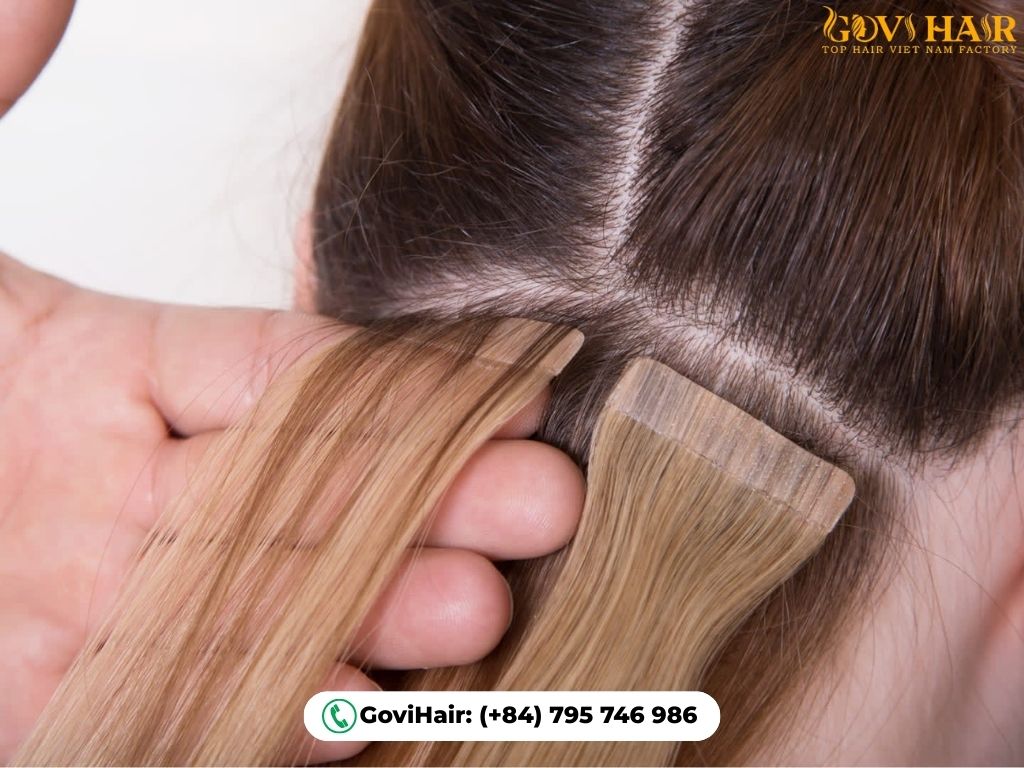
Glue-In Wefts
Glue-in wefts involve applying the weft to the natural hair using a specific bonding glue. This method provides a secure attachment, but removal can be more challenging.
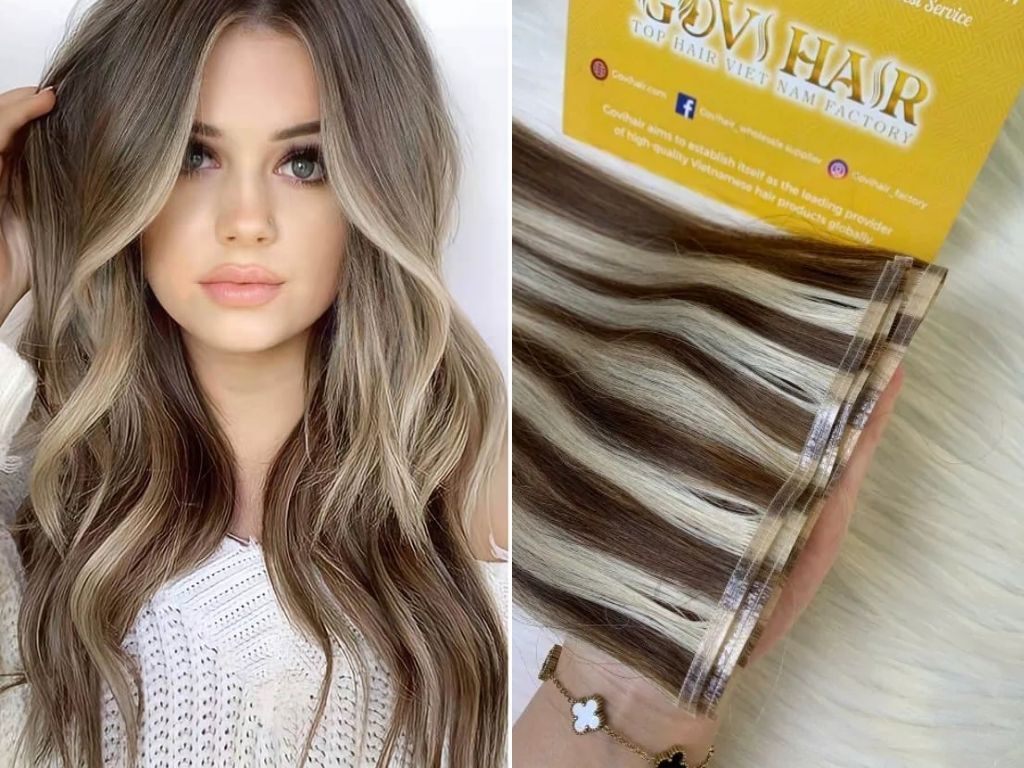
Flat-Tip Wefts
Flat-tip wefts feature a flat, pre-tipped attachment that is bonded to the natural hair using a heat application method. This provides a discreet and comfortable attachment.
Choosing The Right Weft For Your Hair Type
Selecting the correct weft construction is not just about preference; it is about protecting the integrity of your natural hair and matching your lifestyle. Here is how to choose based on your specific needs:
1. For Fine or Thin Hair
If your hair is fine, your main goal is to avoid bulkiness that can be seen through your hair or excessive weight that can damage your roots.
-
Best Options: Hand-Tied Wefts or Injected Wefts.
-
Why: When weighing the pros and cons of hand tied vs machine weft, the Hand-Tied option is superior for fine hair because the track is ultra-thin and lightweight. It lays flat against the scalp, making it invisible even in thin layers. Injected Wefts are also an excellent choice as they mimic the scalp for a “skin-like” appearance.
2. For Thick or Coarse Hair
Thick hair is strong enough to support heavier extensions and has enough natural density to hide thicker tracks. You need volume to match your own.
-
Best Options: Machine-Tied Wefts or Braided Wefts.
-
Why: Machine-Tied Wefts provide the necessary density and volume without needing to stack too many rows. Braided Wefts are also ideal here, as thick hair provides a strong foundation for the cornrows required in this sew-in method, ensuring a very secure hold.
3. For Sensitive Scalps & Maximum Comfort
If you have a sensitive scalp or simply hate the feeling of “ridges” against your head, you need something smooth.
-
Best Options: Seamless Wefts or Flat-Tip Wefts.
-
Why: The flat construction eliminates the bulkiness often found in traditional threads, reducing friction and scalp irritation. They offer a smooth, comfortable feel that makes sleeping and washing much easier.
4. For Active Lifestyles & Flexibility
For those who hit the gym often or want their hair to move freely without feeling stiff.
-
Best Option: Micro-Link Wefts.
-
Why: This method attaches small sections of the weft using tiny beads rather than a rigid track or braid. This allows for better airflow to the scalp (great for sweat) and offers 360-degree flexibility, reducing tension during movement.
5. For Temporary Styling (Special Occasions)
If you are looking for a quick fix for a weekend event and don’t want a long-term commitment.
-
Best Option: Glue-In Wefts.
-
Why: This is the fastest application method. While not recommended for long-term wear due to potential residue, it is perfect for a short-term volume boost for a wedding or party.
Weft Hair Extensions Methods of Application
One of the biggest advantages of wefts is their versatility. A professional stylist can recommend the ideal weave installation technique based on your hair goals and lifestyle. Here are the most common application methods:
Glue-in Extensions
This method involves applying a liquid bonding adhesive directly to the track of the weft. The weft is then pressed onto the natural hair just below the roots. It is a quick way to add volume for a short period, though care must be taken during removal to avoid residue.
Clip-In Extensions
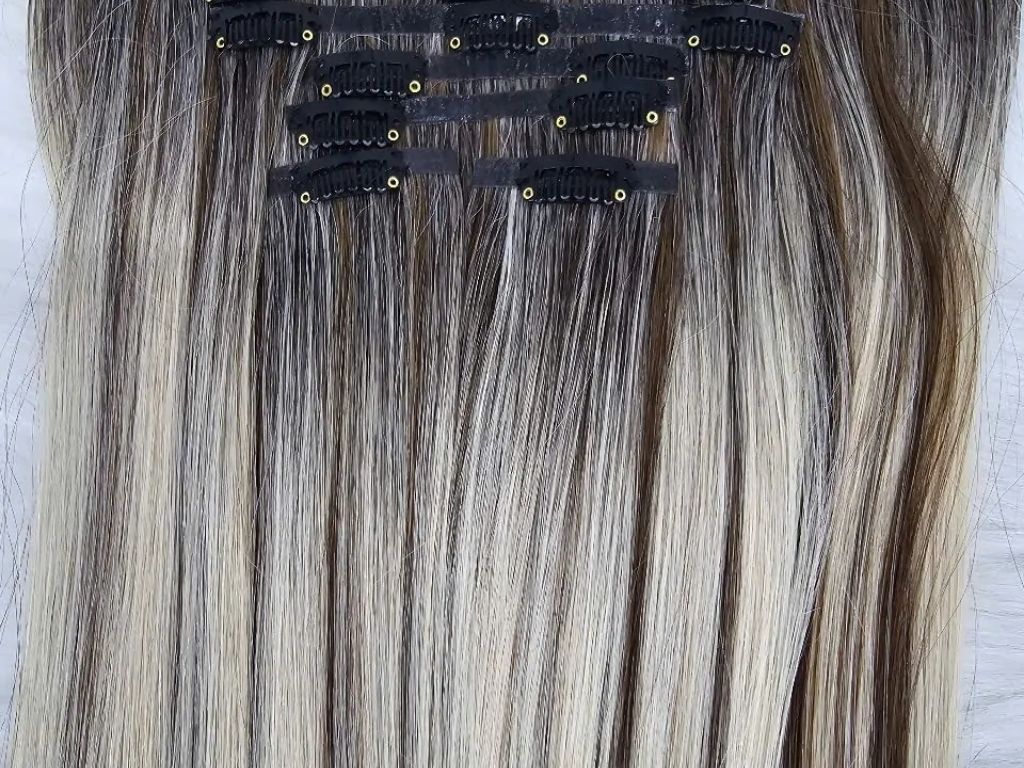
These are the most temporary and DIY-friendly option. Small pressure-sensitive clips are sewn onto the weft, allowing you to snap the extensions in and out of your hair daily. They offer instant volume without any long-term commitment.
Sew-In Extensions
Often referred to as a traditional weave, this method requires the natural hair to be braided into cornrows first. The weft is then sewn onto these braids using a needle and thread. This creates a very secure foundation that keeps the hair in place for several weeks.
Tape-In Extensions
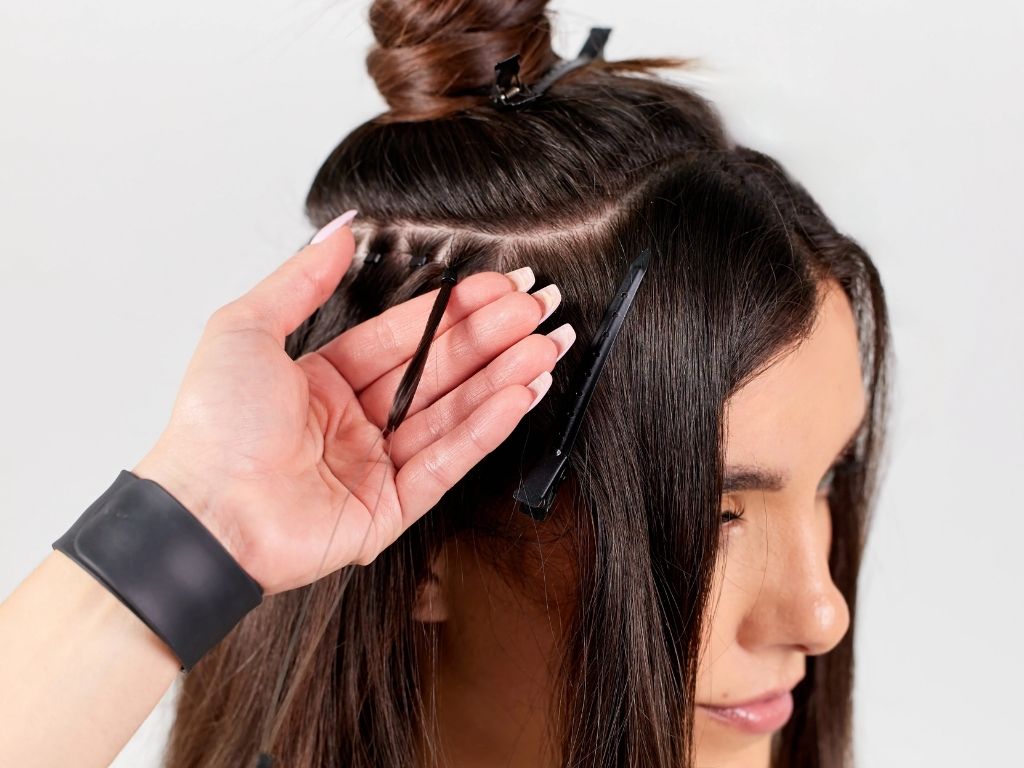
This technique uses thin wefts with pre-taped strips. A small section of your natural hair is “sandwiched” between two weft strips. They are known for lying extremely flat against the head, making them comfortable and virtually undetectable.
Bond Hair Extensions
Similar to glue-ins but using a stronger, often keratin-based or latex resin. The weft track is bonded to the hair strands for a semi-permanent hold. This offers a longer wear time than standard glue but requires professional removal to maintain hair health.
Micro Link Extensions
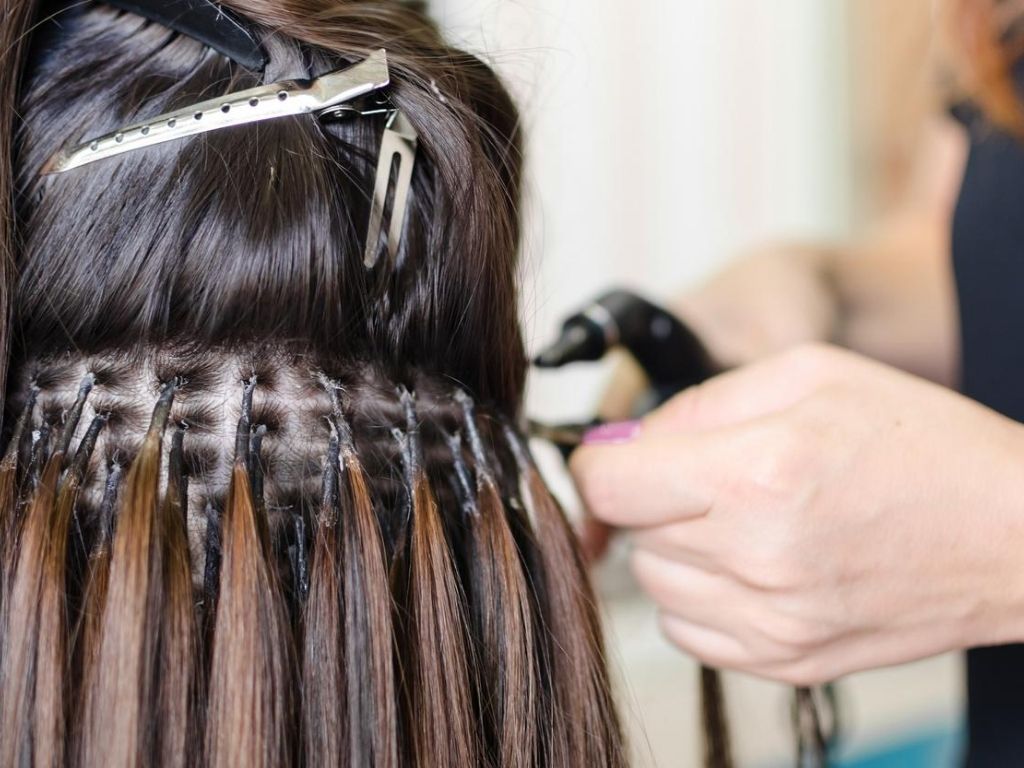
Also known as the “Braidless Sew-in,” this method attaches the weft to the natural hair using tiny, silicone-lined metal beads or links. The natural hair is pulled through the bead along with the weft, and clamped shut. It involves no heat, glue, or braids, offering great flexibility and airflow.
How To Install Weft Hair Extensions
Installing weft hair extensions generally involves attaching the wefts to your natural hair securely. The installation process may vary depending on the type of weft extensions and the attachment method you choose. Here’s a general guide for installing weft hair extensions:
Prepare Your Natural Hair
Start with clean, dry hair. It’s recommended to wash and dry your hair before installing weft extensions.
Section Your Hair
Use a rat-tail comb to section your hair horizontally, creating a clean and even parting along the back of your head where you plan to install the wefts.
Secure the Top Section
Use hair ties or clips to secure the top section of your hair, keeping it out of the way while you work on the lower sections.
Prepare the Weft Extensions
If the weft extensions are not pre-cut to fit your head, measure and cut them accordingly. Make sure to leave a little extra on each end for better blending.
Apply Attachment Material
The method of attachment will depend on the type of weft and your preference. Common attachment methods include:
- Sewing: Braid a small section of your natural hair and sew the weft along the braid.
- Glue: Apply a small amount of hair glue to the weft and press it onto your natural hair.
- Tape: Use double-sided tape on the weft and sandwich it between sections of your natural hair.
- Micro Rings: Thread a small section of your natural hair through a micro ring, slide the weft through, and secure the ring.
Secure Wefts Row by Row
Work in rows, attaching one weft at a time. Ensure that each weft is securely attached before moving on to the next row.
Blend and Style
Once all the wefts are attached, blend your natural hair with the extensions by combing them together. Style as desired, using heat tools if the extensions are made of human hair.

Final Checks
Ensure that all wefts are securely attached and blend seamlessly with your natural hair. Make any necessary adjustments.
The Difference Between Weft Hair Extensions and Other Types
Weft hair extensions differ from other types of hair extensions in terms of construction, attachment methods, and overall application. Here’s a comparison between weft hair extensions and some other common types:
| Weft hair extensions | Tape-In Extensions | Clip-In Hair Extensions | Bond Hair Extensions | |
| Construction | Wefts are created by sewing or machine-tightening strands of hair together in a horizontal line. | Thin wefts of hair are attached to the natural hair using double-sided tape. | Wefts with clips attached for easy, temporary attachment | Individual strands of hair with a bonding material (e.g., keratin glue) |
| Attachment Method | Sewn onto braided natural hair, glued, or attached with micro rings. | Attached by sandwiching sections of natural hair between two adhesive tape strips solution. | Clipped onto sections of natural hair, providing a temporary solution. | Bonded to natural hair using a bonding material, often near the roots. |
Do Weft Extensions Damage Your Hair?
When installed correctly by a professional, wefts are completely safe. Damage is rarely caused by the extensions themselves, but rather by bad habits:
-
Too Much Tension: The stylist braided or beaded the hair too tightly, pulling on your roots.
-
Neglect: Failing to brush or wash the roots, causing them to mat and tangle.
-
Improper Removal: Yanking or ripping the extensions out at home instead of visiting a salon.
How Do You Maintain Weft Extensions?
Proper care extends the life of your hair.
-
Brushing: Use a loop brush or wide-tooth comb. Start from ends and work up.
-
Washing: Sulfate-free shampoo is a must. Wash gently without scrubbing the tracks.
-
Sleeping: Braid your hair or use a silk bonnet to prevent tangling.
-
Heat: Use heat protectant spray always.
How Much Do Weft Extensions Cost?
The price isn’t fixed, t depends on whether you want a quick fix or a luxury investment. When asking how much are weft hair extensions, you need to separate the cost of the hair from the cost of the service:
-
The Hair Cost (Materials):
-
Synthetic ($20 – $50): Very cheap but temporary. Ideal for a one-time event.
-
Remy Human Hair ($80 – $300+): A higher upfront cost, but the hair is soft, style-able, and reusable for up to a year.
-
-
The Installation Fee (Labor):
-
Salon Service ($100 – $600+): This pays for the stylist’s time and skill. A basic sew-in is more affordable, while invisible hand-tied methods take hours and cost more.
-
In total, for a full head of high-quality hair professionally installed, expect to budget between $300 and $900.
How Long Do Weft Extensions Last?
To accurately answer how long do weft hair extensions last, we need to look at two separate timelines: the lifespan of the hair bundles themselves and how long the application stays secure on your head.
-
The Hair Lifespan (Reusability): If you invest in high-quality Remy hair and maintain it well, the hair bundles are reusable. You can take them out and have them re-installed multiple times, lasting anywhere from 6 to 12 months.
-
The Wear Time (Maintenance Cycle): This is how long you can go before visiting the salon for a touch-up or removal because your natural hair has grown out.
-
Temporary: Glue-ins are designed for short-term wear (1-2 weeks).
-
Semi-Permanent: Tape-ins, Sew-ins, and Micro-links typically last 6 to 10 weeks. After this period, the extensions become loose and need to be moved up.
-
A frequent question is how long do a sew in last specifically. While it is one of the most durable methods, you should never keep a sew-in installed for more than 3 months (12 weeks). Exceeding this time can cause your natural hair to mat at the roots and prevents your scalp from breathing properly.
Where To Buy Quality Weft Hair Extensions
Choosing a bad hair vendor can lead to a range of issues, including poor-quality hair extensions that lack durability and natural appearance. Bad vendors may engage in unethical sourcing practices, compromising the integrity of their products. Clients may experience dissatisfaction, and stylists could face challenges in providing reliable services. So considering hair vendors carefully is very important.
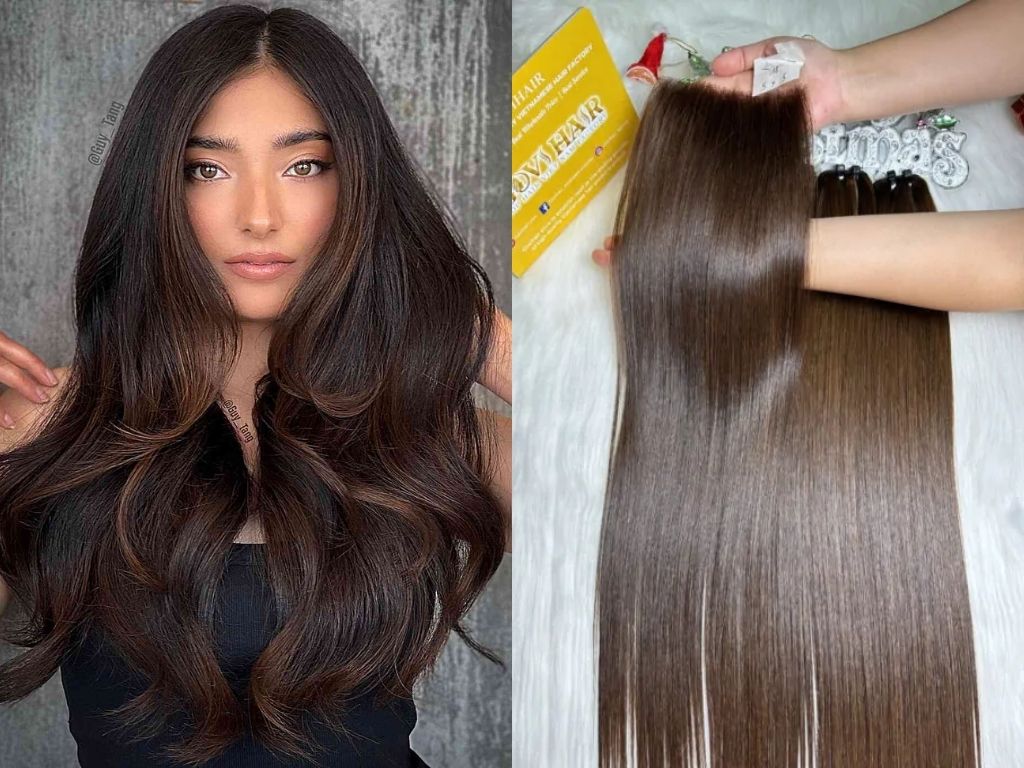
Govihair is one of the most trustworthy sellers of 100% human hair extensions in Vietnam. We sell weft hair extensions made completely of Vietnamese human hair. Having created artificial hair for more than 20 years, we are sure of the quality of what we provide. Here are our contact details:
- WhatsApp: (+84) 795 746 986
- Email: [email protected]
- Instagram: govihair_vietnamhair_factory
- TikTok: govihairvietnam_official
- Website: govihair.com
FAQs
What are weft hair extensions used for?
Weft hair extensions are mainly used to add extra length, volume, and fullness to natural hair. Depending on how they are installed, weft hair extensions can also be used to correct uneven haircuts, fill in thinning areas, or create a fuller, more glamorous style for photoshoots, events, and everyday wear.
Are weft hair extensions good for thin or fine hair?
Yes, but the right weft type matters. For thin or fine hair, hand-tied wefts, feather wefts, or genius wefts are ideal because they are extremely thin, lightweight, and lay flat against the scalp. Machine weft hair extensions are better for clients with thicker natural hair that can support more weight.
How long do weft hair extensions last?
With high-quality human hair and proper installation, a set of weft hair extensions can last from 6–12 months or even longer, depending on how often they are worn and how well they are cared for. However, the rows themselves usually need to be moved up every 6–8 weeks as your natural hair grows.
Do weft hair extensions damage your hair?
When applied by a trained stylist and maintained correctly, weft hair extensions are considered one of the safer, more stable methods. Damage usually occurs only if the wefts are too heavy for the client’s natural hair, installed incorrectly, or left in for too long without maintenance.
What is the difference between machine weft and hand-tied weft hair extensions?
Machine weft hair extensions are thicker, more durable, and easy to cut, making them perfect for salons and wholesale buyers. Hand-tied wefts are thinner and more flexible, lying flatter on the scalp and creating the most natural look — ideal for clients who want invisible, lightweight extensions.
Conclusion
Now that you understand exactly what are weft hair extensions, you are ready to transform your look with confidence. Remember, the key to a flawless, long-lasting result lies in choosing high-quality Remy hair and the right installation method. For premium extensions that blend perfectly with your natural locks and offer the durability you deserve, trust your hair transformation to Govihair.


 Ms. Victoria