

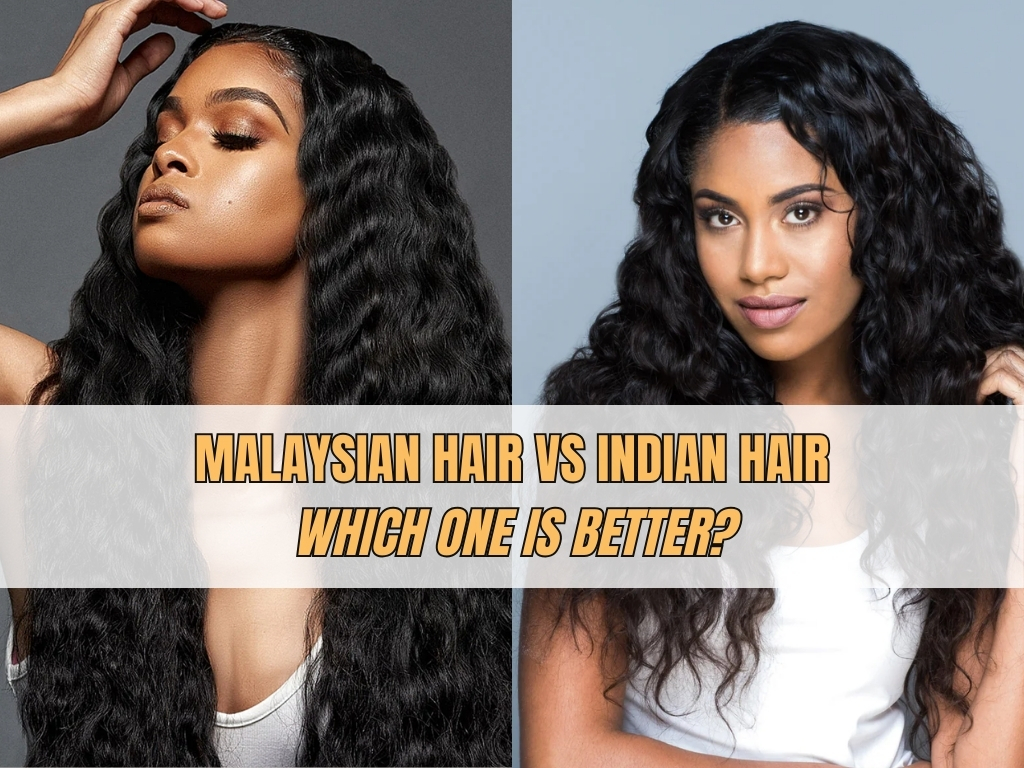
When searching for Malaysian hair vs Indian hair, many buyers wonder which hair type is the better choice for their needs and budget. Both Malaysian hair and Indian hair are widely used in the global wig and hair extension industry because of their reliable quality and versatility. However, each hair type differs in texture, durability, styling performance, and price. Govihair will help you clearly understand the differences so you can choose the option that best suits your personal use or business goals.
What Is Malaysian Hair?
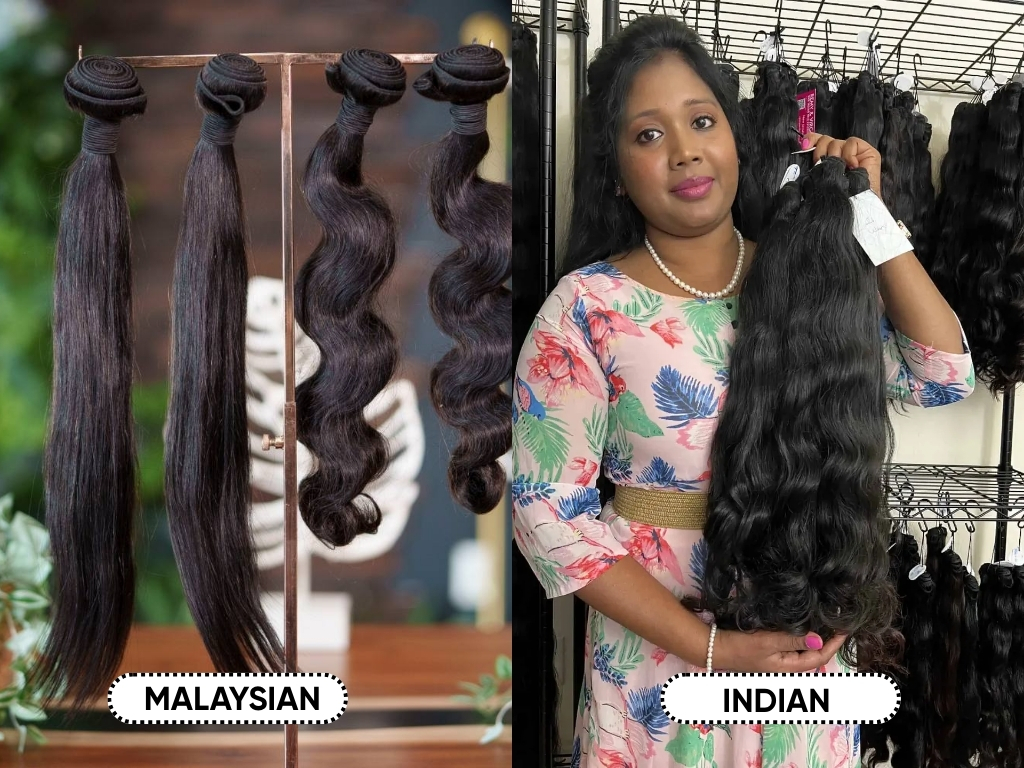
Malaysian Hair is well known in the international market for its soft strands, natural flow, and thick, shiny appearance. It is often associated with luxury and high-fashion styles because of its polished and voluminous look. Many users prefer Malaysian Hair when they want a fuller appearance that still feels smooth and refined.
Origin of Malaysian Hair
Malaysian Hair originates from Southeast Asia. In the global market, this hair is usually collected from regional donors and then carefully processed to meet commercial standards. Because the natural supply is limited, Malaysian Hair is often refined to achieve consistency in texture, thickness, and appearance. This controlled processing contributes to its sleek finish and uniform quality, which is highly valued by salons and premium hair brands.
Key Characteristics of Malaysian Hair
Malaysian Hair is characterized by smooth hair strands with minimal frizz, giving it a neat and elegant appearance. It has a good natural flow that makes the hair look fuller and more voluminous, even without heavy styling. This hair type holds styles well when curled or straightened, making it suitable for glamorous looks that need to last. Due to these qualities, Malaysian Hair is especially popular in the United States, Europe, and the Middle East, where demand for luxury hair products is high.
What Is Indian Hair?
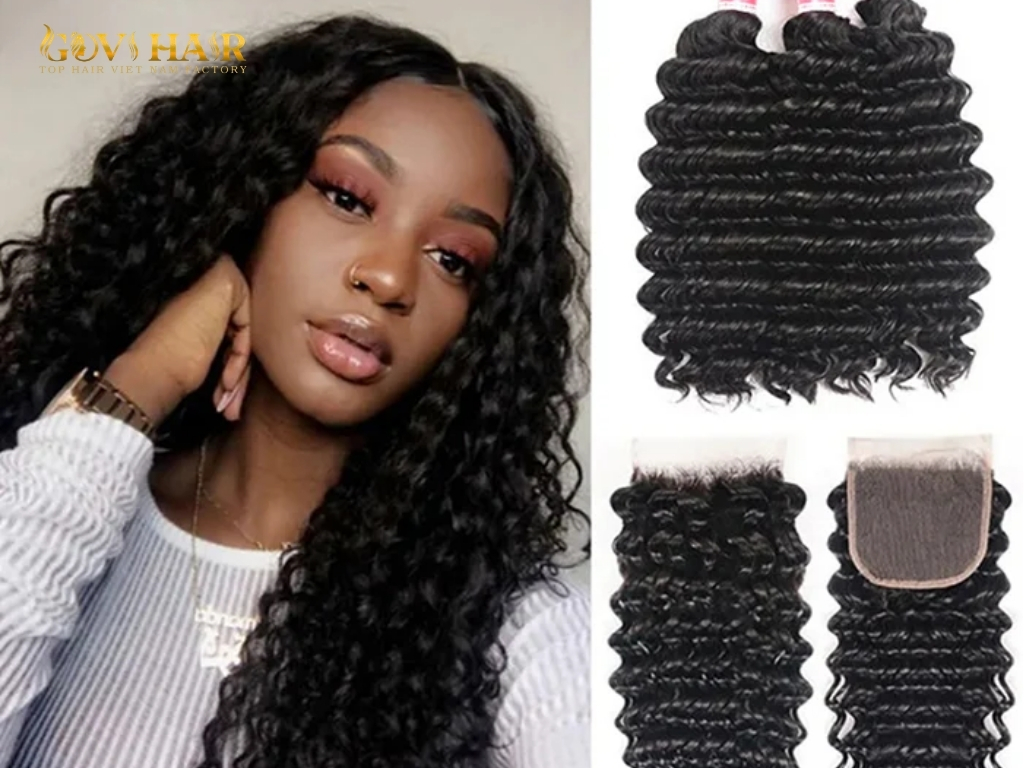
Indian Hair is one of the most widely used hair types in the world. It is appreciated for its softness, lightweight feel, and exceptional styling flexibility. Indian Hair is often chosen by users who want a natural look that can easily adapt to different hairstyles, from everyday wear to custom-colored designs.
Origin of Indian Hair
The origin of Indian Hair is primarily linked to India, where a large portion of the hair supply comes from temple donations. In these religious practices, hair is voluntarily shaved and collected, often in its virgin state. This hair is then sorted and processed for use in wigs and extensions. Because India has a very large and consistent hair supply, Indian Hair is readily available in many grades and textures, making it accessible to both retail and wholesale buyers.
Key Characteristics of Indian Hair
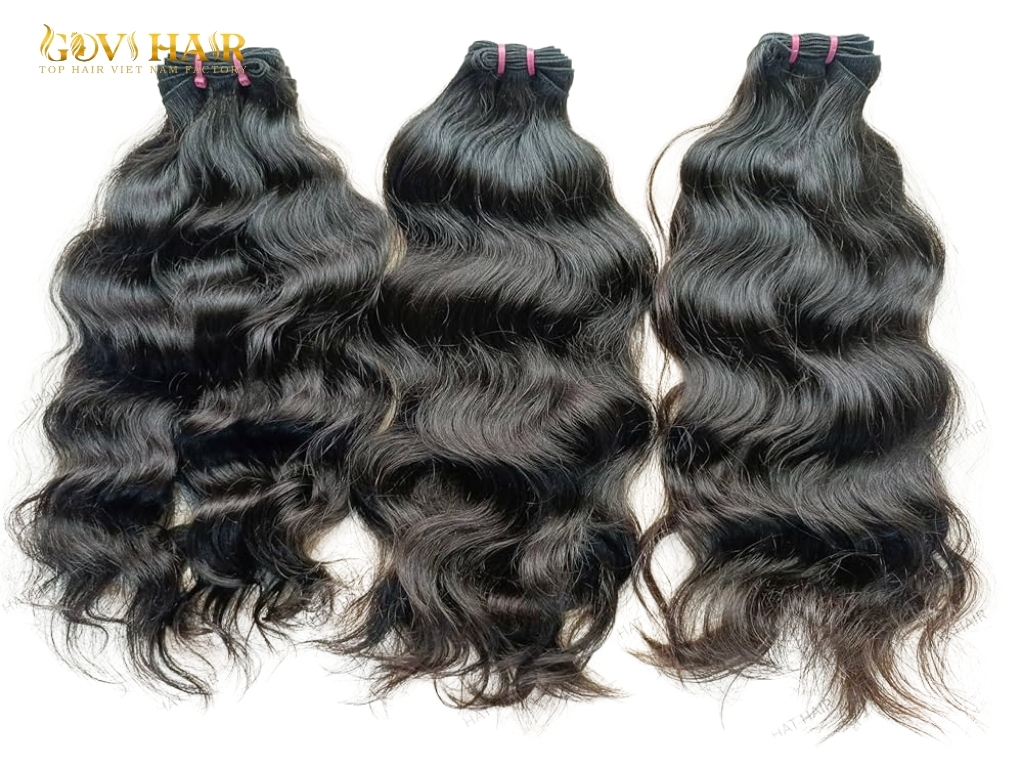
Indian Hair typically has fine and lightweight strands, which allows it to move naturally and blend well with the wearer’s own hair. It is easy to style into many textures, ranging from straight to wavy and curly, which adds to its versatility. The overall look of Indian Hair is very natural, making it a popular choice for daily wear and for clients who prefer a softer appearance. This hair type is widely used in the United States, Africa, and Asia, where flexibility and natural blending are key priorities.
Malaysian vs Indian Hair: Similarities
When comparing Malaysian hair vs Indian hair, it is important to first understand what these two hair types have in common. Both Malaysian hair and Indian hair belong to the Asian hair category, which means they generally share dark natural colors, strong hair fibers, and good adaptability for wig and extension production. In their natural state, both hair types are predominantly black or dark brown due to high melanin content, which contributes to their healthy appearance and resistance to breakage.
Another similarity between Malaysian and Indian hair lies in their versatility for processing. Both hair types can be straightened, curled, or lightly dyed when sourced and handled properly. They are widely used across the global market for wefts, closures, frontals, and wigs because they blend well with many natural hair textures. For wholesalers and salons, both Malaysian and Indian hair are commercially viable options that can be adapted to meet different styling trends and customer preferences.
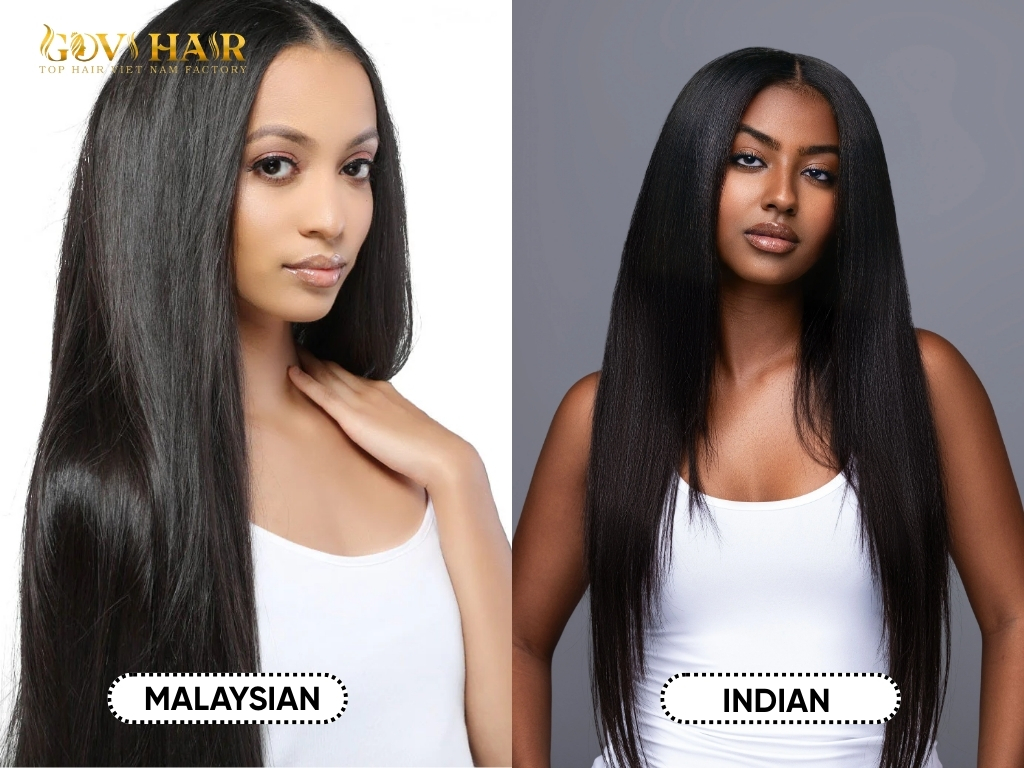
Quality Comparison: Malaysian vs Indian Hair
Despite their similarities, clear differences appear when looking closely at performance and structure in the Malaysian hair vs Indian hair comparison.
Texture & Density
Malaysian hair has thicker strands and a heavier density, giving it a smooth, silky, and voluminous appearance. It feels fuller and more luxurious, even with fewer bundles. Indian hair, by contrast, has finer strands and a lighter density. It feels airy and soft, offering more natural movement and an effortless look that blends easily with natural hair.
Durability
In terms of durability, Malaysian hair is strong and resistant to tangling, especially in the short to medium term. However, because it is often processed for consistency, heavy chemical treatments can shorten its lifespan. Indian hair, particularly raw or temple hair, is known for long-term durability. With proper care, it can last longer and withstand frequent styling and washing.
Styling & Curl Retention
Malaysian hair performs very well in holding curls and structured styles. Curls tend to stay defined for a long time, even after washing. Indian hair is more flexible for styling and coloring, but its curls usually loosen faster, resulting in a softer, more natural wave rather than a tight curl.
Consistency
Malaysian hair is generally more consistent in texture and appearance because it is carefully selected and processed. Indian hair can vary more due to multiple donor sources, making quality highly dependent on how and where the hair is sourced.
Diversity
When it comes to diversity, Indian hair offers a wider range of textures and grades thanks to its abundant supply. Malaysian hair has a more limited natural range but is valued for its polished and uniform look.
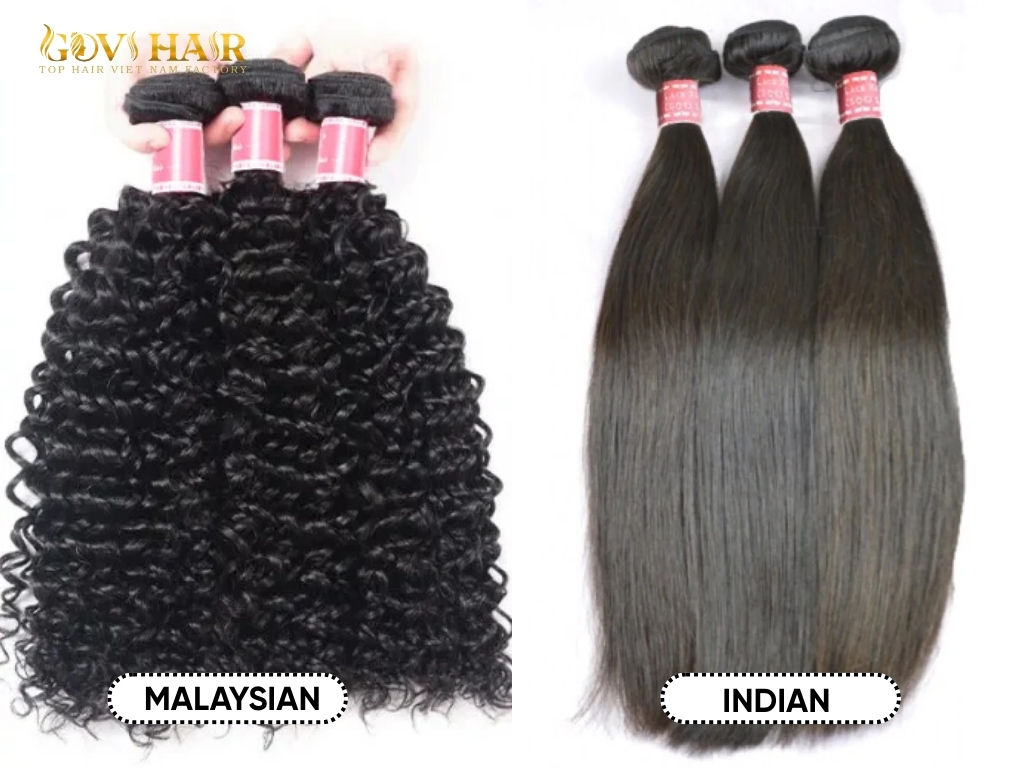
Scale Production Comparison: Malaysian Hair vs Indian Hair
Malaysian hair and Indian hair follow very different production models, shaped by local supply conditions, industry maturity, and global manufacturing networks.
Malaysian Hair Production
Malaysian hair production operates on a relatively limited domestic scale. Malaysia does not have a large, centralized hair collection or manufacturing industry comparable to major global hair hubs. Most hair associated with Malaysian hair is collected in small quantities from Southeast Asia and then exported to other countries, primarily China, for large-scale processing and finishing.
Within Malaysia itself, hair-related operations are typically small workshops, collection points, or trading warehouses rather than full industrial factories. Sorting, cleaning, and initial handling are often done manually. Because local production capacity is limited, Malaysian hair cannot easily support massive or continuous raw supply. This is one reason why Malaysian hair is often positioned as a more premium product in the global market.
To meet international demand, much of the hair sold as Malaysian hair is processed abroad using modern machinery and mass-production systems. Advanced equipment is used to standardize texture, enhance shine, and create uniform curl or straight patterns. While this process results in visually consistent and attractive products, it also means Malaysian hair is frequently more processed than buyers might expect. From a scale perspective, Malaysian hair relies heavily on global supply chains rather than domestic industrial production.
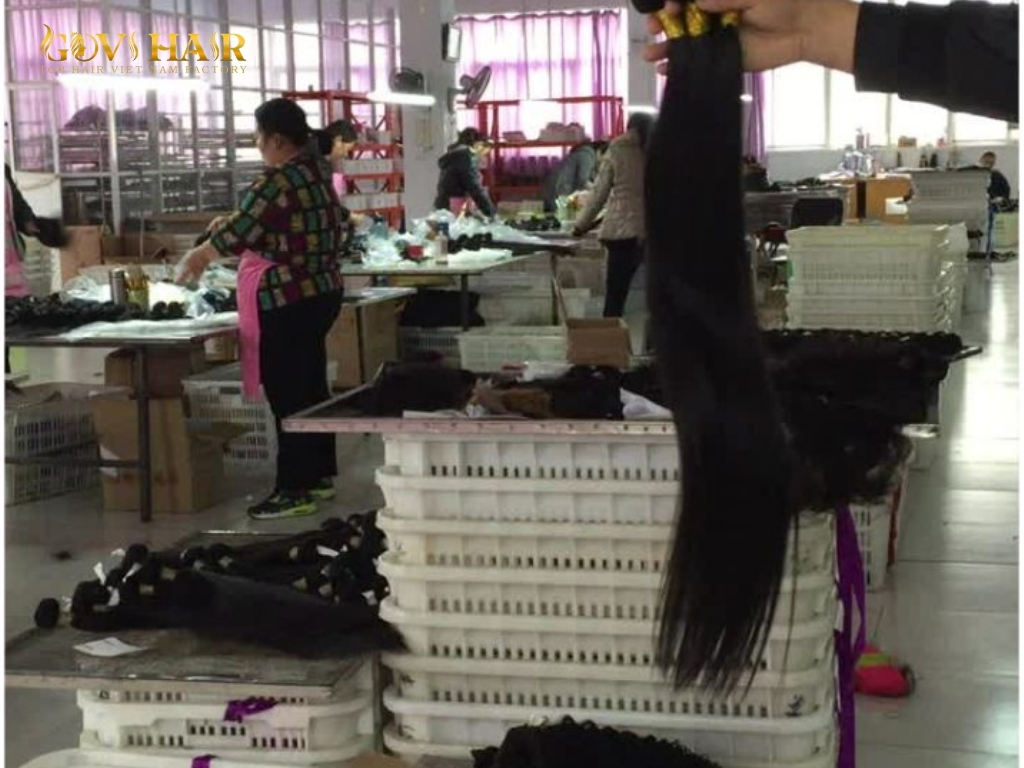
Indian Hair Production
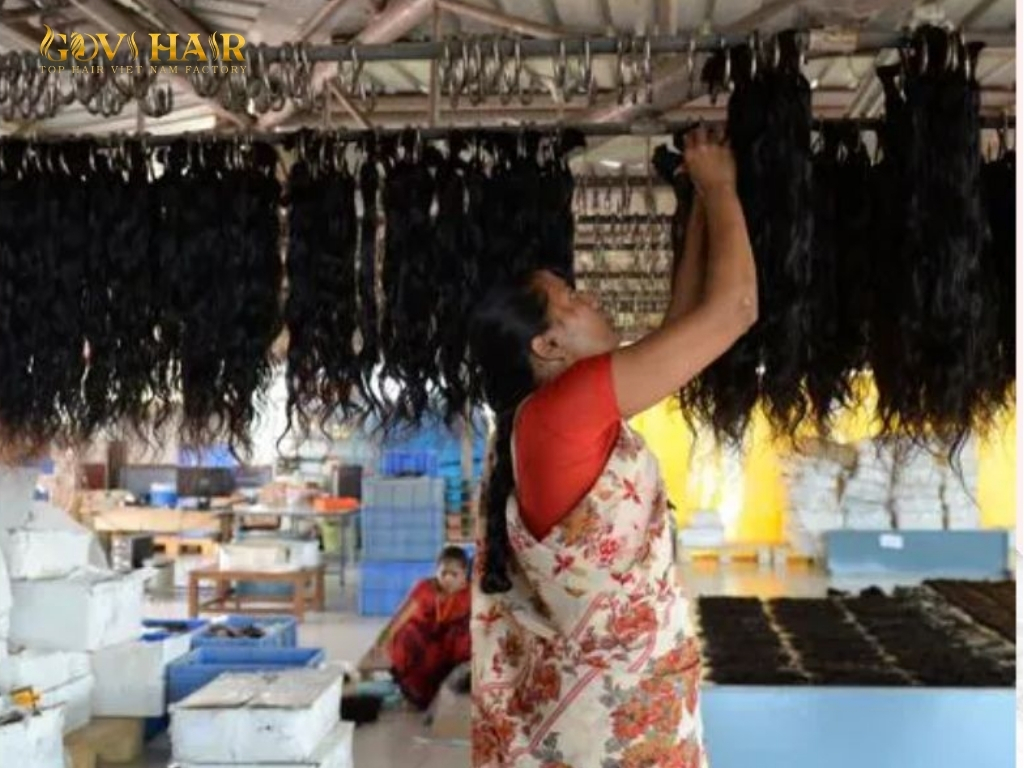
Indian hair production is built on one of the largest and most established hair supply systems in the world. India benefits from an abundant and continuous source of human hair, largely driven by temple donations as well as widespread personal grooming practices. This massive availability allows Indian hair factories to operate at a significantly larger scale than those associated with Malaysian hair.
Hair factories in India handle enormous volumes of raw hair, with most stages of processing still performed manually. Sorting, cleaning, and aligning hair are often done by skilled workers rather than fully automated systems. While this limits uniformity compared to machine-driven production, it allows factories to preserve the natural strength of the hair, especially when working with temple-sourced hair.
Because of the sheer volume of supply, Indian hair factories can maintain large inventories and fulfill bulk orders quickly. This makes Indian hair especially attractive for wholesalers and large distributors who require stable stock and predictable lead times. Similar to Malaysian hair, a portion of raw Indian hair is also exported to other countries, including China, for further processing and finishing, particularly for lower-grade or mixed-source hair.
Price Comparison: Malaysian vs Indian Hair
When comparing Malaysian hair vs Indian hair, price is a key factor that strongly influences buying decisions.
Malaysian hair extensions are known for stable pricing and a good balance between cost and quality. With a steady supply, Malaysian hair weft bundles typically start from around 8 USD, while clip-in hair extensions begin at approximately 11 USD per bundle. This places Malaysian hair in the mid-price segment, appealing to buyers who want consistent quality at a reasonable cost.
Indian hair is one of the cheapest hair types on the global market due to its abundant supply and low labor costs. Human hair weft bundles can start from about 6 USD, and clip-in hair extensions from around 10 USD per bundle. This strong pricing advantage makes Indian hair ideal for buyers who need large quantities at the lowest possible cost.
In short, Indian hair is best for bulk purchasing on a tight budget, while Malaysian hair suits those who are willing to pay slightly more for better quality and price stability.
Malaysian vs Indian Hair: Which One Is Better for You?
When choosing between Malaysian hair vs Indian hair, the best option depends on your personal needs, styling habits, and budget rather than one hair type being universally better. Both Malaysian hair and Indian hair are widely used in wigs and hair extensions, but they perform differently in real-life wear.
| Feature | Malaysian Hair | Indian Hair |
| Texture | Silky, smooth, thick | Soft, lightweight, natural wave |
| Shine | High, polished look | Natural, low–medium shine |
| Curl Hold | Excellent | Moderate |
| Durability | Medium–high | High |
| Styling | Best for glam styles | Very versatile |
| Price | Higher | More affordable |
| Best For | Volume & luxury looks | Natural, long-term wear |
Malaysian hair is known for its silky texture, heavier feel, and high shine. It gives a fuller, more polished appearance and holds curls extremely well, making it ideal for glamorous styles and volume-focused looks. This hair type is often chosen by people who want a smooth, luxurious finish with minimal daily styling.
Indian hair, on the other hand, is lighter and more natural in movement. It blends easily with many hair textures and is highly versatile for coloring, bleaching, and restyling. Because of its strength and flexibility, Indian hair is often preferred for long-term use and everyday wear, especially by those who like to change hairstyles frequently.
In short, Malaysian hair is better if you want a sleek, voluminous, and glamorous look, while Indian hair is better if you value durability, versatility, and a more natural appearance. The right choice is the one that fits your lifestyle and how you plan to use the hair.
Alternative Option: Vietnamese Hair Extensions
Alongside Malaysian Hair and Indian Hair, Vietnamese hair has been increasingly valued and has become a top choice for many high-end hair brands worldwide.
Govihair proudly supplies 100% high-quality Vietnamese hair, known for its strong strands, natural straight texture, and excellent durability.
Key features of Vietnamese Hair at Govihair:
- Strong, smooth hair
- Raw hair can be bleached to light colors such as blonde, 613, platinum
- Good color retention with minimal damage after processing
- High hair quality suitable for long-term use
Thanks to these advantages, Vietnamese hair is widely used in America, Europe, and Asia, especially by high-end wig and hair extension brands.
Hair Quality at Govihair:
- Raw Hair (Single Donor)
- Cut from a single donor
- Can be bleached to blonde, 613, platinum
- Lifespan: 2–5 years
- Popular in America – Europe – Asia
- Virgin Hair (Many Donors)
- More affordable price
- Suitable for dark colors such as brown, burgundy, jet black
- Lifespan: 1–2 years
- Suitable for the African market
Products at Govihair
Available hair textures:
- Straight
- Bone straight
- Wavy
- Curly
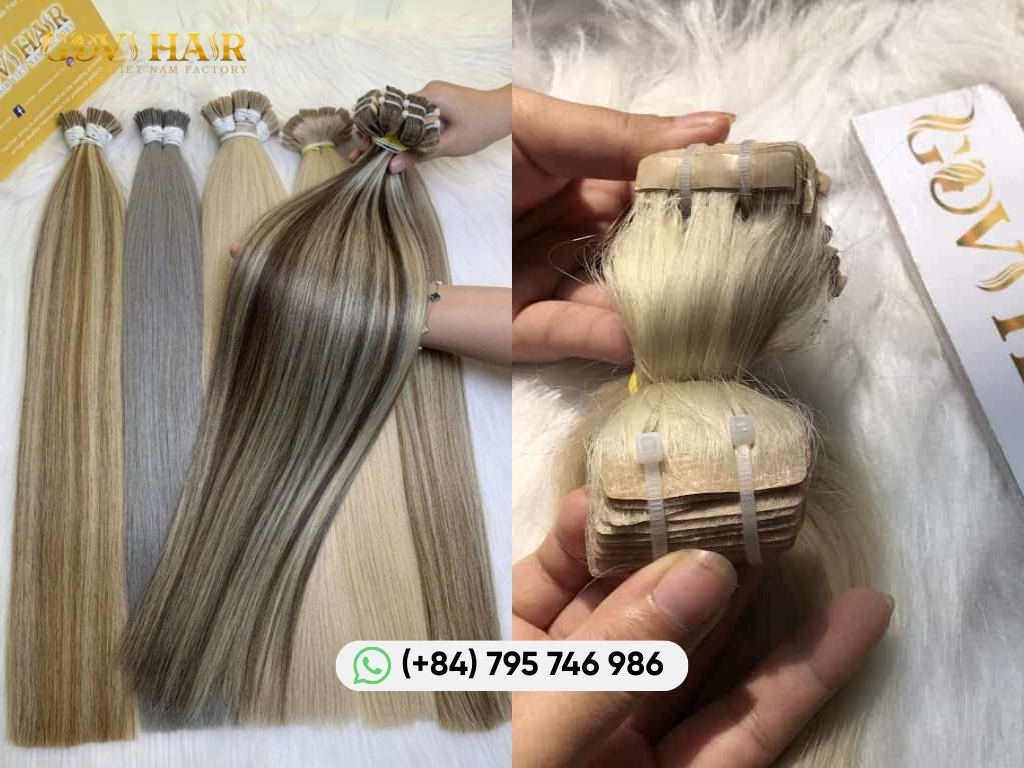
Product forms:
- Bulk hair
- Weft
- Keratin tip
- Tape-in
- Clip-ins
- Genius weft
- Feather hair
- Wig / topper ready-to-wear
Length: 8” – 32”
Colors: a wide range from natural color, brown, blonde, ombre, piano; custom colors and textures are available upon request.
MOQ & Shipping at Govihair
MOQ: From 300g (3 bundles) for quality testing
Production time: 7–10 days depending on quantity
Worldwide shipping:
- U.S. – Europe – Asia: DHL / FedEx / UPS (7–9 days)
- Africa: trusted shipping agents (7–9 days)
If you are looking for a reliable supplier of high-quality Vietnamese hair, Govihair is ready to support your business. Contact Govihair today to receive detailed product information, pricing, and samples, and discover how our premium hair solutions can help you grow with confidence in the global market.
Chat with us:
- WhatsApp: (+84)795 746 986
- Email: [email protected]
- Instagram: govihair_vietnamhair_factory/
- Tik Tok: govihairvietnam_official
FAQs about Malaysian hair vs Indian hair
Is Malaysian hair better than Indian hair?
Malaysian hair is better for those who want a smooth, voluminous, and luxurious look, while Indian hair is better for buyers who prioritize durability, versatility, and a more natural appearance.
Which lasts longer, Malaysian hair or Indian hair?
High-quality Indian hair, especially raw or temple hair, often lasts longer with proper care, while Malaysian hair performs very well in the short to medium term.
Why is Indian hair usually cheaper than Malaysian hair?
Indian hair is more affordable because of its abundant supply and large-scale production, whereas Malaysian hair has more limited sourcing and additional processing costs.
Which hair type is better for wholesale and bulk orders?
Indian hair is generally preferred for wholesale due to its stable supply and lower cost, while Malaysian hair suits buyers targeting a mid-to-premium market segment.
Conclusion
The comparison between malaysian hair vs indian hair shows that neither option is universally better; each serves a different purpose depending on usage and expectations. Malaysian hair stands out for its silky texture, fuller density, and excellent curl retention, making it ideal for glamorous, volume-focused styles and a polished appearance. Indian hair, by contrast, offers lighter weight, natural movement, and higher versatility for coloring and restyling, which makes it a strong choice for long-term, everyday wear and bulk purchasing. Understanding these differences allows buyers, salons, and wholesalers to choose the hair type that best matches their styling needs, budget, and target market.


 Ms. Rosie