Hair Color Trend
Hair Color Chart: The Ultimate Guide to Levels, Tones, Shades
May
A hair color chart is your essential roadmap to avoiding expensive salon mistakes and achieving the exact look you want. By understanding how to read this visual guide, you will learn to identify your perfect shade, match your skin tone, and communicate like a professional with your stylist.
Read on for the full chart, real examples by color family, and exact matches for your skin and goal. You’ll leave knowing your shade, and avoiding dye disasters.
What Is a Hair Color Chart & Why You Need One
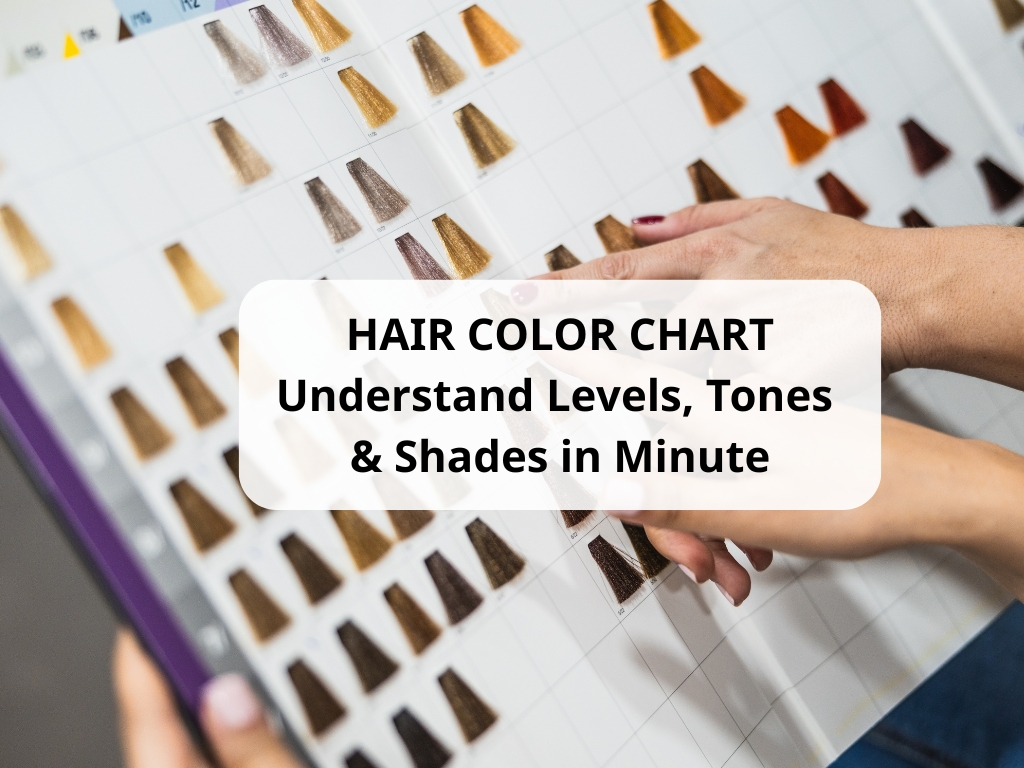
A hair color chart is a visual guide that organizes hair colors by level, tone, and shade. It usually starts with black at the darkest end and moves toward blonde at the lightest end.
It helps you understand the real meaning behind a color name or number.
For example, two colors may both be called “brown”, but one may be warm, while the other may look cool or ashier.
Hair professionals/stylists rely on these charts for clear formula, not guesswork. A chart helps them match a client’s natural hair, plan a dye formula, and predict how the final color will look.
It also helps them correct problems like brassiness, uneven color, or too much warmth. In short, the chart gives them a reliable way to choose and explain color.
Hair Color Numbering System Explained (Levels + Tones)
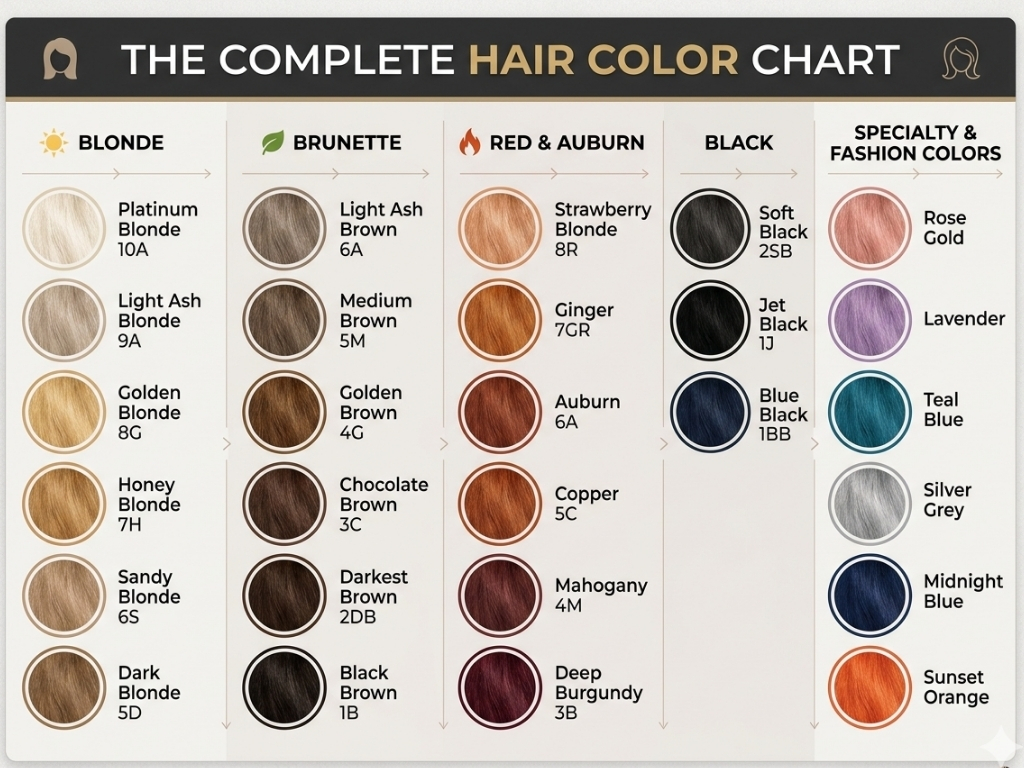
The most important thing to understand about hair color numbers is that they provide a universal code for your hair’s depth and shade. By learning to read these numbers, you can avoid “at-home” disasters and communicate exactly what you want to your stylist, ensuring your color never turns out too dark or too brassy.
Most professional hair color charts use up to 3 numbers to define a color, but not every chart will include all of them. Some may only show the lightness level, while others add one or two extra digits to describe the specific “flavor” or tint of the dye.
The first number is usually the level, which tells you the depth of the color. The next number or numbers usually tell you the tone, which is the warm or cool finish.
Level Chart (1-10 Scale)
The level is the base shade from darkest to lightest. Lower numbers mean darker hair, while higher numbers mean lighter hair.
For example, 1 is black, 5 is light brown, and 10 is the lightest blonde. This helps you understand how much lighter or darker a color is compared with your current hair.
| Level | Name | Description | Natural Example |
| 1 | Black | Deepest, no lift needed | Jet black |
| 5 | Light Brown | Everyday medium | Chestnut |
| 10 | Lightest Blonde | High-lift platinum | Snowy |
Tone Chart (e.g., 6.13)
The tone tells you the color character, such as ash, gold, copper, or red. It changes how the shade looks, even when the level is the same.
For example, .1 usually means ash, which looks cool and helps reduce brassiness. .4 often means copper, and .66 usually means a strong red tone.
| Code | Tone | Effect | Best For |
| .1 | Ash | Cool, blue-gray | Neutralize brass |
| .4 | Copper | Warm, orange-red | Vibrant reds |
| .66 | Red | Intense fire | Bold auburn |
Double Numbers (e.g., 6.13)
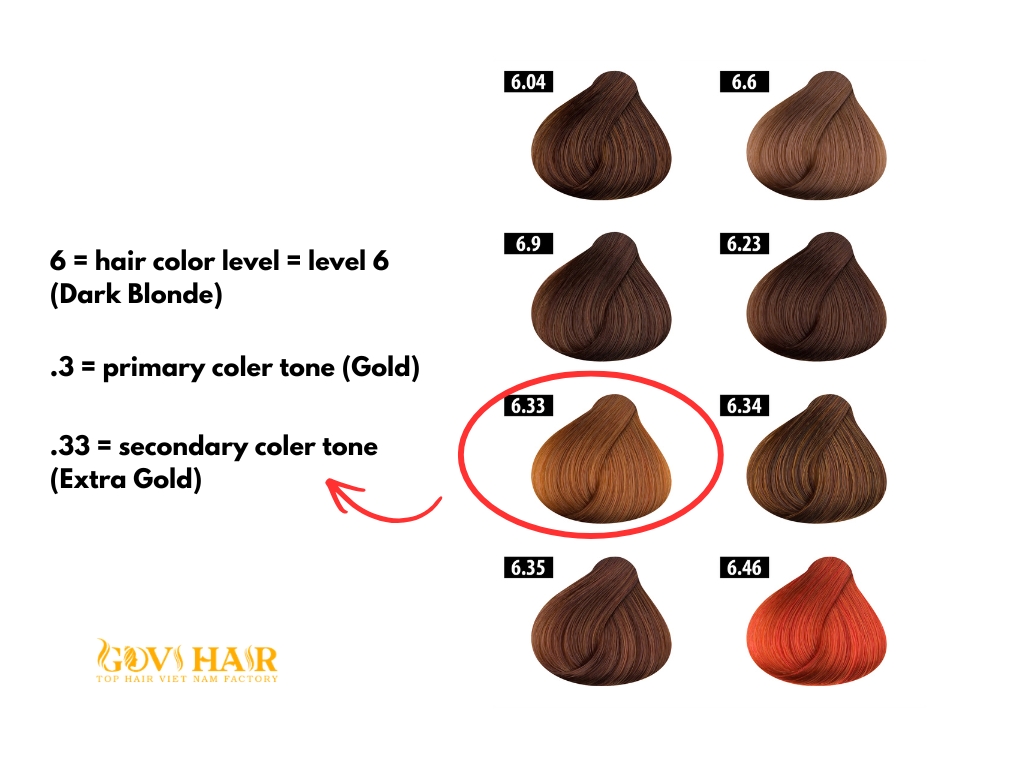
Some professional charts use two tone numbers, like 6.13. In this case, the first number is the level, and the next two numbers show the main tone and the secondary tone.
So 6.13 usually means a level 6 shade with ash and pearl tones. This kind of code gives more detail and helps professionals create a more exact color result.
IMPORTANT NOTE:
You do not need to see all three number types on every chart. Some charts are very simple, while others are more advanced.
The safe way to read any chart is this: first check the level, then check the tone, and then see whether the chart uses a second tone number.
Popular Hair Color Shade Chart
Most users worry about picking a color that looks good in real life, not just on the box. These charts break down the top shades in each family so you can see options fast and choose with confidence.
Blonde Hair Color Chart
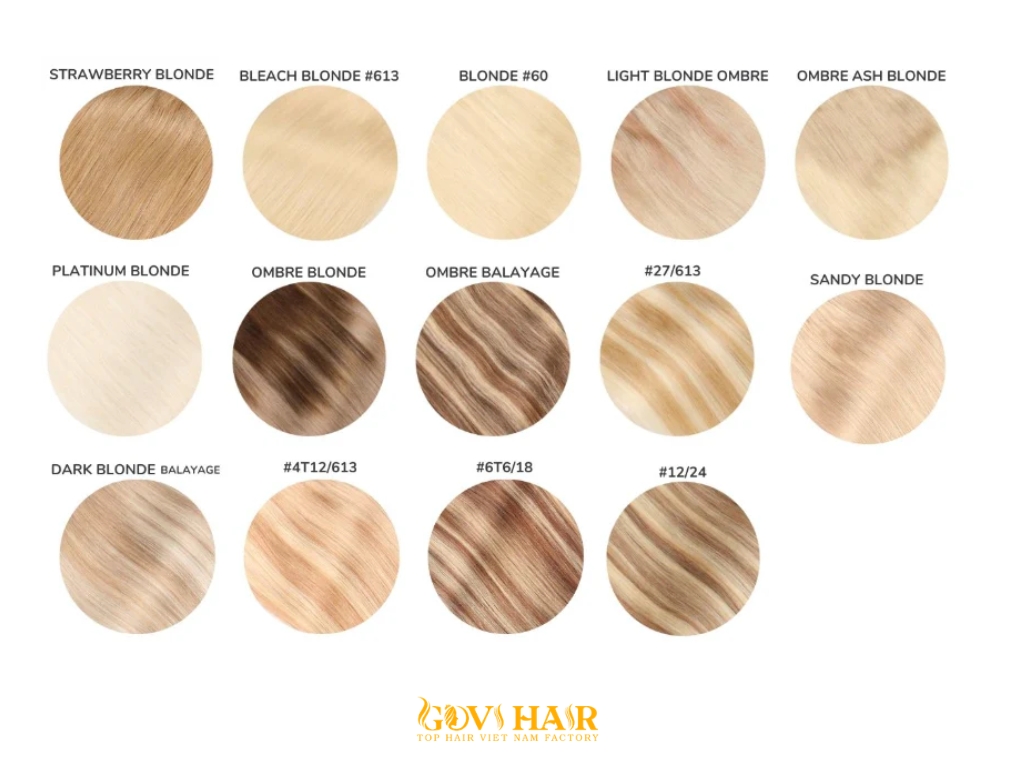
Blonde hair shades start at level 7 and go up to 10. The most popular ones are ash blonde for a cool look and golden blonde for warmth.
Ash blonde looks smoky and modern on fair skin. Golden blonde feels sunny and natural, while strawberry blonde adds a soft red glow.
Brown & Brunette Hair Color Chart
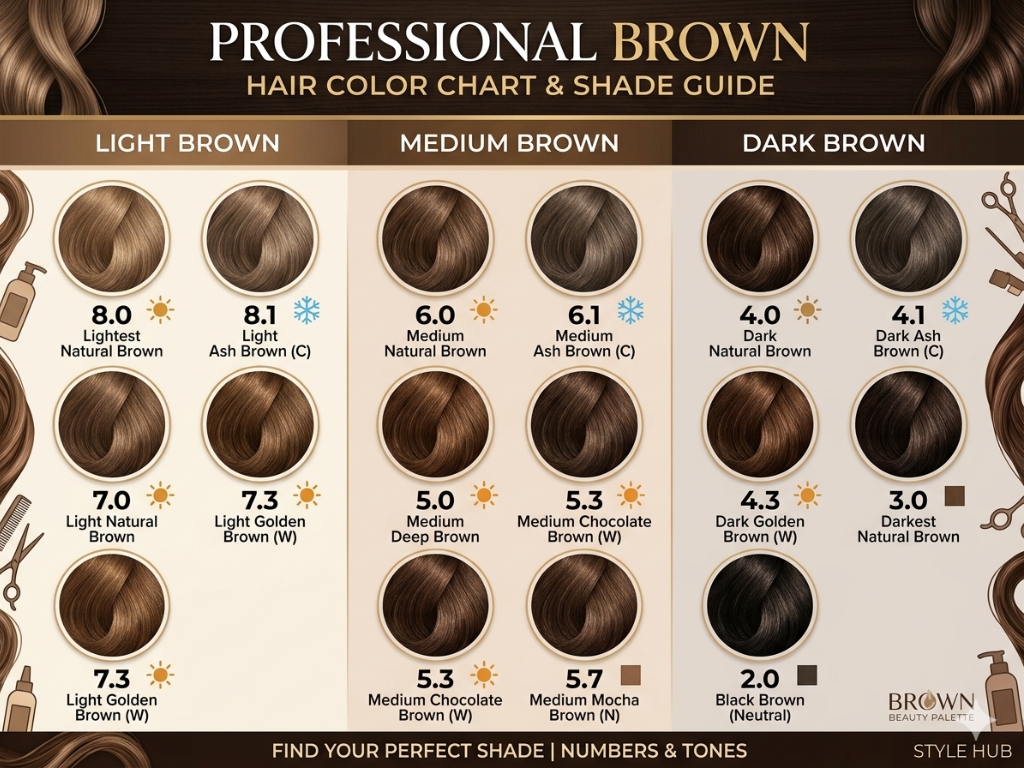
Brown shades fill levels 3 to 6. Light brown at level 5 is the safest everyday choice for most people.
Medium brown adds more depth and shine. Brunette shades feel richer with gold or mahogany tones, and dark brown gives a bold, classic finish.
Red Hair Color Chart
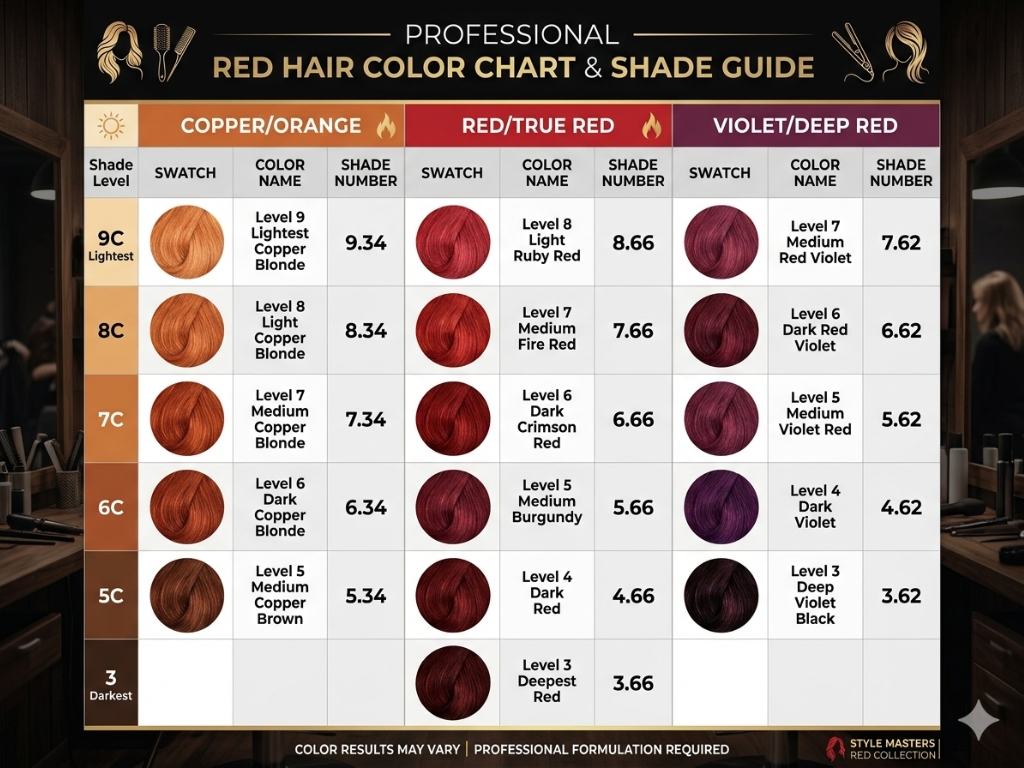
Red shades use special tones like .4 for copper and .6 for true red. Auburn mixes red with brown for a softer look.
Ginger red feels bright and fun at higher levels. Mahogany red looks deep and elegant, especially on medium or deep skin tones.
How to Choose the Right Hair Color for Your Goal
The right hair color matches your goal and looks natural on your skin. Most people want a shade that covers grays, changes their look, or fits their skin without regret.
Start by knowing your current hair level and skin undertone. Then pick a shade one or two levels different from your natural color for the best result.
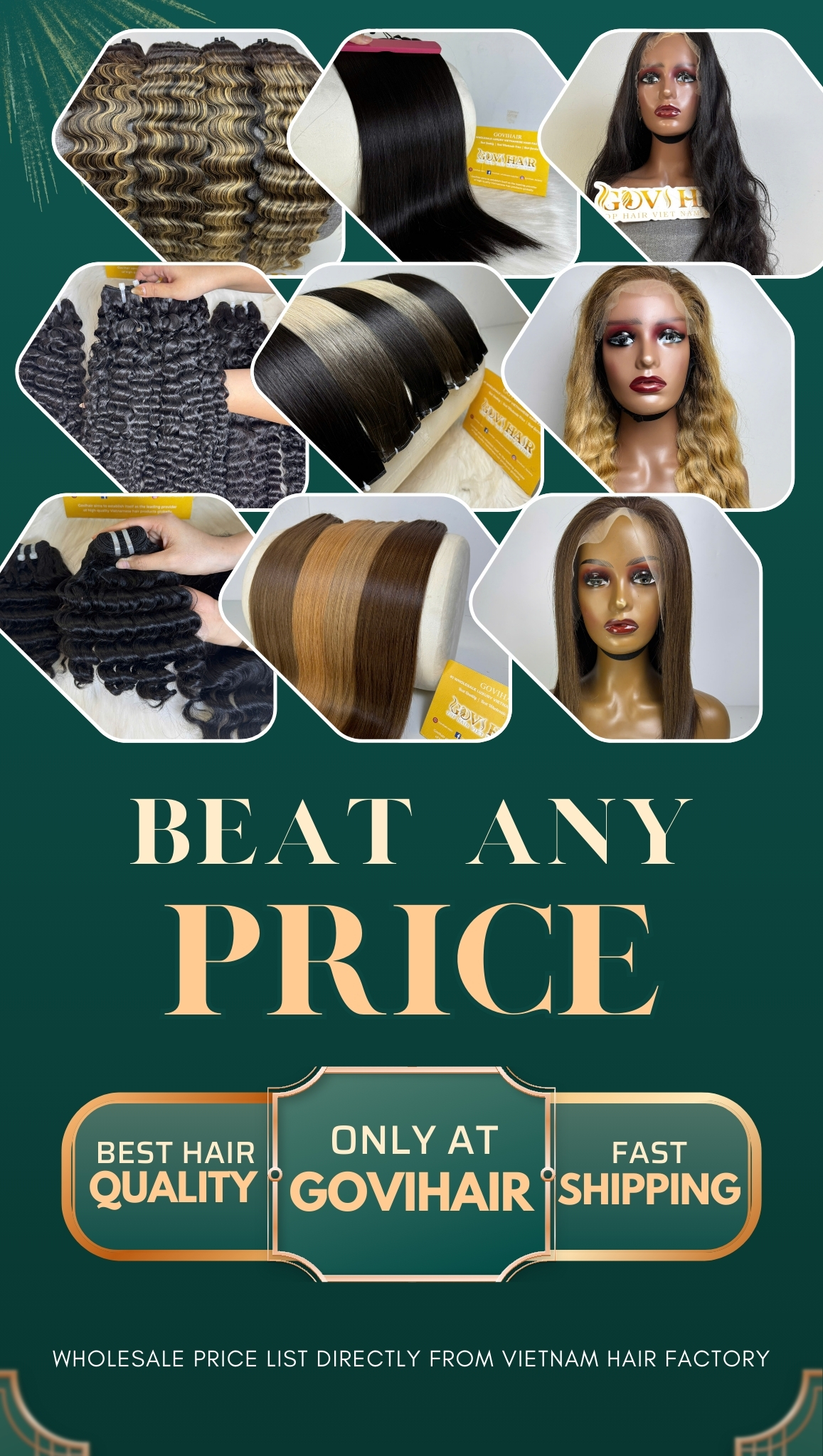
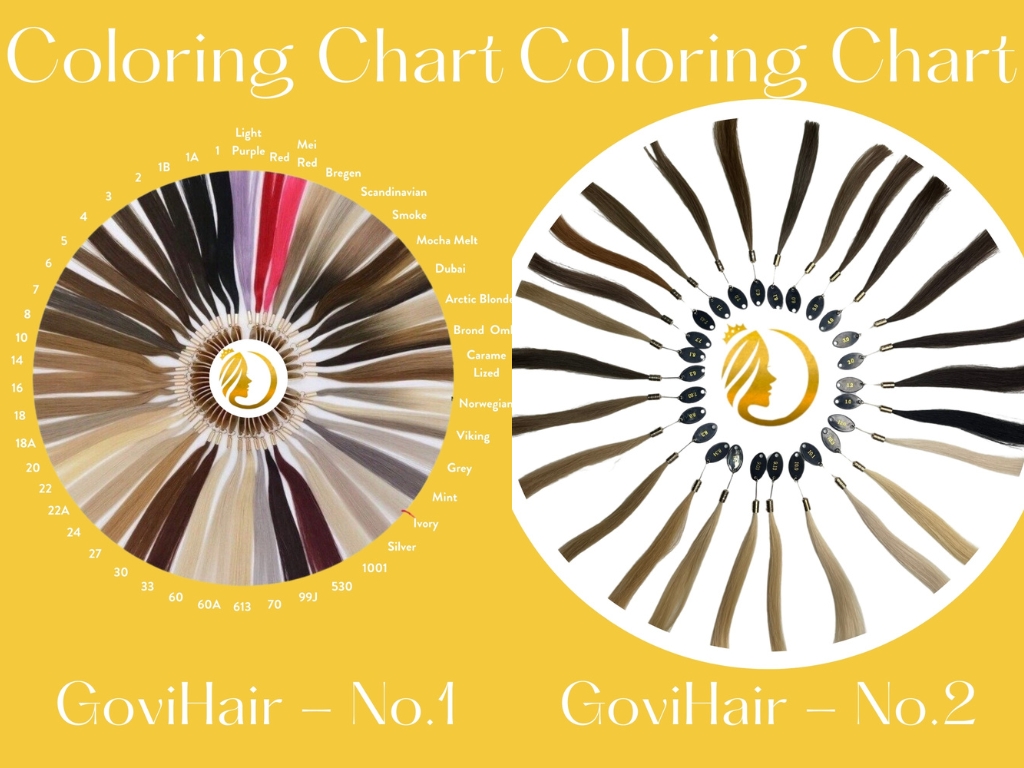
At GOVIHAIR, the color chart is built around two basic tones: dark and light, making it easy for customers to choose a color that suits their personality and purpose.
- Dark tones
Dark tones include colors like Black, Natural Black, and Brown. These are muted shades that offer a natural, elegant look and are easy to maintain. This color tone is particularly popular with African customers because it suits their skin tone, traditional style, and long-term use with minimal chemical treatments. Additionally, dark tones are a safe choice for customers who prefer a subtle, gentle look.
- Light tones
Light tones like Blonde or Platinum Blonde showcase a more striking, individualistic, and fashionable style. These bright colors create a youthful, modern appearance and are easy to accentuate. Therefore, European customers often prefer light tones to express their personal style and keep up with beauty trends.
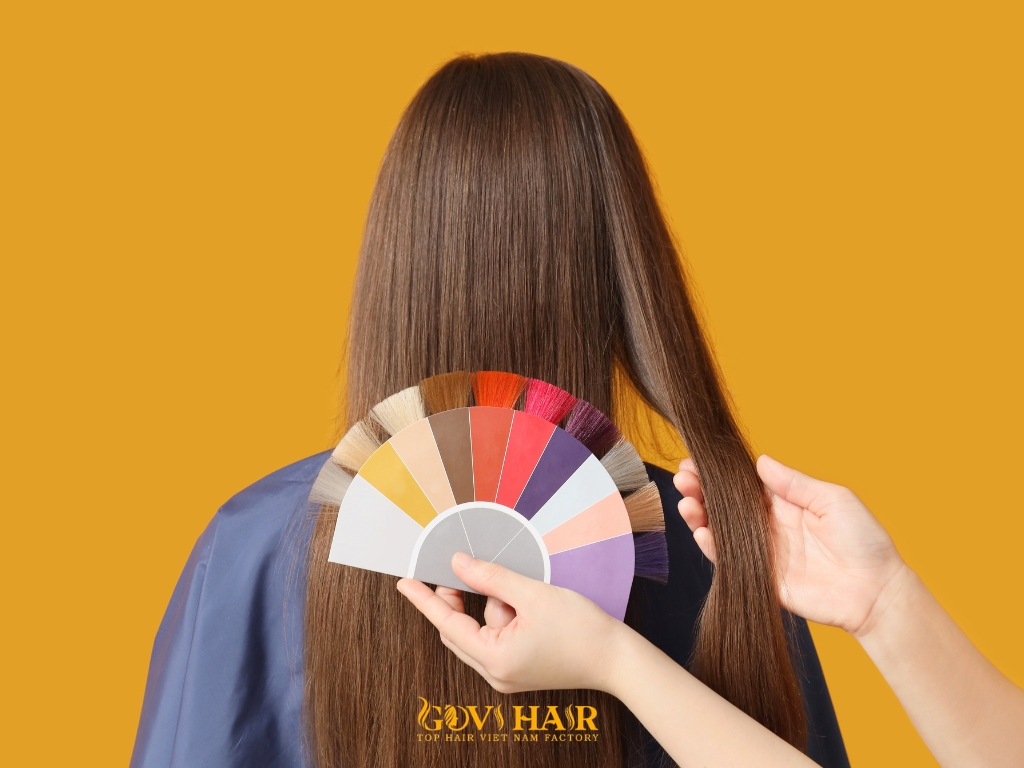
Best Shades for Gray Coverage
For the most effective gray coverage, you should look for “Neutral” or “Natural” series on the color chart, often labeled with a .0 or N. These shades have a balanced pigment load that is specifically designed to grip stubborn, colorless strands and provide a uniform, long-lasting finish.
If you want a more youthful look, choose a shade that is 1 level lighter than your natural color. This prevents the “harsh” look that often happens with dark dyes on gray hair and makes any new growth at the roots much less noticeable between salon visits.
Best Shades for Darkening Hair
When going darker, the best shades are those that add “depth” without looking flat, such as rich chocolates, mochas, or deep mahoganies. It is important to choose a color with a slight warm undertone to prevent the hair from looking “inky” or slightly green when covering lighter blonde bases.
To achieve a natural transition, try to stay within two levels of your current color. This ensures the change is dramatic enough to be noticed but subtle enough to complement your natural features and skin depth without overwhelming your face.
Best Shades for Lightening Hair
Lightening hair is most successful when you choose “cool” shades like ash or pearl to combat the natural orange and yellow tones that appear during the bleaching process.
These tones act as a built-in toner, keeping your new blonde looking crisp, clean, and intentional.
For the healthiest results, consider a “golden blonde” if you have a tan or olive complexion, as this mimics the natural way the sun lightens hair. Always aim for a gradual change to protect the strength of your hair fibers while you reach your goal level.
Best Shades for Warm Skin Tone
If your skin has golden, peach, or yellow undertones, you will look best in “warm” hair colors like honey blonde, copper, or rich golden brown.
These shades harmonize with the warmth in your skin, creating a glowing, sun-kissed appearance that looks incredibly vibrant.
Avoid colors that are too blue or violet-based, as these can make warm skin look slightly sallow. Instead, lean into the “fire” side of the color wheel to bring out the natural warmth in your cheeks and eyes.
Best Shades for Cool Skin Tone
Cool skin tones, which often have pink or blue undertones, are perfectly complemented by “cool” hair colors like platinum, icy blonde, or espresso. These shades provide a sharp, clean contrast that makes your skin look porcelain-smooth and brings out the clarity in your features.
Stay away from heavy oranges or yellows, which can make cool skin appear reddish or irritated. By sticking to colors with ash, silver, or blue bases, you ensure your look remains sophisticated, modern, and perfectly balanced.
Final Thought
The most important thing to remember is that a hair color chart is a guide, not a guarantee. Because every person’s natural hair holds unique pigments, the final result is a combination of the dye you choose and the “hidden” tones already living in your strands.
Using a chart allows you to take control of your beauty journey by making informed, professional decisions. Whether you are looking for a subtle shift or a bold transformation, understanding levels and tones ensures that you can communicate effectively with your stylist and achieve a look that makes you feel incredible.
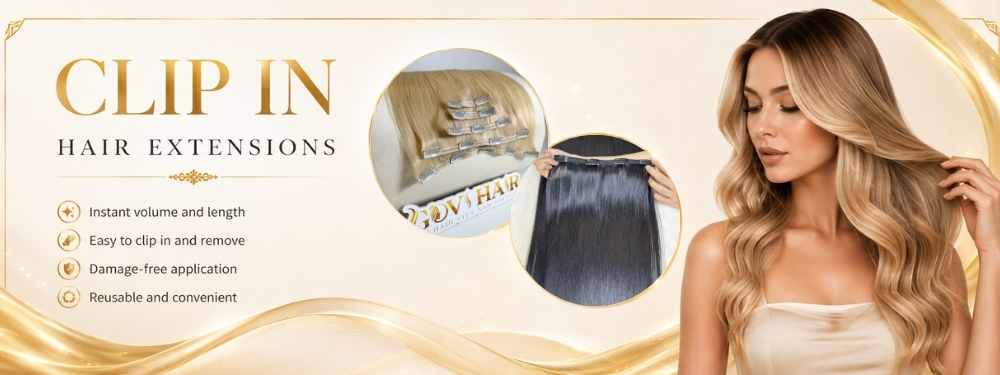
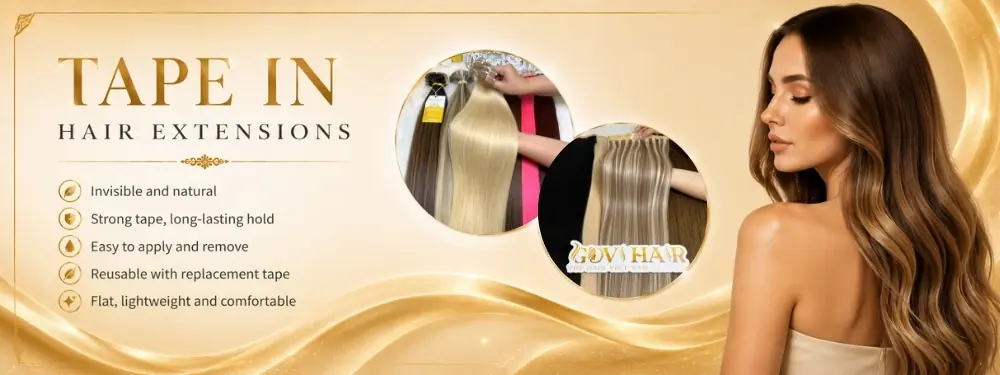
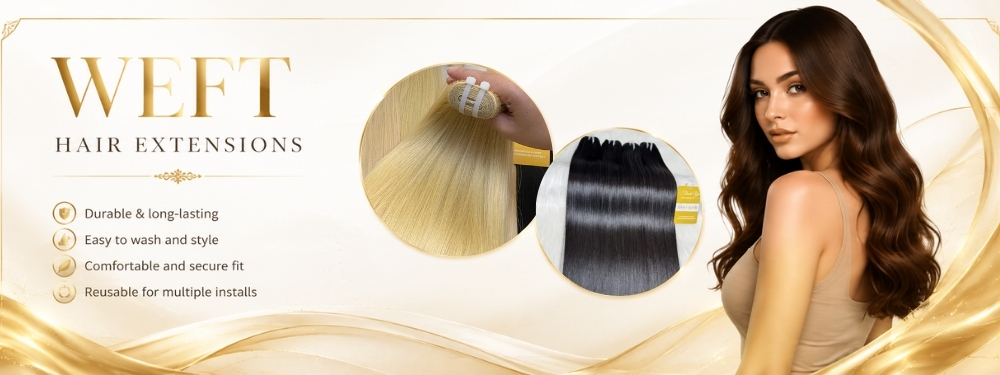
If you are hesitant to commit to a permanent change, visit GoviHair to explore our wide variety of high-quality hair options.
It is the perfect way to “try on” different shades from the color chart, from icy blondes to deep brunettes, without the use of chemicals or the risk of damaging your natural hair.
At GOVIHAIR, our best-selling hair colors are always a combination of naturalness, ease of color matching, and international fashion trends. Based on the actual needs of global customers, the following shades consistently rank among our top sellers:
- Natural Black (#1B)
- Dark Brown (#2)
- Blonde (#613)
- Burgundy (#99J)
- Honey blonde (#27)
- Mix piano blonde color
- Ombre dark root
In particular, when purchasing hair extensions at GOVIHAIR, customers also receive a free hair care guide, helping to maintain the beauty and color of the hair for a long time.
>> Read more: Weave Hair Colors: Guide Pick the Right Shade to Match Your Style
FAQs
What hair color level am I on the hair color chart?
To find your level, hold a section of your hair away from your head in natural light and compare the mid-lengths to a standard 1-10 chart. Most people find they are naturally between a level 3 (darkest brown) and a level 5 (medium brown), as levels 1 and 2 are rare jet blacks.
Why does my color look different from the hair color chart?
The swatches on a chart are often shown on “pure white” hair, whereas your hair has its own underlying warmth. If your final result looks different, it is likely because your natural red or yellow pigments mixed with the dye, which is why professionals often “adjust” their formulas to compensate.
What hair color chart is best for grey coverage?
For grey hair, choose:
- Ash or neutral tones for blending
- Darker shades (level 4–6) for full coverage
- Charcoal or dark grey for modern looks
These shades reduce contrast and provide even coverage.
What is the best hair color chart for extensions and wigs?
For hair extensions, choose charts specifically designed for:
- Raw Vietnamese hair
- Remy or virgin hair
These charts reflect true color absorption and help ensure seamless blending with natural hair.

 Ms. Victoria