

Whether you are looking to switch up your style instantly, managing hair loss, or simply want to protect your natural strands, wigs are a versatile solution used by millions worldwide. But for a beginner, the world of wigs can be overwhelming.
What is a wig? How do you choose between human hair and synthetic hair? What cap construction is best for you? This complete guide breaks down everything you need to know, incorporating expert insights to help you make the best choice.
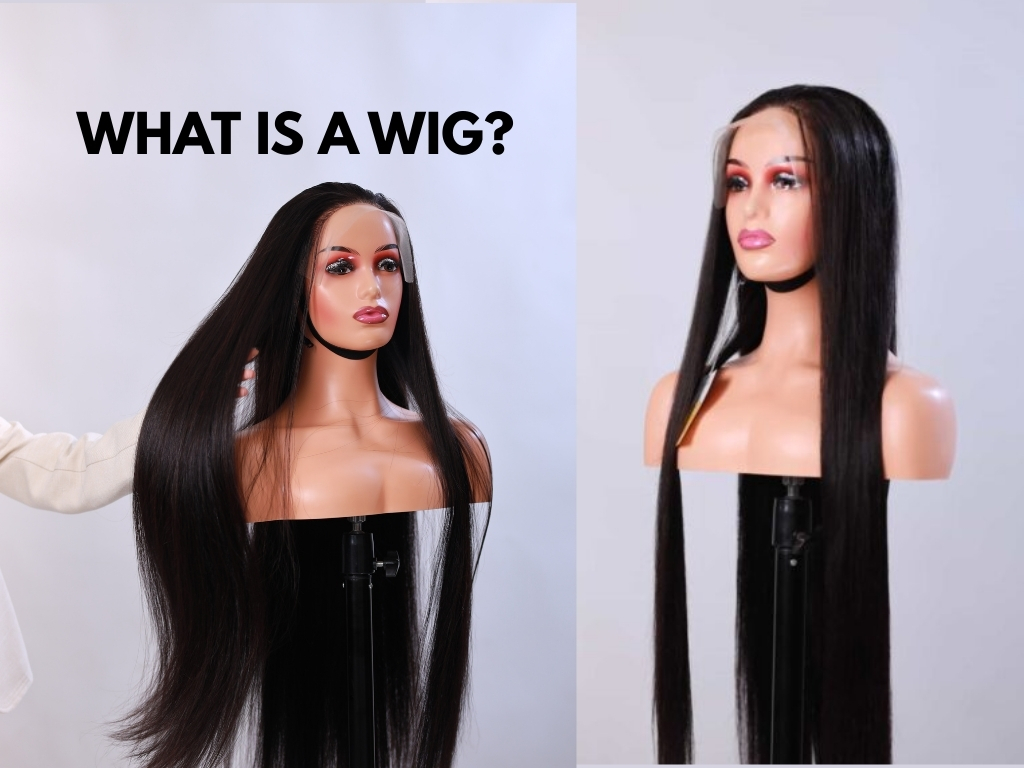
What Is a Wig? Definition and Basic Overview
In simple terms, a wig is a head covering made from real human hair, synthetic fibers, or a combination of both. Wigs are designed to mimic natural hair, allowing people to change their look, add volume, or cover thinning hair and hair loss effectively.
Wigs come in an extensive range of styles, lengths, and colors. This variety gives users the ultimate freedom to express themselves or experiment with new trends without chemically treating or cutting their natural hair.
Human Hair Wigs
As the name suggests, these wigs are made from harvested human hair, often sourced from donors around the world.
Pros of Human Hair Wigs:
- Natural Look & Feel: They move, bounce, and shine exactly like your own hair.
- Styling Versatility: Can be dyed, bleached, curled, or straightened using heat tools.
- Durability: Higher quality and significantly longer-lasting than synthetic options (can last 1–3 years with proper care).
Cons of Human Hair Wigs:
- Cost: Generally more expensive due to the scarcity of material.
- Maintenance: Requires washing, conditioning, and styling just like bio hair; reacts to weather (humidity can cause frizz).
Synthetic Wigs
These are created from man-made fibers designed to resemble hair strands.
Pros of Synthetic Wigs:
- Affordability: Much more budget-friendly than human hair.
- Style Memory: Comes pre-styled and retains its shape even after washing (shake-and-go convenience).
- Low Maintenance: Requires less effort to maintain the look.
Cons of Synthetic Wigs:
- Artificial Shine: Some lower-quality fibers may look unnaturally shiny.
- Heat Sensitivity: Most cannot be styled with hot tools (unless heat-resistant), and you cannot change the color.
- Lifespan: Shorter lifespan, typically lasting 3–6 months.
Types of Wigs: Construction, Design and Purpose
Understanding the construction of a wig is key to finding one that fits comfortably and looks realistic.
Wig Cap Constructions
Full Cap Wig
A standard wig cap where hair is sewn into a mesh material. It covers the entire head and is often used for styles with bangs, as it doesn’t have a natural hairline simulation like lace wigs.
Open Cap Wig
Also known as “wefted” or “capless” wigs. The wefts are sewn into strips with gaps in between, offering superior ventilation. This is a great choice for keeping cool in warm climates.
Partial Coverage Wig
These are not full wigs but rather “toppers” or hairpieces designed to cover specific areas of thinning or to add volume to the crown.

>> Read more: Wig Lace Sizes Explained: Find Your Perfect Fit in 2025
Production Methods
Hand-Tied Wigs
Each individual hair strand is tied by hand into the cap. This allows the hair to move freely in any direction, offering the most realistic appearance and comfort.
Machine-Made Wigs
Hair wefts are sewn together by a machine. These are heavier and less flexible than hand-tied options but are the most affordable and durable.
Special Wig Categories
- U-Part Wig: Features a U-shaped opening at the top, allowing you to leave a portion of your natural hair out to blend with the wig for a seamless finish.
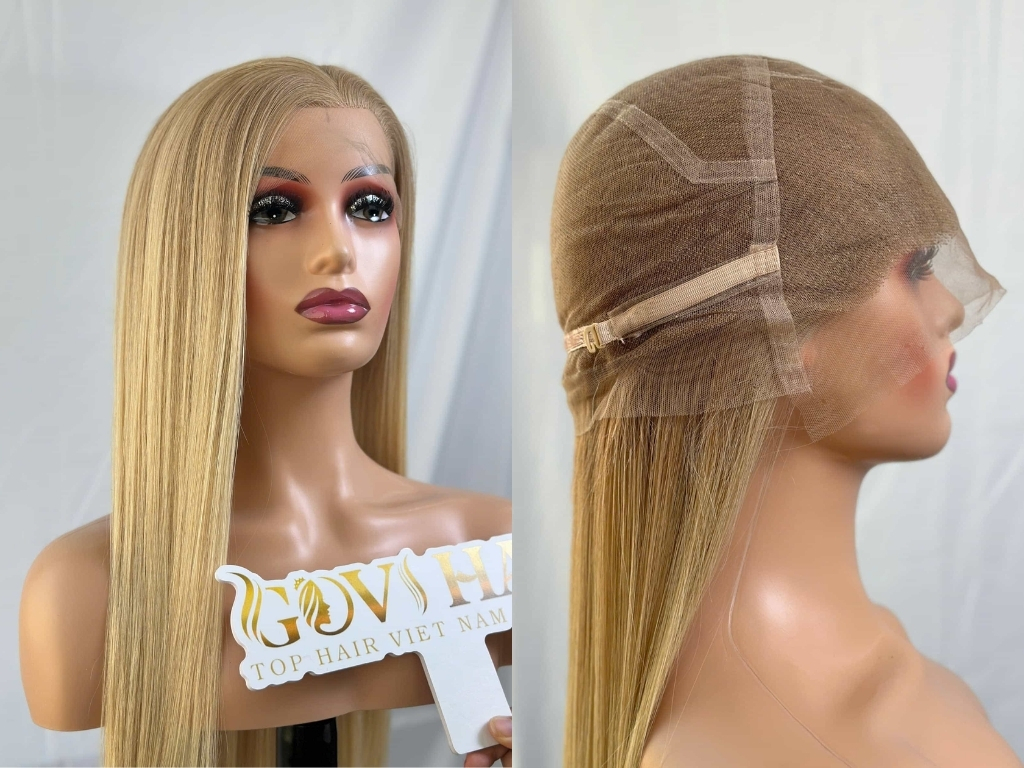
- Full Lace Wig: The entire cap is made of lace. You can part the hair anywhere and style it in updos or high ponytails without revealing the cap.
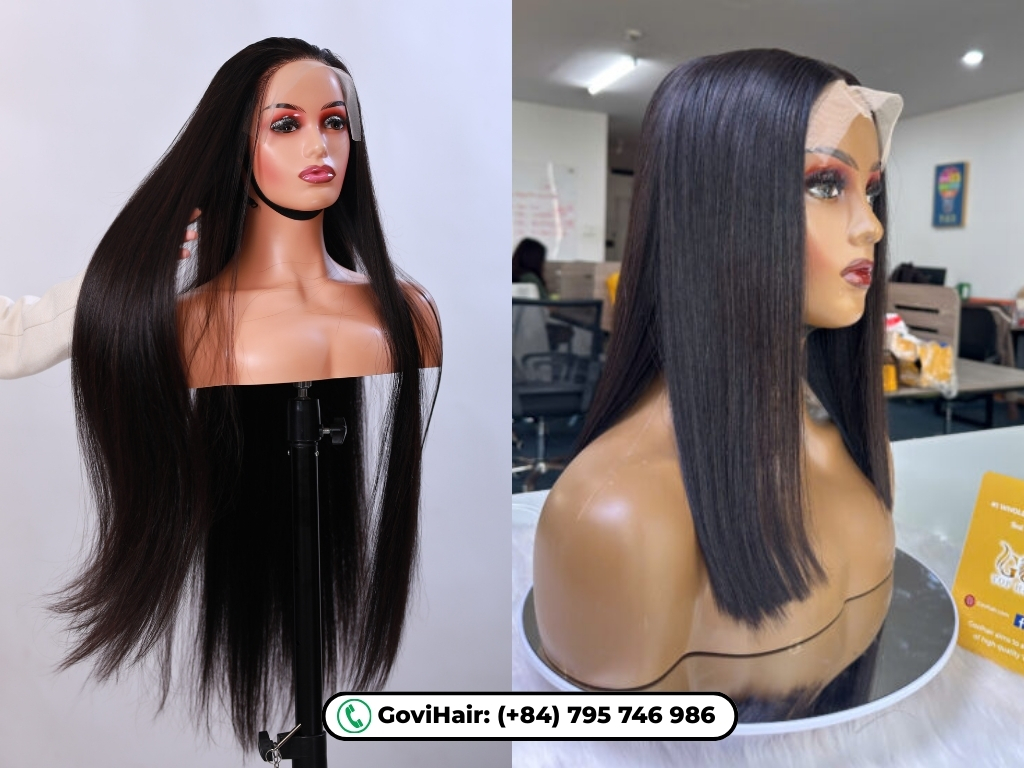
- Lace Front Wig: Features a sheer lace panel along the front hairline (usually ear-to-ear). It blends with your skin to create a natural-looking hairline.
- Closure Wig: Typically features a 4×4 or 5×5 inch patch of lace at the top. It is beginner-friendly, requires no glue (glueless), and is easy to put on and take off.
- Silk Top Wig: Uses a layer of silk to hide the knots, making it look like the hair is growing directly from the scalp.
- Half Wig: Covers only the back half of the head, using your natural hair at the front to cover the transition.
Popular Wig Styles and Hair Textures
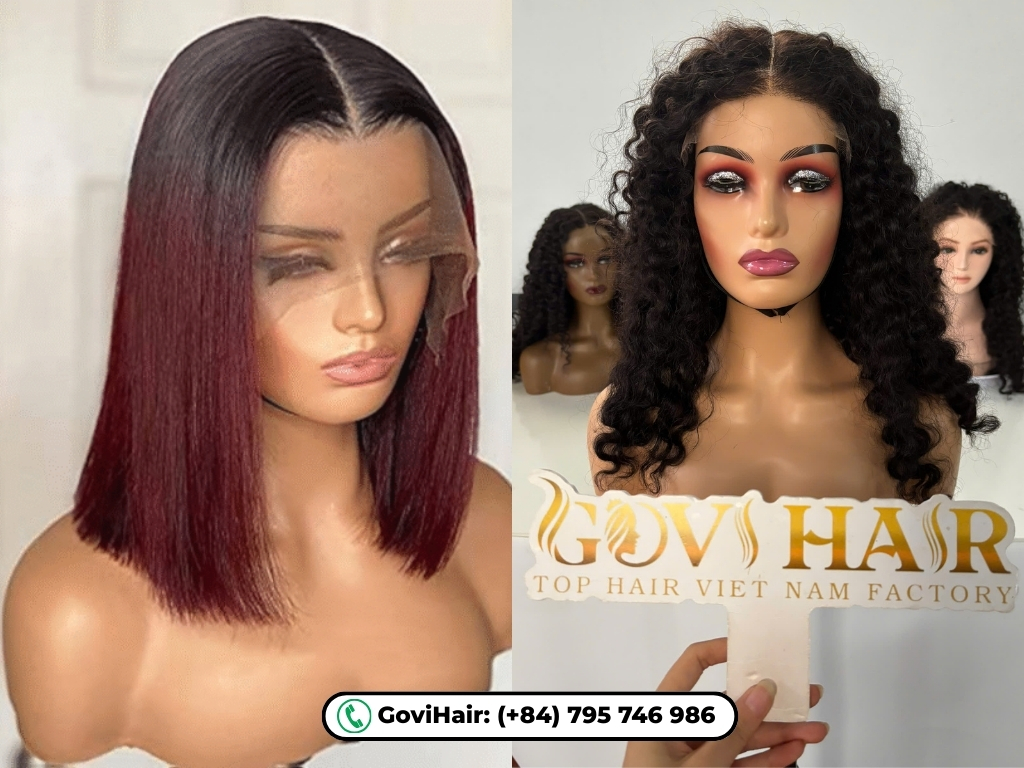
- Straight Bob Wig: A timeless, chic look that is easy to manage and perfect for professional settings.
- Long Straight Wig: Offers a sleek, glamorous aesthetic often seen on celebrities.
- Curly Wig: ranges from tight coils to loose ringlets, adding massive volume and personality.
- Body Wave Wig: A soft, “S” pattern wave that offers a romantic and effortless look; very popular in lace frontal designs.
Do Wigs Look Natural? Factors That Affect Realism
Yes, modern wigs can look incredibly natural. The realism depends on:
- Hair Quality: Human hair looks more realistic than synthetic.
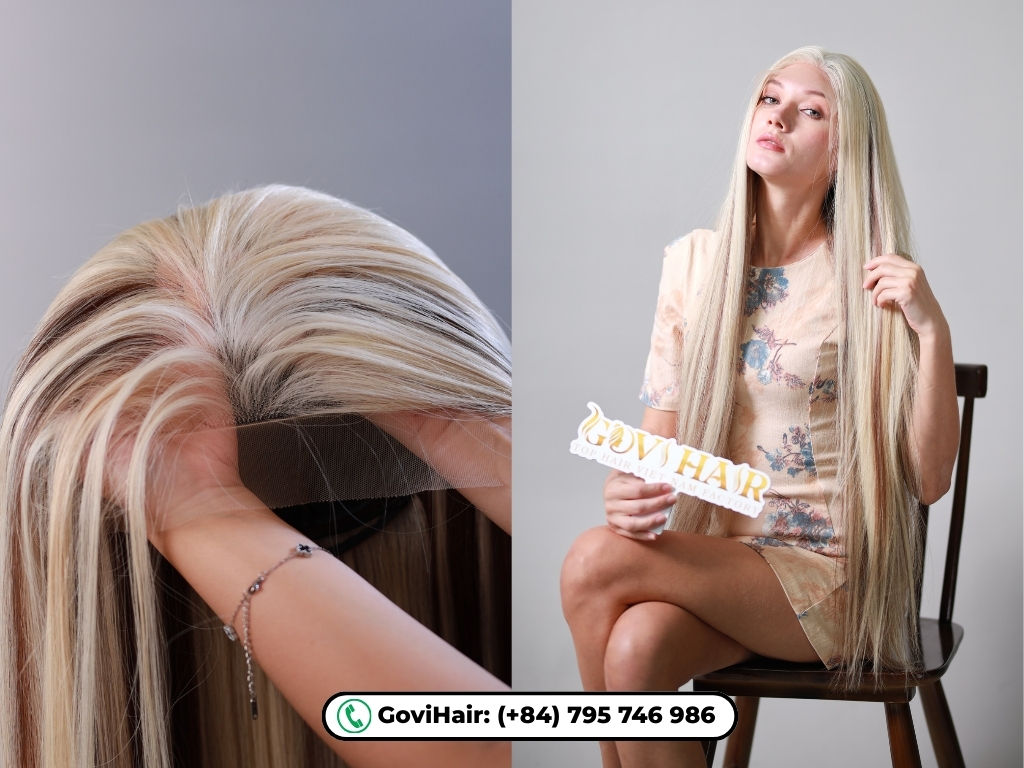
- Lace Quality: HD lace or transparent lace melts into the skin better than thick brown lace.
- Hairline: A pre-plucked hairline with baby hair mimics natural growth.
- Density: Too much hair can look “wiggy.” A density of 130%–150% is standard for a natural look.

Are Wigs Comfortable to Wear? What You Should Know
Comfort depends largely on the cap size and breathability.
- Proper Fit: A wig should fit snugly but not tight. Most wigs have adjustable straps.
- Weight: Hand-tied wigs are lighter than machine-made ones.
- Material: Open caps are cooler, while full silk or double-layer caps might retain more heat.
>> Read more: Are Wigs Hot to Wear? How To Wear A Wig In Hot Weather
How to Care for a Wig Properly
Daily Wig Care Tips
Storage: When not in use, place your wig on a mannequin head or wig stand to maintain its shape and prevent tangling.
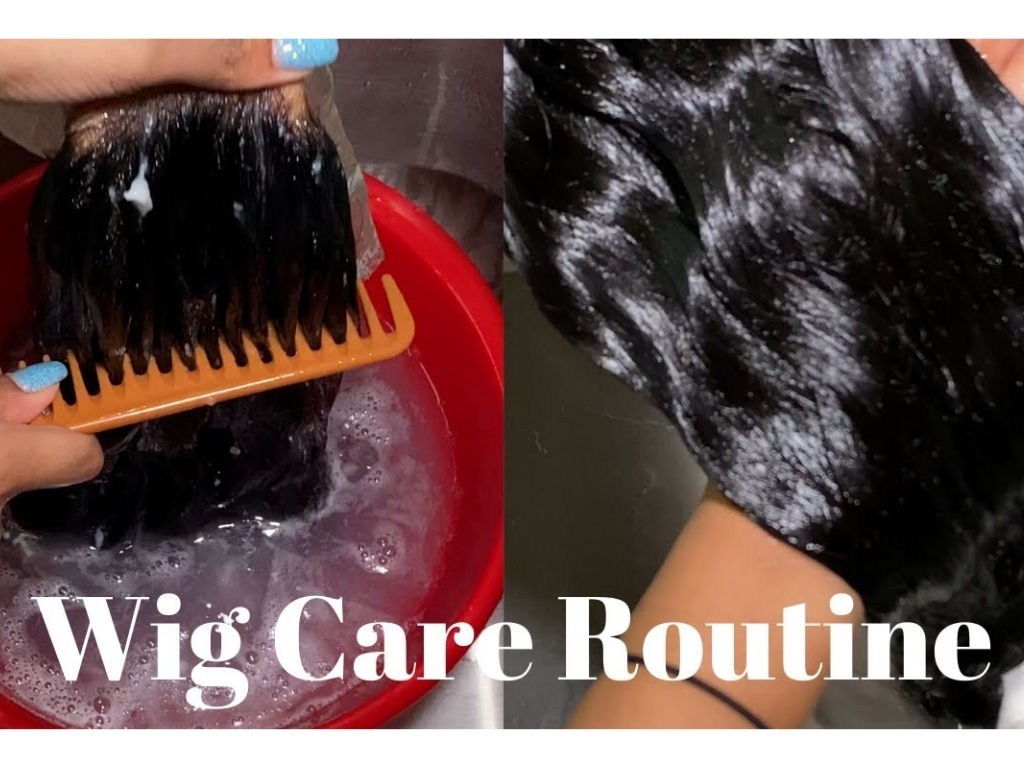
Detangling: Use a wide-tooth comb or a loop brush. Always start brushing from the ends and slowly work your way up to the roots.
Washing & Conditioning Guidelines
Frequency: Wash every 10–15 wears (or when product buildup makes it stiff).
Method: Use sulfate-free shampoo. Mix shampoo in a basin of cool water and submerge the wig—never rub or scrub aggressively.
Hydration: For human hair, use a deep conditioner. Synthetic wigs benefit from fabric softener (a hacker tip) or specific synthetic conditioners.
Heat Styling & Maintenance Advice
Human Hair: Always use a heat protectant spray before curling or straightening. Keep heat below 350°F (180°C).
Synthetic: Avoid heat sources like ovens or boiling water. Only use low-heat tools if the label says “Heat Resistant”.
Why Do People Wear Wigs? Top Reasons
Style Flexibility
Wigs allow you to go from blonde to brunette or long to short in minutes. It’s perfect for actors, cosplayers, or fashion enthusiasts.
Covering Thinning Hair or Hair Loss
For those experiencing alopecia, chemotherapy side effects, or postpartum shedding, wigs provide privacy, coverage, and a sense of normalcy.
Enhancing Personal Confidence
A good hair day can significantly boost self-esteem. Wigs ensure your hair looks perfect without the stress of styling your own.

Saving Time
A pre-styled wig can be put on in under 5 minutes, saving hours of blow-drying and styling in the morning.
Saving Money in the Long Run
Frequent salon visits, coloring, and treatments damage hair and cost money. A high-quality wig is a one-time investment that protects your natural hair.
How Long Do Wigs Last? Lifespan of Each Wig Type
- Synthetic Wigs: 3 to 6 months. The fibers eventually become frizzy (especially at the nape) due to friction.
- Human Hair Wigs: 1 to 3 years. The longevity depends heavily on the quality (Virgin vs. Remy) and how well you care for it.
- Heat-Friendly Synthetic: 2 to 4 months. These fibers are more fragile due to heat styling.

How to Choose the Best Wig for Beginner?
- Wig Cap Construction: Choose a Lace Front for the most natural hairline or a Closure for ease of use (glueless).
- Hairstyle & Texture: Consider your lifestyle. Straight hair is lower maintenance; curly hair requires daily definition.
- Hair Color: Do you want a natural #1B (Off-Black) or bold #613 (Blonde)?
- Cap Size: Measure your head circumference. Standard is usually 22-22.5 inches (Medium).
- Hair Material Quality:
- Virgin Hair: Chemically unprocessed, durable, can be dyed.
- Remy Hair: Cuticles aligned, smooth, less tangling.
- Raw Hair: The highest quality, sourced from a single donor, lasts the longest.
>> See more: Wig Length Chart: A Comprehensive Guide
Common Problems with Human Hair Wigs & Synthetic Wigs
- Tangling: This happens mostly at the nape of the neck due to friction against clothes.
- Shedding: All wigs shed slightly. Excessive shedding means loose wefts or poor knotting.
- Dryness: Unlike bio hair, wigs don’t get oils from the scalp. Human hair wigs can look dry if not moisturized with serum or oil.
- “The Shine”: Synthetic wigs often have an unnatural sheen. This can be fixed by spraying dry shampoo on the wig.
Essential TLC Tips to Extend Wig Lifespan
- Don’t Sleep in It: Friction from pillows causes matting. If you must, use a silk bonnet.
- Rotate Your Wigs: Having 2-3 wigs in rotation reduces the wear and tear on a single unit.
- Seal the Knots: Use a knot sealer spray inside the lace cap to reduce shedding.
- Air Dry: Let your wigs air dry on a stand rather than blow-drying to preserve fiber integrity.

Frequently Asked Questions About Wigs
Can I swim or shower in my wig?
It is not recommended. Chlorine and salt water damage hair fibers. If you must, wear a swim cap.
Will a wig blow off in the wind?
Not if it fits correctly. Use the adjustable straps, wig grips (velvet bands), or a bit of wig glue/tape for extra security.
Can I dye a wig?
You can dye human hair wigs (darker is easier than lighter). You generally cannot dye synthetic wigs with standard hair dye.
Why Choose Govihair Wigs? Quality You Can Trust
Finding a reliable wig supplier is crucial for a natural look and long-lasting investment. At Govihair, we specialize in premium custom human hair wigs tailored exactly to your needs.
Our Top-Selling Styles:
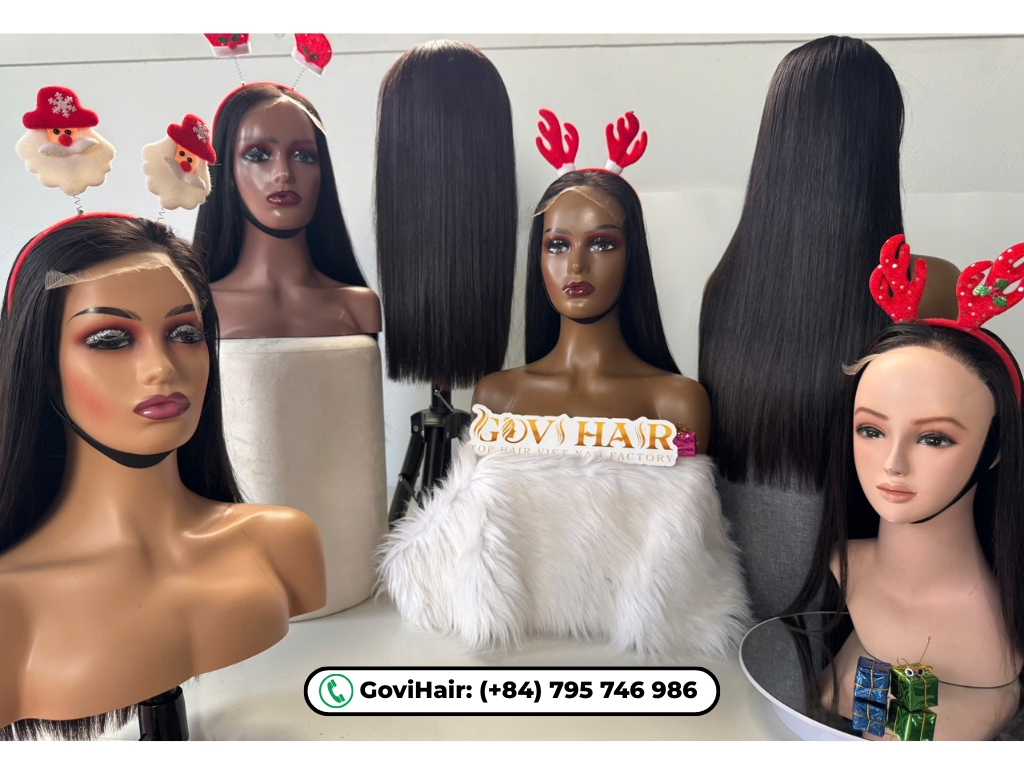
- Lace Frontal Wigs (13×4 & 13×6): Featuring a sleek, natural-looking hairline that mimics natural growth. These are incredibly popular in the U.S. and European markets for their versatility.
- Closure Wigs (5×5): The ultimate beginner-friendly option. These are glueless, easy to wear, and require minimal maintenance.
- Full Lace Wigs: Voluminous and bold. The entire cap is lace, allowing for versatile styling like high ponytails. Highly favored in African markets and reusable multiple times.
Customization Options at Govihair:
- We don’t just sell wigs; we craft them to your specifications:
- Hair Density: Choose from 130% (natural) to 180% (glamorous volume).
- Length: Produced as requested to fit your style.
- Cap Size: Fully adjustable and customized to your head measurements.
With a fast production time of 10–12 days depending on order quantity, Govihair is your trusted partner for the perfect hair transformation. Contact us today to start your custom order!
Contact Us:
- WhatsApp: (+84) 795 746 986
- Email: [email protected]
- Instagram: govihair_vietnamhair_factory
- TikTok: govihairvietnam_official
- Website:govihair.com


 Ms. Rosie