

Want longer, fuller, or more voluminous hair without waiting months for it to grow? Hair extensions can make that transformation happen instantly, but with so many types of hair extensions out there, how do you know which one is right for you? From clip-ins to microlinks, and everything in between, this guide from GoviHair breaks down each method so you can find your perfect match. Whether you have thin hair, natural curls, or you’re looking for a low-maintenance option, keep reading to discover the best extensions for your hair goals, and how to wear them like a pro.
Types of Hair Extensions: Which One Suits You Best?
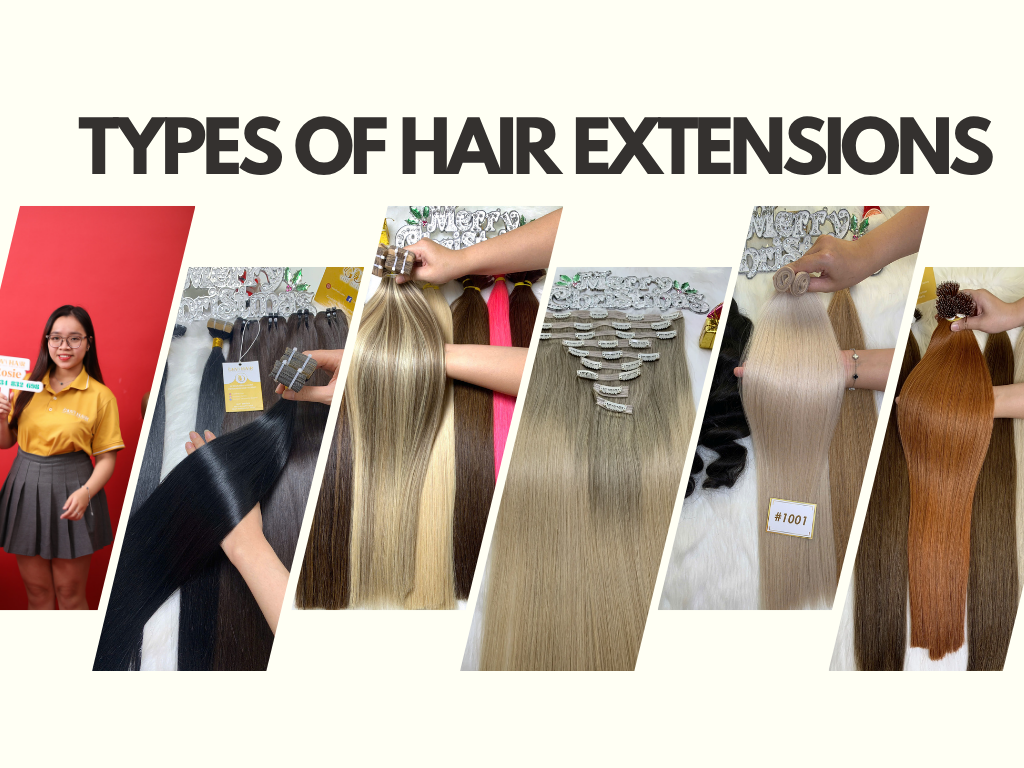
Let’s explore the most popular types of hair extensions and how they work.
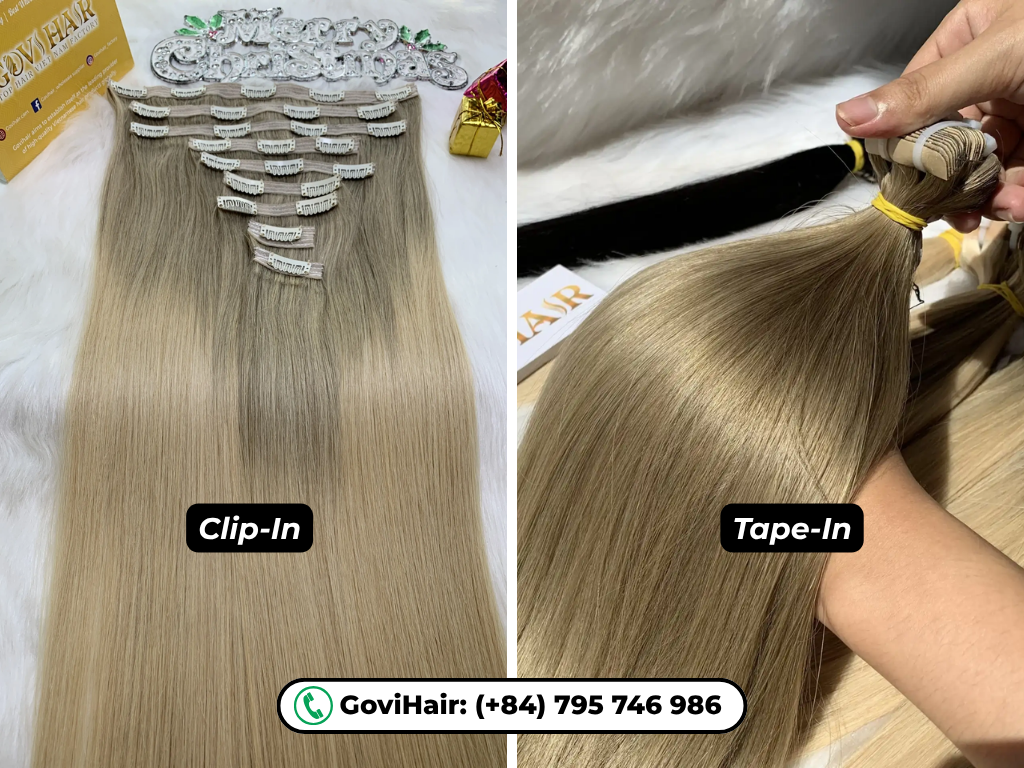
Clip-In Hair Extensions
Clip in hair extensions are the easiest and most beginner-friendly method for oval face flattering haircuts. These wefts come with clips attached and can be added or removed in minutes without professional help. They’re perfect for adding volume or length for special events or day-to-day transformations without a salon visit.
Best for: Occasional use, events, or trying new styles
Pros:
- Reusable with proper care, lasting months or even years
- Quick and easy application can be done at home in under 10 minutes
- No heat, glue, or chemicals, so there’s no damage to your natural hair
- Offers styling flexibility: experiment with different lengths, volumes, or colors
Cons:
- Not ideal for daily wear, may shift or feel insecure with physical activity
- Can feel bulky or visible on fine or thin hair if not applied properly
- Must be removed before sleeping to avoid hair damage
- Limited styling options for updos or high ponytails
Tape-In Hair Extensions
Tape in hair extensions are semi-permanent and applied by sandwiching your natural hair between two adhesive wefts – ideal for softening square jaw hairstyles. They lie flat against the scalp, making them nearly invisible and ideal for fine or thin hair types. This method offers a seamless, natural look and lasts for several weeks.
Best for: Medium to fine hair, semi-permanent wear
Pros:
- Lightweight and comfortable, especially for those with finer hair
- Virtually undetectable due to their flat and seamless placement
- Can be reused with replacement tape, making them cost-effective over time
- Installed without heat or tools, reducing risk of damage
Cons:
- Requires professional application and removal to avoid damaging your hair
- Tape adhesives may weaken with exposure to oils, sweat, or heavy styling products
- Not ideal for very oily scalps
- Needs repositioning every 6–8 weeks as your hair grows out
Sew-In (Weave) Hair Extensions
Sew-in extensions, or weaves or weft hair extensions, involve braiding the natural hair into cornrows and sewing wefts onto the braids using a needle and thread. This method is especially popular among Black women and those with thicker or coarser textures, as it’s both secure and protective.
Best for: Coarse or curly hair textures, protective styles
Pros:
- Long-lasting results, typically worn for 6 to 10 weeks
- Excellent for protective styling, keeping natural hair tucked away and safe
- Works well with textured or curly extensions for seamless blending
- Allows for heat styling, color, and a wide range of looks
Cons:
- Can be uncomfortable or feel heavy, especially if the braids are too tight
- Not suitable for thin or fragile hair due to the tension from braiding
- Challenging to maintain scalp hygiene while wearing
- Repeated tight braiding may lead to traction alopecia or scalp sensitivity
Microlink Hair Extensions
Microlinks are installed strand by strand using tiny beads or rings to attach each extension to your natural hair. This method doesn’t involve glue or heat, making it a safer alternative when applied professionally.
Best for: Medium to fine hair, long-term wear
Pros:
- No glue or heat required, reducing the risk of hair damage
- Highly customizable and natural-looking due to individual placement
- Extensions can be reused and repositioned for longer wear
- Hair moves freely, offering a realistic finish and full styling control
Cons:
- Installation and maintenance are time-consuming and require a professional
- Beads may slip or loosen if not properly maintained
- Not recommended for very fine or fragile hair, as tension can cause breakage
- Needs adjustment every 4–6 weeks to maintain security and appearance
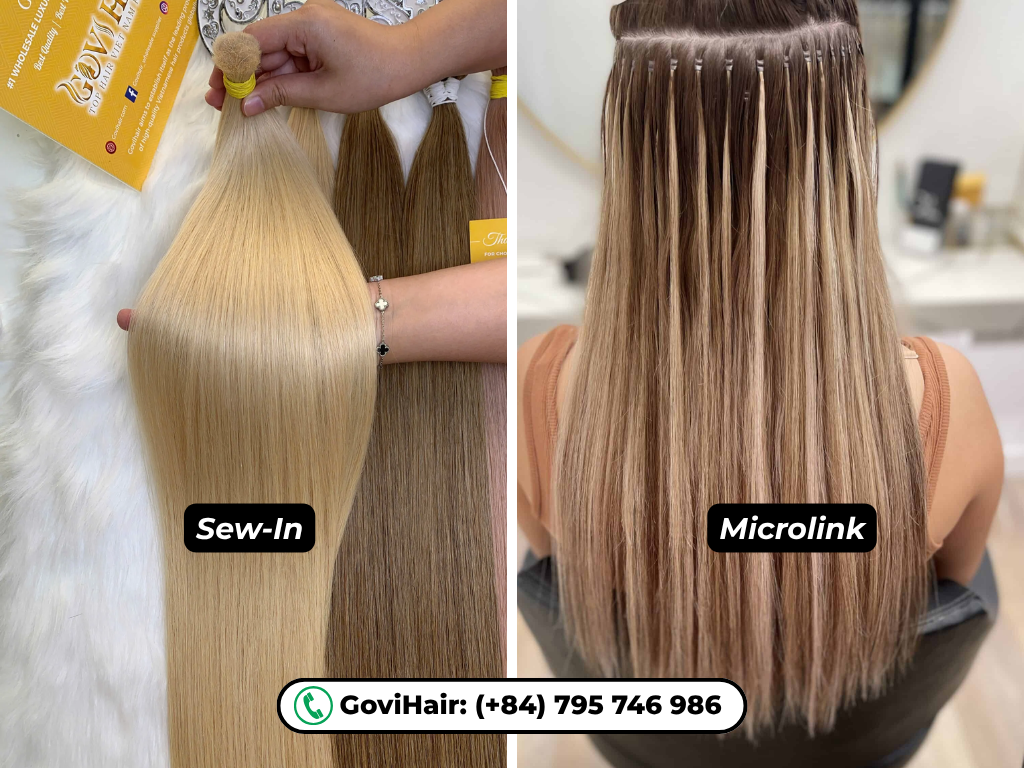
Fusion Hair Extensions
Fusion extensions use a keratin-based adhesive to bond each strand of extension hair to small sections of your natural hair. Applied with a heat tool, this method creates a seamless and long-lasting result.
Best for: Long-term wear, natural finish
Pros:
- Provides one of the most discreet and natural-looking blends
- Extensions stay securely in place for 3 to 4 months
- Great for all hair types when applied correctly
- Supports full freedom in heat styling and hair coloring
Cons:
- Application involves heat, which may weaken fragile hair
- Not reusable, keratin bonds must be cut off after removal
- Requires several hours for full installation
- Professional removal is essential to avoid damage or residue
Halo Hair Extensions
Halo extensions feature a single weft attached to an invisible wire that sits on the crown of your head – a lightweight boost for elongating haircuts for round faces, hidden under your natural hair. They’re one of the most convenient and damage-free extension methods available.
Best for: Beginners, thin or fine hair
Pros:
- Easy and fast to apply, perfect for last-minute styling
- No heat, clips, glue, or beads, completely non-damaging
- Ideal for fine hair that cannot support tension from other methods
- Can be reused indefinitely with proper care
Cons:
- May not stay secure during high movement or intense activities
- Limited versatility for updos or pulled-back styles
- Can shift on layered hair or during windy conditions
- Offers less volume compared to multi-piece extensions
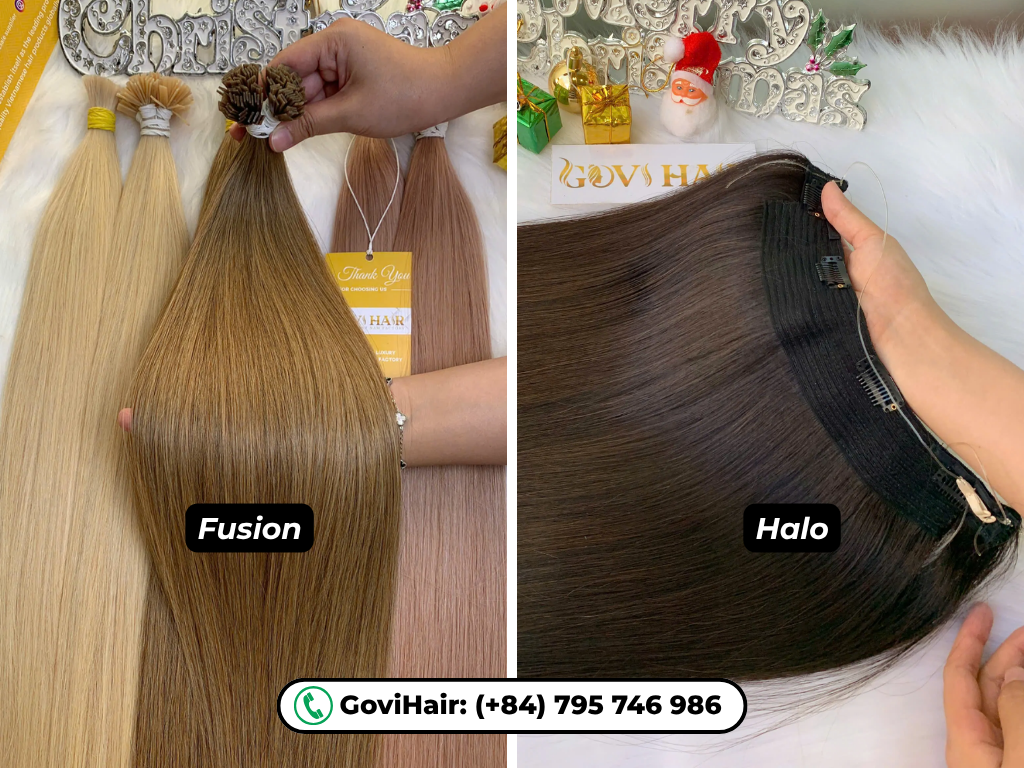
Wigs and Hair Toppers
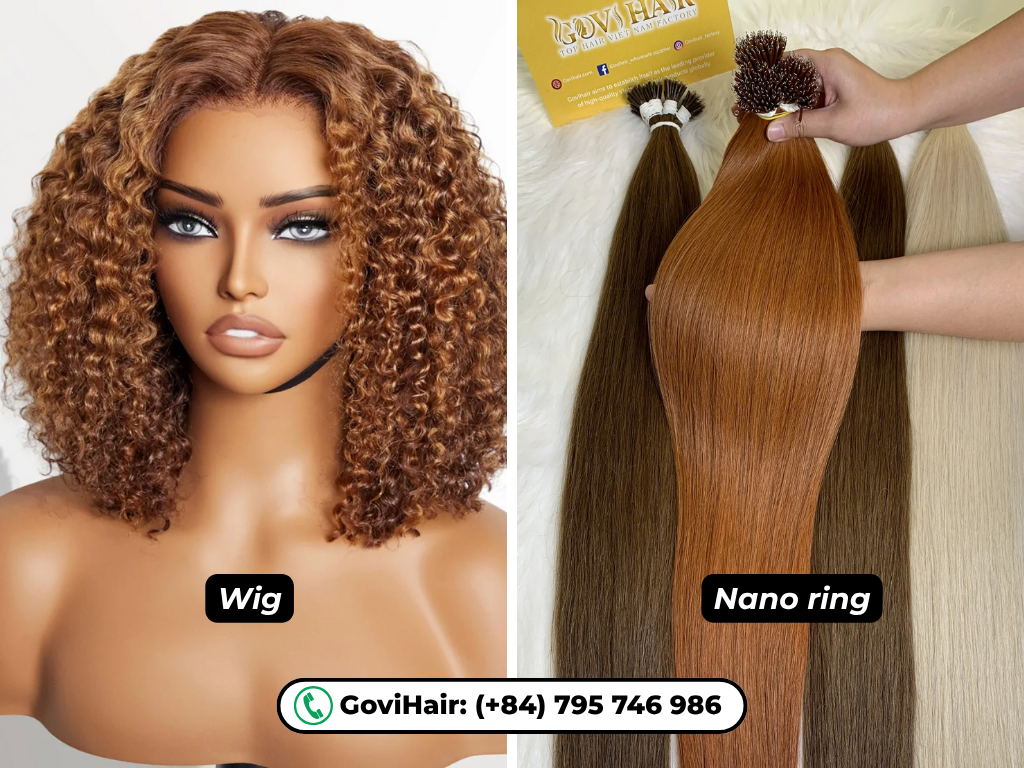
Wigs and hair toppers offer total or partial coverage and are commonly used by individuals experiencing hair thinning, bald spots, or medical hair loss. Toppers add volume at the chin for heart-shaped haircuts, while wigs cover the entire scalp.
Best for: Full coverage or specific problem areas
Pros:
- Provides instant transformation in color, length, or texture
- No commitment, easy to remove and swap between styles
- Protects natural hair from daily styling, heat, and environmental damage
- High-quality lace wigs offer a highly realistic hairline and scalp appearance
Cons:
- Premium human hair wigs can be expensive
- Adhesive application may irritate sensitive scalps
- Can feel warm or heavy with all-day wear
- Requires regular cleaning, detangling, and storage to maintain quality
Nano Ring Hair Extensions
Nano ring extensions are a more advanced version of microlinks, using ultra-small, discreet beads to attach individual strands of extension hair to your natural hair. The beads are up to 90% smaller than traditional micro rings, making them nearly invisible and ideal for clients who want a seamless, natural look, especially in fine or thinning hair.
Best for: Fine to medium hair, long-term wear with a discreet finish
Pros:
- Extremely small and discreet; great for high-visibility areas like the hairline
- No heat or glue required, making them gentler on the hair
- Individual strand placement allows for flexible styling and movement
- Can be adjusted and reused over several months with maintenance
- Lightweight feel, ideal for those who dislike the bulk of other methods
Cons:
- Requires professional installation and regular salon maintenance (every 4–6 weeks)
- Not ideal for very thick or coarse hair, which may overwhelm the small beads
- Time-consuming to apply due to strand-by-strand method
- Improper installation or lack of care can cause tangling at the roots
- Higher upfront cost due to the advanced application process
How to Choose the Right Types of Hair Extensions for Your Hair
Hair extensions are not one-size-fits-all. The ideal type depends largely on your natural hair texture, density, and condition. Choosing the right method ensures a seamless blend, comfortable wear, and long-lasting results, without causing damage to your strands.
Types Of Hair Extensions For Thin Hair
Thin or fine hair requires lightweight extensions that won’t put stress on fragile strands. The goal is to add fullness without weighing down the roots or causing breakage.
Best options include:
- Tape-in extensions: Their flat design sits close to the scalp and is nearly invisible on fine hair.
- Halo extensions: Perfect for quick wear without any tension or adhesives.
- Microlinks (with caution): When applied correctly and in moderation, microlinks can work, but regular maintenance is essential.
- Clip-ins (lightweight sets): Choose fine wefts and avoid heavy, multi-piece sets that could tug on your roots.
- Nano ring extensions: An advanced version of microlinks, nano rings use ultra-small beads for a discreet, damage-minimizing install, ideal for fine hair when applied by a professional.
Best Types of Hair Extensions for Thick or Coarse Hair Textures
Thicker hair types offer more versatility because they can support more weight and volume. The key is to choose a method that integrates well with your natural texture while offering durability.
Best options include:
- Sew-in extensions: Ideal for coarse hair, especially in protective styles.
- Fusion extensions: Strong enough to hold securely in thick hair and blend well.
- Microlinks: Offer individualized control and blend beautifully with denser strands.
- Clip-ins: Use multiple wefts for fuller looks.
With thick hair, you can typically handle more volume and longer wefts, but proper sectioning and styling are essential for natural-looking results.
Read more: Human Hair vs Synthetic Hair Extensions: Which is Best for You?
Types of Hair Extensions That Work Best for Curly or Wavy Hair
Matching curl patterns is crucial for those with natural curls or waves. The wrong texture will stand out and ruin the blend, no matter how well-applied the extensions are.
Best options include:
- Sew-ins with curly or kinky-curly wefts: Perfect for maintaining curl integrity.
- Tape-ins with textured hair: Increasingly popular and now available in curl-friendly textures.
- Wigs or toppers with defined curl patterns: Great for temporary transformation or hair loss coverage.
- Clip-ins in curly textures: Ideal for enhancing volume in natural curls.
Types of Hair Extensions for Naturally Straight Hair
Straight hair blends beautifully with most extension types, but achieving a seamless match still requires attention to detail, especially in texture and shine.
Best options include:
- Tape-ins or fusion extensions: Offer smooth integration with straight strands.
- Clip-ins in silky straight textures: Fast and easy for volume or length.
- Halo extensions: Work exceptionally well on straight hair for casual, damage-free wear.
Gentle Types of Hair Extensions for Damaged or Fragile Hair
If your hair is damaged due to heat, chemical treatments, or medical reasons, it’s important to avoid high-tension methods. Prioritize non-invasive options that don’t pull, glue, or require heat for installation.
Best options include:
- Halo extensions: No contact with the scalp or roots, zero risk of damage.
- Wigs or toppers: Provide full or partial coverage while your hair recovers.
- Lightweight clip-ins (occasional use): When used sparingly and removed daily.
- Tape-ins (if approved by a stylist): Only if your damage is minimal and your roots are strong.
Expert Tips for Choosing the Best Types of Hair Extensions
Selecting the perfect hair extensions isn’t just about the method, it’s also about how well they match and meet your lifestyle needs. Consider these expert tips before you buy or install any type.
Matching Texture, Length, and Color for a Natural Look
For extensions to look truly undetectable, they need to blend seamlessly with your own hair and layered styles for oblong faces. That means getting the texture, length, and color spot-on.
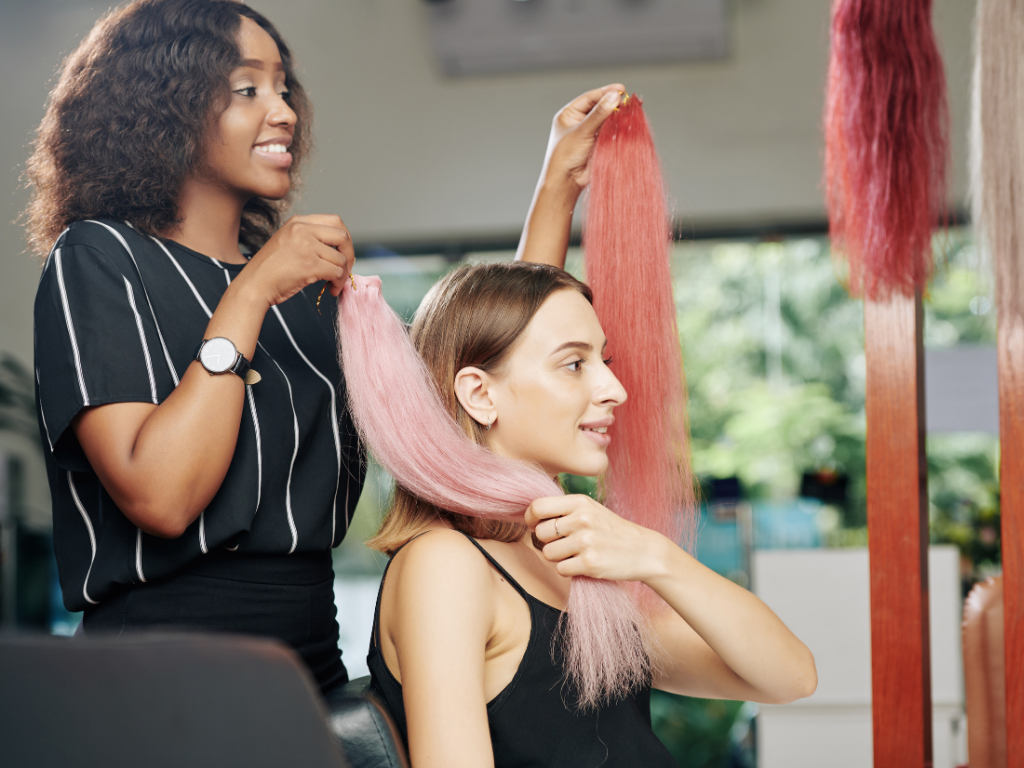
- Texture: Match straight, wavy, curly, or kinky patterns exactly to your hair type. For curly hair, choose extensions with the same curl diameter and porosity.
- Length: Consider both your current hair length and your styling goals. Too much contrast between your natural hair and the extensions will be obvious.
- Color: Opt for a perfect color match or subtle balayage blends. You can custom-dye human types of hair extensions, but always test a small section first.
>> Read More: I Tip vs K Tip Hair Extensions: Which is Better?
Maintenance Tips for Different Types of Hair Extension
Proper care keeps your extensions looking fresh and lasting longer. Here are essential tips for all types of hair extensions:
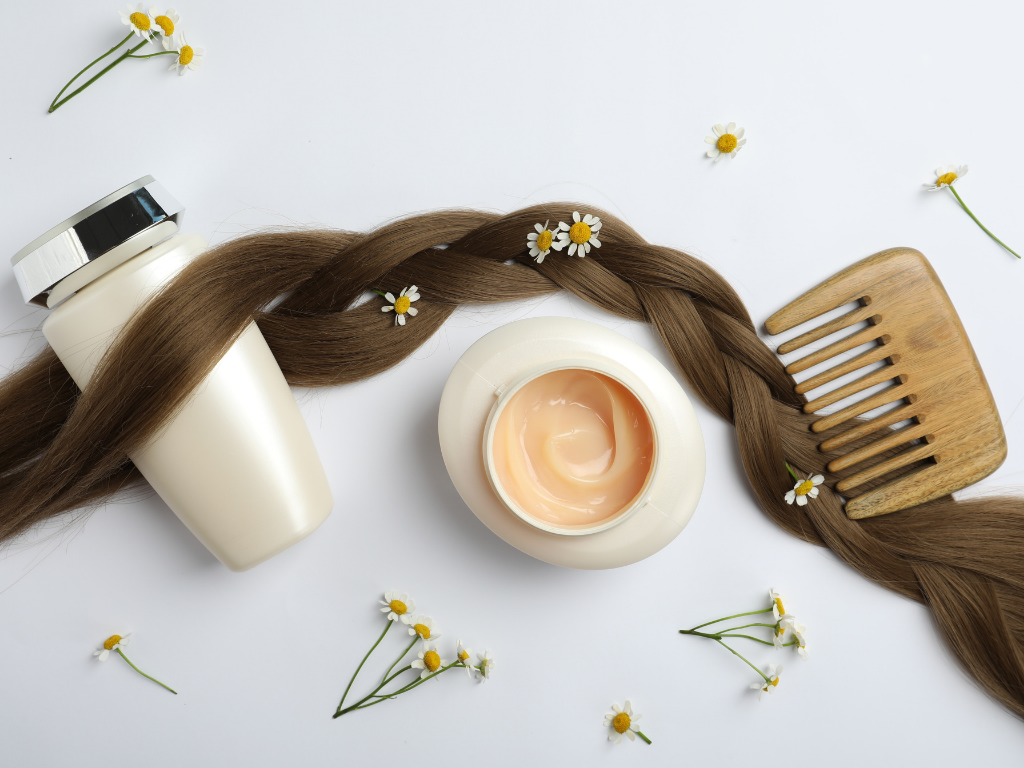
- Use sulfate-free shampoo and lukewarm water to avoid dryness and bond damage.
- Limit heat styling or always apply a heat protectant before using hot tools.
- Detangle gently with a wide-tooth comb, starting from the ends upward.
- Never sleep with wet hair to prevent matting or scalp irritation, always dry first.
- Schedule salon maintenance every 4–8 weeks for tape-ins, microlinks, or fusion.
- Store clip-ins and halo extensions in a silk bag or original box when not in use.
Consistent care helps maintain the look, health, and longevity of your extensions.
FAQs
1. What are the different types of hair extensions?
The most common types of hair extensions include clip-in, tape-in, sew-in (weave), fusion (keratin), micro link (beaded), halo, and wig extensions. Each type differs in installation method, durability, and maintenance level.
2. What type of hair extensions last the longest?
Fusion (keratin) and sew-in hair extensions typically last the longest, around 3–6 months, with proper care. The longevity also depends on hair quality, installation technique, and maintenance routine.
3. Are human hair extensions better than synthetic?
Yes, human hair extensions are generally better than synthetic ones. They look more natural, last longer, can be styled with heat, and blend seamlessly with real hair. Synthetic extensions are more affordable but have limited styling options.
4. Which hair extensions are the least damaging?
Clip-in and halo hair extensions are the least damaging because they don’t require glue, heat, or chemicals. Tape-ins and micro links can also be safe when installed and maintained correctly by a professional.
5. What type of hair extensions are best for thin hair?
For thin or fine hair, tape-in, halo, and micro link extensions are ideal. They are lightweight, distribute tension evenly, and create natural volume without stressing the scalp.
Conclusion: Find the Best Types of Hair Extensions for You
Hair extensions aren’t just a trend, they’re a powerful way to enhance your look. With so many types of hair extensions available, the key is choosing one that suits your hair type, lifestyle, and styling goals. From microlinks for volume to sew-ins for protection or clip-ins for a quick change, there’s a perfect method for everyone.
If you’re seeking premium-quality types of hair extensions, GoviHair is your trusted destination. As one of Vietnam’s leading human hair suppliers, we specialize in 100% human hair extensions, ethically sourced and crafted to meet global standards. At GoviHair, you’ll find a full range of extension styles, textures, and colors that blend beautifully with every hair type.
From sleek straight to voluminous curls, each piece is soft, glossy, and built to last, with proper care, our extensions can stay stunning for years. Discover why salons and resellers worldwide choose GoviHair for unmatched quality and consistency.
Contact Us:
- WhatsApp: (+84) 795 746 986
- Email: [email protected]
- Instagram: govihair_factory
- TikTok: govihairvietnam_official
- Website:govihair.com


 Ms. Sophia