

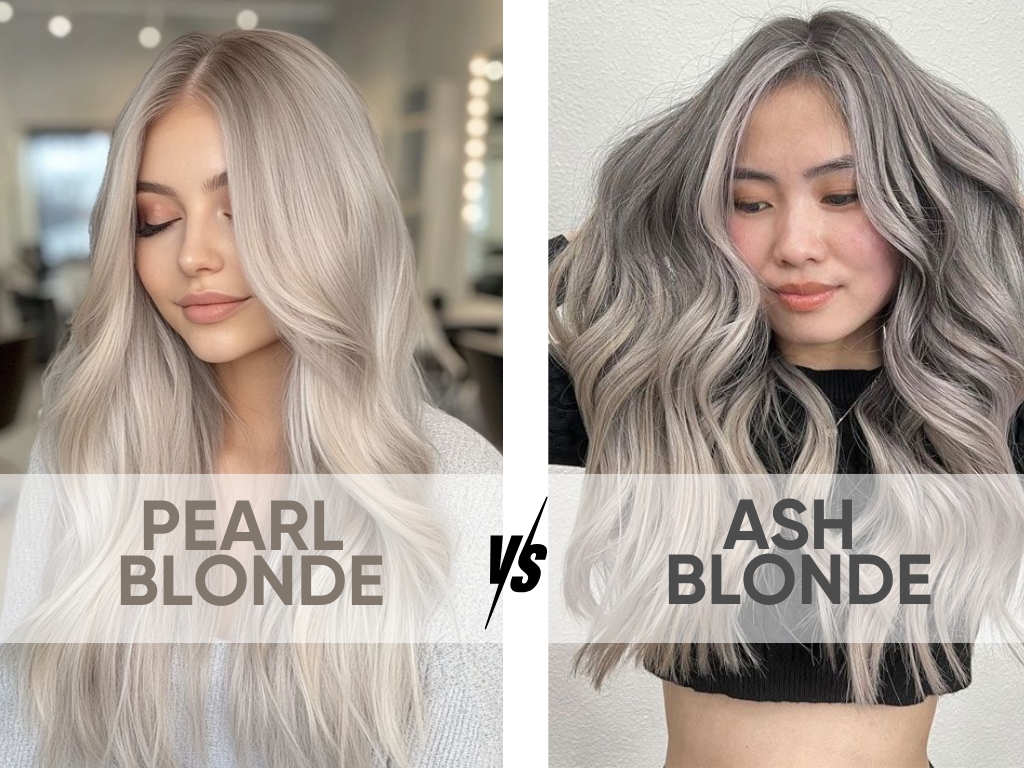
Choosing between cool blonde tones can be challenging, but understanding the difference between pearl blonde vs ash blonde is essential for achieving your ideal hair color. Furthermore, knowing which tone complements your natural complexion and maintenance routine ensures a stunning result. Discover the unique characteristics of each shade and determine which icy blonde is your perfect match.
What Is Pearl Blonde?
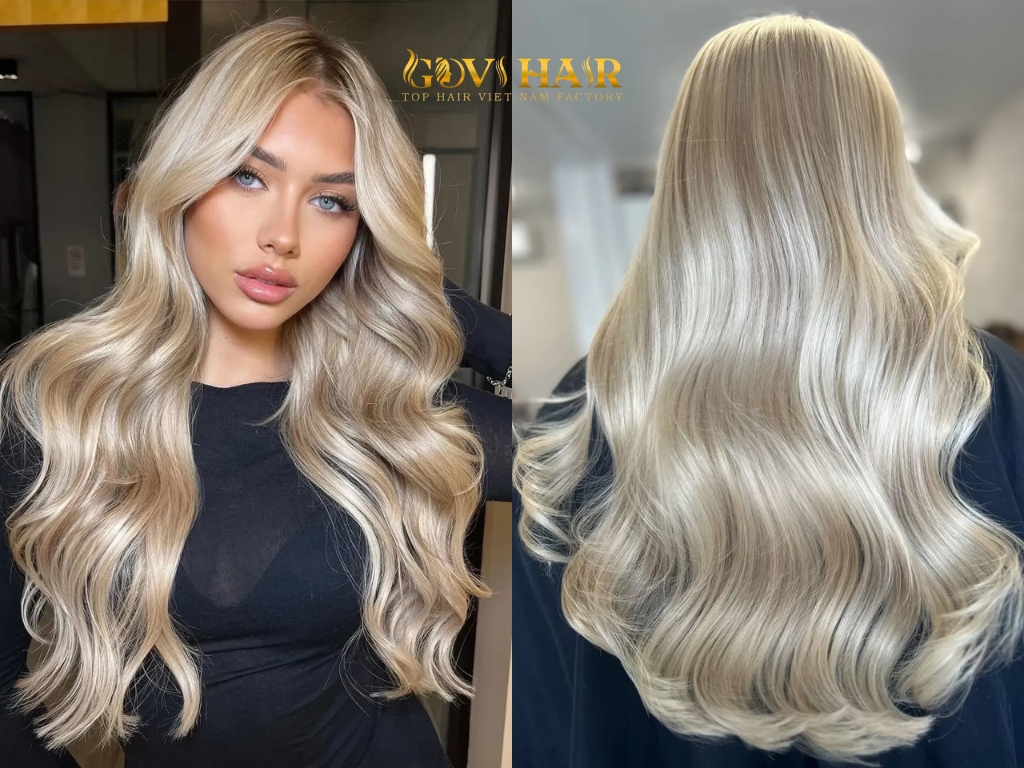
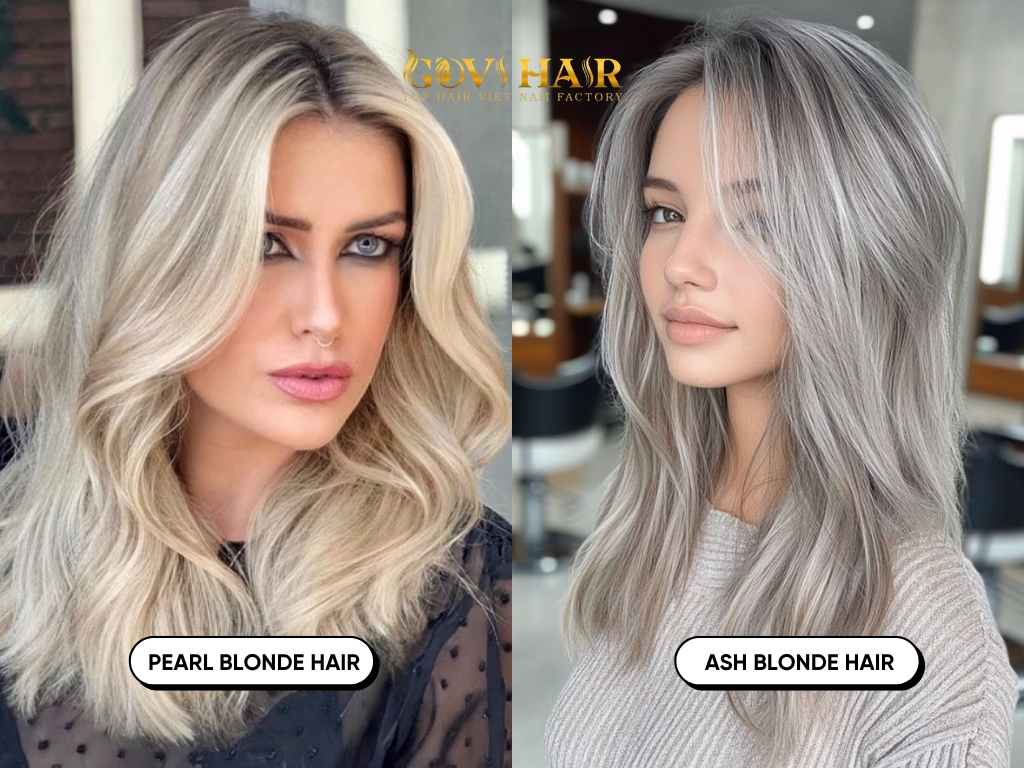
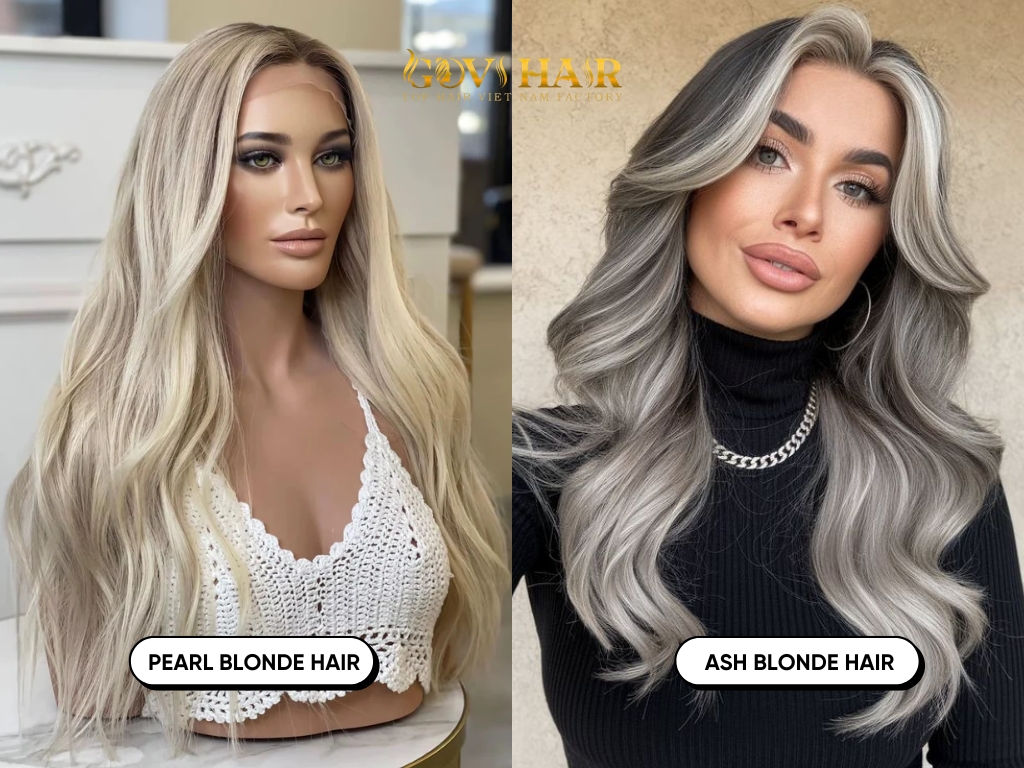
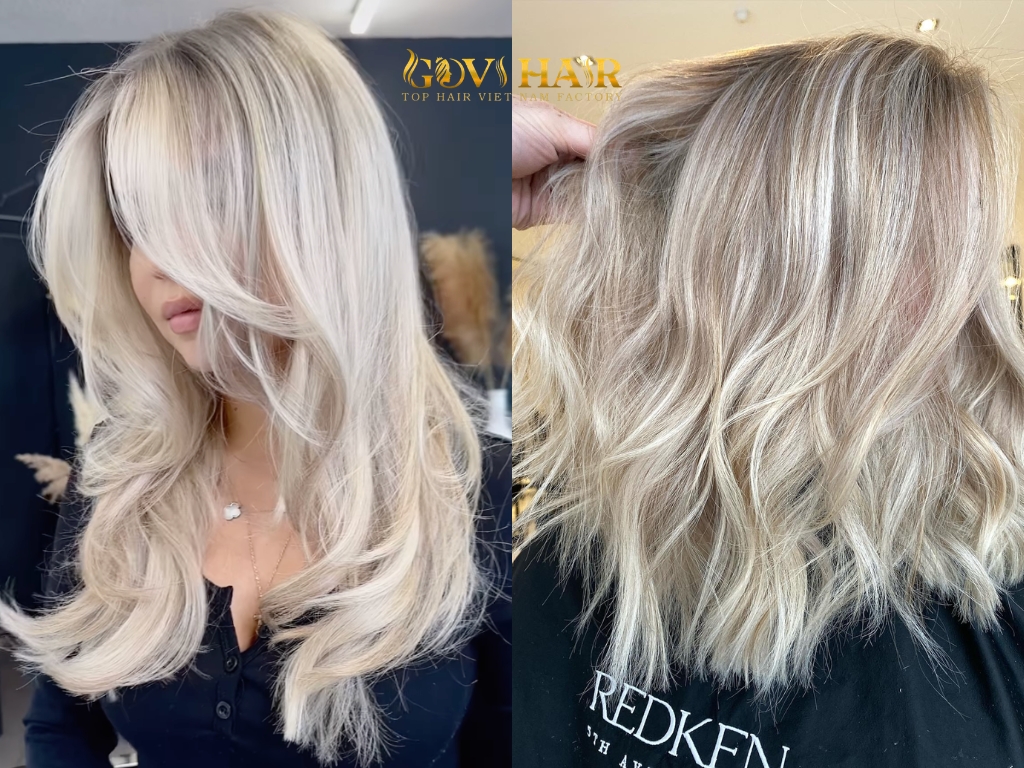
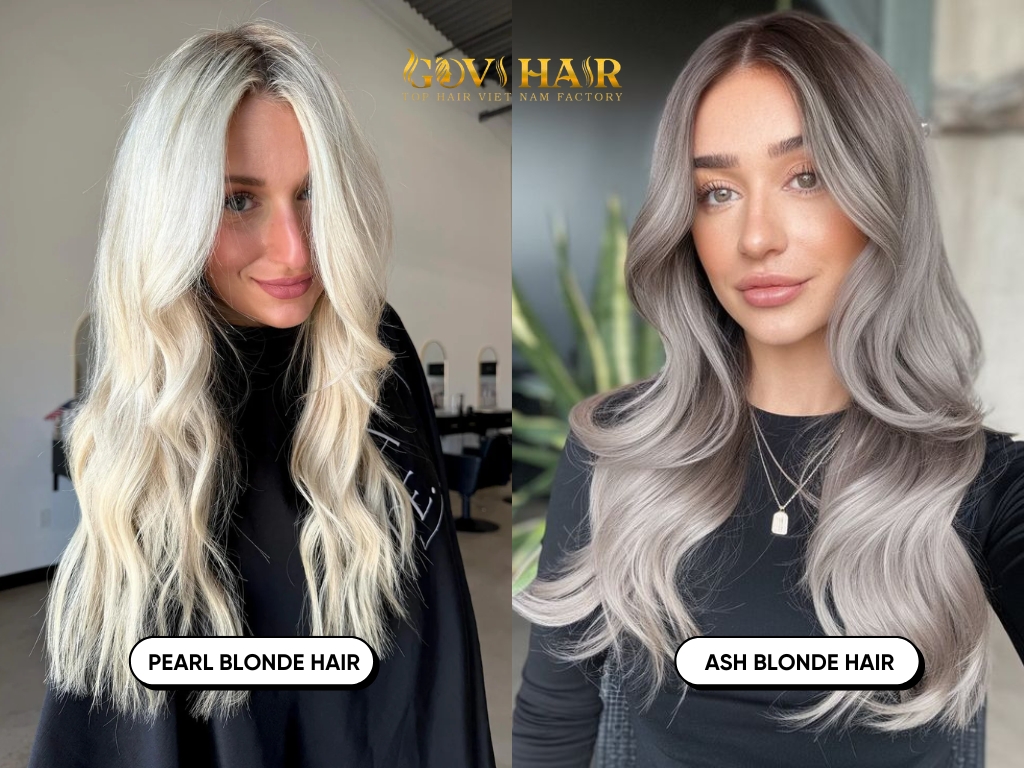
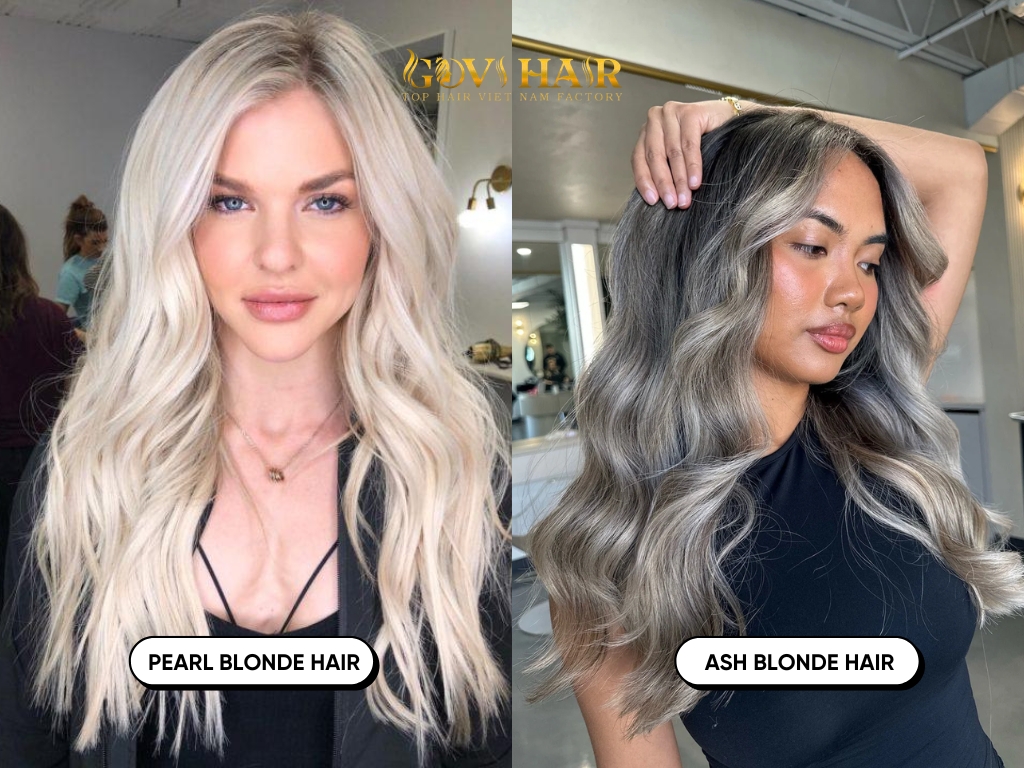
Pearl blonde is a soft, luminous blonde hair color known for its delicate blend of cool and warm undertones. This shade creates a smooth, opalescent effect similar to the natural sheen of a pearl. The color usually mixes a light platinum blonde base with subtle hints of beige, rose, or soft lavender, which gives it a multi-dimensional glow without becoming too warm or too icy.
Pearl blonde attracts people who want a refined and elegant blonde shade that brightens the complexion. The tone looks especially radiant under natural light because the slightly iridescent pigments reflect light gently. Furthermore, the shade works well on different skin tones, as the warm and cool elements balance each other beautifully.
What Is Ash Blonde?
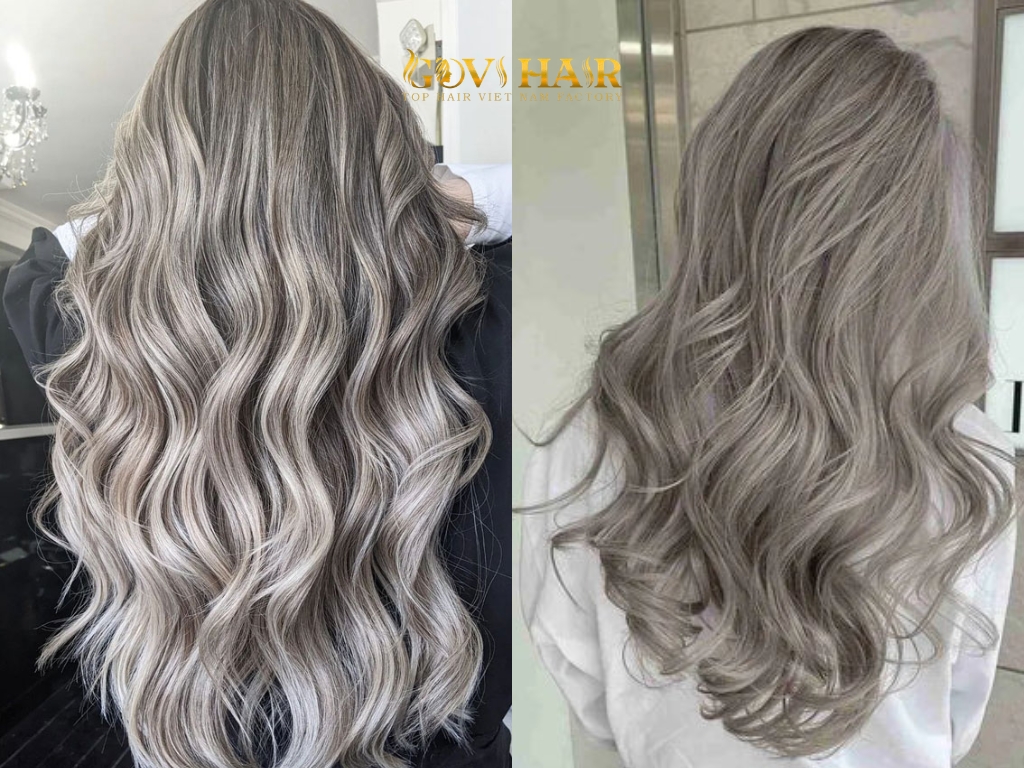
Ash blonde is a cool-toned blonde shade known for its smoky, muted, and slightly gray undertones. Unlike warmer blondes that lean golden or honey, ash blonde removes warmth and yellow tones to create a cleaner, cooler, and more modern look. The result is a blonde color that feels refined, sophisticated, and effortlessly chic.
Ash blonde usually sits on a spectrum that ranges from light icy silver-blonde to deeper sandy ash tones. This shade works especially well for people with naturally cool or neutral skin tones because the color enhances their complexion without adding warmth. However, with the right toner and depth adjustment, ash blonde can be customized for almost anyone who prefers a cooler blonde look.
What Are the Similarities Between Pearl Blonde and Ash Blonde?
While the ultimate aesthetic and the specific neutralizing pigments differ between ash blonde vs pearl blonde, these two shades share several crucial characteristics. Both colors, ash blonde vs pearl blonde, fall squarely into the category of cool-toned blondes, making them highly popular choices for clients seeking to eliminate brassiness. Understanding these similarities is vital for anyone choosing between pearl vs ash blonde or maintaining these icy looks.
- Both Are Categorized as Cool-Toned Blondes: The most fundamental similarity is their temperature. Both ash and pearl blonde shades are firmly positioned on the cool end of the color spectrum.
Their primary objective is to neutralize or cancel out the warm undertones (yellow, gold, and orange) that naturally emerge when hair is lightened. Neither shade contains any strong warm pigments like red, gold, or copper. The result of both is a brass-free, icy, or frosty finish, ensuring the hair appears clean and vibrant rather than yellow or golden.
- High Level of Lift is Required: Regardless of whether you choose ash vs pearl blonde, the hair must be lifted to a very light level to accept the cool toner successfully. Both toners require the hair to reach a pale yellow stage, typically Level 9 or Level 10. This near-platinum base is necessary because if the hair is not light enough, the cool pigments cannot perform their job. Instead, they would mix with residual orange or deep yellow, resulting in a muddy, greenish, or flat, lackluster tone rather than the intended frosty color.
- High Maintenance is Essential: Due to the extreme lifting required and the nature of cool pigments, both shades are inherently high-maintenance and require a specialized home care routine. Both colors absolutely necessitate the regular use of neutralizing shampoos. Ash blonde usually benefits from strong blue or purple shampoo, while pearl blonde relies heavily on purple shampoo.
The purpose, however, is the same: to deposit neutralizing pigments that counteract the inevitable yellow and gold brassiness that surfaces as the professional toner fades. Furthermore, cool tones inherently fade faster than warm tones, meaning both ash and pearl blonde require frequent salon visits, typically every 6 to 8 weeks, for a toner refresh to keep the color icy and vibrant.
- Flatter Similar Skin Tones: Both cool blonde variations are generally recommended for individuals who have cool or neutral skin undertones. The icy, non-golden nature of both ash vs pearl blonde creates a beautiful contrast that complements skin that has pink, red, or blue undertones. They help to make the skin look clearer and brighter by minimizing any redness.
People with neutral skin tones (a mix of warm and cool) can generally wear both colors successfully, as neutral skin does not strongly clash with either a matte cool tone or a reflective cool tone.
Pearl Blonde vs Ash Blonde: What’s the Difference?
The distinction between pearl vs ash blonde is subtle but significant, resting on the specific neutralizing pigments used and the resulting reflective quality of the hair. While both are highly sought-after cool-toned blondes, ash is prized for its matte coolness, while pearl is loved for its luminous shine. Choosing between ash vs pearl blonde depends on the aesthetic you want to achieve and your skin’s undertone.
Skin Tone Suitability
Both shades generally suit cool and neutral skin undertones best, but there are subtle distinctions:
- Ash Blonde (Smoky Cool): This shade, with its heavy blue/green/gray base, is excellent for people with cool undertones (pink, blue, or red hues in the skin). The strong cool pigments in ash blonde help to visually neutralize any redness or ruddiness in the face, creating a harmonious and balanced overall look. Darker ash blonde shades can also look striking on certain dark skin tones.
- Pearl Blonde (Luminous Cool): This shade is often more universally flattering across cool to neutral undertones because it introduces light violet or iridescent pigments. The reflective quality of pearl blonde brightens the complexion and provides a soft, illuminated glow without being as stark or smoky as ash.
Undertone
This is the most critical difference between pearl vs ash blonde from a color theory standpoint:
- Ash Blonde: The toner base is blue-green or gray. Blue and green are directly opposite orange and red on the color wheel. This base is incredibly potent at canceling out strong orange and yellow brassiness, resulting in a cool color that looks dusty, smoky, and typically has a flat, matte finish.
- Pearl Blonde: The toner base is violet/iridescent. Violet is used to primarily neutralize soft yellow tones. This base creates a multi-dimensional, high-shine effect that mimics the luster of a pearl. It looks creamy, bright, and reflective, with a translucent quality rather than a smoky finish.
Base or Root Color
The styling choices often associated with each shade differ based on the desired level of maintenance and contrast:
- Ash Blonde: This color pairs exceptionally well with a shadow root or a natural, darker base, often 1-3 shades darker than the blonde itself. The shadow root enhances the cool, moody aesthetic of the ash, making the overall style look edgier, lived-in, and more deliberately styled.
- Pearl Blonde: Clients often prefer a softer, seamless blend with their roots, keeping the base closer to their natural color but transitioning smoothly into the luminous pearl. Since pearl blonde is about clean, reflective shine, the root blend is often softer to emphasize elegance and polish.
Personal Style and Fashion Preferences
The final result of each shade suggests a different aesthetic:
- Ash Blonde: This shade is associated with a modern, edgy, or sophisticated style. The smoky, matte texture is often chosen by those who prefer strong lines, intentional shadow, and a more “cool girl” or minimalist fashion sensibility.
- Pearl Blonde: This color conveys elegance, luxury, and ethereal charm. The reflective, glossy nature is often favored by those who want a glamorous, high-shine look that emphasizes healthy, expensive-looking hair.
Maintenance Requirements
Both shades are high-maintenance due to the cool pigments, but their needs differ slightly:
- Ash Blonde: Requires intense maintenance to fight the underlying yellow/orange tones that always want to surface. Stylists recommend strong blue or purple shampoos weekly, as the color can quickly turn muddy or brassy if not consistently neutralized.
- Pearl Blonde: Requires maintenance focused primarily on shine and eliminating yellow. While still high maintenance, the focus is on maintaining the luminous quality. Regular use of purple shampoo is essential, but integrating shine-boosting serums and deep conditioning treatments is just as crucial to prevent the pearlescent effect from looking dull.
How To Get Pearl Blonde Color?
Achieving a luminous, shimmering pearl blonde shade requires careful and precise lifting, as the toner used for this color is very sheer. The key difference when compared to the neutralizing power of ash blonde vs pearl blonde is that pearl toners are less potent at fighting brassiness, demanding a very pale starting canvas. This process is best performed by a professional stylist to prevent damage and ensure an even, high-level lift.
Step 1: Bleaching
The journey to pearl vs ash blonde begins with significant lightening. Since pearl blonde is a Level 9 or 10 color, you must use a high-quality lightener (bleach) mixed with a suitable developer, usually 20 or 30 volume. Apply the lightener evenly to the hair, starting from the mid-shaft and working up towards the roots, as roots process faster due to head heat. For dark or previously colored hair, a color remover or multiple rounds of bleaching may be necessary.
Step 2: Tracking Lift
The success of the pearl tone depends entirely on lifting the hair past the yellow-orange stage. You must lift the hair to a very pale yellow color, similar to the inside of a banana peel (Level 9 or 10).
If the hair is left with strong yellow or orange tones, the delicate violet-based pearl toner will not neutralize them effectively, resulting in an uneven, brassy finish instead of a clean, icy shimmer. Continuously monitor the hair, and stop the process immediately once the pale yellow is achieved, as leaving the bleach on too long can cause severe damage.
Step 3: Rinse
Once the desired pale yellow lift is achieved, thoroughly rinse the hair to halt the chemical process. Rinse the hair with lukewarm water for several minutes until all traces of the lightener are removed. Follow with a clarifying or neutralizing shampoo to ensure the lightener is fully deactivated. Do not condition the hair yet, as the cuticle needs to remain slightly open to accept the toner pigments. Gently towel-dry the hair until it is damp.
Step 4: Apply Pearl Toner
This final step provides the signature luminous, cool tone that distinguishes pearl from the smoky finish of ash vs pearl blonde. A professional pearl toner, which contains strong violet and iridescent pigments, is mixed with a low-volume developer, usually 6–10 volume. Apply the toner quickly and evenly to all the damp hair. The toner should be monitored closely, as the processing time is short.
As the toner processes, it neutralizes the remaining pale yellow, leaving behind the signature shimmery, translucent, pearl blonde finish. Rinse thoroughly, and follow up with a bond-building treatment and deep conditioner to close the cuticle and lock the fragile color in place.
How To Get Ash Blonde Color?
Step 1: Bleaching
To achieve ash blonde, the hair must be lifted past the strong orange stage to a pale yellow. Use a high-quality lightener (bleach) mixed with a suitable developer (usually 20 or 30 volume).
Apply the lightener systematically, starting away from the roots, which process faster due to head heat. Thorough saturation of the hair is essential to prevent patchiness and ensure an even lift across all strands.
Step 2: Tracking Lift
The success of ash blonde vs pearl blonde toning depends on lifting the hair to the correct underlying color. For ash blonde, you need to lift the hair to a Level 8 (light yellow-gold) or Level 9 (pale yellow).
If the hair is left with too much orange or red pigment, the blue/green/gray pigments in the ash toner will mix with the red/orange, resulting in a muddy, dull, or greenish tone rather than the desired smoky coolness. Continuously monitor the hair, checking the lift every 10–15 minutes until the correct pale yellow is achieved.
Step 3: Rinse
Once the hair has reached the targeted level (pale yellow), thoroughly rinse it with cool or lukewarm water for several minutes to completely remove and neutralize the bleach. Follow with a clarifying or neutralizing shampoo to ensure the lightener is fully deactivated. Do not apply conditioner yet, as the cuticle needs to remain open for the subsequent coloring step. Gently towel-dry the hair until it is damp.
Step 4: Apply Ash Blonde Dye
In some professional techniques, especially when lifting only a few levels or trying to achieve a darker ash blonde, a permanent or semi-permanent ash blonde dye is applied first.
This dye contains the necessary blue/green pigments to deposit the cool color. Mix the ash blonde hair dye with the appropriate low-volume developer (usually 10 or 20 volume) and apply it evenly. The processing time varies, so follow the manufacturer’s instructions closely, monitoring the color development until the desired cool shade is achieved.
Step 5: Toning Your Hair
Toning is the final, crucial step to perfect the smoky ash tone and is often required even after using an ash dye. A targeted ash toner, which contains strong blue, violet, or gray pigments, is mixed with a low-volume developer (often 6–10 volume) and applied to the damp hair.
The toner is quickly applied and carefully monitored. It works to cancel any remaining subtle yellow or gold hues, locking in the final cool, matte finish that defines the ash blonde look. After rinsing, follow up with a bond-builder and deep conditioner to restore moisture.
How To Maintain & Style Pearl Blonde and Ash Blonde Hair
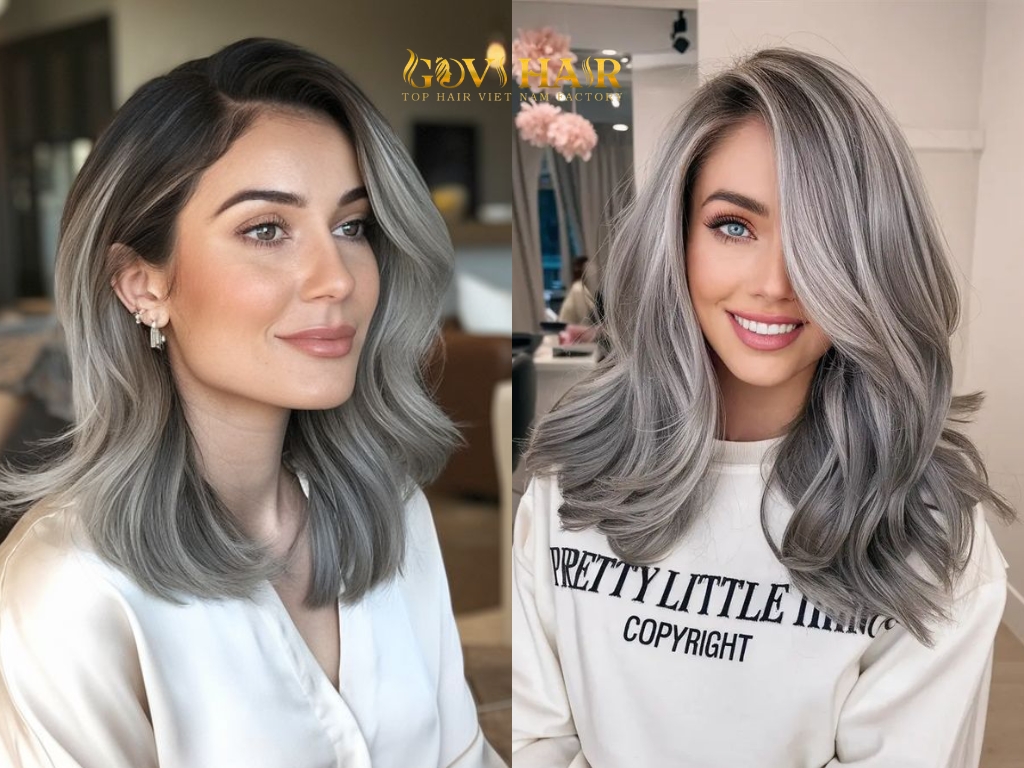
Maintaining cool-toned shades like pearl blonde vs ash blonde requires dedicated effort, as both colors are high-maintenance and highly susceptible to brassiness. While their home care routines share the same goal of neutralizing warmth, the styling approach for ash vs pearl blonde differs significantly due to their unique finishes, ash being smoky and pearl being luminous.
Maintaining pearl blonde hair focuses on preserving its subtle iridescence. This color has a delicate glow that comes from a mix of cool and neutral undertones, so routine hydration is crucial. Moisture masks, gentle shampoo, and nourishing conditioners help keep the surface of the hair smooth, allowing the light to reflect in that signature pearly sheen.
Purple shampoo can be used weekly to control unwanted yellow tones, but it should be applied carefully to avoid over-toning and dulling the soft glow. Pearl blonde also benefits from gloss treatments every few weeks to revive its dimension. Compared to ash blonde in the pearl vs ash blonde conversation, pearl tones are slightly more forgiving when they fade, often softening rather than turning brassy.
Maintaining ash blonde hair requires more precise color correction because ash relies on strong cool undertones to stay icy and matte. This shade can warm up quickly with heat exposure, hard water, sunlight, or product buildup, making toning shampoos and professional refreshers essential. Blue or violet-based formulas help neutralize emerging warmth and keep the color crisp.
Ash blonde hair also needs regular conditioning and protein support because dryness can make the cool tone appear dull or uneven. When people debate ash vs pearl blonde, ash blonde is known as the more demanding shade due to its sensitivity to yellow or golden tones, which must be corrected frequently.
Which Color Is Best for Your Skin Tone?
Choosing between ash blonde vs pearl blonde largely depends on your skin’s natural undertone. Both shades are cool-toned and beautiful, but their specific neutralizing pigments, interact differently with the pigments in your skin. Selecting the color that harmonizes with your complexion is key to achieving a vibrant and flattering look.
- Identifying Your Skin Undertone: Before deciding between ash vs pearl blonde, you must determine if your skin has cool, warm, or neutral undertones:
- Cool Undertones: Skin appears pink, red, or blueish. Veins on your wrist look blue. Your skin tends to burn easily in the sun.
- Warm Undertones: Skin appears yellow, peach, or golden. Veins on your wrist look green. Your skin tends to tan easily.
- Neutral Undertones: Skin has a mix of both warm and cool tones. Veins may look slightly green and slightly blue.
- Ash Blonde Suitability: Ash blonde is a strong, smoky cool color because it is formulated with blue/green/gray neutralizing pigments.
- Best for Cool Undertones: Ash blonde is the ultimate choice for people with cool undertones (pink/red skin). The strong cool pigments in ash blonde act to visually neutralize redness or ruddiness in the complexion, giving the face a more balanced and harmonious appearance. When the hair is cool and the skin is cool, the result is clean and striking.
- Avoid for Warm Undertones: If you have warm or golden undertones, the smoky nature of ash blonde can look too harsh or wash you out. The contrast can make your skin look sallow or dull.
- Pearl Blonde Suitability: Pearl blonde is a luminous cool color because it utilizes iridescent violet pigments, which deliver shine and a softer level of coolness.
- Best for Neutral Undertones: The subtle, shimmery quality of pearl vs ash blonde makes it incredibly flattering for people with neutral undertones. The reflective, translucent quality brightens the skin without creating the extreme contrast of ash, offering a universally softer glow.
- Good for Cool Undertones: It also works beautifully on cool undertones, providing a bright, elegant, and high-shine look that is less stark than ash.
- Can Work for Some Warm Undertones: Since pearl blonde is not overly aggressive in its coolness, some individuals with lightly warm undertones can successfully wear it. The iridescent quality can soften the look, avoiding the “washing out” effect that pure ash blonde can cause.
Pearl Blonde vs Ash Blonde Hair Extensions at Govihair
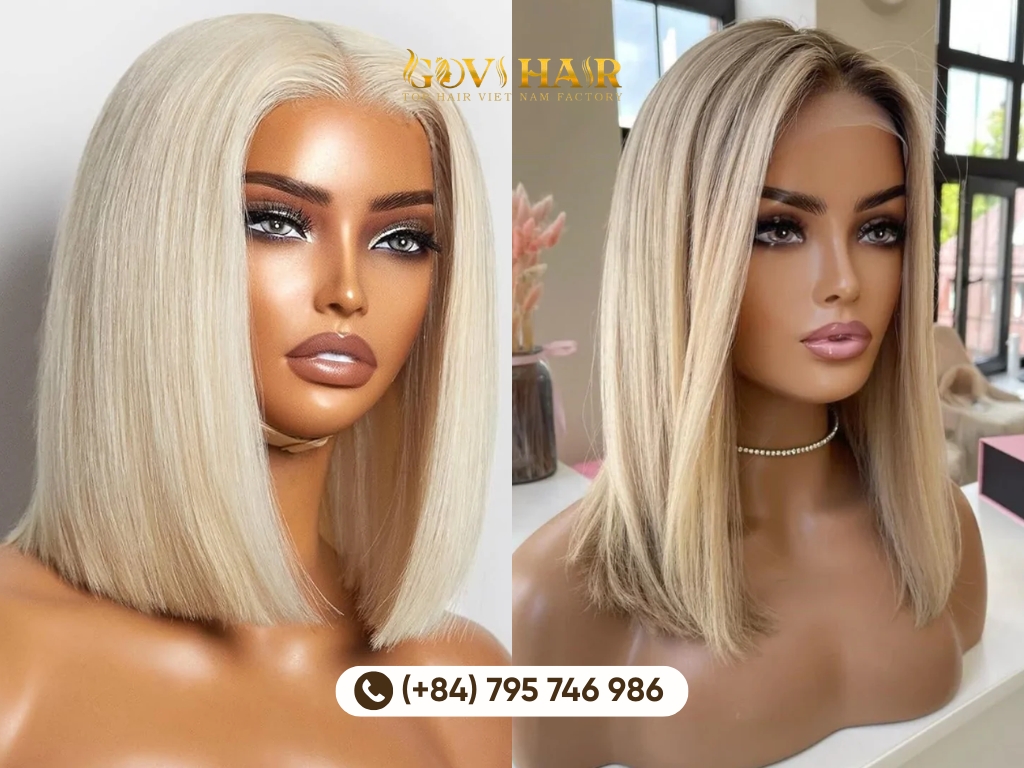
GoviHair‘s premium Vietnamese raw human hair wigs make it easy to experiment without committing to a full salon bleach. Whether you crave the icy, smoky edge of ash blonde or the soft, creamy glow of pearl blonde, GoviHair offers 100% human hair extensions that blend seamlessly and long lasting with proper care. Sourced ethically from single donors with intact cuticles, these lace-front wigs, clip-ins, and bundles stay tangle-free, heat-safe up to 450°F, and versatile for every style, from sleek bobs to beachy waves.
- Ash Blonde Extensions at GoviHair: Ash blonde shines in GoviHair’s collection as the cool-toned queen for fair to light skin with pink or neutral undertones. It delivers that silvery, grey-ish finish with blue-violet pigments that cancel brass completely. Choose from level 8–10 shades in straight, body wave, or loose curl textures. Perfect for the pearl vs ash blonde choice if you want a futuristic, high-fashion vibe that photographs icy under lights.
- Pearl Blonde Extensions at GoviHair: Pearl blonde takes the win in the ash vs pearl blonde matchup for its subtle pink-lavender shimmer that flatters olive, medium, and deep skin tones too. GoviHair’s pearl options blend creamy beige with cool violet for a luminous, porcelain glow that’s forgiving and radiant. Available in the same lengths and textures, with custom orders ready in 7–9 days.
Ready to glow up with the blonde that suits you? Shop GoviHair’s ash and pearl blonde extensions now!
Contact with us:
- WhatsApp: (+84)795 746 986
- Email: [email protected]
- Instagram: govihair_vietnamhair_factory/
- Tik Tok: govihairvietnam_official
- Website: https://govihair.com/
Conclusion
In the end, choosing between pearl blonde vs ash blonde comes down to the look you want and the undertone that complements you best. Both shades are beautiful and versatile, and each can elevate your style in a different way. When you understand your skin tone, lifestyle, and desired vibe, it becomes much easier to select the right blonde shade.
FAQs
Which one is more flattering on most skin tones?
The answer is Pearl blonde. It flatters fair, medium, olive, and deeper skin tones. Ash blonde only truly shines on very fair, cool-pink skin.
Which color looks more natural?
If you want a subtle, soft, creamy blonde, pearl blonde often looks more natural thanks to its balanced undertone. If your natural hair leans darker or cooler, ash blonde can also look very believable. Your choice between ash vs pearl blonde depends on whether you want a bright glow (pearl) or a muted cool vibe (ash).
Which blonde color reduces brassiness better?
Ash blonde is the winner here. Its gray-based tone naturally neutralizes yellow and orange hues, making it a top choice for people dealing with brassiness. Pearl blonde can still fight brass, but because it contains softer warm notes, you may need toning more often.


 Ms. Rosie