

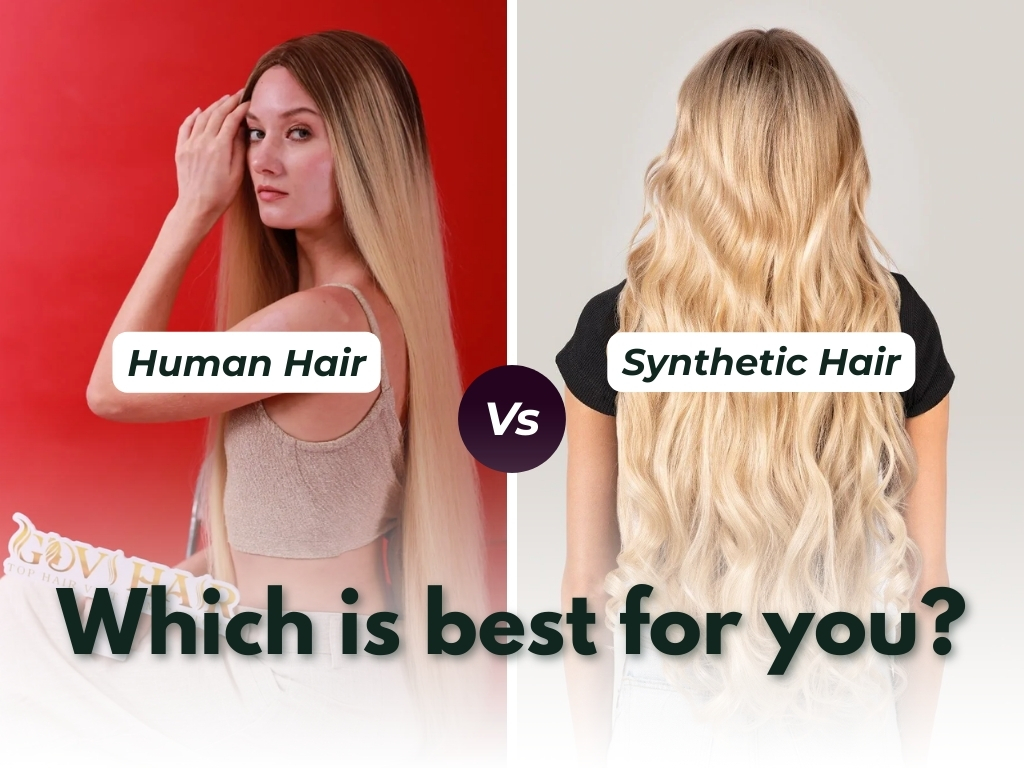
When it comes to choosing between human hair vs synthetic hair extensions, it all depends on your lifestyle, styling needs, and budget. Human hair extensions look more natural, last longer, and can be heat-styled, while synthetic hair is more affordable and low-maintenance but less versatile. In this guide from GoviHair, we break down the key differences so you can confidently choose the right type for your look and routine.
What Are Human Hair Extensions?
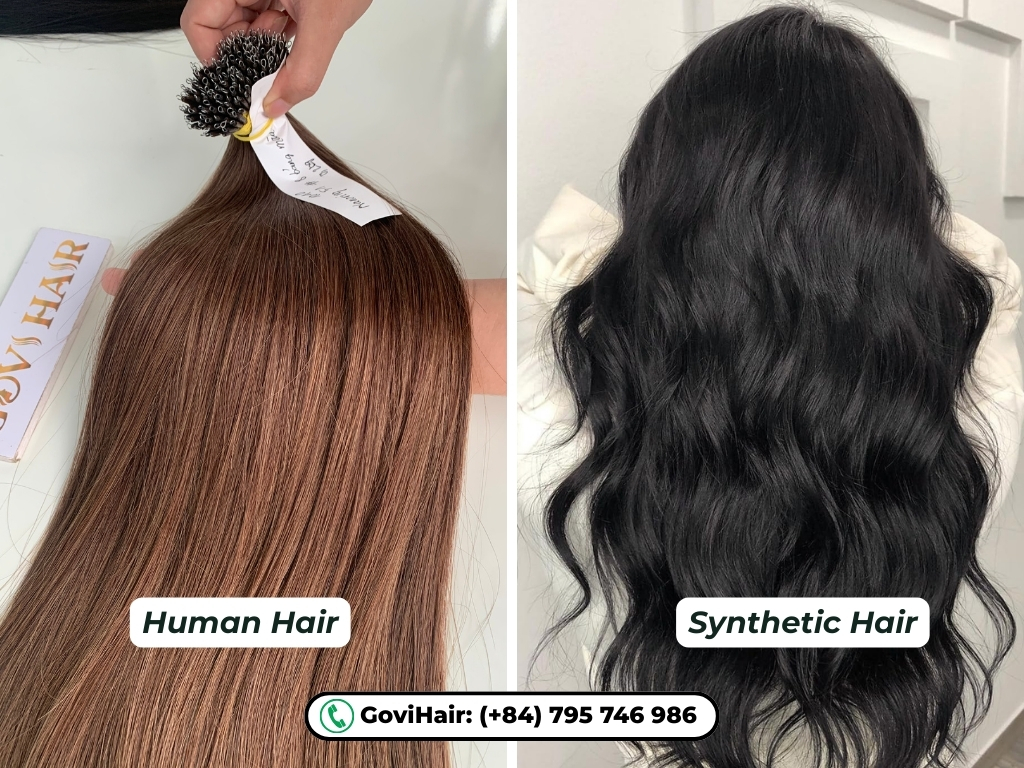
Human hair extensions are crafted from 100% real human hair, typically sourced from donors around the world. These extensions are prized for their natural appearance, softness, and versatility, making them a preferred choice for those seeking a seamless blend with their own hair.
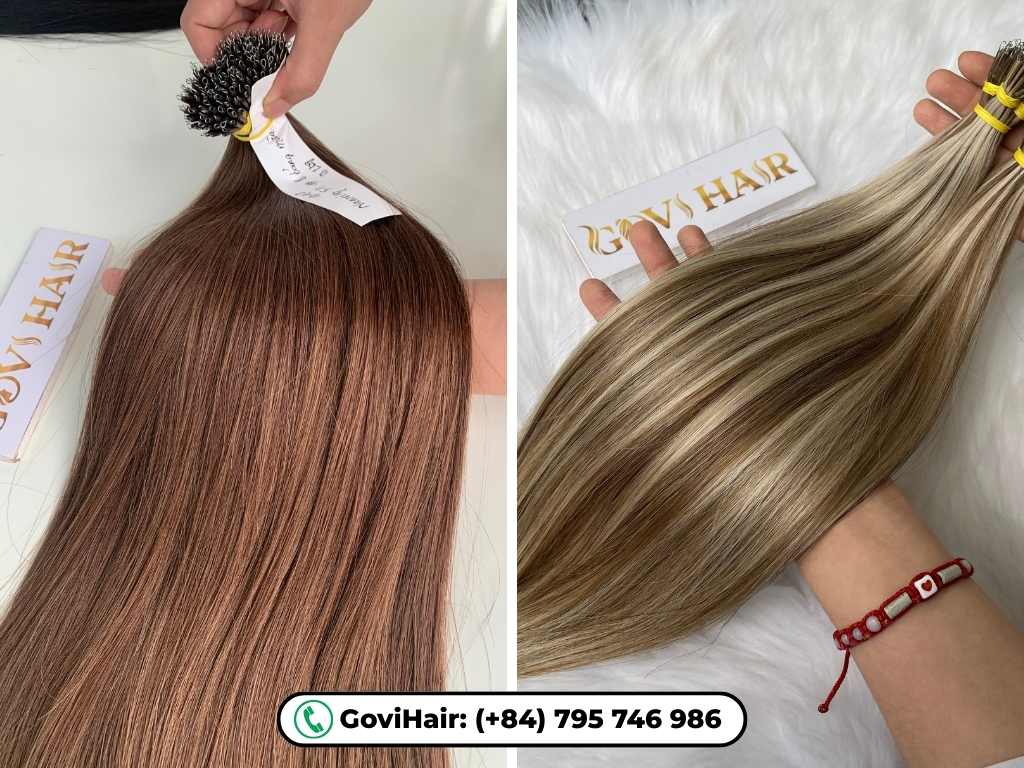
One of the most sought-after types is Remy human hair, a premium quality that retains the hair cuticle and keeps all strands aligned in the same direction. This alignment helps prevent tangling, maintains the hair’s natural shine, and ensures a silky-smooth texture over time.
Made from 100% real human hair, such as Govihair’s raw Vietnamese hair, known for its strength and shine. They’re prized for their natural look, feel, and versatility.
Read More: What Are the Different Types of Hair Extensions? The Complete Guide to Choosing
100% Remy Hair Explained
When comparing 100% human hair vs synthetic hair extensions, it’s clear that Remy hair offers unmatched realism, especially in texture and long-term wearability. The cuticles (the outer layer of each hair strand) remain intact and aligned from root to tip. This crucial detail not only preserves the hair’s natural look and feel but also ensures it behaves like your own, responding naturally to humidity, products, and styling tools.
Because of this, Remy hair blends beautifully with most hair types, offering superior softness, durability, and movement. It’s the closest you can get to a truly invisible enhancement.
Common Types of Human Hair Extensions
Human hair extensions are available in several different application methods, each designed to suit various hair types, styling goals, and levels of maintenance. Here’s a breakdown of the most popular types:
- Clip-ins: Temporary extensions attached with small clips. Easy to use, damage-free, and great for adding instant volume or length. Perfect for beginners or occasional wear.
- Tape-ins: Flat wefts applied using adhesive strips that “sandwich” natural hair. Lightweight, blend seamlessly, and last 6 to 8 weeks. Ideal for semi-permanent everyday wear.
- Halo Extensions: Uses a nearly invisible wire that rests on the crown of your head. No glue, clips, or tension. A gentle, beginner-friendly option that adds volume in minutes.
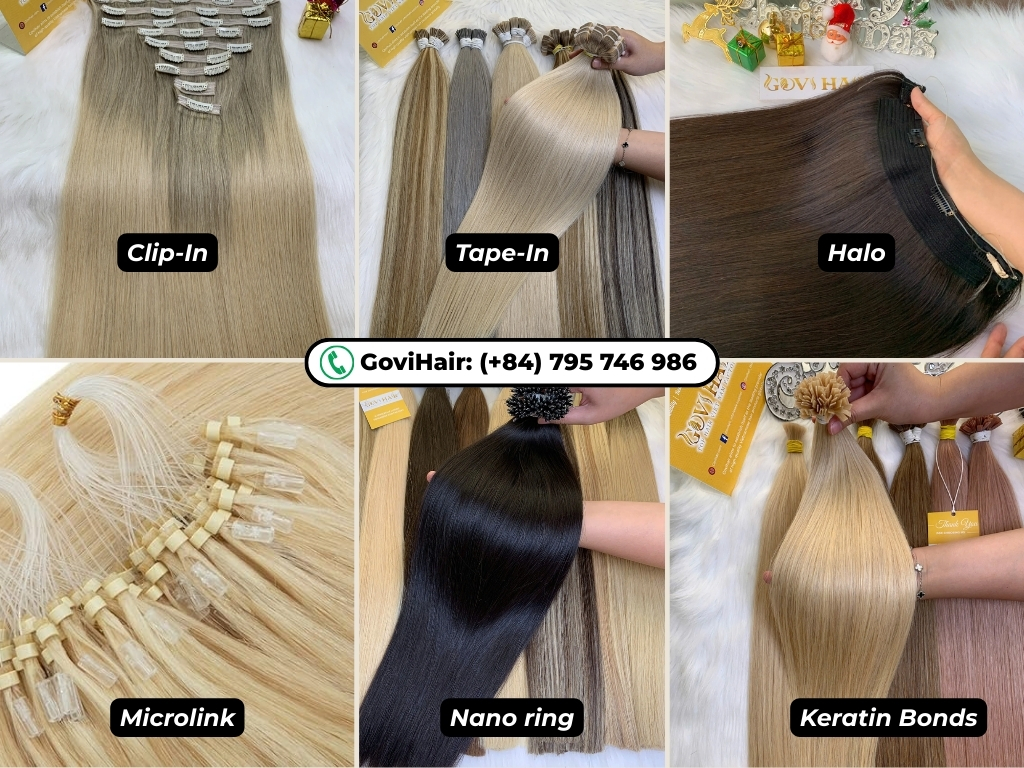
- Keratin Bonds (Fusion): Individual strands are bonded near the roots using keratin glue and heat. Offers a seamless, free-flowing look and lasts up to 3–4 months with proper care.
- Microlinks: Small bundles attached using silicone-lined beads, no heat or glue required. Flexible and reusable. Best for medium to thick hair, lasting around 12 weeks.
- Nano Rings: A finer version of microlinks, using ultra-small beads for a more discreet finish. Lightweight and comfortable, especially for fine hair. Typically lasts 8 to 12 weeks.
- Sew-ins (Weave): Hair is braided into cornrows, and wefts are sewn in. Very secure and long-lasting, especially for thicker hair. Typically lasts 6 to 10 weeks and works well for protective styles.
How Human Hair Extensions Are Processed
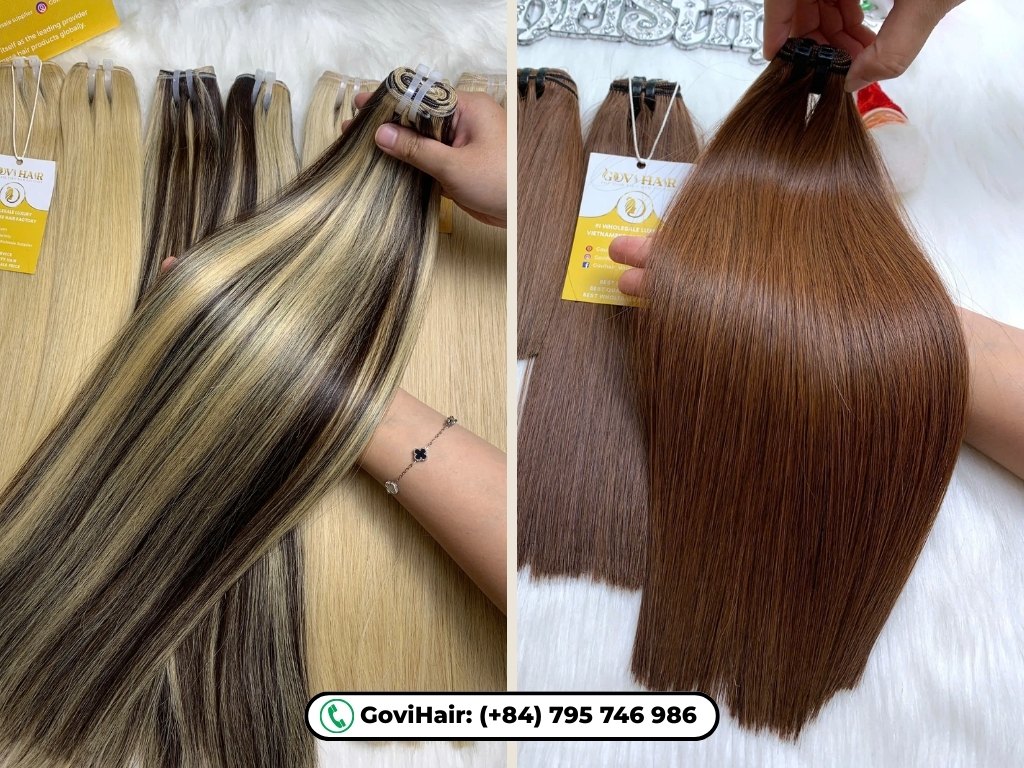
Before human hair becomes the beautiful, ready-to-wear extensions you see, it goes through a detailed and delicate preparation process. First, the raw donor hair is carefully collected, then thoroughly cleansed and sorted. In many cases, it’s also gently color-treated using low-chemical or non-damaging methods to match a wide range of natural hair shades.
Unlike synthetic hair, human hair extensions aren’t coated with heavy silicones or artificial finishes to fake a shiny appearance. Any luster you see is completely natural. Because the hair undergoes minimal processing, it retains its original strength, softness, and flexibility, making it ideal for styling with heat tools, washing regularly, and even coloring.
With the right care routine, high-quality human hair extensions can last anywhere from 6 to 12 months or more, making them a smart, long-term investment for anyone who wants natural-looking, reliable results.
What Are Synthetic Hair Extensions?
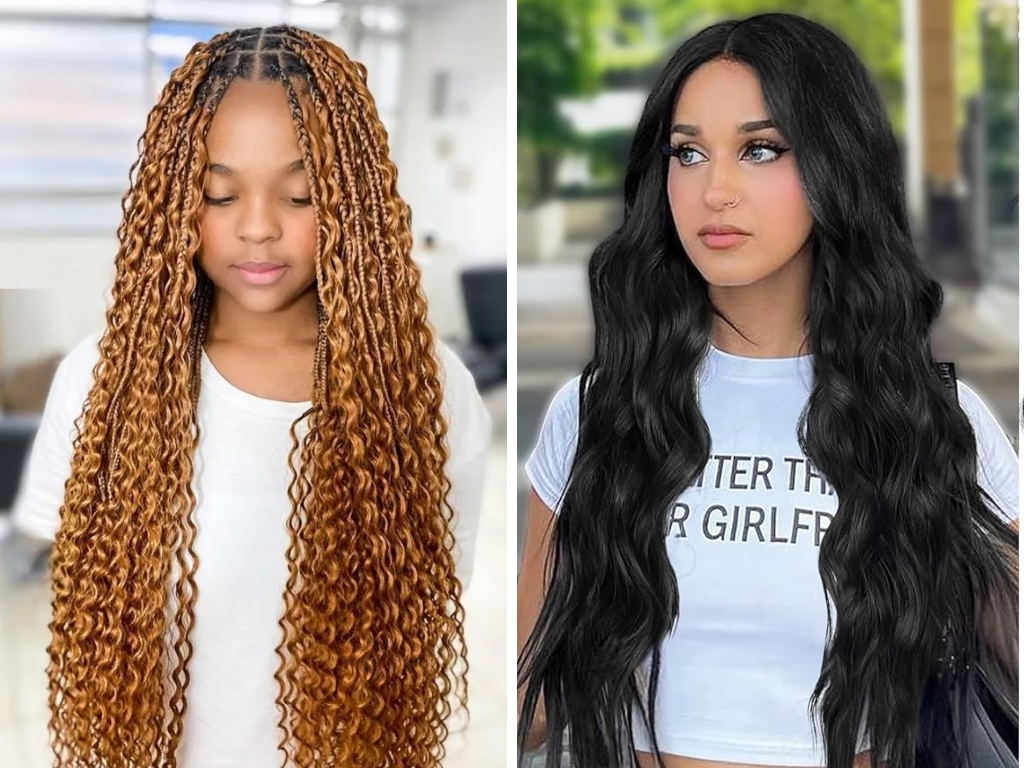
Synthetic hair extensions are made from artificial fibers designed to mimic the look and feel of real human hair. These man-made strands are a budget-friendly alternative for those seeking to add volume, length, or a splash of color without investing in premium human hair. While they may not offer the same level of realism or versatility, synthetic extensions are widely used for temporary styles, fashion experimentation, and special events.
Made from man-made fibers like acrylic or polyester, designed to mimic real hair. They’re often more affordable but less flexible in styling.
What Are They Made From?
Most synthetic hair extensions are made from plastic-based fibers such as acrylic, polyester, or nylon, which are chemically processed to resemble the color, shine, and movement of natural hair. These fibers are typically heat-formed and coated with silicone or other synthetic finishes to give them a smooth, glossy surface. The shine may look appealing at first glance, but under bright light or sunlight, it can sometimes appear overly reflective or “plastic.”
Some newer, more advanced fibers often labeled “heat-friendly” or “high-temperature synthetic hair” can tolerate low heat styling and offer a slightly more realistic appearance. However, even the best synthetic materials lack the depth, softness, and multi-tonal color of real hair.
Types and Textures Available
Synthetic hair extensions are available in a wide variety of styles, lengths, and textures, making them a fun and flexible option for changing your look. Whether you prefer curls, waves, or a sleek look, there’s a big difference between straight human hair vs synthetic hair extensions. While human hair can be flat-ironed and smoothed for a sleek finish, synthetic hair comes pre-shaped and may not respond well to heat styling, especially if not labeled heat-safe.
Human Hair vs Synthetic Hair Extensions: Key Differences
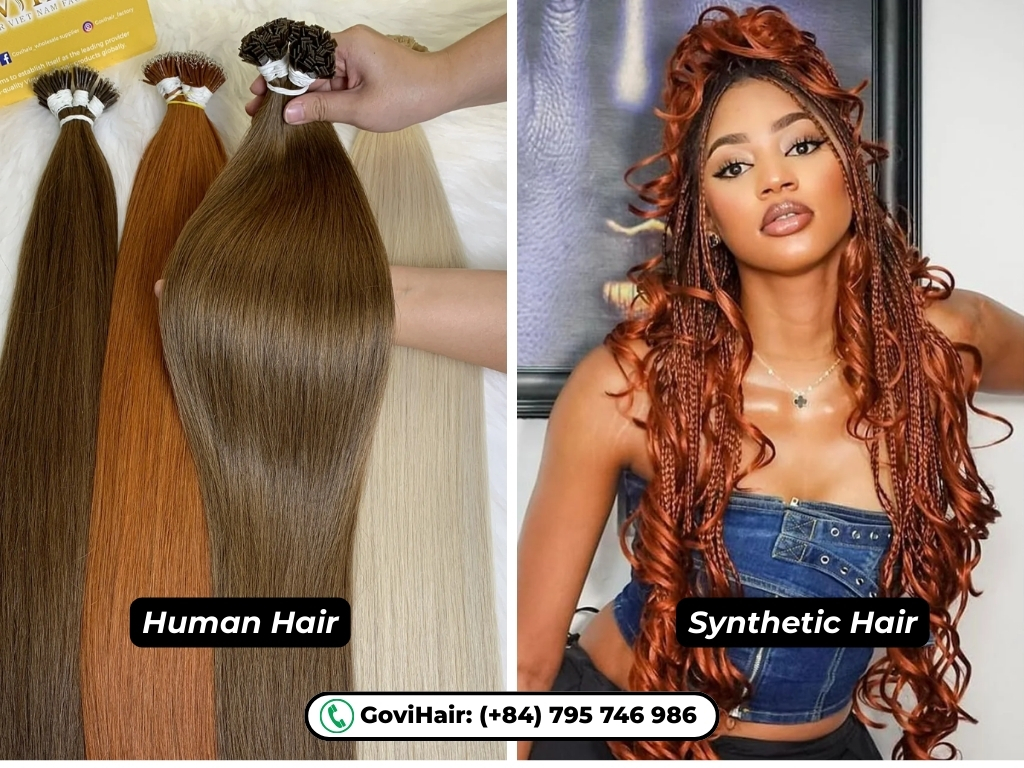
Synthetic hair vs human hair, what really sets them apart? From styling hair extensions options to comfort and longevity, both materials serve different needs.
| Feature | Human Hair Extensions | Synthetic Hair Extensions |
| Styling Options | Can be heat-styled (curl, straighten, blow-dry) and dyed | Limited styling; heat may melt fibers unless heat-resistant |
| Texture & Realism | Looks and feels like your natural hair, blending seamlessly with a realistic shine and movement. | Pre-styled; can look shiny or plastic-like under light |
| Coloring Ability | Can be dyed or toned professionally | Cannot be dyed; color remains fixed |
| Longevity | 6 – 12+ months with proper care | 1 – 3 months; shorter lifespan |
| Maintenance | Requires regular washing, heat protection, detangling | Low-maintenance; less washing and product needed |
| Comfort & Weight | Lightweight, breathable, suitable for long wear | May feel heavier or less breathable over time |
| Ideal For | Daily wear, professional styling, natural look | Occasional use, events, budget-conscious buyers |
Styling Options
Human hair extensions give you total freedom to style as you please. Whether you’re curling your hair for a night out or straightening it for work, these extensions behave just like your natural strands. In contrast, most synthetic extensions are factory-set in one style, so while they hold their shape well, you can’t re-style them without damage, unless they’re heat-friendly, and even then, with extreme caution.
Texture & Realism
Human hair not only looks real, it feels real. It responds to the environment, products, and your touch, which makes it nearly indistinguishable from your own hair. Synthetic hair often lacks this level of realism, especially at lower price points. It may appear stiff, too glossy, or move unnaturally in the wind or under lighting.
Coloring Ability
Only human hair extensions can be dyed or toned. This allows for seamless blending or color-matching with your own hair. Synthetic hair, however, cannot absorb color, and any dye attempt will likely damage the fibers permanently.
Cost Range
Synthetic extensions are ideal for beginners or those who want a budget option for one-time events. However, if you’re looking for an investment piece, human hair offers better value in the long run, as it can be reused and restyled over and over.
Longevity
With proper maintenance, human hair extensions can last up to a year or more. Synthetic hair typically starts to show wear after just a few weeks or months, especially with regular use. Their fibers degrade faster due to friction, product buildup, and storage conditions.
Maintenance
Human hair requires the same level of care as your own: wash, condition, detangle, and heat-protect regularly. Synthetic hair, while lower maintenance, also comes with its limitations, namely, that you can’t revive it once it starts to degrade.
Comfort & Weight
Human hair is generally lighter and more breathable, especially when worn in higher volumes or for long periods. Synthetic hair may feel bulkier, especially when thick or applied in multiple layers. This can cause discomfort, particularly in warm climates or during physical activity.
Human Hair Hair Extensions Pros And Cons
When deciding between human hair and synthetic hair extensions, it’s essential to weigh the benefits and drawbacks of each. Both have their place in the beauty world, but your choice depends on your lifestyle, styling habits, budget, and personal preferences. Here’s a detailed look at the pros and cons of each type to help you choose wisely.
Pros of Human Hair Extensions
- Natural Look and Feel: Human hair extensions offer unmatched realism. Because they’re made from real hair, they mimic the shine, texture, and movement of your own strands, making them ideal for seamless blending.
- Styling Versatility: You can curl, straighten, blow-dry, crimp, or even color human hair extensions. They behave just like your natural hair when exposed to heat and styling products, which allows for maximum creativity.
- Long-Lasting: With proper care, human hair extensions can last from 6 to 12 months or more, making them a cost-effective option over time.
- Customizable: From cutting to coloring, human hair can be modified to match your hair tone, texture, and length more precisely than synthetic alternatives.
- Comfortable to Wear: High-quality human hair is lightweight and breathable, making it comfortable for long periods, even in hot or humid weather.
Cons of Human Hair Extensions
- Higher Cost: Human hair extensions are a larger upfront investment depending on the quality, length, and application method.
- More Maintenance: Like your natural hair, these extensions require regular washing, conditioning, and heat protection. Skipping these steps can shorten their lifespan.
- Prone to Environmental Effects: Because it behaves like natural hair, it can frizz in humidity or lose its style over time. Styling may require more effort to maintain a polished look.
>> Read more: How to take care of hair extensions?
Synthetic Hair Extensions Pros And Cons
Pros of Synthetic Hair Extensions
- Affordable: Synthetic hair is significantly more budget-friendly,, which makes it perfect for first-time users or those on a tight budget.
- Pre-Styled and Low Maintenance: These extensions come pre-curled, straightened, or waved, and hold their shape without the need for styling. That means less time spent on maintenance.
- Ideal for Short-Term Wear: Synthetic extensions are great for occasional use, such as parties, weddings, or photoshoots, where long-term durability isn’t a concern.
- Resistant to Weather Changes: Unlike human hair, synthetic strands maintain their shape even in high humidity or wind. Curls won’t fall flat, and styles remain consistent.
Cons of Synthetic Hair Extensions
- Limited Styling Options: Most synthetic hair can’t handle heat, so you’re stuck with the style it comes in. Even “heat-safe” versions must be styled carefully at low temperatures. Most synthetic fibers can’t handle heat or dye, though some heat-resistant synthetics (up to 350°F) allow basic styling. Pre-styled options like curls or waves are common, but customization is minimal.
- Can Look Less Natural: Depending on the quality, synthetic fibers can appear overly shiny or stiff, especially under direct lighting or in photos. Lower-end versions can look artificial up close.
- Shorter Lifespan: Synthetic extensions typically last 1 to 3 months, especially with regular use. The fibers degrade faster and can’t be revived once worn out. Typically lasts 2–6 months, depending on wear and care. They’re prone to frizzing or tangling over time, especially with frequent styling.
- Not Color-Friendly: These extensions can’t be dyed or toned. Attempting to color synthetic hair often leads to melting or irreversible damage.
- Less Breathable: Synthetic materials may trap heat, making them feel hot, heavy, or itchy after long wear, particularly in warm climates.
How to Differentiate Synthetic Hair from Human Hair?
If you’re unsure whether your extensions are made from real human hair or synthetic fibers, there are a few reliable methods you can use to tell the difference. These techniques are especially helpful when packaging is unclear or you’re buying from an unverified source. While some tests can be done at home, others are best left to professionals. Here’s how to tell what kind of hair you’re working with:
Human Hair Vs Synthetic Hair Burn Test
The burn test is one of the most well-known ways to distinguish between synthetic and human hair. It involves carefully burning a small strand of hair, ideally one that has fallen out or been trimmed off.
- Human hair burns slowly, with an odor similar to burnt feathers or natural keratin (like when you burn your own hair accidentally). It turns to soft ash and crumbles easily when touched.
- Synthetic hair, made from plastic-based fibers like acrylic or polyester, melts rather than burns. It produces a chemical or plastic smell and forms a hard, bead-like residue instead of ash.
Important: This test should be done with extreme caution in a safe, ventilated area, and only on a very small strand away from your head or skin.
Soak the Hair in Water
Another gentle way to test your extensions is by submerging them in clean water.
- Human hair becomes slightly heavier when wet, absorbs water like your natural hair would, and may lose its styled shape or wave pattern temporarily.
- Synthetic hair, on the other hand, repels water, floats longer, and tends to retain its original curl or style, even after soaking. This is because its texture is heat-molded and set during manufacturing.
This method can be done safely at home, and it’s ideal if you want a non-destructive way to inspect your hair extensions.
Apply Low Heat with a Styling Tool
Using a flat iron, curling wand, or blow dryer on a small, hidden piece of the hair can help you identify how it reacts to heat.
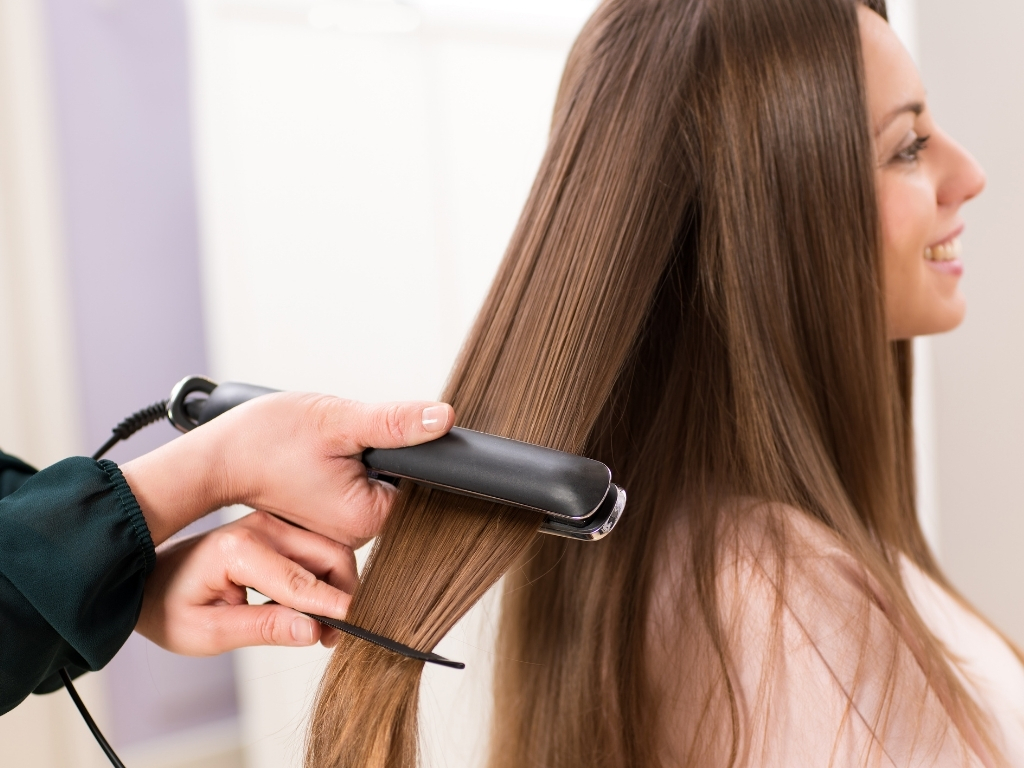
- Human hair responds like your own, it may straighten, curl, or react to heat styling tools with flexibility and resilience.
- Synthetic hair often melts, warps, or smells burnt when exposed to even moderate heat unless it’s specifically labeled as “heat-safe” or “heat-resistant.”
If you’re unsure whether your extensions are heat-friendly, this test can give you an answer, but it should be done carefully to avoid ruining the entire set.
Get a Professional Opinion
When in doubt, consulting a hairstylist or extension specialist is the safest and most reliable option. Professionals are trained to identify the look, feel, and behavior of various hair types instantly. They can also provide guidance on how best to care for the hair, what products to use, and whether your extensions are suitable for coloring or heat styling.
Having a professional verify the type of hair is especially important if you plan to invest in salon treatments or long-term wear. It ensures you don’t accidentally damage synthetic strands with heat or color.
Quick Tip:
You can also check the shine and feel of the hair:
- Human hair has a natural, subtle sheen and feels soft or slightly coarse, depending on the origin.
- Synthetic hair tends to have a glassier, overly uniform shine and feels slick, plastic-like, or wiry to the touch.
Human Hair Vs Synthetic Hair Extensions: Which Hair Type Suits You Best?
Not all hair extensions are created equal, and your ideal choice depends on how often you’ll wear them, your styling needs, and your lifestyle. Here’s a quick guide to help you decide:
For Everyday Wear
If you plan to wear extensions regularly, human hair is the better option. It blends naturally, holds up to heat styling, and can be washed and reused for months with the right care.
Human hair offers unmatched flexibility. Whether you want to curl, straighten, or even color your extensions, they’ll behave just like your real hair. That makes them perfect for anyone looking for a natural look they can customize daily.
For Special Events
For one-time glam like weddings, photoshoots, or themed parties, synthetic extensions are a smart pick. They’re affordable, pre-styled, and hold their shape well, especially in dry environments.
Synthetic hair is best when you want a fast transformation without the long-term upkeep. Just clip them in, style your look, and you’re ready to shine.
For Braids and Protective Styles
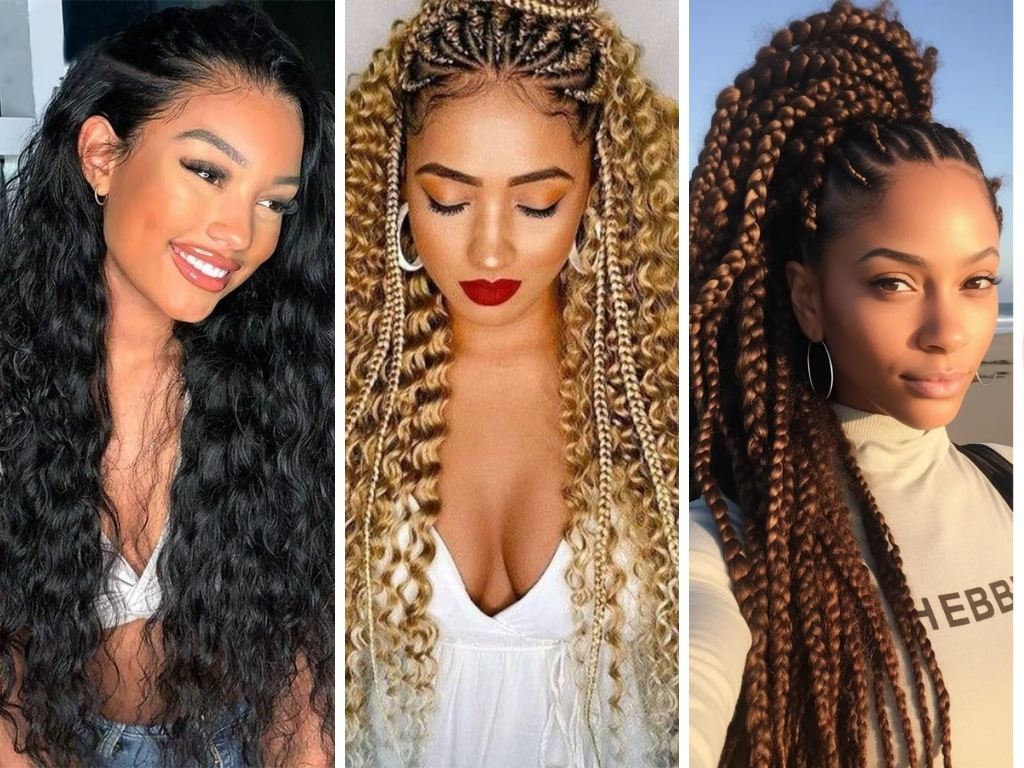
- Synthetic hair is most commonly used for braided styles like box braids and cornrows. It’s cost-effective, holds shape well, and is available in pre-stretched, tangle-free bundles for easy application.
- Human hair, on the other hand, works best for softer, textured braid styles like goddess braids or feed-ins with leave-out. It gives a more natural finish and blends beautifully, but at a higher cost.
Maybe you want to know: What hair extension method is the best?
FAQs
Are synthetic or human hair extensions better?
Human hair offers a more natural look, lasts longer, and allows heat styling. Synthetic is more affordable and low-maintenance. The best choice depends on your needs, but knowing the key differences in human hair vs synthetic hair extensions helps you decide.
Does human hair last longer than synthetic hair?
Yes. Human hair can last 6–12 months with care, while synthetic hair usually lasts 1–3 months. Human hair vs synthetic hair extensions often comes down to lifespan and reusability.
Is it better to use human hair or synthetic hair for braids?
Synthetic hair is great for structured, affordable braid styles. Human hair offers a softer, more natural finish. For braids, your choice in human hair vs synthetic hair extensions depends on the look and feel you want.
Can you mix human and synthetic hair extensions?
You can, but it’s not ideal. They react differently to heat and moisture, making styling harder. It’s best to choose one type when comparing human hair vs synthetic hair extensions.
Conclusion
Choosing between human hair and synthetic extensions ultimately depends on your lifestyle, styling needs, and budget. If you’re looking for long-lasting, natural-looking results that you can heat-style, color, and reuse, human hair extensions are your best bet. If you need something quick, affordable, and ready-to-wear for occasional events, synthetic options may do the trick.
Both have their place but whichever you choose, the key is confidence and quality. At GoviHair – a trusted Vietnamese hair vendor, we believe every person deserves hair that enhances their beauty and feels like their own. That’s why we offer premium, 100% natural Vietnamese hair designed for versatility, longevity, and a luxurious finish. Govihair’s 100% raw Vietnamese human hair offers a silky, natural finish that’s ideal for a flawless look.
With Govihair’s unprocessed vietnamese hair, you can choose Straight (unprocessed) hair for custom styling or pre-styled options like curls or waves and bleaching to #613 color
So whether you’re elevating your everyday look or preparing for a special occasion, trust GoviHair to help you find the perfect match.
Chat with Us:
- WhatsApp: (+84) 795 746 986
- Email: [email protected]
- Instagram: govihair_vietnamhair_factory
- Tik Tok: govihairvietnam_official
- Website: govihair.com


 Ms. Rosie