

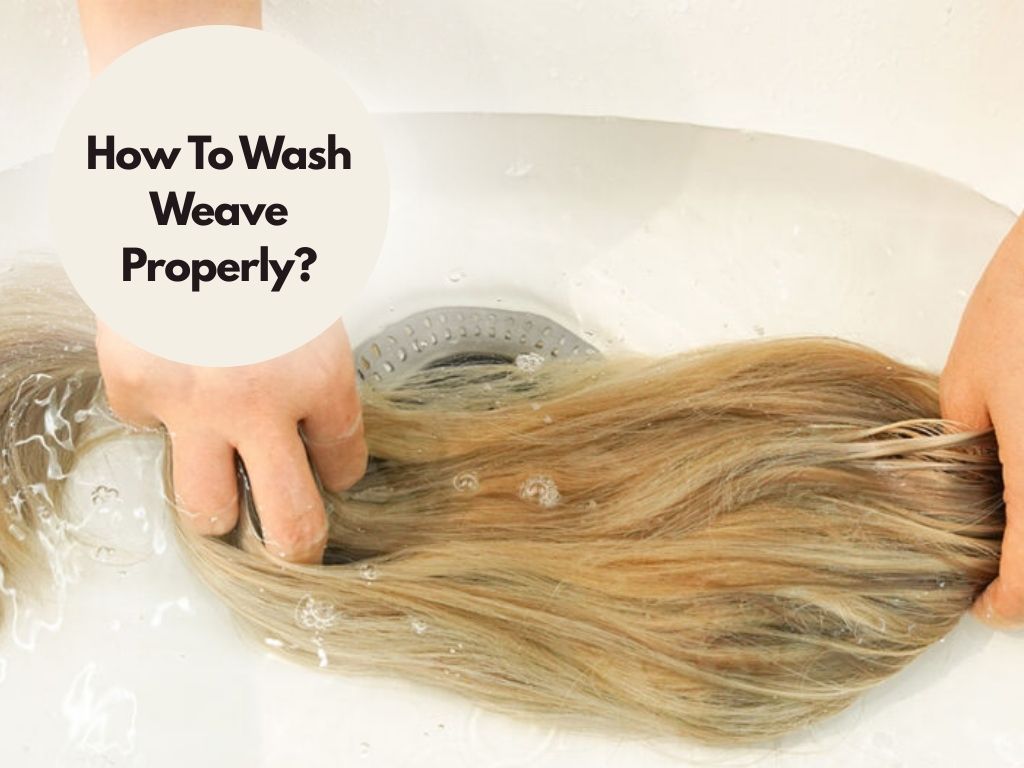
A beautiful weave boosts confidence and is a long-term investment. To keep it soft, shiny, and lasting, proper washing is key. Knowing how to wash weave properly can mean the difference between a style that lasts months and one that mats in weeks. Whether rocking quick weave styles or a classic sew-in, the goal is the same: clean scalp and hair without disturbing tracks. This guide covers prep, drying, and expert tips to maintain your weave’s shine and durability.
How to properly wash your weave?
Washing your weave the right way is essential to keeping it soft, clean, and long-lasting. If you’re wondering how to wash weave extensions without damaging them, the key lies in being gentle and using the right products. Start by detangling the hair with a wide-tooth comb, then cleanse using a sulfate-free shampoo. For those using bundles, learning how to wash weave bundles properly means avoiding harsh scrubbing, rinsing with lukewarm water, and conditioning thoroughly to maintain the texture and shine. With the right technique, you can refresh your weave while preserving its natural bounce and beauty.
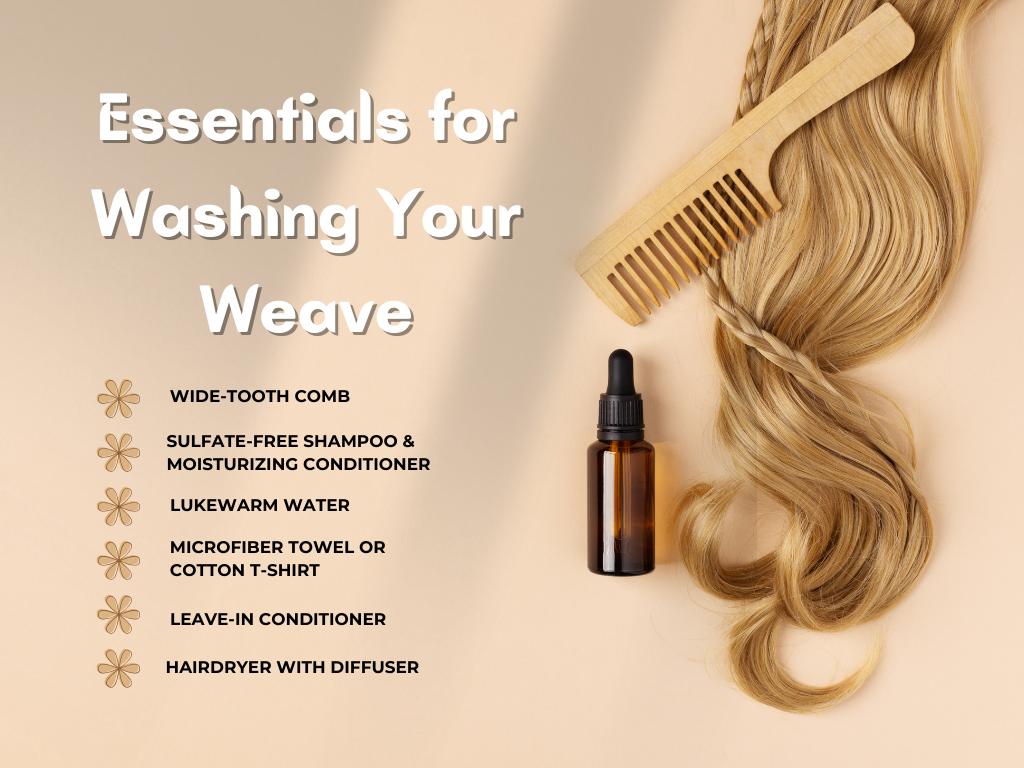
Essentials for Washing Your Weave
Before you turn on the water, make sure you have the right tools. Using the wrong products is the #1 reason for dry, brittle extensions, regardless of the types of weave hair you have installed.
- Wide-Tooth Comb or Detangling Brush: A wide-tooth comb or detangling brush is essential for gently removing tangles from your weave. Using the right tool ensures that knots are tackled carefully, preventing breakage and preserving the texture of your hair.
- Sulfate-Free Shampoo & Moisturizing Conditioner: It’s important to choose sulfate-free shampoo and a moisturizing conditioner when washing your weave. These products cleanse without stripping the hair of its natural oils, keeping the weave hydrated and soft for longer-lasting shine.
- Lukewarm Water: Lukewarm water is the best option for wetting your weave, as it’s gentle on the hair cuticles. Hot water can open the cuticles too aggressively, leading to potential damage, while lukewarm water ensures a more balanced and safe cleansing process.
- Microfiber Towel or Cotton T-Shirt: A microfiber towel or cotton T-shirt is perfect for drying your weave. These materials absorb moisture efficiently while minimizing friction, which helps prevent frizz, breakage, or the formation of tangles that can affect the weave’s look.
- Leave-In Conditioner or Light Hair Serum: Leave-in conditioner or a light hair serum is essential for keeping your weave soft, shiny, and manageable. These products lock in moisture, add a layer of protection, and can help guard against environmental damage, keeping your weave looking fresh.
- Hairdryer with Diffuser (Optional): If you need to speed up the drying process, a hairdryer with a diffuser is a great option. It helps to evenly dry the hair without applying excessive heat, preserving both the natural and weave hair’s texture and preventing potential damage from high heat.
Having these items ready ensures that you’re equipped to wash your weave with ease, preserving its beauty and longevity while preventing unnecessary damage.
How To Wash Weave At Home Right Way?
Follow these 7 essential steps to give your weave a thorough, salon-quality clean right from your bathroom.
Step 1: Detangle the hair
Before introducing any water to your weave, always start by carefully detangling the hair. Use a wide-tooth comb, detangling brush, or simply your fingers to work through any knots or tangles—beginning from the ends and slowly working your way up to the roots. This crucial step helps prevent further tangling and minimizes shedding or breakage during the wash. Be patient—rushing through detangling can damage both the weave and your natural hair underneath.
Step 2: Wet with lukewarm water
Once detangled, use lukewarm water to gently saturate the weave. Avoid hot water as it can dry out synthetic fibers or human hair weaves. Lukewarm water helps to open the hair cuticles just enough to release dirt, product buildup, and oils without compromising the moisture balance of the hair. If you’re wearing a sew-in weave, make sure to thoroughly wet your natural hair and scalp as well to avoid buildup and irritation.
Step 3: Apply shampoo
Choose a sulfate-free, moisturizing shampoo designed for extensions or chemically treated hair. To make application easier and avoid overloading the hair with product, dilute the shampoo with water in a spray bottle or applicator bottle. Apply it evenly through the weave and gently massage with the pads of your fingers—never your nails. Focus on cleansing both the weave and the scalp beneath it. Take your time, especially if you’re wearing a sew-in, to ensure your natural hair gets properly cleaned too.
Step 4: Condition the hair
Apply a nourishing conditioner, focusing mainly on the mid-shaft and ends of the hair. Avoid applying too close to the roots, especially if you have a sew-in, to prevent excess product buildup near the scalp. Let the conditioner sit for 5 to 10 minutes to deeply hydrate the weave and soften the strands. Use a wide-tooth comb to gently detangle once more while the conditioner is still in the hair—this will leave the weave silky, manageable, and easier to style after drying.
Step 5: Rinse thoroughly
Using cool to lukewarm water, rinse the weave thoroughly to remove all traces of shampoo and conditioner. Be gentle with your movements and ensure that no product is left behind, as residue can weigh the hair down and contribute to an itchy scalp or dull appearance. Proper rinsing is essential for maintaining the longevity and shine of the weave.
Step 6: Dry the right way
Avoid rubbing the hair with a towel, which can cause frizz and breakage. Instead, gently pat it dry with a soft microfiber towel or an old cotton T-shirt. For clip-in or loose weaves, air drying on a wig stand or towel is best. For sew-ins or glued-in styles, use a blow dryer on a cool or medium setting, or sit under a hooded dryer. Ensuring the base (braids or tracks) is completely dry is essential—moisture trapped beneath the weave can lead to mold, mildew, or unpleasant odor.
Step 7: Care for your weave
Once dry, apply a small amount of lightweight leave-in conditioner, heat protectant, or shine serum to restore luster and prevent dryness. Steer clear of heavy oils or greasy products that can cause tangling or buildup over time. For long-term care, store clip-ins in a silk or satin bag and protect sew-ins by wrapping your hair with a silk scarf or sleeping on a satin pillowcase. This reduces friction, prevents frizz, and keeps your weave looking salon-fresh longer.

Washing a Sew-In Weave with Leave-Out: Tips for Doing It Safely at Home
Mastering how to wash weave is key to keeping your install looking fresh. When dealing with a leave-out, you need a routine that cleans your scalp without matting the hair. Here is the safest method:
- Detangle First: Always brush out tangles using a wide-tooth comb, starting from the ends and moving up to the roots, before wetting the hair.
- Separate Your Leave-Out: Clip your natural hair away from the extensions. Wash this section separately to prevent it from tangling with the wefts.
- Use an Applicator Bottle: Mix shampoo with water in a nozzle bottle and apply it directly to the scalp between the braids. This cleans the roots effectively without the need for vigorous scrubbing, which causes frizz.
- Rinse Downwards: Let the water flow from roots to tips. Never pile the hair on top of your head, as this is the fastest way to create tangles.
- Dry Completely: This is crucial. Ensure your braided foundation underneath is 100% dry (preferably using a hooded dryer) to prevent mildew and bad odors.
Expert Note: Apply a heat protectant to your leave-out before blow-drying or styling to ensure it blends seamlessly with the weave without heat damage.
Pro Tips for Long-Lasting Weaves
Investing in a weave is just the beginning. The real key is proper care. Proper maintenance dictates how long does a quick weave last. Here are expert tips to help you maintain that flawless look.
Don’t over-wash your weave
Washing your weave too often can strip it of moisture and cause it to lose its natural shine. Aim to wash your hair every 1-2 weeks to keep it fresh while maintaining softness and volume. Avoid using heavy products every day, as over-washing can dehydrate the hair and lead to brittleness.
Always protect your hair while you sleep
Friction while sleeping can cause tangling and dryness, leading to breakage. To protect your weave, wear a satin bonnet or sleep on a silk pillowcase. This helps maintain moisture, prevents tangling, and keeps your weave looking smooth and shiny.
Be mindful of product buildup
Heavy oils and creams can lead to product buildup, which makes the hair look greasy and weighed down. Instead, opt for lightweight formulas that nourish the hair without leaving residue. This will keep your weave looking natural and healthy, avoiding any sticky or greasy appearance.
Style with care and caution
Excessive heat styling can damage your weave over time. When using hot tools like straighteners or curling irons, always apply a heat protectant to safeguard your hair. Try to limit the use of high heat, and avoid over-styling, as gentle handling will help preserve the quality and longevity of your weave.
Refresh and revive between washes
To keep your weave looking fresh between washes, use dry shampoo or a light leave-in conditioner to reduce oil buildup and refresh the hair. These products help manage frizz, revive your style, and reduce the need for frequent washing, keeping your hair in top condition for longer.

Explore more: Do Quick Weaves Grow Your Hair? The Truth You Should Know
Where is the best vendor to buy weave?
Looking for premium-quality human hair weaves? Govihair’s best wholesale vietnamese hair factory offers 100% raw and virgin vietnamese hair bundles, known for their softness, durability, and natural shine. Whether you’re learning how to wash weave at home, figuring out how to wash weave extensions, or maintaining your weave bundles, Govihair ensures you’re starting with the best quality. Perfect for salon owners and beauty enthusiasts alike, Govihair delivers excellent wholesale deals and global shipping.
GoviHair weave products are highly sought after in markets such as Europe, the US, and Mexico, where weave hairstyles are especially popular for hair extensions and wigs. In Africa, many customers prefer weaves for sewing wigs directly, making it a strong demand region as well. At GoviHair, the production and processing time for weave products is typically 7–9 days, depending on order quantity and requested hair color, ensuring both quality and timely delivery for every customer.
- WhatsApp: (+84) 795 746 986
- Email: [email protected]
- Instagram: govihair_vietnamhair_factory
- TikTok: govihairvietnam_official
- Website: govihair.com

Weave FAQs
How often should you wash a weave?
It’s generally recommended to wash your weave every 1 to 2 weeks, though this can vary based on your lifestyle and how much product you use. If you regularly use styling products or engage in activities that cause sweating, you may need to wash it more often to keep it fresh. However, avoid over-washing, as it can strip the hair of moisture and cause it to lose its luster.
Can you wash weave while it’s installed?
Yes, you can wash sew-in and some glued-in weaves while they’re still installed. The key is to be gentle and avoid rough handling, especially around the tracks. Use a gentle shampoo and focus on cleaning the hair itself rather than scrubbing the scalp too aggressively, to prevent loosening the weave or causing any damage.
How can i make my weave look new again?
To restore your weave’s original beauty, start with deep conditioning treatments to replenish moisture and shine. Follow up with careful detangling to prevent breakage, and trim any split ends to maintain a smooth, healthy appearance. Regular maintenance, like moisturizing and protecting the hair at night, can help prolong the lifespan of your weave while keeping it looking fresh.
Conclusion
Mastering how to wash weave with leave-out doesn’t just keep your style looking fresh; it protects your investment. By focusing on scalp hygiene and ensuring your braids are completely dry, you prevent common issues like matting and mildew. Remember, consistent care is the secret to making your sew-in last for months rather than weeks.


 Ms. Sophia