

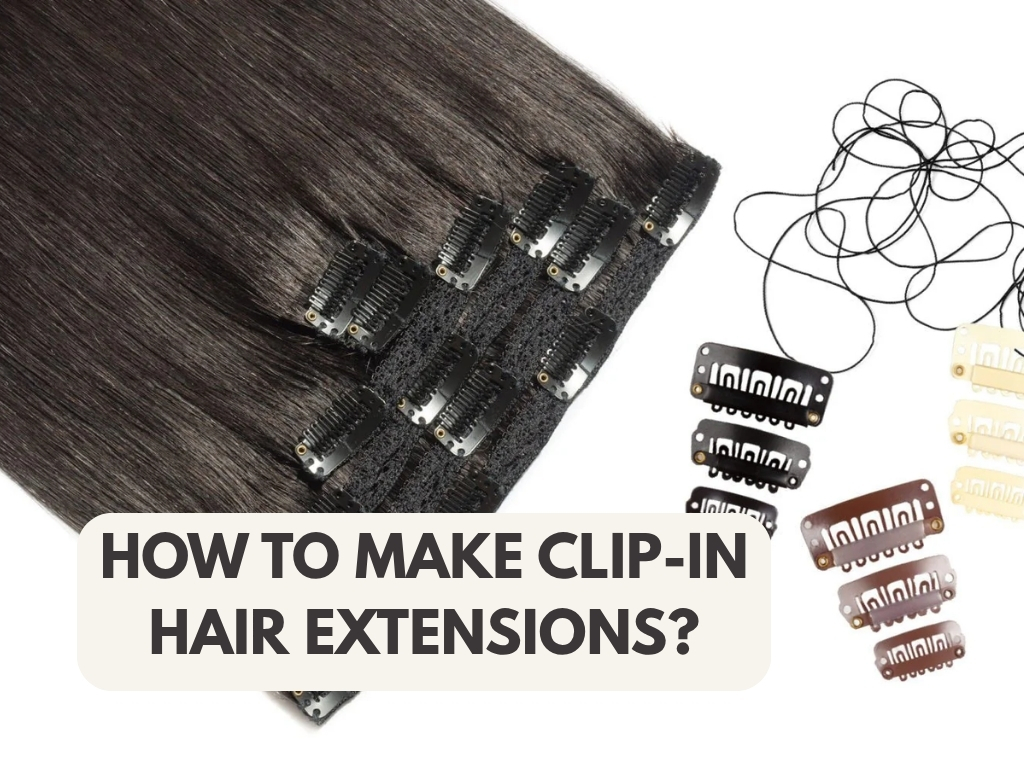
Learning how to make clip-in hair extensions is the ultimate secret to achieving a perfectly customized look while saving money on high-end retail sets. By DIY-ing your extensions, you can choose the exact hair density, custom color blends, and weft widths that fit your unique head shape. The process is surprisingly simple: it involves measuring hair wefts to fit your scalp, sewing specialized pressure-sensitive clips onto the track, and securing the thread with a reinforced knot.
Whether you are repurposing old bundles or starting with fresh Remy hair, a homemade set allows for a “seamless” finish that store-bought options often lack. With just a few basic tools like a needle, thread, and high-quality clips, you can transform hair wefts into a versatile, clip-in masterpiece in under an hour.
Why Make a DIY Clip-In Hair Extensions Instead of Buying?
Clip-in extensions help you transform short, thin hair into thicker, longer hair in the blink of an eye. You have never made DIY hair extensions, but are still excited to create them. The experience of making your own hair extensions at home will bring you an interesting time and results.
- Handmade clip-in hair extensions made at home will be customized according to your needs and personal preferences.
- Handmade hair extensions are unique and have a personal, special mark that is difficult for anyone to copy your style.
- You don’t have much money to buy a hair extension set worth several hundred dollars, so try making them yourself at home to save money.
Tools and Materials Needed to Make Clip-In Hair Extensions
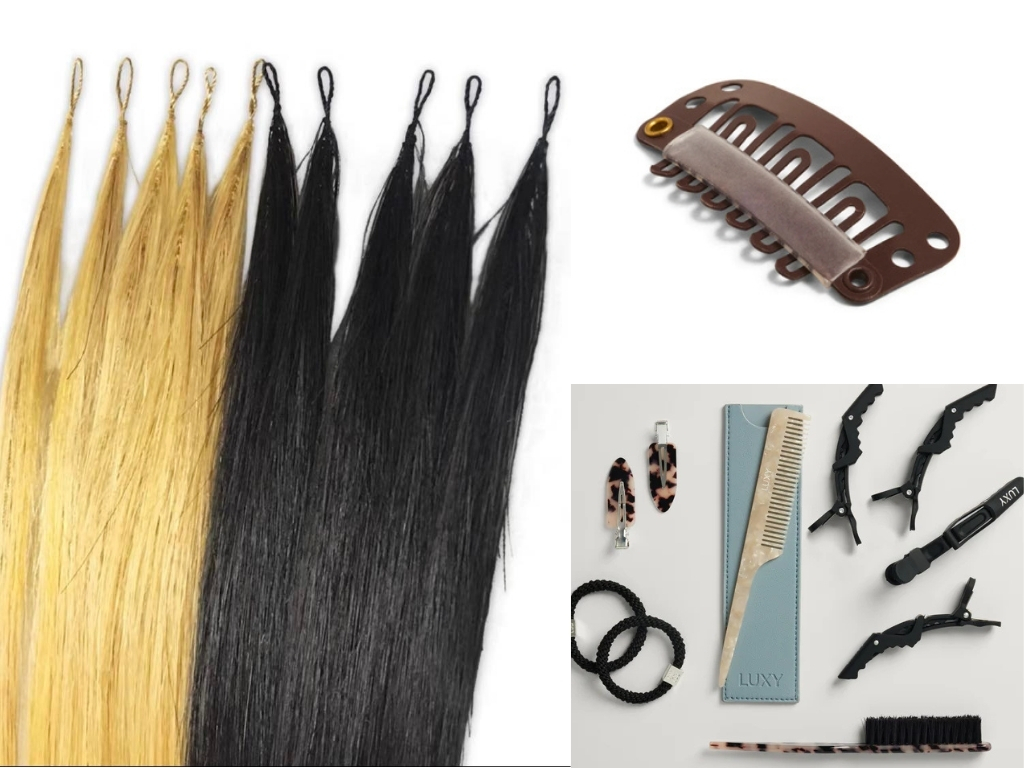
How to make DIY clip-in hair extensions is not difficult. You just need to prepare some tools and follow the guide from Govihair experts. Go to a hair accessory shop or order online the following items to make clip-on hair extensions at home:
Choosing the Right Hair Wefts
First, you need to determine what type of hair to how to make clip-in hair extensions. You will have 2 popular options: Real hair and synthetic hair. Human hair will be healthy with natural shine, and be easy to blend with your real hair; of course, the price will be higher. Synthetic hair is cheaper, but when used as a wig, it will quickly break and fall out, and is not really beautiful.
Clips and Essential Accessories
Next, accessories for the hair extension process like silicone hair clips, a needle, thread, scissors, and a tape measure.. A good clip-in hair extension will hold the hair securely without damaging your natural hair.
Optional Tools and Support Materials
You should also prepare some tools, such as a mesh net or glue, to help fix the hair firmly during the manual process. Parting tools, such as small hair clips, will also help you work more easily during the sewing and clip attachment process more accurately and precisely.
Preparing Hair Wefts for DIY Clip-In Extensions
You will see in many guides: how to make clip in hair extensions tutorial videos, experts will advise you to prepare the weft very carefully. Because detangling the hair, cutting the right size, and length will help the weft blend with your real hair most naturally.
Unwrapping and Detangling the Wefts
Newly purchased hair strands need to be detangled before sewing. Be careful and meticulous at this step to ensure your extension lasts and looks beautiful. You should start with conditioner or spray water and detangle with a wide-tooth comb. Gently brush the hair from the ends to the roots to make them perfect.
Doubling or Layering Wefts for More Volume
If you want the hair clip to look thicker, try overlapping 2-3 layers of weft together to determine the right thickness before sewing. Once you have the right thickness, use clips to secure the edges, keeping them from shifting when sewing.
Cutting Wefts to the Right Size
It’s perfect when you have done this step. Next, you use a tape measure to measure the length of hair for each section so that each piece of hair matches your real hair.
Experts suggest that the length of the nape is usually from 10-12 cm, the two sides of the ears should be 7-9 cm long, and the middle part can be from 15-20 cm long. Of course, you can adjust the length according to your preference, calculate to match the hairstyle you want and your real hair so that the clip is not visible..
How to Sew Clips onto Wefts Hair
Great, you’ve prepared quite thoroughly, right? Next, sew the clip onto the weft – an important step that determines whether your hair extensions are strong or not.
Marking Clip Positions on the Wefts
To make the hair strip even and beautiful when sewing, you should spread the hair out on a flat surface to arrange it before sewing. Use 2-3 clips, depending on the width of the hair strip, fix the 2 ends, and fix in the middle for more security.
Sewing Techniques for Secure Clip Attachment
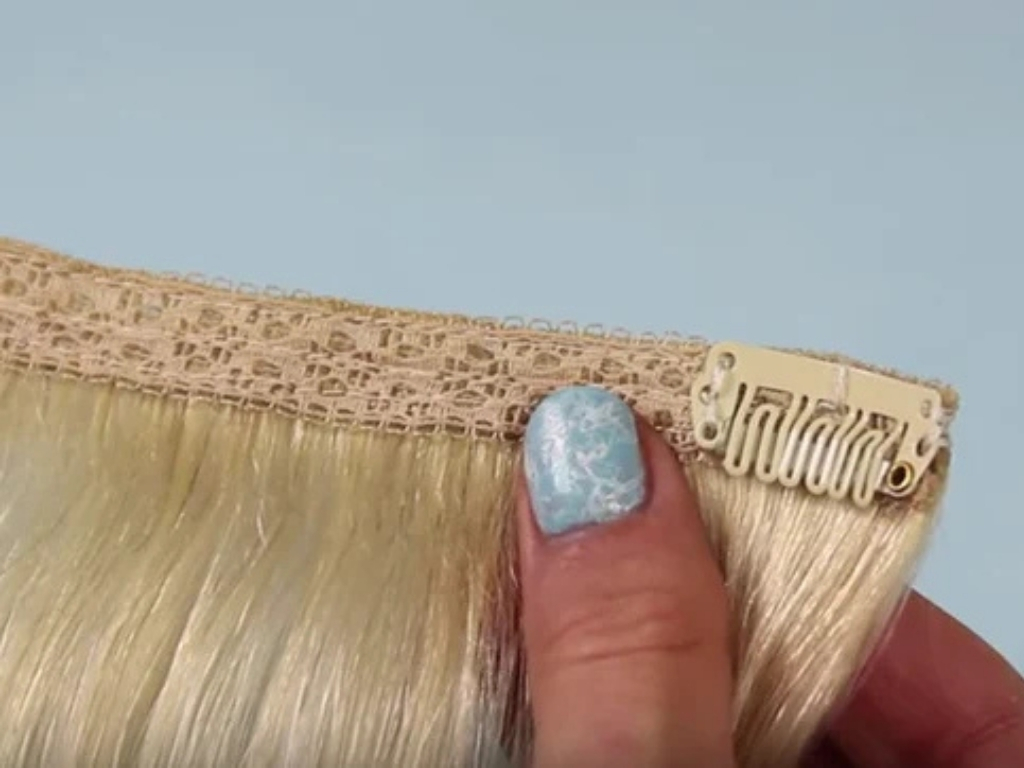
Okay, now comes the important step of sewing the hair onto the clip. You need to make sure to sew through each hole of the clip at least 2-3 times to ensure the hair extensions are secure. When sewing, you should pay attention to placing the comb teeth of the clip outside to help adjust the angle more accurately, and the sewing position will be more beautiful. To finish, you carefully tie the thread knot tightly at the connector so that the clip does not slip. Wow, you have completed your hair extension clip.
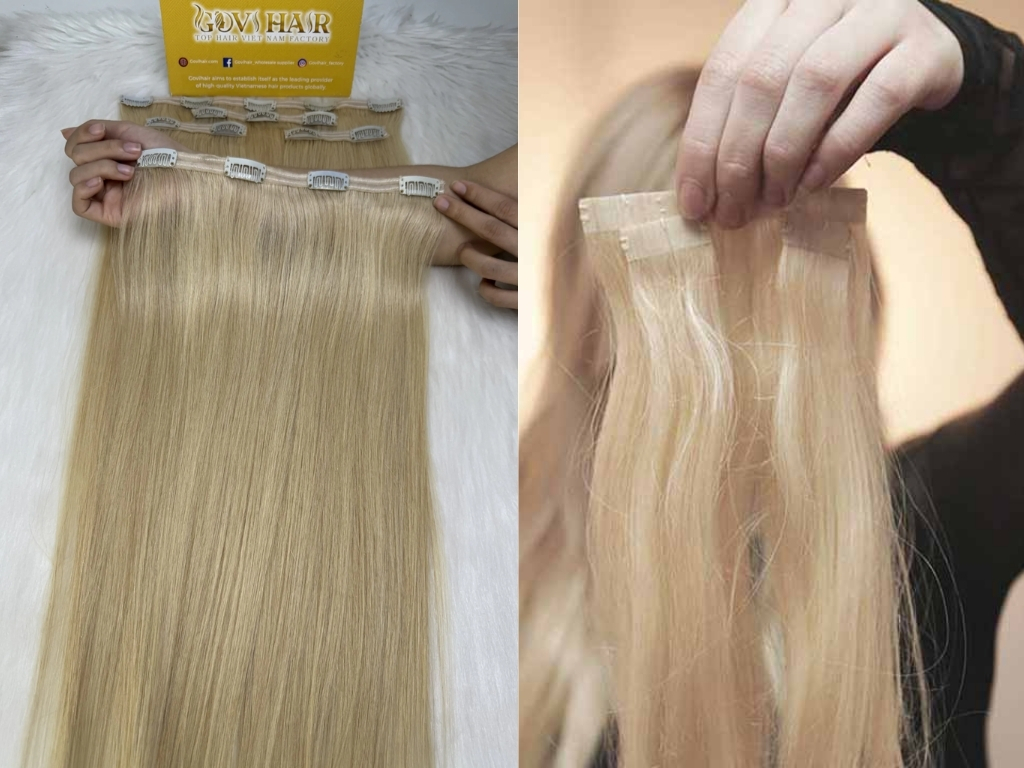
Installing and Styling Your Clip-In Extensions
You already know how to make clip in hair extensions and complete them. Now it’s time to attach and style your real hair. First, prepare each step carefully so that they blend together to look as natural as possible:
- Step 1: Dry your scalp and hair roots, then divide your hair into thin layers horizontally from the nape of your neck to the top of your head. You can spray hairspray or lightly tease the hair roots to increase the adhesion of the clip.
- Step 2: Clip the hair extensions into the hair roots gently but still ensure it is secure. Note, attach the hair extensions in rows so that they are not visible. Take your time, adjust until you have completed the hair extensions for the whole head.
- Step 3: Okay, now it’s time to style them according to your preferences and style. Use a curling iron to gently blend them better, looking more natural.
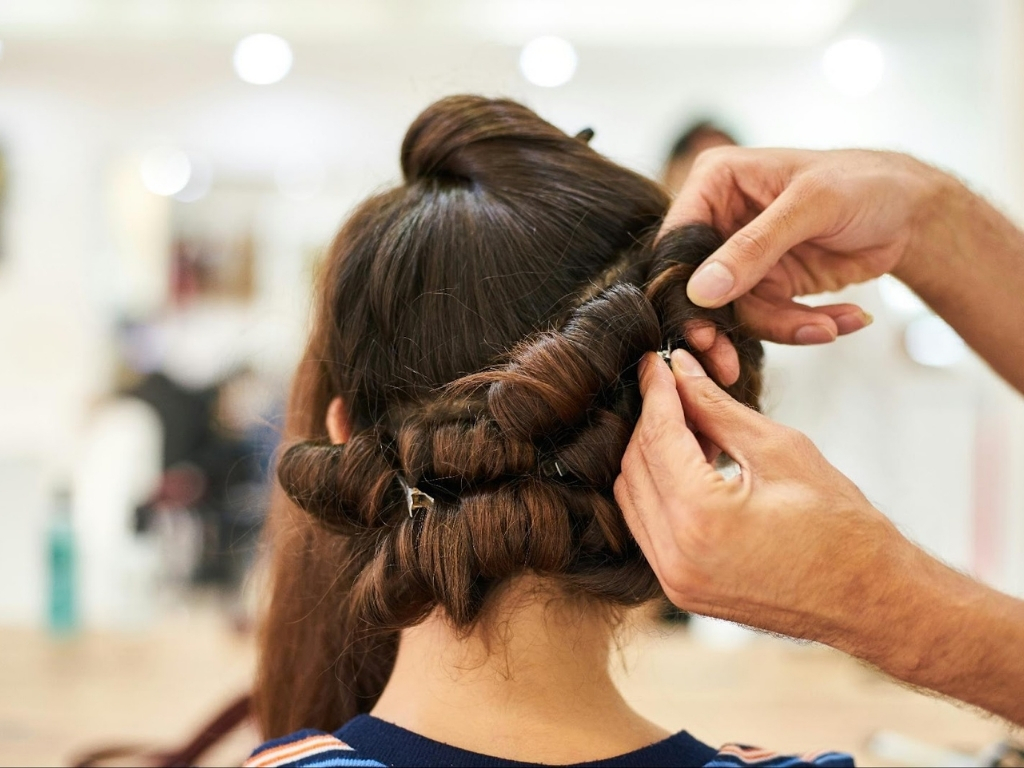
Care and Maintenance to Extend Lifespan
Great, with guides on how to make clip in hair extensions from Govihair’s experts, you have your own DIY hair extensions. Now, how to keep clip-in hair extensions durable, beautiful, and natural like new. Please note a few small tips below to effectively care for clip in extensions:
- You should remove the hair extensions after each use. Do not lie on them, as this can break the hair clips and damage your scalp.
- You just need to clean it after every 5-7 uses and when it’s sticky.
- Use a sulfate-free shampoo and a mild conditioner to maintain moisture.
- Avoid using a high-temperature dryer and then brushing with a wide-tooth comb.
- Store them in a special box or bag to prevent dust, mold, and direct sunlight from damaging the hair.
How Long Do DIY Clip-In Extensions Typically Last?
The lifespan of DIY clip-in hair extensions is usually about 6 months, and can last up to 12 months if the hair quality and care process are good. Clip-in hair extensions from real hair will last the longest if you do not overuse heat to style them. Synthetic hair extensions are less durable, only about 3-5 months, because they are very easy to tangle.
In addition, if you use them regularly, your DIY clip-in hair extensions will also deteriorate more easily. Improper manual hairdressing procedures also cause the hair to deteriorate quickly.
FAQs
What materials do I need to make my own clip-ins?
To create a professional-looking set, you will need:
- Hair Wefts: One or two bundles of human or synthetic hair.
- Extension Clips: Specifically designed small metal clips with silicone grips.
- Needle & Thread: Use a curved upholstery needle and heavy-duty nylon thread (to match the hair color).
- Scissors & Measuring Tape: To customize the width of each piece.
- Liquid Sealant (Optional): To prevent shedding at the cut ends of the weft.
How do I measure the wefts for my head?
You should measure across the back of your head at different levels:
- Nape (Bottom): Usually a 3-inch or 4-inch wide piece.
- Ear to Ear (Middle): Typically an 8-inch to 10-inch wide piece.
- Crown (Top): Usually a 6-inch or 7-inch wide piece.
- Sides: Small 1-inch to 2-inch “filler” pieces for the temples.
Should I “double” or “triple” the wefts?
Yes, if you want volume. Most DIYers sew 2 or 3 layers of hair wefts together before adding the clips. This creates a “thick” extension piece that provides more coverage with fewer clips on your head.
Pro Tip: Align the tops of the wefts perfectly and sew them together using a “blanket stitch” for the most secure hold.
How do I prevent the cut ends of the weft from shedding?
When you cut a long hair weft into smaller pieces, the thread holding the hair together can unravel. To stop this, apply a tiny drop of weft sealer or clear nail polish to the very edges where you made the cut. Let it dry completely before wearing.
Is it cheaper to make your own extensions or buy them?
Making them is usually cheaper if you are using high-quality bundles (like those used for sew-ins). Pre-made clip-ins often have a high retail markup. By DIYing, you get to choose the exact weight and number of clips that fit your specific head shape.
Conclusion
So, you know how to make clip-in hair extensions step by step. Each step requires meticulousness, patience, and your precious time, but the result is long, thick, and natural hair created by your DIY. Let’s start with simple steps, with each stitching, attaching, and styling operation.
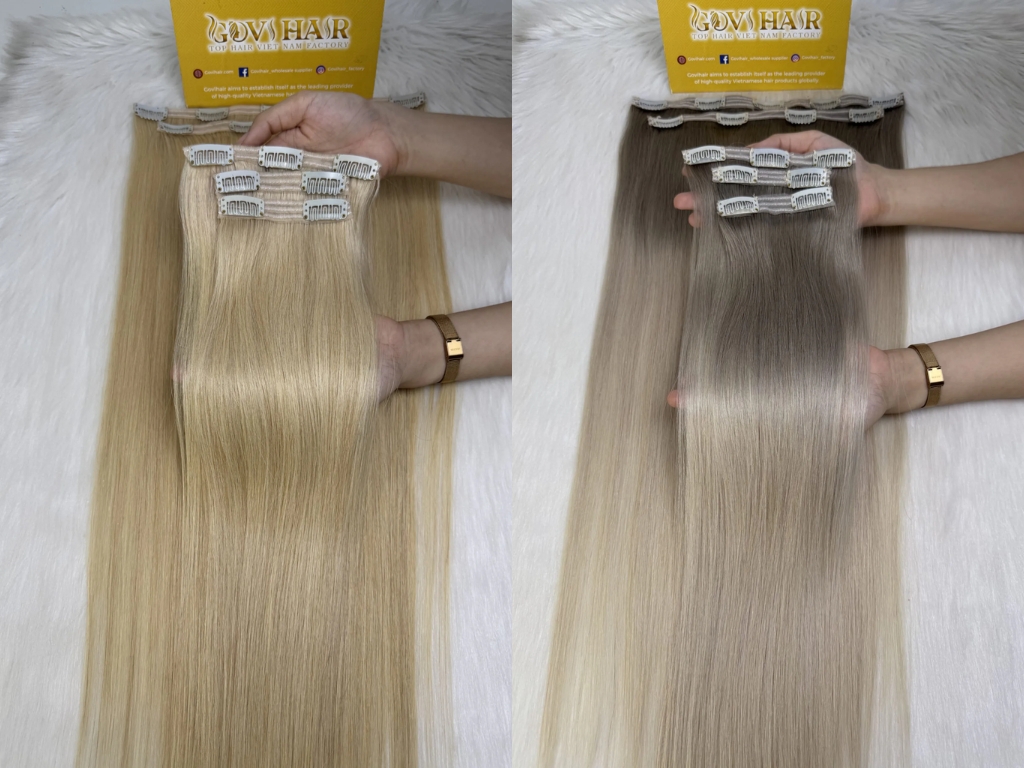
If you want to save time and still own a quality clip-in hair extension set from real human hair, soft and durable, explore Govihair’s premium clip-in hair extension collection. We offer a wide range of colors, lengths, and 100% human hair to give you a new style in just a few simple steps.
Chat with us:
- WhatsApp: (+84) 795 746 986
- Email: [email protected]
- Instagram: govihair_vietnamhair_factory
- TikTok: govihairvietnam_official
- Website: govihair.com


 Ms. Sophia