

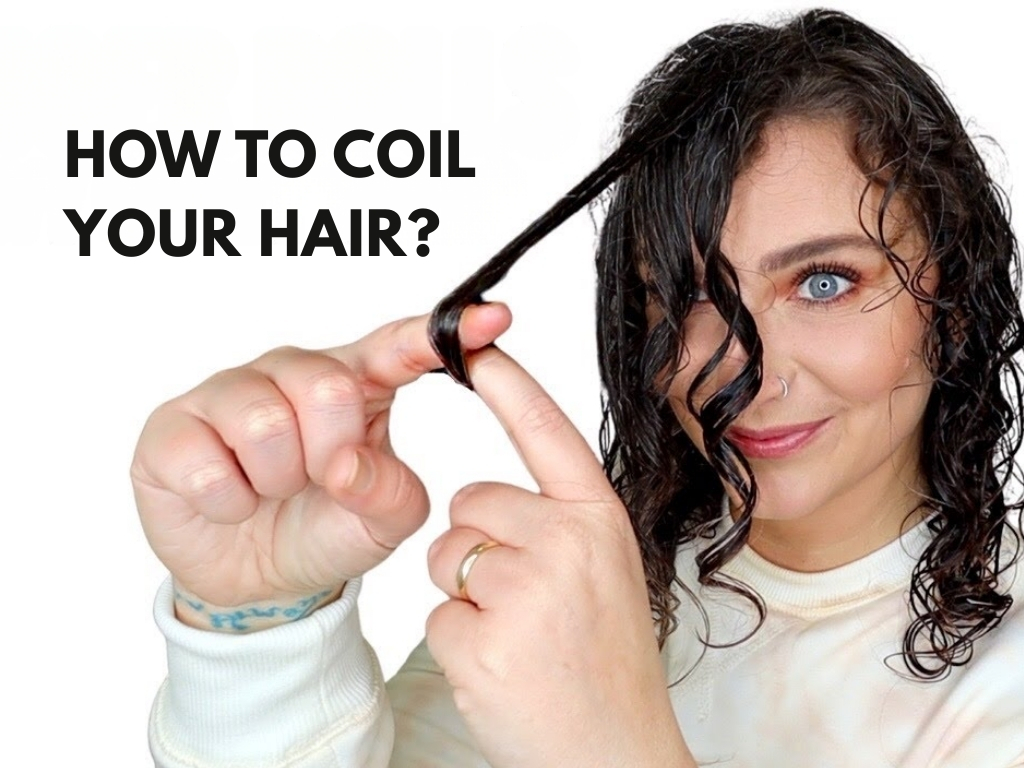
If you have natural curls, achieving that perfectly defined, “springy” look is likely your top priority. Learning how to coil hair is the ultimate way to reduce frizz and showcase the true beauty of your texture. Whether you are looking for juicy definition or starting your journey toward locs, this guide from Govihair will teach you how do you coil your hair like a professional stylist from the comfort of your home.
How to Create Finger Coils on Natural Hair
Finger coiling is a technique that uses your fingers to mold each strand into a spiral. It is the most popular method when searching for how to coil hair with fingers for maximum definition and length retention.
Step 1: Section Your Hair Evenly
Start by dividing your hair into 4 to 6 large sections using clips. Working in smaller parts ensures every strand gets enough product, which is vital when learning how to do finger coils on 4c hair.
Step 2: Hydrate the First Hair Section
Spray the section with water or a hydrating mist. The hair must be damp to allow the strands to clump together effectively. This is a golden rule in how to coil curly hair.
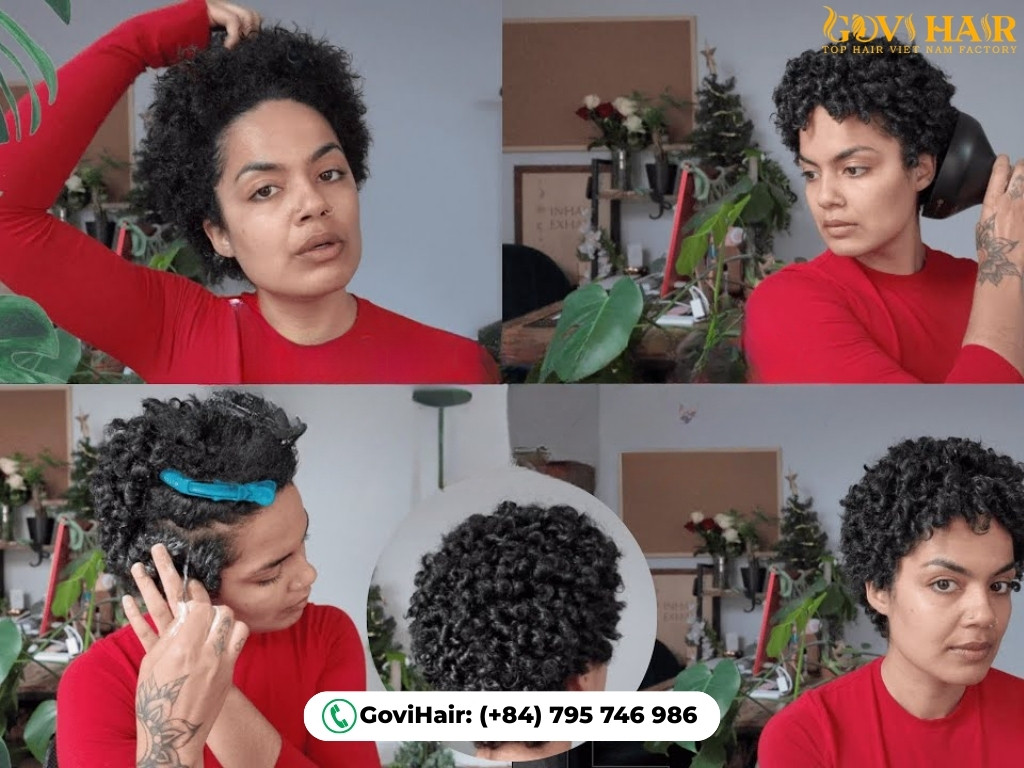
Step 3: Twist Hair into Finger Coils
Take a small sub-section (about 1-2 cm), apply a curling gel or cream, and wrap the hair around your index finger from root to tip. This is exactly how to coil my natural hair for uniform, bouncy spirals.
Step 4: Smooth and Set the Roots
As you spin your finger, use your thumb to smooth the root area. This prevents the “puffy root” look and ensures the coil stays tight.
Step 5: Repeat the Finger Coiling Process
Continue this across your entire head. If you are researching how to finger coil short natural hair, remember to take even smaller sections to ensure the coils don’t unravel easily.
Step 6: Keep Coils Stretched While Drying
Use a hooded dryer or a diffuser on a low heat setting. Avoid touching your hair while it dries to prevent frizz from ruining the definition.
Step 7: Remove Bands and Finish with Shine
Once 100% dry, apply a light oil to your hands and gently separate the coils if you prefer more volume.
How to Coil Hair Using a Comb
Using a fine-tooth or rat-tail comb is a professional-grade method for how to coil black hair. This technique, often called “comb coiling,” creates extremely tight, uniform spirals that are perfect for high-definition styles or as a foundation for locs.
Step 1: Begin with Clean, Moisturized Hair
Successful styling starts with a fresh canvas. Knowing how to coil curl natural hair begins with removing product buildup and applying a deep conditioner to ensure the hair is elastic and ready for manipulation.
Step 2: Gently Towel-Dry Excess Water
Use a microfiber towel to pat your hair. It should be damp—not dripping—to allow your styling products to adhere properly without being diluted.
Step 3: Apply a Leave-In or Styling Cream
Apply a generous amount of leave-in or curling butter. This provides the “slip” needed for the comb to glide through the hair, which is essential for how to coil 4c hair to prevent snagging or breakage.
Step 4: Divide Hair into Small Sections
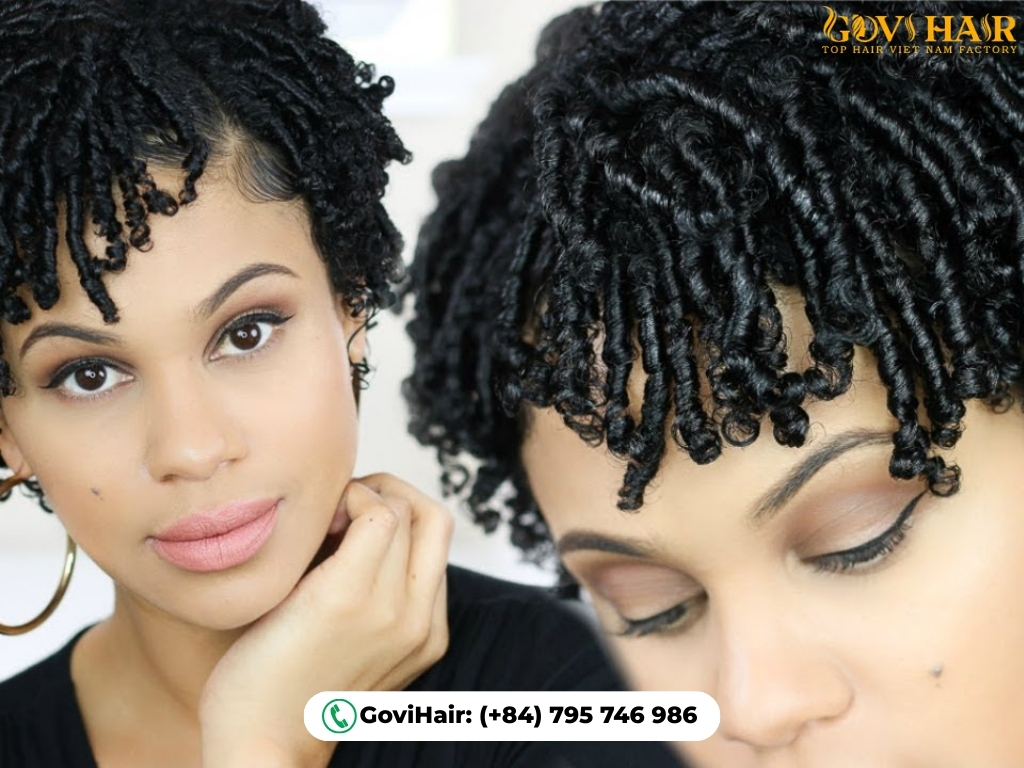
For the best results, work in small sub-sections. Use the tail of your comb to create clean, precise parts, which will make the final look appear much more professional.
Step 5: Coil Hair with the Comb
Place the teeth of the comb at the root of a small section. Rotate the comb 360 degrees while slowly pulling down toward the ends. This specific technique is the gold standard for how to comb coil hair for starter locs.
Step 6: Continue Until All Sections Are Coiled
Work methodically from the nape of your neck toward the front. If a section begins to dry out before you reach it, lightly mist it with water to maintain the moisture balance.
Step 7: Allow Hair to Fully Dry
To master how to coil hair, you must let the “set” lock in completely. Use a hooded dryer or air dry without touching the hair to prevent the coils from frizzing or unraveling.
Step 8: Separate and Style the Coils
Once 100% dry, you can leave the coils tight for a sleek look or gently separate them with oiled fingertips for a fuller, more voluminous “coil-out” style
Best Products for Soft, Bouncy, and Defined Coils
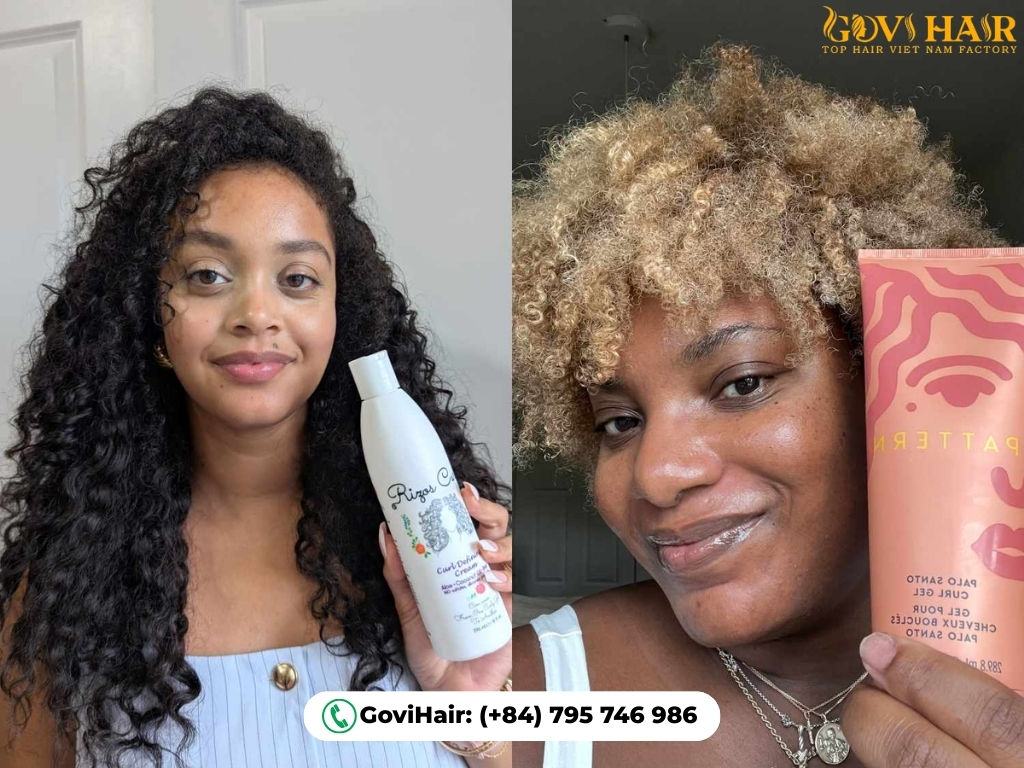
To achieve flawless results when learning how do you coil natural hair, choosing the right products is 50% of the battle. The right formula should not only provide definition but also deliver deep moisture to keep the curls healthy:
- Leave-in Conditioner: This is your essential base layer. A high-quality leave-in softens the hair and provides the necessary “slip” needed for how to coil hair without causing tension.
- Curling Gel or Custard: To prevent coils from unraveling, use a gel with a medium-to-strong hold. This product locks in the shape and adds a natural shine, which is vital for how to coil 4c hair.
- Natural Oils (Jojoba, Argan, or Almond oil): Apply a small amount to your hands when separating coils to reduce friction, prevent frizz, and seal in moisture.
- Styling Tools: Beyond your fingers and combs, you can explore how to coil hair with a sponge for beginners if you want to create quick texture on shorter lengths.
Using the correct product combination ensures your coils remain bouncy, elastic, and well-defined for several days.
What Hair Types Are Best for Coiling?
To achieve perfect definition when learning how to coil hair, your hair should have a natural curl pattern, good elasticity, and the ability to retain moisture. These traits ensure your coils stay bouncy and frizz-free.
The most suitable hair textures include:
- Curly & Deep Wave: Provides an easy base for spiral definition.
- Kinky & Afro Curly: The ideal structure for how to coil 4c hair and other tight textures.
Whether you are starting locs or styling a wash-and-go, these hair types offer the best hold for long-lasting results.
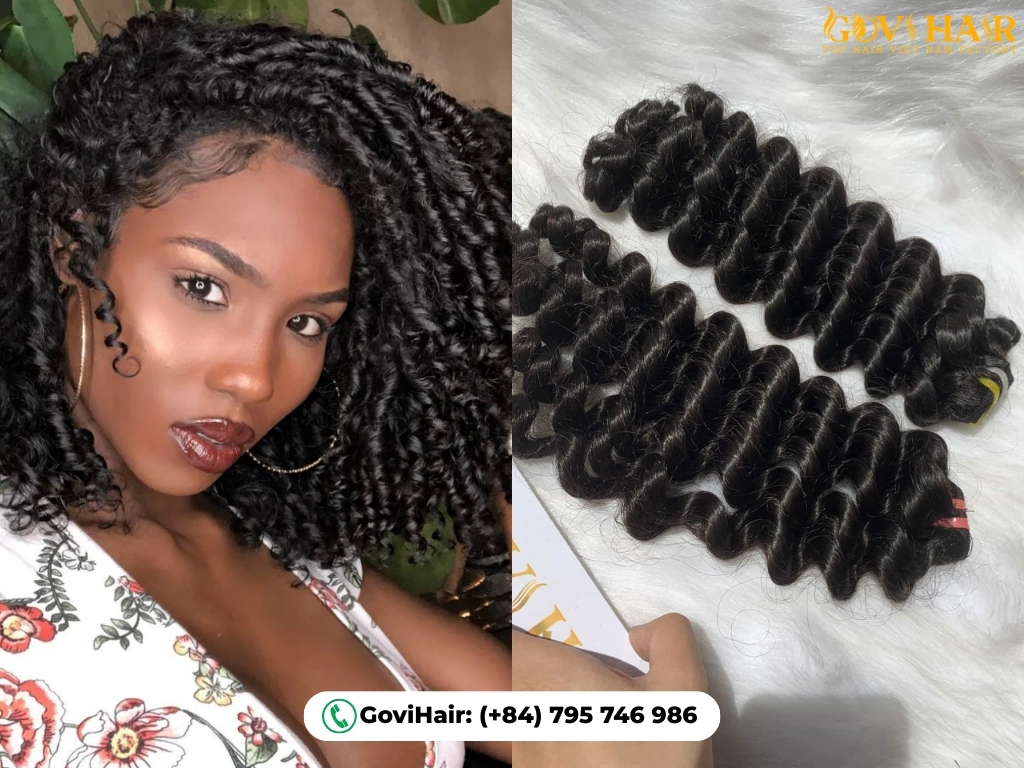
While having the right hair type is crucial for learning how to coil hair, not everyone possesses naturally thick or long locks. If your hair lacks volume or you want to experiment with color without damage, GOVIHAIR provides 100% Vietnamese human hair that is ideal for coiling styles.
- Raw Hair (Single Donor): Features superior elasticity and natural shine. It can be safely bleached to #613 and lasts 2–5 years, making it ideal for long-term styling.
- Virgin Hair: An affordable option that holds curls exceptionally well. It is highly popular in the African market for how to coil 4c hair in dark tones.
- Service & Shipping: We offer everything from Bulk and Weft hair to ready-to-wear Wigs (8”–40”). Enjoy fast worldwide shipping (7–9 days) with a starting MOQ of just 300g for quality testing.
Chat With Us:
- WhatsApp: (+84)795 746 986
- Email: [email protected]
- Instagram: govihair vietnam factory
- Tik Tok: govihairvietnam_official
- Website: https://govihair.com/
Expert Tips to Keep Finger Coils Looking Fresh
- Protect at Night: Always wear a satin bonnet or use a silk pillowcase to prevent friction and preserve your how to coil hair results.
- Steam Refresh: Instead of soaking hair, use light steam from the shower to reactivate the products and plump up the coils without causing frizz.
- Scalp Care: Apply a lightweight oil to your scalp to prevent itching without weighing down your how to finger coil short natural hair style.
Common Coiling Mistakes to Avoid
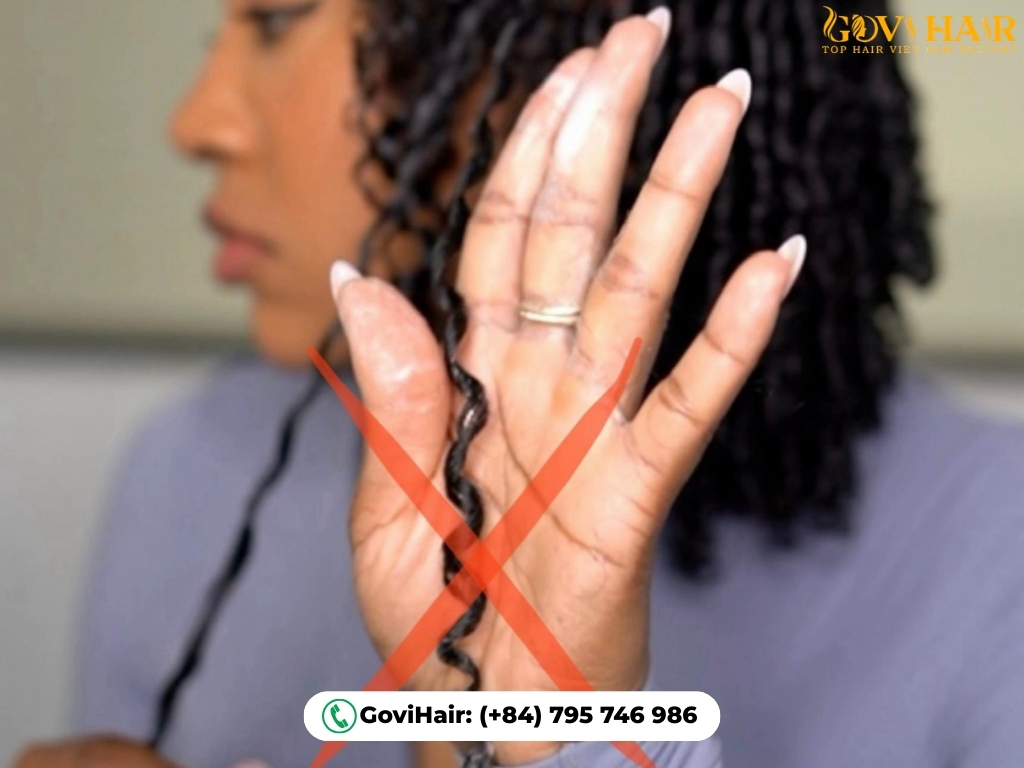
- Coiling on Dry Hair: This is the fastest way to cause frizz and breakage. Always ensure hair is damp when learning how to coil curly hair.
- Over-manipulation: Touching your coils before they are 100% dry will ruin the definition. This is a crucial rule for how to coil dreadlocks.
- Product Overload: Using too much heavy cream causes buildup and flaking, making your how to coil 4c hair look dull instead of shiny.
FAQs
1. Should I coil my hair wet or dry?
You should always coil your hair when it is damp or wet. Water resets the hydrogen bonds in your strands, allowing them to take on the new spiral shape effectively. Attempting how to coil hair on dry strands will lead to immediate frizz, lack of definition, and potential breakage.
2. How long do finger coils last on natural hair?
With proper maintenance, finger coils can last anywhere from 1 to 3 weeks. To maximize their lifespan, sleep with a satin bonnet and avoid touching your hair unnecessarily. If you are learning how to coil natural hair for a long-lasting style, ensure you use a gel with a strong hold.
3. What are the best products for coiling 4C hair?
4C textures require a combination of intense moisture and strong hold. Start with a creamy leave-in conditioner to soften the hair, then follow up with a thick curling custard or firm-hold gel. This layering method is essential for how to coil 4c hair to prevent the coils from drying out or shrinking too much.
4. Why are my coils unraveling at the roots?
“Puffy roots” usually occur because the hair wasn’t smoothed or twisted tightly enough at the scalp. When figuring out how do you coil your hair, make sure to apply product directly to the root area and use your thumb to smooth the base firmly before spiraling down the length of the hair.
5. Can coiling hair start dreadlocks (starter locs)?
Yes, absolutely. Comb coils are one of the most popular methods for starting locs because they create uniform, cylindrical tubes that mature neatly over time. If you research how to comb coil hair for starter locs, you will find this is the standard technique for a traditional, clean loc journey.
Conclusion
Mastering how to coil hair is the key to unlocking defined, frizz-free spirals. Whether you use your fingers or a comb, the secret lies in proper hydration and patience. By following these steps on how to coil my natural hair, you can achieve professional, bouncy results that last for weeks. Embrace your texture and start your healthy hair journey today!


 Ms. Jade