

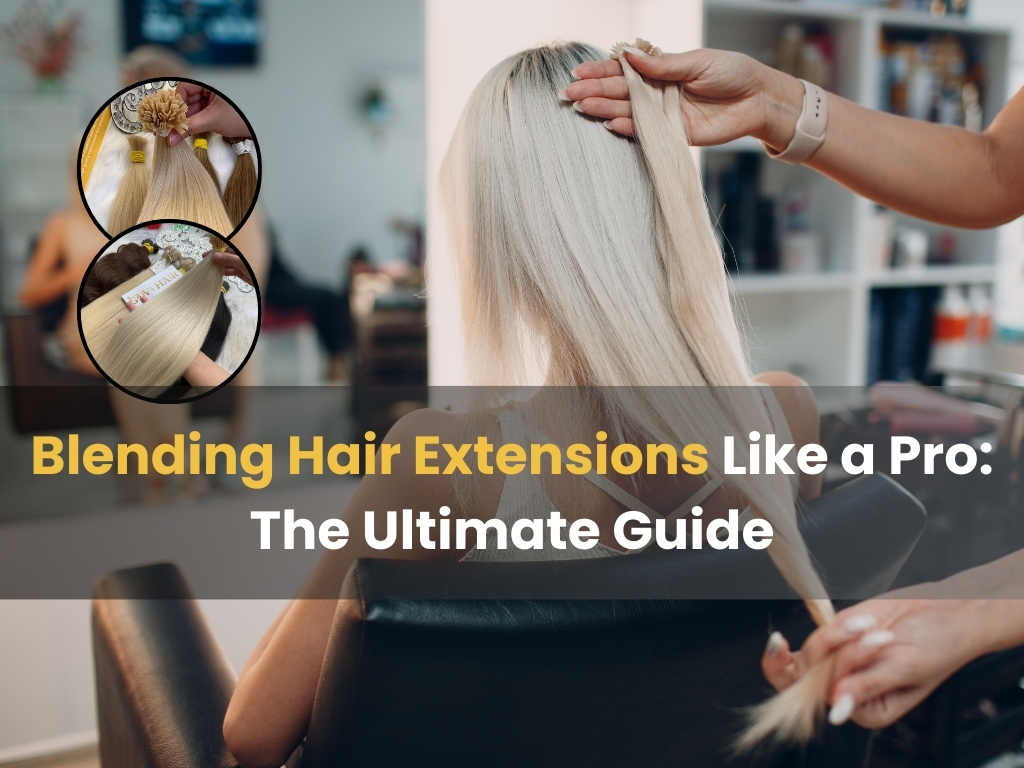
Dreaming of longer, fuller hair that no one can tell isn’t yours? Blending hair extensions like a pro is the secret to flawless, natural-looking hair. It’s not just about clipping them in, it’s about choosing the right shade and texture, layering them in the right spots, trimming for shape, and using heat tools to bring it all together.
From sleek straight styles to soft waves, this guide from GoviHair walks you through pro techniques to hide tracks, smooth out lines, and make your extensions look like a natural part of your hair. No more guesswork, just flawless, head-turning hair.
Why Blending Hair Extensions Is Important for a Seamless Look
The Problem with Unblended Extensions
You’ve invested in beautiful extensions, soft, glossy, and full of promise. But if they sit stiffly on top of your natural hair or reveal harsh lines between your strands and the wefts, it’s instantly obvious. Instead of enhancing your style, they become a distraction. Unblended extensions can look bulky, uneven, or like they were “tacked on,” especially in outdoor lighting, wind, or movement. It defeats the purpose of wearing them in the first place. Worse yet, poor blending can draw attention to the very areas, like short layers or thinning ends, that you’re trying to disguise.
The Difference Blending Makes in Style & Confidence
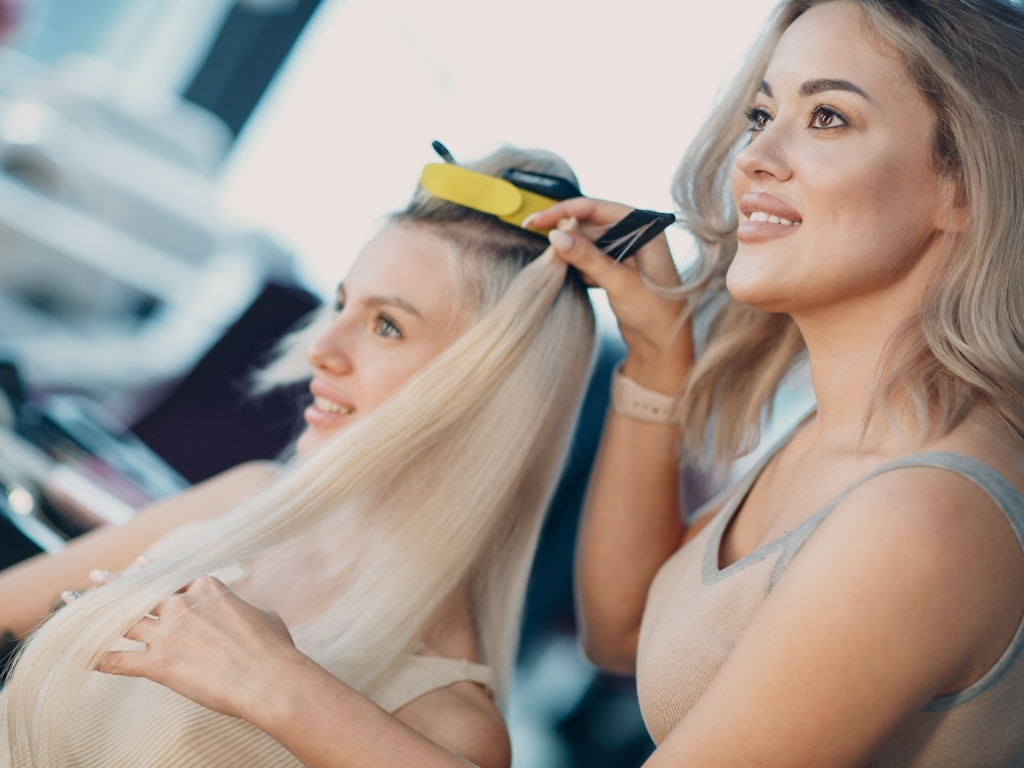
Seamless blending is the difference between “wearing extensions” and looking like you were born with it. Properly blended extensions move with your natural hair, mimic its texture and flow, and create an effortless finish that’s virtually undetectable. The result? A boost in confidence, more polished selfies, and compliments that sound like: “Your hair looks amazing”, not “Are those extensions?” Whether you’re heading to brunch, a big meeting, or a wedding, well-blended extensions take your look from ordinary to extraordinary.
Choosing the Right Extensions for Easy Blending Hair Extensions
For the best blending results, we highly recommend investing in human hair extensions. Unlike synthetic extensions, human hair extensions offer a natural look and feel, making them easier to blend with your own hair. They can be styled, dyed, and treated just like your natural hair, ensuring a seamless integration. Human hair extensions maintain their cuticle alignment, resulting in less tangling and a smoother, more natural appearance. While they may come at a higher cost, their durability and versatility make them a worthwhile investment for anyone serious about achieving a flawless look.
Matching Color, Length & Texture
Start with perfectly matched extensions. The biggest blending mistake is choosing hair that’s too dark, too light, or too shiny. Use natural light to compare shades and don’t be afraid to mix multiple wefts in slightly different tones to mimic real hair’s depth.
Texture is just as important. Straight hair extensions won’t blend well with naturally curly strands unless styled. Try to match the natural pattern of your hair or go for extensions you can heat-style to match your texture.
Length also plays a role. Super long extensions on a blunt bob? Difficult to blend. Choose a length only a few inches longer than your natural hair for the most believable transition.
Clip-In, Tape-In, or Sew-In Hair Extensions – What Blends Best?
When it comes to blending hair extensions seamlessly with your natural hair, choosing the right type of extension is half the battle. Each method, whether clip-in, tape-in, or sew-in, has its own advantages based on your hair type, daily routine, and how often you plan to wear them. Selecting the right match sets the foundation for a flawless blend that looks and feels completely natural.
Clip-In Extensions
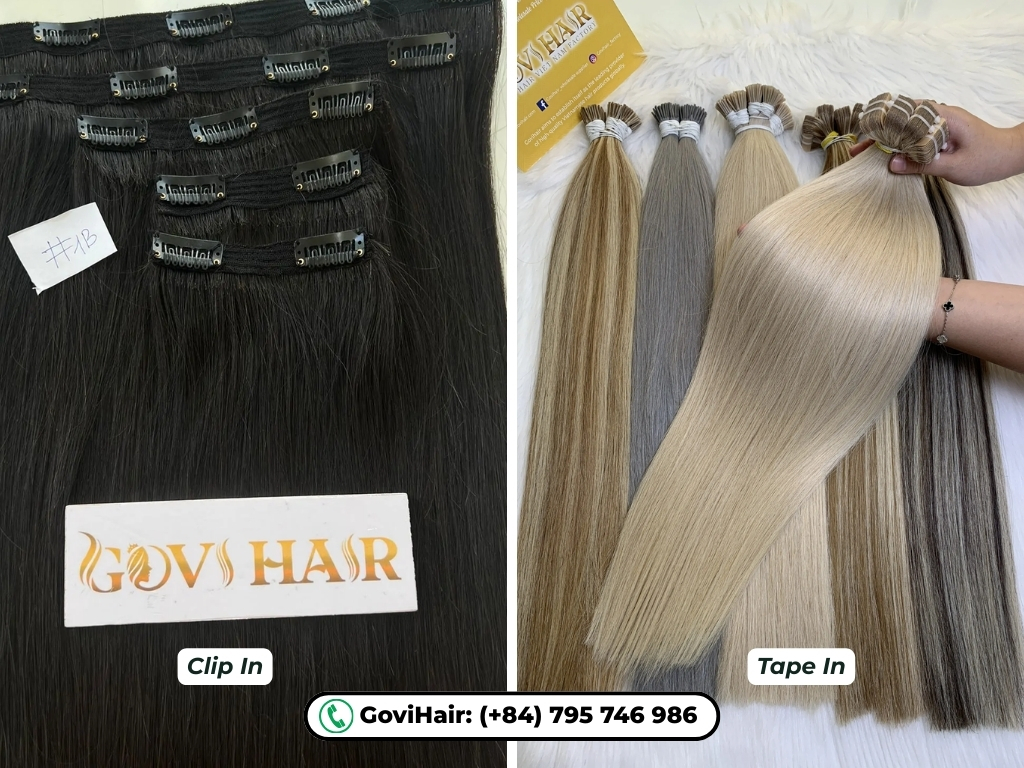
If you’re wondering how to blend clips in hair extensions so they look like your own, start by placing them low, teasing roots for grip, and styling everything together. These are the most popular for a reason, they’re quick, reusable, and perfect for adding instant volume or length for special occasions. However, because they sit on top of your natural hair, clip-ins require more effort to blend seamlessly, especially if your hair is fine or short. Teasing, strategic placement, and heat styling are often needed to hide the clips and ensure a natural finish. That said, their flexibility and ease of use make them ideal for beginners or those who don’t want a long-term commitment.
Tape-In Extensions
For those asking how to blend tape in hair extensions, the secret is in sandwiching them with thin, even sections and heat-sealing the roots for a flat, undetectable finish. Because they mimic the natural fall of hair, they work particularly well for those with medium to thick hair. Tape-ins last several weeks with proper care and can be styled just like your own hair, making them perfect for daily wear without the hassle of constant reapplication.
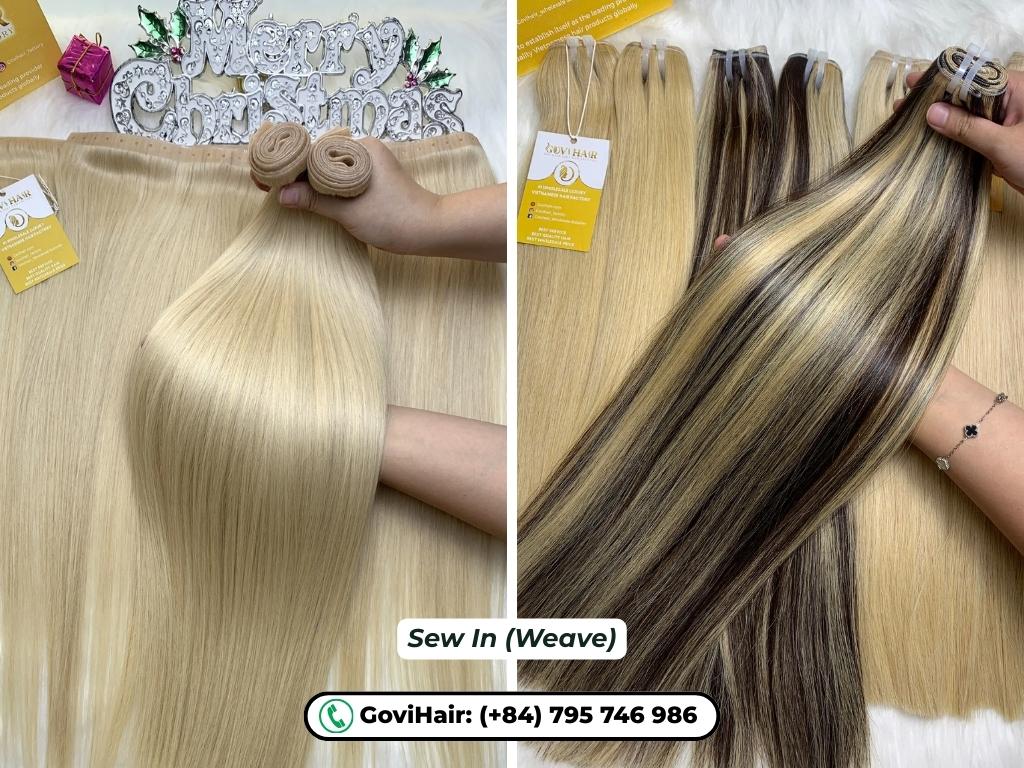
Sew-In Extensions (Weaves)
Sew-ins involve braiding your natural hair into cornrows and stitching the wefts onto the braids. This method offers maximum security and volume, especially for those with thick, coarse, or naturally textured hair. Sew-ins blend beautifully when installed correctly, but they do require professional application and upkeep. They’re an excellent long-term option if you’re seeking durability and a seamless finish, particularly for textured or curly hair types that need more support.
Pro tip: For first-timers, clip-ins are great to practice blending techniques before moving to more permanent options.
Best Extensions for Blunt or Short Hair
If you’ve ever wondered how to blend extensions with short blunt hair, the key lies in using thick, double-drawn wefts and strategic layering. Blending hair extensions with short or blunt hair can be tricky, but the right choices make all the difference. Start with double-drawn Remy human hair extensions in thick, full sets, these offer consistent volume from root to tip, which helps disguise the stark contrast between your natural ends and the added length.
Blunt cuts often create a strong visual line that’s hard to hide, so customizing the extensions through trimming and layering is essential. You may also need to lightly layer your natural hair to help it fall more naturally over the extensions. Soft curls or waves can further blur the transition and create a more seamless, voluminous finish. The goal is to build a natural-looking shape where the extensions enhance, not overpower, your real hair.
>> Read More: How to Blend Extensions Into Short Hair: Best Tips for Seamless
Tools & Products You’ll Need for Blending Hair Extensions
How To Blend Hair Extensions With Scissors Vs Thinning Shears For Cutting
Professional stylists always recommend trimming extensions after they’re installed. Use thinning shears to remove bulk and soften the transition between your real hair and the extensions. Regular scissors can also help layer and shape, but make sure they’re sharp and meant for hair, not kitchen scissors!
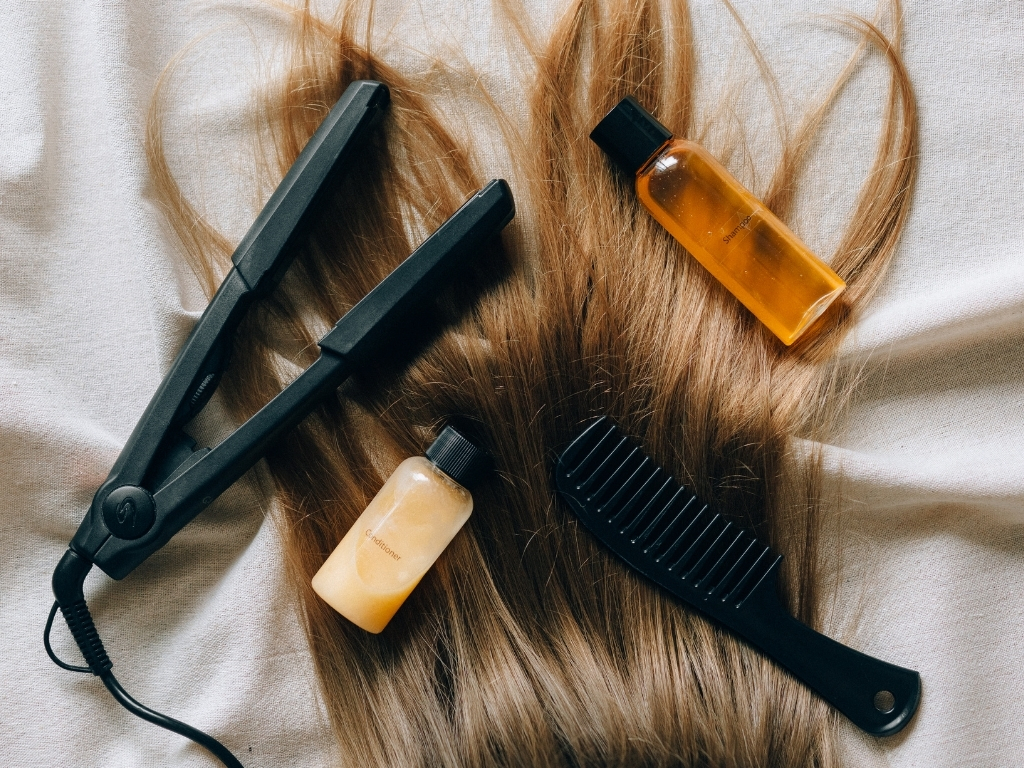
Heat Styling Tools for Curling or Straightening
Using a curling iron or straightener post-installation helps blend textures, especially if your extensions and natural hair don’t match exactly. Curling both together is one of the fastest hacks for seamless blending.
Texture Matching Sprays & Serums
Apply a lightweight serum or shine spray to unify the look. Texture sprays (like sea salt or dry texturizers) help when you want volume and grit, especially for fine hair. Avoid heavy products that can weigh down the blend or create greasy separation lines.
10 Smart Ways for Blending Hair Extensions More Naturally
1. Get Them Trimmed While Installed
For the most realistic finish, have your extensions trimmed after they’re clipped or taped in. Cutting extensions before placement can result in uneven blending. Ask a stylist to shape the ends using layers or point-cutting so the added length flows naturally with your real hair. This also helps remove that flat, heavy “extension shelf” effect and creates movement that looks effortlessly real.
2. Conceal Your Bottom Layer for a Cleaner Look
If you have short, blunt, or choppy layers at the nape of your neck, they can peek out under your extensions and give away the secret. Solve this by sectioning off the lowest layer of your hair (ear to ear), braiding or twisting it flat, and pinning it to your scalp. Then, clip your first weft just above the pinned section. This trick is especially helpful if you’re figuring out how to blend extensions with blunt hair, where shorter pieces tend to stick out underneath.
3. Curl or Wave Everything Together
One of the best methods for how to blend clip in extensions with natural hair is to curl both together in alternating directions for a flawless texture match. Texture helps camouflage transition lines. Instead of styling your natural hair and extensions separately, combine a strand of each into the same curl or wave. This fuses the textures and eliminates harsh divisions between lengths. Loose curls or soft beach waves are especially forgiving and work wonders for creating harmony in mixed-length hair.
4. Stack Wefts Strategically for Volume
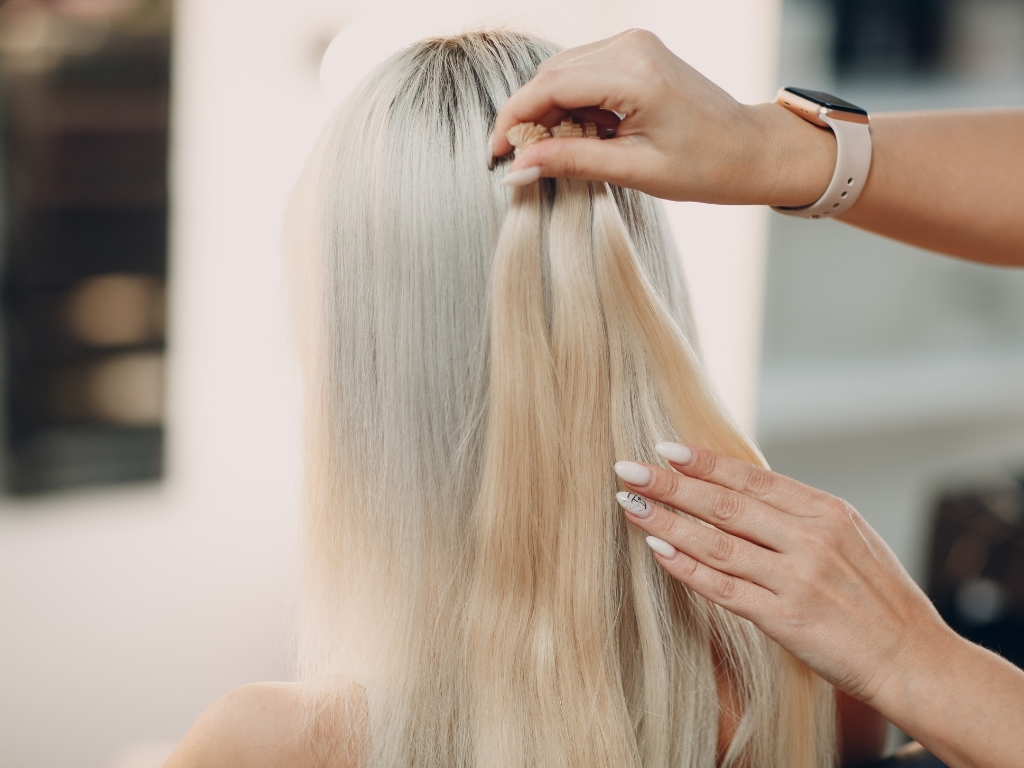
If your hair is thick or your haircut is blunt, try stacking multiple wefts together in one placement. This technique boosts fullness and hides the visible ledge where your real hair ends. It also helps you reduce the number of clip-in rows you use, freeing up space on the scalp and improving comfort throughout the day.
5. Build a Strong Base with Teasing or Texturizing Spray
Extensions don’t hold well on slippery, freshly-washed hair. Before clipping them in, gently tease the root of each section and spritz it with a volumizing spray, dry shampoo, or sea salt mist. This creates a textured grip that keeps the clips anchored and prevents slipping, especially for fine or silky hair types. If teasing isn’t your thing, twisting or lightly braiding the root section can offer the same secure base.
6. Place Clips Below the “Eyebrow Line”
To keep clips hidden, only install wefts below your imaginary eyebrow line that is, the horizontal circle around your head from brow to brow. Clipping in extensions too high increases the risk of them being seen through thinner top layers. This “safe zone” rule ensures you always have enough natural hair on top to fully conceal the tracks.
7. Clip in a Diagonal Pattern to Frame Your Face
A subtle but effective trick: clip small wefts (like two-clip pieces) diagonally near your temples, angling them downward toward your chin. This technique softens the front of the style and gives your extensions a flattering, face-framing effect. It’s especially helpful for making long extensions blend better with layers or shorter front pieces.
8. Refresh with a Gentle Wash
If your extensions feel too silky or don’t match your hair’s texture, give them a light wash with sulfate-free shampoo and conditioner. Once dry, they’ll often fluff up and gain more volume, helping them better mimic the density of your own hair. Some users find that washed extensions also hold waves or curls more easily, making styling and blending hair extensions more successful.
9. Customize Placement for Your Head Shape
There’s no universal placement for clip-ins. If you’re struggling to get them to blend, experiment with different spacing, angles, and layering of wefts. For example, some users get better results clipping higher at the back and lower at the sides. The goal is to follow the natural round of your head, avoiding bulk where your hair is thinner and focusing volume where you need it most.
10. Use Mixed-Length Wefts for Dimension
Instead of using all the same length, mix shorter and longer wefts to create a more layered, lived-in look. Real hair naturally varies in length, and extensions that mimic this variety look much more believable. Try alternating 16″, 18″, and 20″ wefts throughout your head to achieve gradual blending and avoid harsh length gaps.
Pro Tips Blending Hair Extensions For Every Hair Types
Blending Extensions with Thick Hair
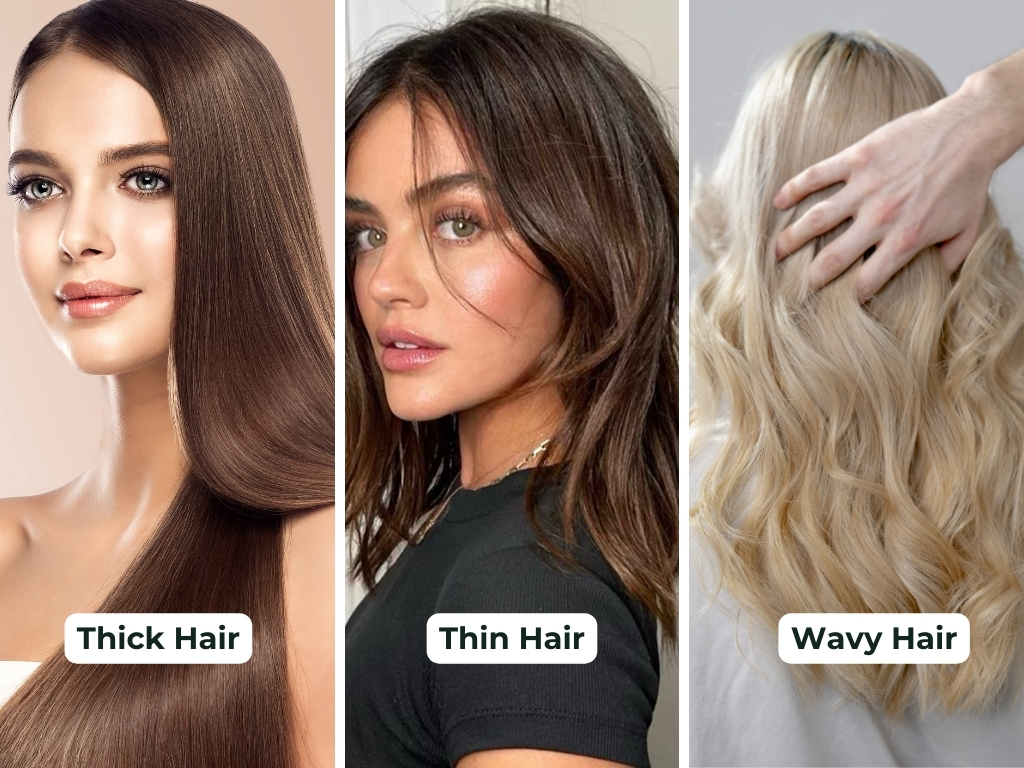
Not sure how to blend hair extensions with thick hair without them looking bulky or uneven? Start by matching the density. If you have thick or coarse hair, blending can be more forgiving, but only with the right tools. Start by choosing double-wefted or heavy-density extensions that match your natural volume. Thin wefts can look stringy beneath thick strands, creating a noticeable disconnect.
One key trick is to thin out the bottom layers of your real hair using thinning shears. This removes bulk where your natural ends meet the extensions, creating a softer, tapered transition. Then, blend in long layers across both your hair and the extensions to avoid that harsh, stacked effect. This technique helps all the hair fall together naturally, whether you’re wearing it straight or styled.
Blending Extensions with Fine or Thin Hair
Fine hair needs a gentler approach. Bulky extensions can pull at delicate roots or look too obvious. Go for lightweight options like seamless clip-ins or tape-ins, they lay flatter and integrate better with finer strands.
To improve grip and hide wefts, tease your roots gently and apply a dusting of root powder or dry shampoo where clips or tapes will sit. This adds texture and keeps everything in place. When it comes to styling, soft waves or curls help build volume and soften the transition between your hair and the extensions. Avoid heavy products that can weigh your hair down or create separation.
Curly, Wavy, or Straight – Texture Blending Tips
Curly Hair
The most common mistake when working with curly hair is trying to blend it with straight extensions, it rarely looks natural. Always choose extensions that match your curl pattern, whether it’s loose, coiled, or kinky. To maintain consistency, wash, condition, and style your extensions using the same products and techniques as your natural hair.
Wavy Hair
Wavy textures are among the easiest to blend. For best results, curl your natural hair and extensions together using a large-barrel wand, and alternate the direction of the curls. This adds movement, disguises any blunt transitions, and creates a soft, tousled look.
Straight Hair
Straight styles offer a sleek, polished appearance, but they also highlight any imperfections in the blend. Use a flat iron on both your natural hair and extensions to align texture. Apply a light smoothing serum to minimize frizz or mismatched shine. For added cohesion, bevel the ends slightly to help everything fall into place with a smooth, fluid shape.
Common Blending Hair Extensions Mistakes
Skipping the Cut or Layers
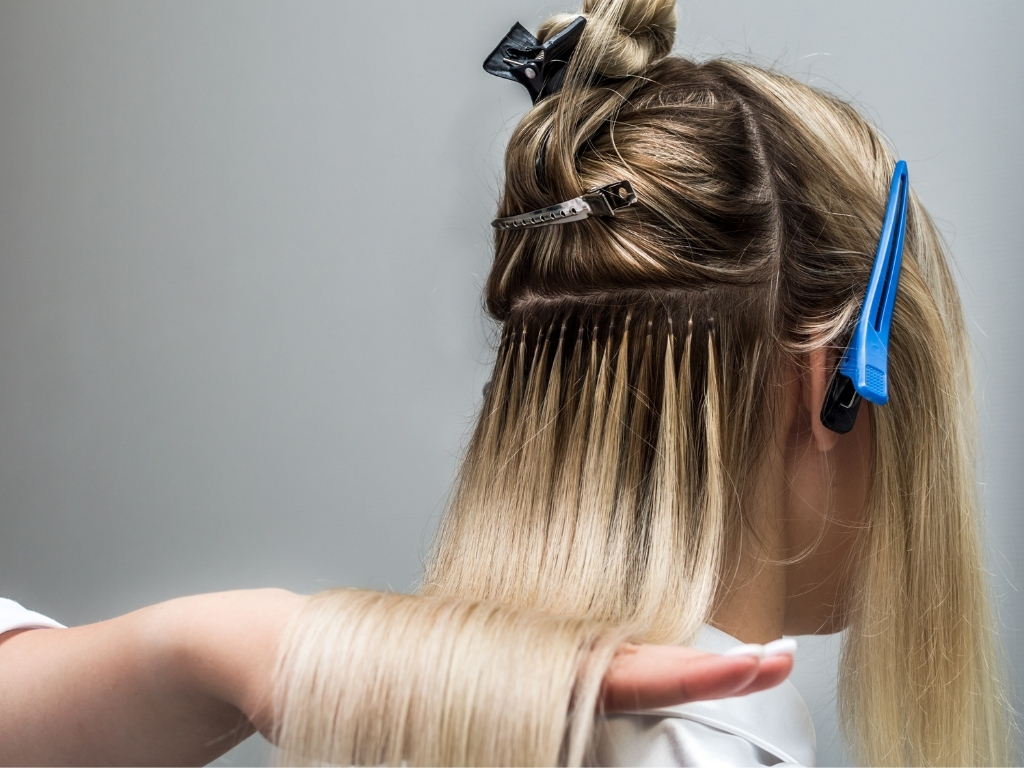
This is one of the most common and most noticeable mistakes when blending hair extensions. Extensions aren’t a one-size-fits-all solution right out of the package. Without trimming or layering, the line between your real hair and the extensions can look blunt and obvious. A quick fix? Ask a stylist (or do it yourself carefully) to add soft, face-framing layers and feathered ends to break up the length and create movement. This small adjustment makes your extensions fall naturally and match your haircut seamlessly.
Mismatched Colors or Textures
No matter how expertly installed, if the color or texture of your extensions doesn’t match your real hair, the blend will never look natural. Trying to match ash blonde extensions to warm brown roots? It won’t fool anyone. Always match extensions in natural daylight, and consider combining two shades for depth and dimension. Also, pay close attention to texture, if your hair is wavy or curly, flat-straight extensions will stand out unless you heat-style them to match.
Visible Wefts or Tracks
Exposed wefts or tape lines are a dead giveaway that you’re wearing extensions. This usually happens when extensions are placed too high on the head or when there isn’t enough natural hair to cover the base. To avoid this, leave enough hair at the crown and sides to fully hide the wefts. Also, angle the placement slightly and layer smaller wefts near the top for a smoother transition. For added security, use a light teasing technique to create a cushion that supports and conceals the base.
FAQs
Why do my hair extensions not blend?
If your extensions aren’t blending well, the problem is likely a mismatch in texture, thickness, or color. Skipping layers or placing the wefts too high can also create a harsh transition. Fixing these issues with trimming, styling, and proper placement can improve blending hair extensions dramatically.
What hair extensions blend the best?
The best extensions for blending are seamless clip-ins or tape-ins, as they lie flat and are less detectable. For thicker hair, double-drawn wefts offer full ends that blend more naturally.
How to blend extensions without cutting?
You can still achieve a flawless look by stacking wefts, curling both your natural hair and extensions, and mixing lengths. Using heat styling and proper placement makes blending hair extensions possible even without trimming.
Conclusion: How to Blending Hair Extensions with Confidence
Blending hair extensions doesn’t require a trip to the salon, just the right techniques, some creativity, and quality hair that works with you, not against you. When you match texture, cut strategically, and style with intention, extensions can look indistinguishable from your natural strands. The result? Effortless volume, length, and confidence that moves with you from everyday glam to special occasions.
At GoviHair – a trusted Vietnamese hair vendor, we understand that seamless blending starts with exceptional hair. That’s why we offer 100% natural Vietnamese hair, ethically sourced and expertly crafted to ensure softness, durability, and a flawless finish. Whether you’re working with short, thick, fine, or curly hair, our wide range of textures and installation options, from clip-ins to wefts, are designed to blend effortlessly and beautifully.
Whenever you’re ready, contact us for a personalized consultation.
- WhatsApp: (+84) 795 746 986
- Email: [email protected]
- Instagram: govihair_vietnamhair_factory
- Tik Tok: govihairvietnam_official
- Website: govihair.com


 Ms. Rosie