

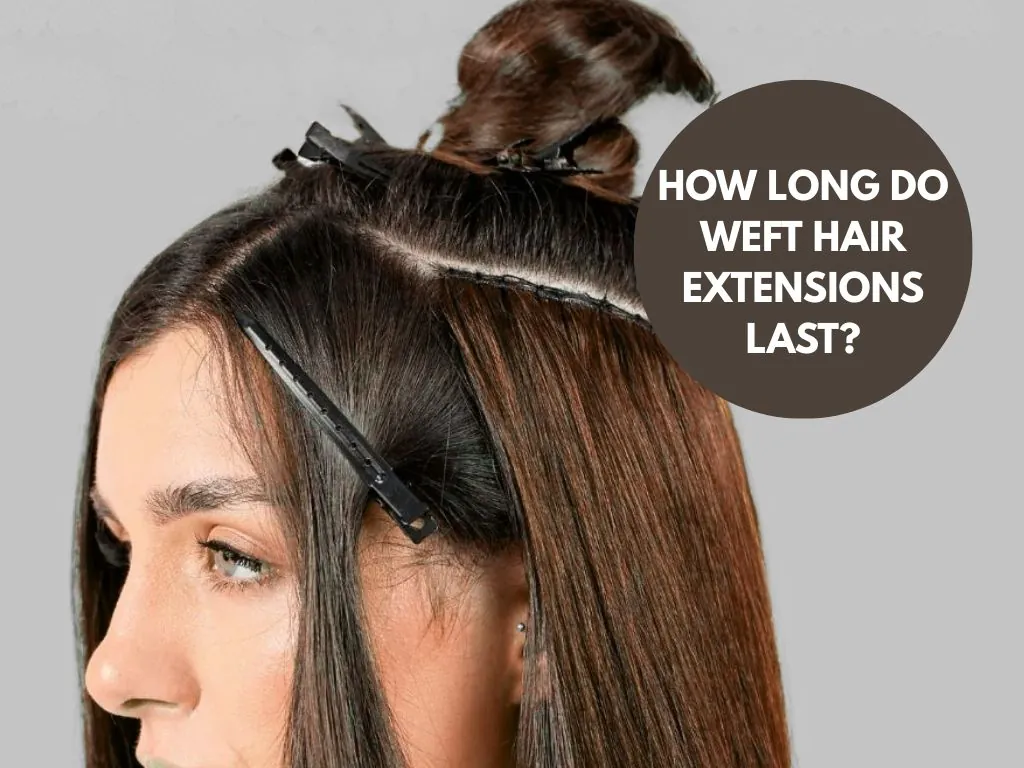
Investing in hair extensions is not just a financial decision; it’s a commitment to a beauty routine. Among the various methods available, weft hair extensions reign supreme for their durability and natural finish. But the common question for anyone considering this investment is: How long do weft hair extensions last?
In this blog from Govihair, we will break down the lifespan of wefts, the factors that influence their durability, and expert tips to keep your hair looking flawless for months.
What Are Weft Hair Extensions?
Before discussing longevity, it is crucial to understand the product. Weft hair extensions consist of hair strands sewn onto a horizontal track (the weft). They are typically installed by sewing the weft onto a beaded foundation or a braid in your natural hair.
There are different variations of wefts tailored to different hair types. The two most common categories you will encounter are hand tied vs machine weft. Machine wefts are thicker and more durable, while hand-tied wefts are thinner, flatter, and ideal for fine hair. Understanding these distinctions is the first step in predicting how the hair will behave over time.

How Long Do Weft Hair Extensions Last?
The lifespan of weft hair extensions is two-fold: the longevity of the hair itself and the duration of the installation.
-
The Hair Lifespan: High-quality human hair wefts can last anywhere from 6 to 12 months, and sometimes even longer with impeccable care.
-
The Installation Lifespan: While the hair lasts a year, you cannot wear it continuously without maintenance. As your natural hair grows, the weft moves down. You will typically need a maintenance appointment (a “move-up”) every 6 to 8 weeks.
Why Extension Quality Matters
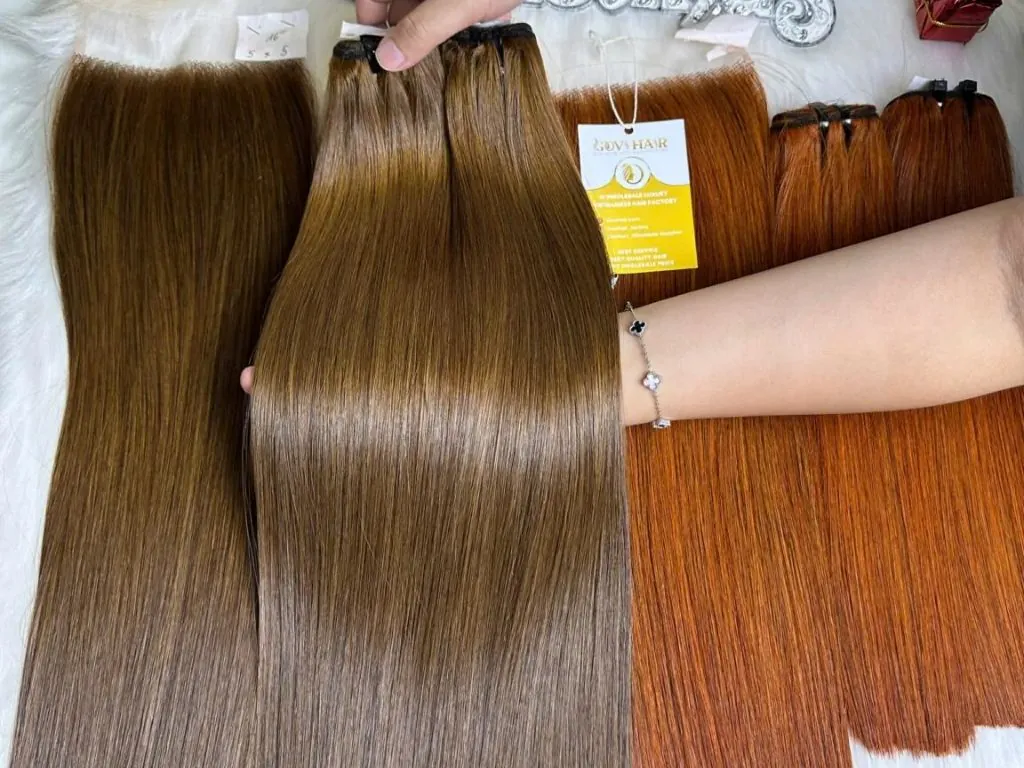
Not all hair is created equal. The source and processing of the hair are the biggest predictors of longevity and overall appearance.
-
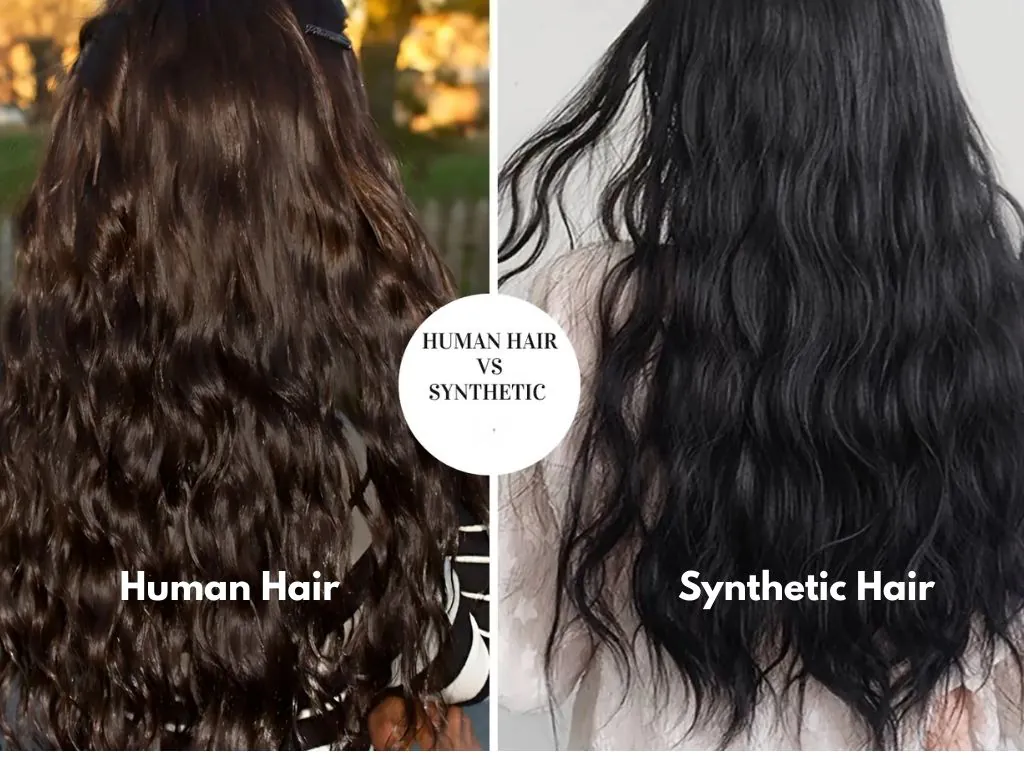
Remy Human Hair: This is the gold standard. The cuticles are kept intact and aligned in one direction, which prevents tangling and matting. It feels soft, looks natural, and can be styled just like your own hair.
-
Synthetic Hair: While cheaper upfront, synthetic options lack durability. They cannot withstand heat styling and rarely last beyond a month or two of daily wear before becoming stiff.
The Verdict: Human hair is far superior for anyone looking for a long-term investment. It blends seamlessly and survives daily wear much better than synthetic alternatives.
Furthermore, the density of the weft plays a role. When choosing your extensions, you may decide between single weft vs double weft. Double wefts provide significantly more volume and are often reinforced, which can contribute to a longer-lasting, fuller look compared to the finer single weft options.
How Your Lifestyle Affects Extension Lifespan
The longevity of your extensions depends heavily on your daily routine and lifestyle.
1. Swimming
Chlorine and salt water are extremely drying. They can strip the moisture from your extensions, leading to brittleness and tangling. If you must swim, coat your hair in a leave-in conditioner and wear a swim cap.
2. Exercise
Sweat contains salt and acid, which can dry out the hair and break down the bonds or thread used in the weave installation. If you work out frequently, it is vital to dry your roots immediately after exercising to prevent matting at the attachment points.
Best Tips on Prolong Weft Hair Extensions Lifespan
To prolong the lifespan of weft hair extensions and keep them looking their best, consider incorporating the following tips into your care routine:
Gentle Detangling
Use a wide-tooth comb or a specialized extension brush to detangle the hair, starting from the ends and working your way up. Avoid aggressive brushing to minimize breakage.
Avoid Excessive Heat Styling
Limit the use of heat-styling tools such as flat irons, curling irons, and blow dryers. When heat styling is necessary, use a heat protectant spray to minimize damage.
Protect Hair During Sleep
Tie your hair in a loose braid or ponytail before bedtime to prevent tangling and friction. Consider using a silk or satin pillowcase, which reduces friction and helps maintain the smoothness of the extensions.
Use Sulfate-Free Products
Choose sulfate-free shampoos and conditioners designed for color-treated or chemically processed hair. Sulfates can strip the hair of natural oils and contribute to color fading.
Avoid Harsh Chemicals
Minimize exposure to harsh chemicals in hair care products. Choose gentle formulations and avoid products containing alcohol, as they can contribute to dryness.
Protect Extensions from Chlorine and Saltwater
Before swimming, wet your hair and apply a leave-in conditioner to create a protective barrier. Avoid prolonged exposure to chlorinated water and salt water, as they can affect the integrity of the extensions.

How Often Should You Wash Your Weft Hair Extensions?
Ideally, you should wash your weft extensions 1 to 2 times a week. When you do wash them, focus the shampoo on your roots and conditioner on the ends. If you are unsure about the technique, researching how to wash weave properly can save you from matting disasters; the gentle downward motion required is very similar for weft extensions. The washing frequency can vary based on individual factors such as hair type, lifestyle, and personal preference. Here are some key considerations:
- Hair Type: Oily or combination hair types may require more frequent washing, while individuals with dry hair may be able to extend the time between washes.
- Lifestyle: If you engage in activities that make your hair sweaty or dirty, such as regular workouts, you may need to wash your hair extensions more frequently.
- Type of Extensions: Different types of extensions may have varying maintenance needs. For example, tape-in extensions, being closer to the scalp, may be affected by oil and residue more quickly.
- Styling Products: The use of styling products can contribute to the need for more frequent washing, as product buildup can occur over time.

Common Factors That Damage Weft Hair Extensions
Several factors and practices can be harmful to weft hair extensions, potentially affecting their appearance, longevity, and overall health. It’s important to be aware of these potential risks and take precautions to ensure the well-being of your weft extensions. Here are some factors that can be harmful:
- Chemical Damage: Exposure to harsh chemicals in hair care products, such as those containing sulfates, can strip the hair of its natural oils and contribute to dryness. Choose sulfate-free shampoos and conditioners specifically designed for hair extensions.
- Chemical Processing: While high-quality human hair can be colored, frequent dyeing or bleaching can shorten its lifespan. If you want to experiment with different looks, consider buying wefts that already come in specific weave hair colors rather than chemically altering them yourself.
- Poor Installation: Improper installation or application, including using excessive tension or the wrong attachment method, can lead to discomfort, damage to the natural hair, and premature shedding of the extensions.
- Sleeping with Wet Hair: Going to bed with wet hair can contribute to tangling and matting. Allow your hair extensions to air dry before sleeping, or use a low-heat setting on a blow dryer if necessary.
- Pulling or Tugging: Excessive pulling or tugging on the hair, whether during styling or brushing, can lead to breakage and damage to both the extensions and your natural hair. Be gentle when handling and styling the extensions.
- Environmental Factors: Exposure to chlorine in swimming pools, saltwater, and prolonged sun exposure can affect the quality and color of the extensions. Take precautions to protect your weft extensions from these environmental elements.

Where To Buy High-Quality Vietnamese Weft Hair Extensions?
Govihair – Our Quality Promise
- We supply 100% real Vietnamese human hair weft hair extensions
- Soft, strong, and durable
- Every package includes a care guidebook
- Minimum order of just 300 grams — perfect for testing our premium Vietnamese hair quality
At Govihair, we provide 100% raw Vietnamese hair that can last up to 3 years with proper care. Whether you’re a salon, stylist, or individual, our extensions bring confidence and natural beauty.
Connect with us now:
- WhatsApp: (+84) 795 746 986
- Email: [email protected]
- Instagram: govihair_vietnamhair_factory
- TikTok: govihairvietnam_official
- Website: govihair.com
FAQs
How long do weft hair extensions last with proper care?
With high-quality Vietnamese weft hair extensions and a good routine, the hair itself can last 1–3 years. However, each installation usually lasts around 6–8 weeks before you need a move-up or reinstallation due to natural hair growth.
Do raw Vietnamese weft hair extensions last longer than virgin hair?
Yes. Raw Vietnamese hair wefts, made from single donors with intact cuticles, generally last 2–3 years with proper care. Virgin hair from multiple donors still offers great quality but usually lasts about 1–2 years, depending on maintenance and styling habits.
How often should I redo or move up my weft hair extensions?
Most clients need their weft hair extensions adjusted every 6–8 weeks. As your natural hair grows, the wefts move further down and can become visible or put more tension on the roots, so regular maintenance keeps both your hair and extensions safe.
Do weft hair extensions last longer than tape-in or clip-in extensions?
They can. Sewn-in or micro-link weft hair extensions are very durable and can last longer per install compared to tape-ins, which often need more frequent replacement. Clip-ins are removable and can last long in years, but they’re not designed for permanent wear like wefts.
What signs show it’s time to replace my weft hair extensions?
It might be time to replace your wefts if the hair feels very dry or rough even after deep conditioning, the ends look thin and frizzy, shedding is noticeable, or the weft track itself starts to loosen or unravel. At that point, a fresh set of high-quality weft hair extensions from GoviHair will give much better results.
Conclusion
So, how long do weft hair extensions last? With high-quality hair and proper maintenance, you can enjoy luscious, voluminous locks for up to a year. Remember that the secret lies in the quality of the hair you buy and how gently you treat it daily. By understanding the nuances of care – from washing to sleeping – you protect your investment and ensure your hair looks stunning every single day


 Ms. Rosie