

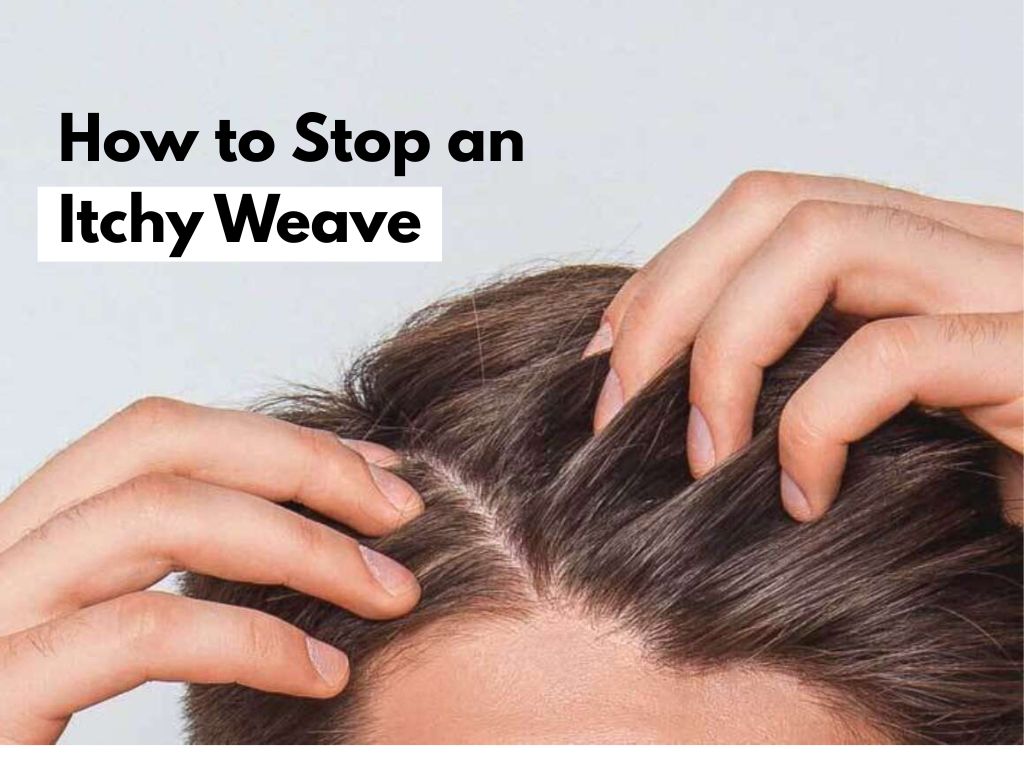
Wearing a weave can transform your hairstyle, but dealing with an itchy weave can be frustrating and uncomfortable. Whether it’s your first install or you’re a weave veteran, understanding the causes of itchiness and how to prevent it is key to enjoying a flawless protective style. From scalp care to proper installation techniques, this guide from Govihair addresses the most common questions about itchy weaves, so you can stay stylish and itch-free.
Sick of That Itchy Weave, Especially at Night? Here’s What You Need to Know
Itchy weave discomfort that worsens at night is a common and frustrating problem for many wearers. If you’ve ever wondered, why does my weave itch so bad at night, you’re not alone. That relentless itch creeping in just as you’re trying to fall asleep isn’t your imagination. When daily distractions fade, your scalp becomes hyper-aware of irritation, making the itch feel even more intense.
Let’s break down the hidden culprits behind your itchy weave, especially during nighttime hours.
Product Buildup and Scalp Blockage
Every spritz of oil sheen, dab of edge control, or pump of mousse adds up. While these products keep your weave looking sleek, they can clog your scalp, especially when your natural hair is braided underneath and has limited airflow. Trapped sweat, sebum, and residue combine to create irritation and inflammation, which can cause persistent itching that intensifies at night.
Sweat, Bacteria, and Moisture Traps
Weaves that are sewn in tightly or worn for extended periods can hold on to sweat and moisture, particularly in warmer climates or after workouts. That dark, damp space between your braids and the tracks? It’s the ideal environment for bacteria or fungi to thrive. The longer your scalp stays unwashed, the worse the itching becomes, especially once you lie down and your body temperature rises.

Dry Scalp and Flare-Ups from Dandruff
If you have a naturally dry scalp or conditions like dandruff, eczema, or seborrheic dermatitis, wearing a weave can make symptoms flare up. Without regular access to moisturize your scalp, skin underneath can become dry, flaky, and inflamed. The result? A tight, itchy feeling that becomes more noticeable during those still, quiet hours of the night.
Sensitivity to Synthetic Hair
Not all weave hair is gentle on your skin. Some synthetic or chemically treated real hair can cause irritation or even a synthetic weave allergic reaction. If you’ve installed a quick weave and felt like your scalp was on fire, or if your quick weave itching like crazy, synthetic hair could be the cause.
Allergic Reactions to Installation Materials
You might be reacting to hidden irritants like latex in bonding glue or nickel in metal clips. Even the specific nylon thread used during the weave installation can cause contact dermatitis, leading to immediate redness and burning.
Braids Too Tight? It’s More Serious Than You Think
Sometimes, it’s not the hair, it’s how it was installed. Tight braids and weaves that pull too hard on the scalp can cause nerve sensitivity, leading to an itchy or tingling sensation. Over time, this tension can inflame your scalp, lead to bumps, and potentially cause traction alopecia if left unaddressed. If your itch started right after your install, the tightness could be to blame.
Excessive Tension on the Hair
Heavy bundles or tight threads create a “mechanical itch,” which is your scalp’s warning signal that follicles are under dangerous stress. This constant pulling restricts blood flow and, if ignored, can lead to permanent damage like traction alopecia.
Failing to Dry Your Hair Thoroughly
Trapped moisture is the enemy; if your braids do not dry completely after washing, mildew creates a breeding ground for bacteria. This results in a persistent itch and a distinct, unpleasant “corn chip” odor that is hard to eliminate.
Not Protecting Your Natural Hair Properly
Sleeping on cotton creates friction that dries out your scalp and irritates hair follicles through the weave. Always wrap your hair in a silk bonnet or scarf to retain necessary moisture and create a protective barrier against daily irritation.
Underlying Health or Scalp Conditions
Pre-existing conditions like eczema or psoriasis often flare up when the scalp is covered for weeks and unable to breathe. If you have chronic scalp issues, the humid environment under a weave can trigger severe inflammation and flaking.
Poor Scalp and Hair Hygiene Practices
Skipping wash days allows sweat, oil, and dead skin cells to accumulate rapidly under your tracks. This mixture eventually decomposes, clogging pores and creating an unbearable itch that only a deep, clarifying cleanse can fix.
Soothing and Helpful Tools for an Itchy Weave
Scalp Massage Brushes
These silicone brushes can be used during wash day to lift dead skin cells from under the braids without tangling the hair.
Scalp Soothing Oils or Treatments
Look for products containing peppermint oil, tea tree oil, or menthol. These ingredients provide a cooling “tingle” that distracts the nerves and reduces inflammation.
Weave Scratchers
Stop using pencils or rattail combs! Invest in a designated weave scratcher with rounded tips designed to reach the itch without scratching the skin raw.
Dry Shampoo for Quick Freshness
If you can’t do a full wash, spray dry shampoo between the tracks to instantly absorb excess oil and sweat. It helps keep your quick weave looking fresh and lightweight without disturbing the installation. Just spray, wait a few seconds, and gently massage or brush it through for a cleaner, revived look.
Rat-Tail Comb
Use the tail end gently to lift the weft slightly and allow air to circulate to the itch. This small movement helps relieve discomfort without disrupting the installation. Make sure not to pull too hard – just enough lift to let your scalp breathe and reduce irritation.
Natural Remedies for Itchy Scalp
Aloe Vera gel is fantastic for cooling a burning itch. Witch Hazel applied with a cotton ball can also reduce inflammation quickly.
How to Relieve an Itchy Weave Immediately
Whether the itchy weave is terrible or you’re scratching non-stop, effective itchy weave treatment can soothe your scalp quickly without removing your style. If you’re wondering how to relieve itchy hair extensions, continue scrolling.

Scalp Access and Cleaning Hacks
The key to instant relief is accessing your scalp directly. That’s easier said than done when it’s tucked under tracks or a closure, but with the right technique and tools, you can clean and calm your scalp without disrupting your install.
Start with a pointed-tip applicator bottle filled with a soothing solution:
- Option 1: Warm water + a few drops of tea tree oil
- Option 2: Water + apple cider vinegar (ACV)
Apply the solution directly to your scalp by parting the weave with your fingers. Focus on the most irritated or itchy areas, and allow it to sit for 5–10 minutes. Then gently blot the area with a clean cotton pad or towel to lift away residue, sweat, and product buildup.
Tools That Help:
- Applicator bottles – for precise application under tracks
- Cotton swabs or cotton pads – to wipe away gunk without tugging hair
- Soft-bristled toothbrush or scalp massager – for gentle exfoliation of flaky skin
- Scalp mist or dry shampoo – try ORS Scalp Relief Mist or Cantu Root Rinse for on-the-go freshness without water
These tools not only provide access but also stimulate circulation, which can help calm nerve endings that trigger the itch.
DIY Remedies That Work
If you prefer a natural route or need a fix right now from items in your pantry, these tried-and-true DIY scalp treatments can provide real results with minimal effort.
Apple Cider Vinegar Rinse
One of the best natural remedies for itch and buildup. ACV restores your scalp’s pH balance while removing trapped residue.
How to Use:
- Mix 1 part apple cider vinegar with 2 parts filtered water
- Pour the mixture into a squeeze or applicator bottle
Apply directly to the scalp under your weave - Let it sit for 10 minutes, then rinse thoroughly or wipe with a damp cloth
- Optional: Follow with a leave-in conditioner mist to prevent dryness
Peppermint or Tea Tree Oil Blend
Both peppermint and tea tree oils are powerful anti-itch agents—but they’re strong, so always dilute them.
How to Use:
- Mix 2–3 drops of essential oil with 2 tablespoons of carrier oil (e.g., coconut, jojoba, or sweet almond oil)
- Use a Q-tip or small brush to apply directly to itchy spots
- Avoid contact with open cuts or abrasions
- Reapply once daily, preferably before bed for overnight relief
Witch Hazel Quick Treatment
Great for those hot, humid nights when your scalp feels sweaty and inflamed.
How to Use:
- Soak a cotton pad in pure witch hazel (avoid alcohol-heavy formulas)
- Gently dab onto your scalp, pressing lightly to penetrate the weave
- Let air-dry, no rinse needed
- Use as a refreshing midday or nighttime remedy
While the quick fixes above give you fast relief when the itchy weave hits, lasting comfort comes from consistent scalp care. Think of these methods as the follow-up to your instant relief helping you stay itch-free between flare-ups and making each install more comfortable from day one.
Use these strategies as part of your weekly weave care routine or during breaks between installs to prevent the itch cycle from returning.
Moisturize Without Product Overload
Keep your scalp hydrated without clogging follicles.
Best Moisturizers:
- Lightweight oils like jojoba, argan, or tea tree diluted in carrier oils
- Leave-in conditioner mists for under-weave care
Apply sparingly with a dropper or spray bottle to avoid buildup.
Watch for Tension and Tight Installs
Prevent mechanical irritation that leads to long-term itching and damage.
What to do:
- Ask your stylist for comfortable braid patterns
- Avoid super-tight tracks or closures
- If itching is caused by tension, massage gently or adjust install if possible
Pro Tip: A silk bonnet or silk pillowcase helps reduce friction and nighttime scalp stress.
Let Your Scalp Breathe Between Installs
Give your scalp recovery time between protective styles.
What to do:
Take at least 1–2 weeks off between weaves
During the break:
- Use detox scalp scrubs
- Deep condition natural hair
- Do scalp massages with nourishing oils
This helps reset your scalp, reduce inflammation, and prevent future itchiness.
Preventing Itchy Weaves Before Installation
The best solution is prevention. Here’s how to stop the itch before it even starts.

Prep Your Scalp Properly
Learning how to wash weave and your natural hair underneath is vital for maintenance. Always wash and deep condition your hair before installing a weave. Use a clarifying shampoo or a gentle itchy weave shampoo designed to cleanse without irritating your scalp, removing dirt, oil, and old product buildup.
For extra scalp care:
- Use a light exfoliating scrub
- Avoid heavy oils that can trap dirt and sweat
Ask for Less Tension at the Salon
Your stylist should braid your hair tightly enough to secure the weave but not so tight that you feel pain or pulsing. Communicate clearly with them and don’t be afraid to speak up if it feels too tight. A good stylist will prioritize your scalp health over aesthetic tension.
Use High-Quality Hair Extensions
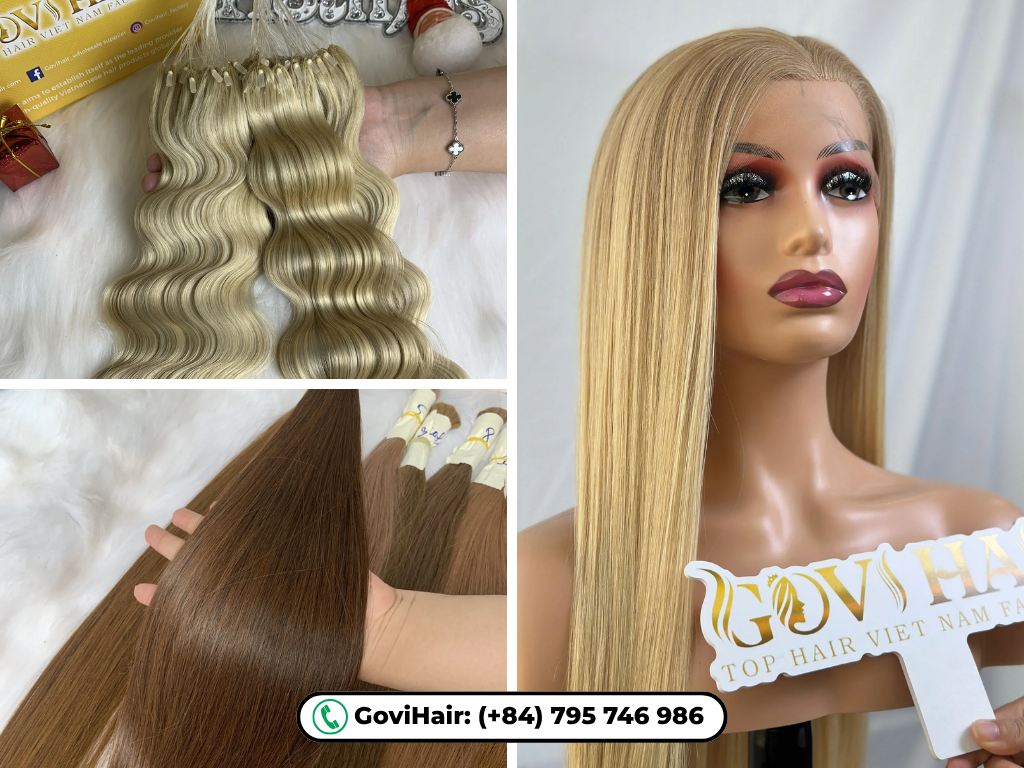
Understanding the differences between human hair extensions vs synthetic is important as the quality of your hair extensions significantly impacts scalp health. Low-grade synthetic hair often contains chemical coatings and preservatives that can cause itching, irritation, or allergic reactions. To ensure comfort and reduce the risk of scalp issues, it’s crucial to invest in premium-quality extensions.
GoviHair stands out as a leading supplier of 100% raw, virgin Vietnamese human hair. Sourced from single donors, GoviHair extensions offer unmatched consistency, strength, and natural texture . This ensures that the hair blends seamlessly with your natural hair and maintains its integrity over time.
Most weaves cause itching because they’re made from synthetic fibers or over-processed hair. That’s where GoviHair makes a difference.
- 100% Vietnamese Human Hair
GoviHair sources only pure, unprocessed Vietnamese hair — known globally for its softness, thickness, and durability.
- Chemical-Free
No harsh chemicals, no coatings, no artificial shine — just clean, breathable hair that won’t irritate your scalp.
- Naturally Comfortable for Long Wear
GoviHair weaves are designed to feel weightless, itch-free, and natural, even after weeks of wear. Many of our African clients praise the comfort and breathability of our hair, making it a top seller in countries like Nigeria, Ghana, and South Africa.
- No Itch Guarantee
Unlike mass-produced hair that traps sweat and residue, GoviHair’s clean production methods ensure your scalp can breathe freely — minimizing irritation and buildup.
Healthy hair starts with quality. Choose GoviHair, because your scalp deserves peace.
Chat with us:
- WhatsApp: (+84) 795 746 986
- Email: [email protected]
- Instagram: govihair_vietnamhair_factory
- TikTok: govihairvietnam_official
- Website: govihair.com
Bonus tip: If synthetic is your only option, soak it in a vinegar rinse before installation to neutralize the chemicals.
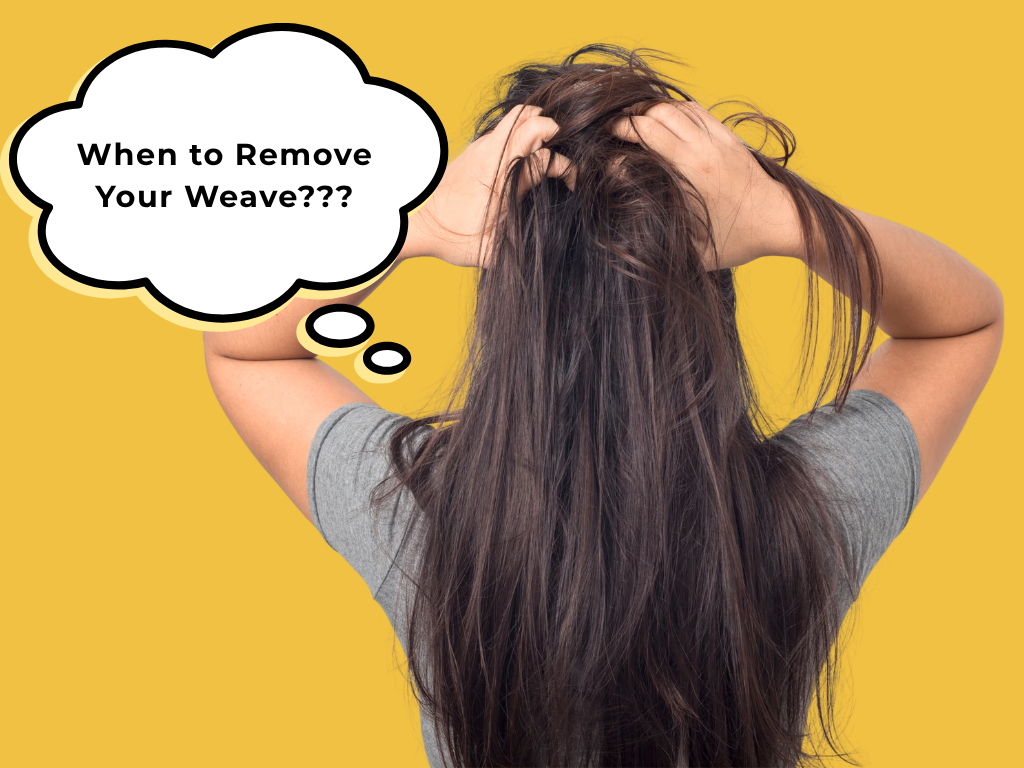
When to Remove Your Weave: Warning Signs of an Itchy Weave You Shouldn’t Ignore
No matter how well you care for your itchy weave, there comes a point when your scalp needs a break. Ignoring warning signs can lead to serious irritation, follicle damage, or even long-term hair loss. While treatments help, sometimes the most effective solution is to remove the install and give your scalp time to recover.
Red Bumps or Small Pustules
These can be signs of folliculitis, a bacterial or fungal infection that forms when hair follicles are clogged with sweat, oil, and product buildup. If left untreated under a weave, it can worsen and potentially cause scarring or permanent follicle damage.
A Foul Odor When Scratching
A sour or musty smell when scratching or parting your hair often indicates that bacteria or mildew has built up beneath the weave. This is especially common if your braids were not fully dried after washing. It’s a strong sign that your scalp environment is no longer healthy.
Visible Flaking or Peeling Skin
Persistent flakes or scalp inflammation or scaly patches may mean your scalp is overly dry, irritated, or reacting to buildup and tension. If you’ve tried moisturizing treatments without success, your scalp may need full exposure to air and a deep cleanse, neither of which are possible while the weave is in place.
Itching That Won’t Go Away
If you’ve already tried scalp mists, oil blends, vinegar rinses, or medicated shampoos and are still scratching frequently, your scalp may be inflamed and unable to breathe. Continued scratching under a closed weave environment can make things worse and increase the risk of infection or inflammation.
Painful Pulling or Tension at the Roots
Pain often indicates that your new growth is matting and pulling at the tracks, usually because the style has been worn too long. Knowing how long do a sew in last , typically 6 to 8 weeks – is vital; pushing past this limit causes severe tension that requires immediate removal to prevent hair loss.
Tip: After taking down your weave, give your scalp a break for at least a week. Cleanse it thoroughly, keep it moisturized, and massage it gently to restore circulation. When you’re ready to reinstall, choose quality bundles from GoviHair to minimize irritation and maximize comfort with every wear.
FAQs
Why does my itchy weave get worse at night?
Your itchy weave often feels worse at night because your scalp becomes more sensitive when you’re resting. Product buildup, sweat, and tight braids can irritate the scalp, and without daytime distractions, the itching intensifies.
How do I stop my weave from itching?
To stop your weave from itching, maintain a clean scalp using itchy weave shampoo regularly, avoid heavy product buildup, moisturize with light oils, and ensure your install isn’t too tight to prevent scalp tension.
How can I relieve itchy hair extensions without removing them?
To relieve itchy hair extensions, gently cleanse your scalp with diluted tea tree oil or apple cider vinegar, use scalp mists for hydration, and apply lightweight oils to calm irritation without disrupting your style.
Why does my sew-in itch so bad at night?
Sew-in weaves can itch badly at night due to trapped sweat, product residue, and tight braids restricting airflow. These factors cause irritation that becomes more noticeable when your scalp is at rest.
Love Your Look, Not the Itchy Weave
Don’t let an itchy scalp ruin your confidence or your hairstyle. By following a proper hygiene routine and listening to your body’s signals, you can enjoy a flawless look without the constant discomfort.
However, prevention starts with the hair you choose.. Investing in premium weft hair extensions from trusted sources like GoviHair ensures that you aren’t just getting a beautiful style, but also a hypoallergenic experience that keeps your scalp healthy and itch-free.


 Ms. Sophia