

Hand tied vs machine wefts is always a top question when choosing sew-in extensions. While both add length and volume, they differ in construction, weight, durability, and appearance. Choosing the right type ensures your natural, tension-free, long-lasting results. In this guide, GoviHair breaks down how each weft is made, who it’s best for, the pros and cons, pricing differences and how to select the perfect option based on your hair type and styling goals.
What Are Hand-Tied Weft Hair Extensions?
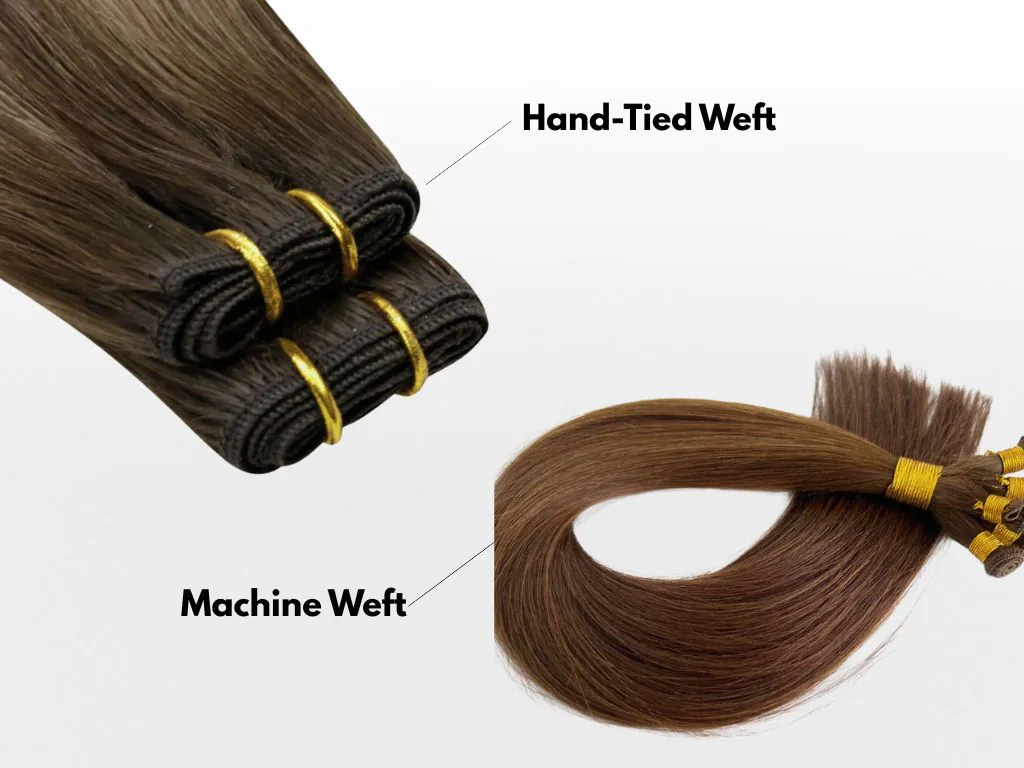
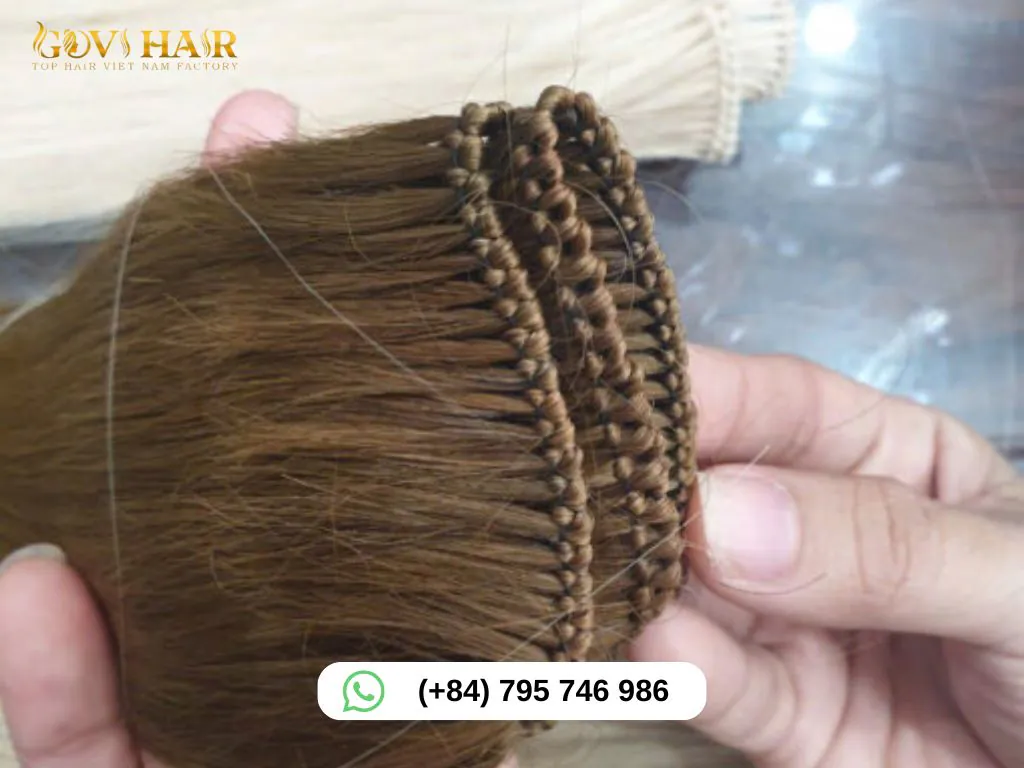
Hand-tied extensions are crafted through a manual process in which small bundles of hair are tied by hand onto a thin seam. This creates an exceptionally flat and flexible weft that sits very close to the scalp. Clients appreciate hand-crafted wefts because they offer an almost invisible finish, especially on finer hair textures where bulkiness is noticeable. These wefts move naturally, blend smoothly into natural strands and feel extremely lightweight during everyday wear.
Because the seam is created by hand, it should never be cut across its width. Cutting can cause unraveling, which weakens the structure of the weft. For this reason, hand-crafted extensions must be measured and installed without altering the seam.
This type of weft is especially popular in Western markets, including the United States and Europe, where clients prefer high-quality, subtle and premium-looking results.
What Are Machine Weft Hair Extensions?
Machine-made wefts are produced with industrial sewing equipment, which secures larger quantities of hair onto a thicker seam. This weft construction creates a strong, durable and versatile weft that can be cut and customized to suit different styling needs. Stylists often choose machine-made options for clients who have naturally dense or coarse hair, as the thicker seam blends easily into heavier textures.
These wefts can usually be colored, lightened or toned at the salon, depending on the hair quality. Machine-stitched tracks are common in African, European and global markets where customers appreciate wefts that are easy to style, long-lasting and available at accessible prices. Depending on manufacturing style, machine-crafted extensions may come in lightweight single tracks or fuller double tracks.
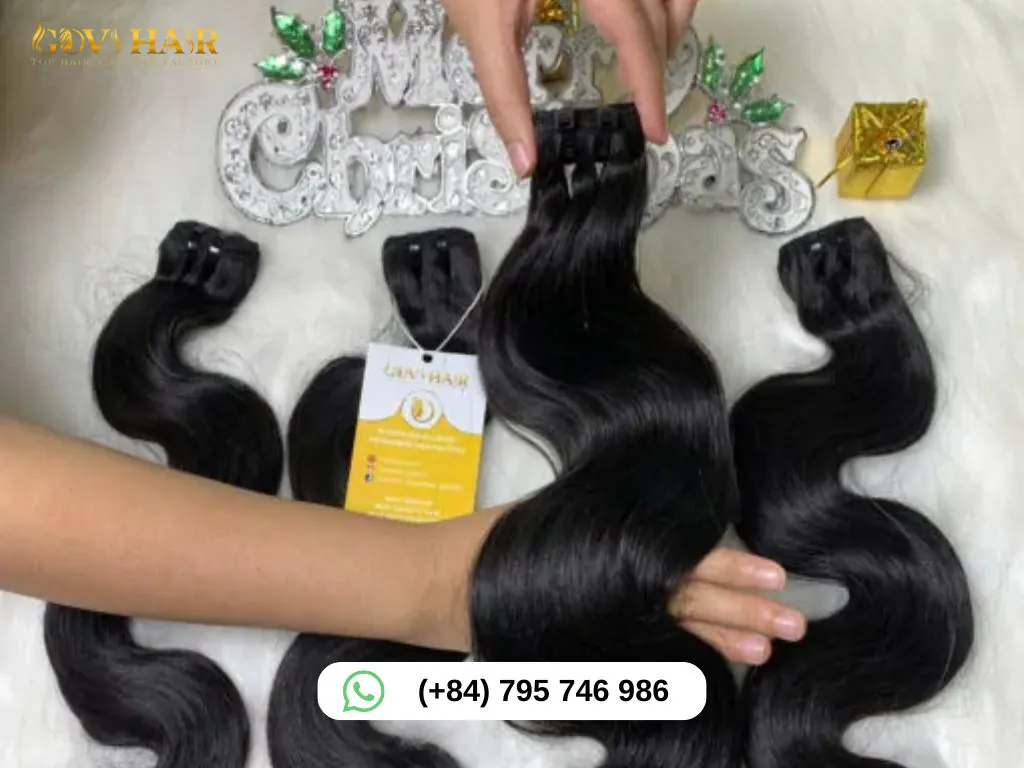
Hand Tied Pros And Cons
Before diving into the comparison, let’s look at the specific strengths and weaknesses of the hand-tied method.
Pros of Hand-Tied Wefts
- Ultra-flat and lightweight, ideal for fine or thin hair
- Seamless, natural appearance because the track lies close to the scalp
- Comfortable for long-term wear with minimal tension
- Perfect for layered rows without creating bulk
- Premium aesthetic finish highly favored in US and European markets
Cons of Hand-Tied Wefts
- Cannot be cut across the seam, as it may unravel
- Higher cost due to the handmade construction
- Requires skilled installation, limiting availability in some salons
- Not ideal for extremely thick hair if large volume is needed
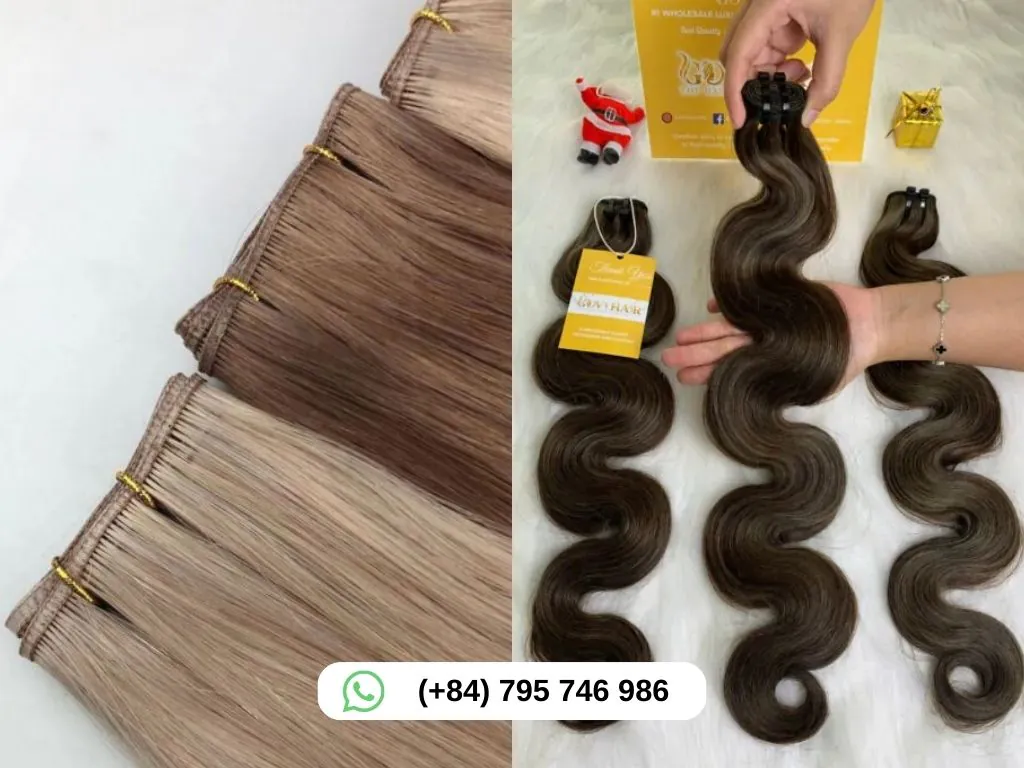
Machine Weft Pros And Cons
Machine wefts have been the industry standard for decades for good reason. Here is a look at the weft hair extensions pros and cons for the machine-made variety.
Pros of Machine Wefts
- Durable and strong, excellent for high-volume installs
- Can be safely cut, making customization easier for stylists
- More affordable, since production is faster and machine-based
- Great for thick or coarse hair, where extra density blends well
- Versatile for wig-making, salon work and custom styling
Cons of Machine Wefts
- Thicker seam may feel bulky on fine or low-density hair
- Heavier weight can cause tension if too many rows are added
- Less seamless than hand-tied, especially for sleek styles
- Layering multiple tracks may create visible ridges
>> READ MORE: Weft hair extensions: The Pros and Cons You Need To Know
Hand-Tied vs Machine Weft: What Are the Key Differences?
Seam Thickness & Flatness
- Hand-Tied Weft:
The seam is exceptionally thin – often compared to the thickness of a piece of thread. This is why hand-tied wefts sit extremely flat against the scalp. Because of this slim profile, even clients with the finest natural hair can wear multiple rows without visible bulk. This flatness also enhances the illusion of hair growing naturally from the scalp. - Machine Weft:
Machine-stitched tracks are thicker because the sewing machine requires more material to grip. This creates a sturdier, wider seam. Although this improves durability, it can cause bulkiness, especially on clients with thin hair. For clients with dense or coarse hair, however, the thickness blends well and provides a solid foundation for extra volume.
Extension Weight Distribution
- Hand-Tied Weft:
Lightweight construction reduces tension on the roots. This helps prevent traction discomfort, making hand-tied extensions the superior choice for people with delicate or fragile hair. - Machine Weft:
Because they hold more hair per track, machine wefts naturally carry more weight. On thick hair, this feels comfortable and stable. On thin hair, it may create noticeable tension or pull, particularly if installed in multiple layers.
Flexibility and Movement
- Hand-Tied Weft:
Known for their exceptional flexibility, hand-tied wefts move naturally with the hair. The seam bends easily, allowing smooth styling in ponytails, braids and half-up looks. - Machine Weft:
Machine-stitched tracks are firmer and slightly less flexible. They still allow free movement but do not achieve the same soft, flowing effect as hand-tied pieces.
Cutting and Customization
- Hand-Tied Weft:
Should never be cut horizontally. Doing so may cause shedding or unraveling. This means stylists must work with predetermined widths and sizes. - Machine Weft:
Can be cut with no risk when sealed properly. This gives stylists total freedom to customize installations based on head shape, coverage area and hairstyle design.
Volume and Density
- Hand-Tied:
The weft typically contains less hair per track. This makes it ideal for achieving a natural, airy finish. - Machine Weft:
Machine tracks carry more hair, resulting in fuller, voluminous transformations. For clients wanting dramatic thickness, machine-made wefts deliver the strongest impact.
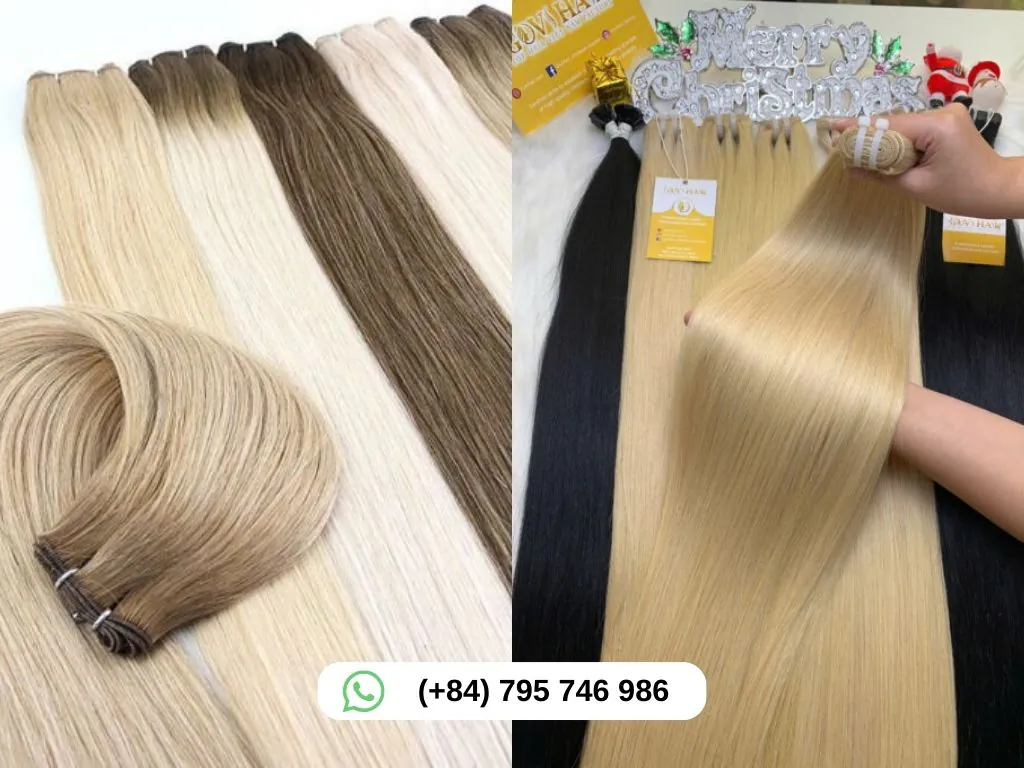
Longevity and Durability
Both weft types are durable, though machine wefts are stronger. When considering how long do weft hair extensions last, expect 6–12 months, depending on hair quality and professional move-ups every 6–8 weeks.
- Hand-Tied:
While strong, hand-tied wefts depend heavily on careful handling. They are long-lasting when installed correctly but require gentle maintenance. - Machine Weft:
Highly durable. The reinforced seam can withstand bleaching, heavy styling and frequent installations over time.
Scalability for Hair Types
- Hand-Tied: Best for
- Thin, fine or fragile hair
- Clients who prefer invisible seams
- Light, natural-looking results
- Machine Weft: Best for
- Thick, coarse or voluminous natural hair
- Salon projects that require cutting and customizing
- Wig making and high-density installs
Hand Tied Vs Machine Weft Price
- Hand-Tied Weft: More expensive due to its labor-intensive, handcrafted production.
- Machine Weft: More budget-friendly, widely available, and ready to ship in natural color.
Weave vs. Weft: What Sets Them Apart?
The difference is simple: Weft is the product; Weave is the style.
- Weft: This refers to the actual hair extensions themselves – the “curtain” of hair strands sewn onto a track. If you are asking what are weft hair extensions, you are asking about the physical product (Hand-Tied or Machine) that you buy.
- Weave: This refers to the method or the final hairstyle. A weave installation typically involves sewing wefts onto braided natural hair.
In short, you use wefts to create a weave. Choosing high-quality types of weave hair ensures that your installation looks natural and blends perfectly, regardless of the method used.
Hand-Tied vs Machine Weft: Which One Should You Choose?
Your choice between hand tied vs machine weft depends on your natural hair density, desired volume and installation method.
Hand-Tied Wefts: Ideal for Thin or Fine Hair
Choose Hand-Tied Wefts if your natural hair is fine, thin, or prone to damage. They offer the most discreet, invisible look, are lightweight and comfortable, and provide a luxurious, premium extension experience.
Machine Wefts: Best for Thick or Coarse Hair
Opt for Machine Wefts if you have thick, coarse, or dense hair. They deliver full, voluminous results, can be easily cut and customized, and are a more cost-effective choice.
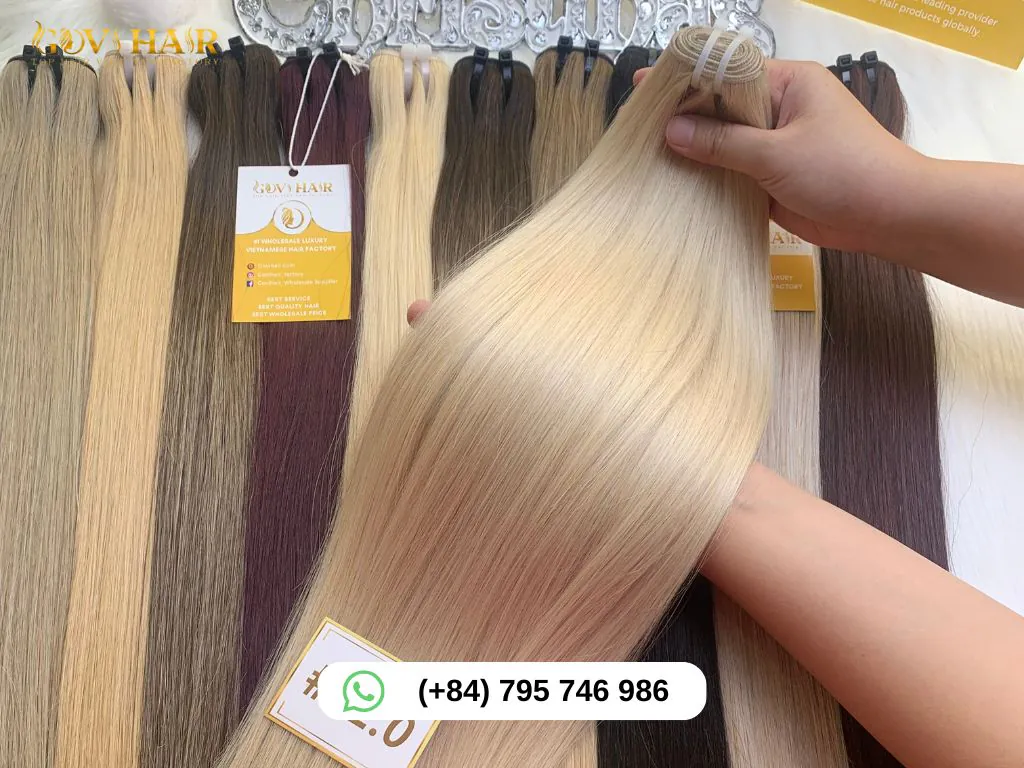
Genius Wefts: A New Era of Weft Design
Genius Wefts are considered the “best of both worlds,” designed to solve the limitations of traditional wefts. They combine the ultra-thin, flat seam of a hand-tied weft with the durability of a machine weft. Unlike hand-tied hair, Genius Wefts can be cut anywhere on the track without unraveling or shedding. This makes them incredibly versatile for stylists while remaining virtually undetectable in fine hair. If you can’t decide between hand-tied and machine, Genius Wefts are the perfect modern compromise.
Hair Extension Maintenance Differences Between Hand-Tied and Machine Wefts
Daily Care
- Hand-tied seams are delicate and need gentle brushing from ends to roots, avoiding pressure on the seam.
- Machine seams are stronger but may require more frequent detangling due to added weight.
Washing & Drying
- Hand-tied pieces need lightweight, sulfate-free shampoo and careful downward washing to protect the thin seam. Knowing how to wash weave properly ensures you don’t melt the roots.
- Machine wefts absorb more water and require extra drying time, especially at the base.
Move-Up Schedule
- Hand-tied installs typically require move-ups every six to eight weeks to prevent tension and pulling.
- Machine-stitched installs are slightly more forgiving but still need timely maintenance to avoid matting.
Heat Styling
- Hand-tied seams should not have direct heat applied to them.
- Machine-stitched seams tolerate heat better but still require careful positioning and heat protection.
Longevity
- Hand-tied wefts last longest with gentle handling and consistent care.
- Machine-stitched wefts are more durable for active lifestyles or frequent styling.
Where to Buy the Best Hand-Tied or Machine Weft?
GoviHair is proud to be one of Vietnam’s leading human-hair suppliers, trusted by global salons, wholesalers, and hair professionals for more than 10 years. Our main factory, located in Bac Ninh province, specializes in producing premium-quality Vietnamese hair sourced directly from healthy donors. Every bundle is collected, inspected, and processed with strict quality control to ensure softness, durability, and long-term performance.
We supply Premium Weft Hair Extensions including both Hand-Tied and Machine Weft extensions, made from 100% real Vietnamese human hair – naturally soft, heat-resistant, and fully customizable through bleaching or coloring. Machine Weft is the top choice among GoviHair clients thanks to its versatility, high usability, and excellent value.
We always provide tailored advice to help clients choose the right product for their target market and business needs.
At GoviHair, we provide two types of machine weft:
- Single Weft – lightweight and natural
- Double Weft – fuller and more voluminous
GoviHair’s Customer Support & Services
- Accepting sample orders from just 300 grams, allowing you to test the quality before making bulk purchases
- Every order includes a printed hair care guidebook to help customers maintain and use the hair correctly
- Fast global shipping, expert consultation, and reliable after-sales service
GoviHair Vietnamese hair factory supplying hand tied and machine wefts
Ready to Source Premium Vietnamese Hair? Contact GoviHair Today
- WhatsApp: (+84) 795 746 986
- Email: [email protected]
- Instagram: govihair_vietnamhair_factory
- TikTok: govihairvietnam_official
- Website: govihair.com
FAQs
Which weft lasts longer: hand-tied or machine weft?
Hand-tied wefts can last just as long as machine wefts when maintained properly, but they require gentler handling. Machine wefts are more durable and can handle frequent styling, bleaching and high-volume installs.
Can I cut hand-tied and machine wefts the same way?
Machine wefts can be safely cut to customize sizing, but hand-tied wefts should never be cut across the seam because the stitching may unravel.
Which option is better for thin or fine hair?
Hand-tied wefts are the preferred choice for thin or fine hair because they are ultra-flat, lightweight and create a seamless, natural look without adding tension.
Are machine wefts too bulky for sleek styles?
About density & seam thickness, machine wefts can appear bulky on low-density hair, especially in smooth or straight styles. They blend best with thick, coarse or high-density natural hair.
Conclusion
Ultimately, the choice of hand tied vs machine weft depends entirely on your natural hair density and styling needs. Hand-tied wefts provide the flattest, most seamless finish ideal for fine or delicate hair, while machine wefts deliver the durability and volume necessary for thicker textures. With proper care, either option can look natural and last for months. For the highest-quality Vietnamese hair available in both styles, allow GoviHair to help you choose the perfect match for your goals.


 Ms. Rosie