

When considering a purchase from hair vendors, one of the first questions that comes to mind is: how much do hair vendors cost? Hair vendor prices vary widely depending on several factors, making it essential to understand what influences the cost and what buyers can expect to pay. Whether someone runs a salon, works as a hairstylist, or simply wants high-quality hair extensions for personal use, knowing the pricing landscape helps in making informed decisions.
Introduction to Hair Vendor Costs
The significance of hair vendor pricing cannot be overstated, as it directly impacts purchasing decisions and overall satisfaction. For those wondering how much do hair vendors cost, the answer lies in the balance between affordability and quality. A lower price might seem appealing, but it could mean compromising on durability or texture, while a higher cost often reflects premium materials and ethical sourcing. Pricing matters because it shapes expectations—whether someone is seeking a one-time purchase or a long-term supply for a business. Knowing the range of costs helps buyers avoid overpaying or settling for subpar products, ensuring they invest wisely in hair that meets their needs.
Raw hair vendors serve a diverse group of people, each with unique demands tied to how much do hair vendors cost. Salons rely on vendors to stock high-quality hair for extensions, weaves, and wigs, needing consistent supplies to satisfy clients and maintain their reputation. Stylists, often working independently or within salons, depend on vendors to source hair that matches their creative vision, balancing cost with the ability to deliver stunning results. Consumers, on the other hand, turn to vendors for personal use—whether enhancing their look with extensions or crafting custom wigs—seeking options that fit both their budget and style preferences. From professionals to everyday individuals, hair vendors play a crucial role in meeting these varied needs.

Factors Affecting Hair Vendor Costs
Human hair, sourced from real donors, tends to carry a higher price due to its natural look, durability, and versatility. Synthetic hair, on the other hand, is a more affordable option, manufactured from artificial fibers designed to mimic human hair. While synthetic options can be tempting for budget-conscious buyers, human hair remains the premium choice for those prioritizing quality and longevity, directly impacting vendor pricing.
Quality and Grade (Remy, Virgin, Non-Remy, AA Grades)
Remy hair, where the cuticles are intact and aligned, commands a higher price because of its smooth texture and reduced tangling. Virgin hair, unprocessed and free from chemicals or dyes, sits at the top tier of pricing due to its purity and natural state. Non-Remy hair, with cuticles stripped or misaligned, is less expensive but prone to matting. Additionally, grading systems such as AA or higher denote superior quality, further elevating costs depending on the vendor’s standards.
Hair Origin
How much do hair vendors cost for wigs? The answer can vary widely depending on the origin of the hair. Each region’s unique characteristics and sourcing challenges shape the pricing vendors set. Brazilian hair, known for its thickness and versatility, often comes with a premium price. Malaysian hair, prized for its silky texture, and Indian hair, valued for its natural shine, also vary in cost based on demand and availability. Vietnamese hair, increasingly popular for its strength and luster, can fetch higher rates in certain markets.
Length and Density
Longer hair requires more resources to grow and harvest, naturally increasing its price. A 24-inch bundle, for example, will cost significantly more than a 12-inch one. Density, or the thickness of the hair, also matters—denser bundles provide more volume but come at a higher expense due to the additional hair included. Buyers seeking fuller, longer styles should expect to pay a premium.
Color and Texture
Natural colors such as jet black or dark brown are typically less expensive than processed shades such as blonde or ombre, which require dyeing and additional labor. Texture also plays a role—straight hair might be priced differently than curly or wavy varieties due to processing or rarity. Vendors often charge more for custom colors or textures that cater to specific trends or preferences.
Wholesale vs. Retail Pricing
Wholesale pricing caters to bulk buyers such as salons or stylists, offering lower rates per unit due to the larger order size. Retail pricing, aimed at individual consumers, tends to be higher per bundle since it reflects smaller, one-off purchases. Wholesale hair vendors may also offer tiered pricing based on order volume, making wholesale a cost-effective choice for those buying in bulk.
Vendor Reputation and Branding
Established vendors with a track record of quality and reliability often charge more, leveraging their name and customer trust. Lesser-known vendors might offer competitive prices to attract buyers, though this can sometimes reflect inconsistencies in quality. Branding also ties into marketing efforts—vendors investing in premium packaging or celebrity endorsements may pass those costs onto the consumer, raising the overall price.

Wholesale Hair Prices from Vendors in Some Regions
The global hair industry offers a wide range of wholesale pricing, shaped by regional dynamics and market roles. Let’s explore how much hair vendors cost in key regions—Asia, Europe, America, and Africa—providing a clear picture of pricing trends for buyers seeking quality and value.
Wholesale Hair Prices from Vendors in Asian Countries
Asian countries such as Vietnam, India, China, Cambodia, and Malaysia are renowned for their abundant raw hair resources and affordable labor, which keep wholesale prices competitive. Vendors in this region often operate large factories that supply hair to distributors worldwide, offering everything from raw human hair to processed extensions. India stands out with some of the lowest wholesale prices, thanks to inexpensive sourcing methods, while China leverages economies of scale with modern machinery to provide a broad price range, from budget-friendly to premium tiers.
Vietnam, meanwhile, is prized for high-quality hair at reasonable rates, especially for bulk orders that often come with special discounts. For those seeking cost-effective solutions, Asian vendors consistently deliver some of the most attractive answers to how much hair vendors cost, making the region a dominant force in the global hair market.
Wholesale Hair Prices from Vendors in Europe
In Europe, the question of how much hair vendors cost takes on a different tone, as the region primarily serves as a distribution hub rather than a production center. Vendors here import hair products, mostly from Asia, and resell them to local markets, which drives up wholesale prices significantly. The costs of taxes, customs duties, and shipping add layers of expense, while the absence of local hair factories means reliance on finished goods rather than raw materials, further increasing tariffs.
European vendors cater to a high-end clientele that values quality and design over affordability, prompting them to stock premium hair that naturally carries a higher wholesale price. As a result, buyers in Europe face steeper costs compared to regions with direct access to hair production, reflecting a market where imported luxury often dictates how much hair vendors cost.
Wholesale Hair Prices from Vendors in America
America presents another perspective on how much hair vendors cost, with its vendors acting mainly as resellers or distributors rather than manufacturers. Hair is imported from raw material-rich countries such as those in Asia, and some Chinese factories even maintain U.S. warehouses for faster delivery. However, wholesale prices remain elevated due to substantial import taxes, high labor costs, and operational expenses in a developed economy.
The American market thrives on strong consumer demand, with a population willing to spend generously on beauty products, pushing vendors to maintain robust inventories. This combination of import reliance and a high-cost environment means that wholesale hair prices in America tend to exceed those in producing regions, offering a premium answer to how much hair vendors cost for buyers seeking convenience and quality in a domestic supply chain.
Wholesale Hair Prices from Vendors in Africa
Africa rounds out the global view of how much hair vendors cost, standing as the largest import market for hair products worldwide. Vendors here source hair from production hubs such as Vietnam, China, and India, blending multiple origins to meet local demand. Without access to raw material regions, African vendors rely heavily on imports, which places their wholesale prices above those of Asian suppliers but below the elevated rates of Europe and America. The customer base in Africa often falls into the mid-range segment, balancing price sensitivity with a desire for quality, which encourages vendors to seek out competitive deals from overseas factories.
For buyers in Africa, local vendors provide a practical option, though those looking to start a hair business might find better value by sourcing directly from Asian manufacturers. This positions Africa as a unique market where import dynamics shape how much hair vendors cost, offering a middle ground in the global pricing spectrum.

How to Get the Best Deals on Hair Vendor Costs
Researching the Market Thoroughly
Understanding the landscape means looking at pricing trends across regions such as Asia, Europe, America, and Africa, where costs can vary widely due to factors such as labor, sourcing, and import fees. Asian vendors, for instance, often offer some of the most reasonable rates thanks to abundant raw materials and efficient production, while European and American vendors tend to charge more due to reselling and higher operational expenses.
The best wholesale hair vendors typically maintain transparent pricing and consistent quality. Checking vendor websites, reading reviews from other buyers, and comparing prices for similar products—such as virgin hair bundles or synthetic wefts—gives a clearer picture of what’s fair. This groundwork ensures you’re not overpaying and helps identify suppliers with the best baseline prices before negotiations even begin.
Comparing Multiple Vendors
Reaching out to several vendors allows you to gather quotes for the same specifications, such as 20-inch Brazilian straight hair or double-drawn Remy bundles. Differences in pricing often emerge based on their sourcing methods, production scale, or target audience, so asking for detailed breakdowns of costs, including shipping or bulk discounts, reveals hidden savings. If you’re looking for good hair vendors to start a business, this step is crucial, as it helps you identify partners with consistent quality and pricing transparency. This comparison not only highlights the most affordable options but also gives leverage when negotiating, as you can reference lower offers from competitors to push for a better rate.
Negotiating Prices Strategically
Approaching vendors with confidence and a clear strategy makes a difference. Starting by proposing a budget slightly below what you’re willing to pay sets the stage for a lower counteroffer, a common tactic in the hair industry. Expressing interest in a long-term partnership can also sway vendors to offer their best prices, as they value consistent buyers over one-time purchases. Sharing your business vision, especially if you’re positioning yourself to attract high-spending clients, signals that you’re a serious partner worth investing in with favorable rates. Vendors are often willing to adjust pricing when they see potential for ongoing collaboration, so emphasizing loyalty and mutual growth pays off.
Buying in Bulk for Discounts
Many suppliers, particularly those in wholesale-heavy regions such as Asia, offer significant discounts for bulk orders, as it lowers their per-unit production and shipping expenses. For example, a single 10-inch bundle might cost $20, but ordering 10 or more could drop the price to $15 each, a savings that adds up quickly. Exploring hair vendors wholesale prices directly can uncover these types of discounts early. Contacting vendors to inquire about minimum order quantities for discounts or special bulk pricing tiers ensures you’re maximizing value. This approach works especially well for businesses stocking up for clients or individuals planning multiple installs, turning volume into a powerful tool for affordability.
Timing Purchases for Promotions
Timing plays a crucial role in getting the best deals on how much hair vendors cost, as many suppliers roll out promotions during specific seasons or events. Keeping an eye on holiday sales, such as Black Friday or Lunar New Year specials from Asian vendors, often uncovers steep discounts on premium hair products. Subscribing to vendor newsletters or following their social media pages provides early alerts about flash sales or clearance events, where overstocked items—such as curly bundles or longer lengths—might go for a fraction of the usual price. Planning purchases around these windows can shave significant amounts off the total cost, making patience a profitable virtue in the hair-buying game.
Building Relationships with Vendors
Staying loyal to one or two suppliers rather than constantly shopping around builds trust, often leading to exclusive deals or loyalty incentives not advertised publicly. Regular communication—whether through follow-up emails after a purchase or quick chats about future needs—keeps you top of mind when vendors offer special rates to valued customers. Some might even throw in free shipping or samples for consistent buyers, lowering your overall expenses. A reliable vendor who knows your preferences and budget can become a partner in keeping costs manageable, turning a transactional exchange into a long-term win.

Top Affordable Wholesale Hair Vendors Worldwide
GoviHair
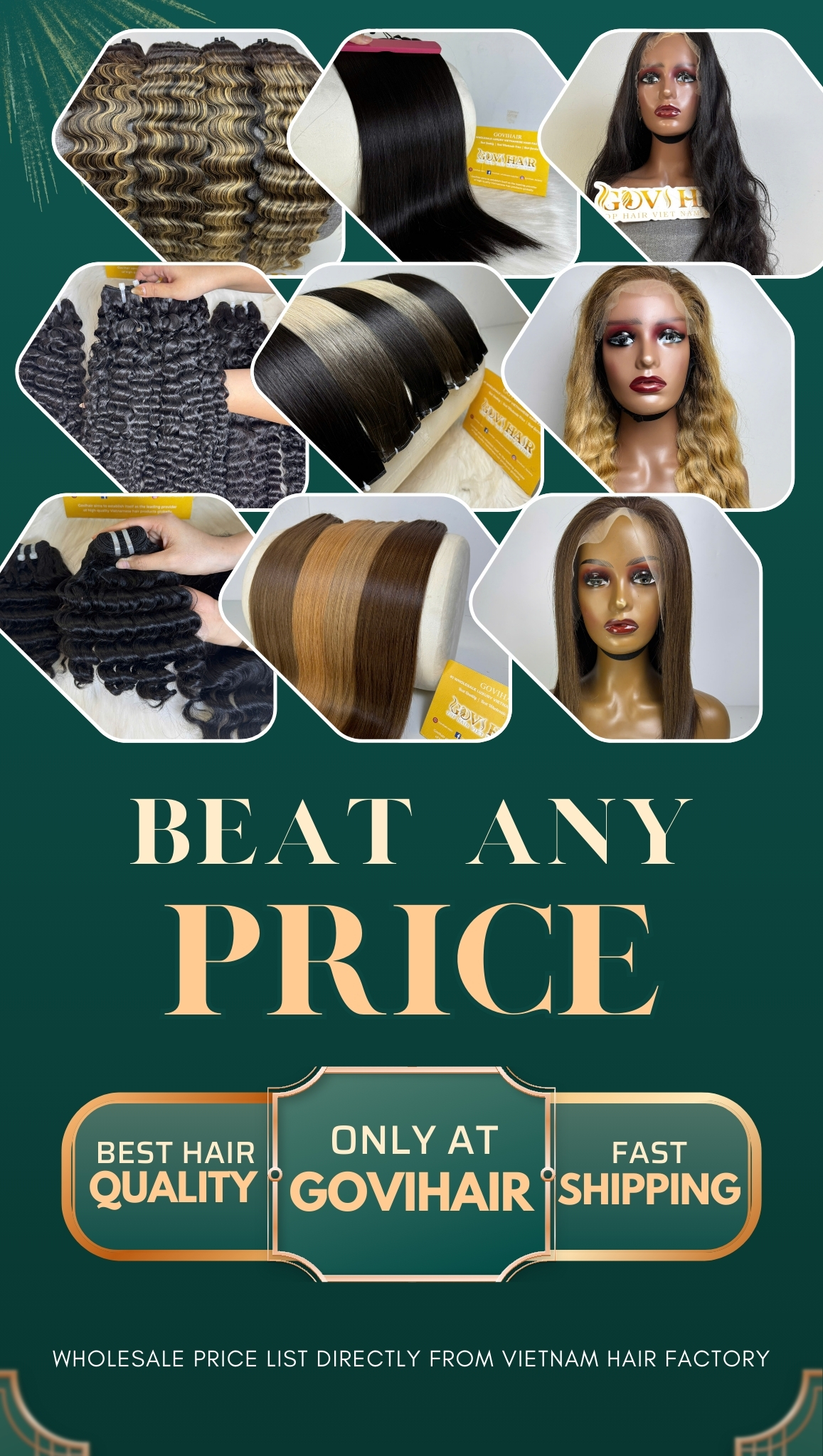
GoviHair, a Vietnamese standout, rounds out the list by addressing how much hair vendors cost with exceptional value and quality. With over 20 years of experience, GoviHair supplies 100% raw Vietnamese hair, prized for its durability and natural appeal, at prices starting as low as $8-9 per bundle. Exporting globally to the U.S., Canada, and Europe, their factory in Bac Ninh ensures meticulous sourcing and production, keeping costs low while maintaining premium standards. GoviHair’s affordability and reputation make it a top choice for wholesale buyers worldwide.
For inquiries and orders, feel free to reach out to Govihair through the following channels:
- WhatsApp: (+84) 795 746 986
- Email: [email protected]
- Website: govihair.com
- Instagram: govihair_factory
- Facebook: Govihair – Wholesale Hair Extensions

Vin Hair Vendor
Vin Hair Vendor is another Vietnamese leader with some of the most attractive prices in the premium segment. Operating a cutting-edge factory with over 300 workers, they source hair from Vietnam’s highlands, known for its lustrous, unprocessed quality. Wholesale prices begin at approximately $88 per kilogram for natural raw hair, drawing bulk buyers from Nigeria and beyond. Vin Hair’s blend of affordability, consistent quality, and top-notch customer support positions it as a reliable option for cost-savvy purchasers.

Unice Hair
Unice Hair, a Chinese-based vendor, combining affordability with a broad product lineup. Specializing in 100% human hair, Unice serves a global audience with weaves, wigs, and lace closures. Their pricing, such as $94 for three 10-inch Brazilian straight bundles, reflects a slight premium, but the quality and added perks such as free worldwide shipping and a 30-day U.S. return policy enhance its value. Unice strikes a balance that appeals to those weighing cost against variety and service.

Beauty Forever Hair
Beauty Forever Hair delivery premium virgin hair at accessible rates. Focused on unprocessed, ethically sourced extensions, this vendor ensures minimal tangling and shedding, with prices that remain budget-friendly. Offering styles such as body wave and kinky curly, Beauty Forever optimizes production to keep costs down, catering to both individual buyers and businesses. Their low-maintenance, natural-looking hair makes them a strong contender for affordable wholesale options.

Ted Hair
Ted Hair, established in 2008 in China, offers a nuanced perspective on how much hair vendors cost with pricing that’s above average yet still reasonable for wholesale buyers. Sourcing from Brazil, Malaysia, and India, they provide an array of products such as wefts, wigs, and clip-ins, with natural straight hair starting around $235 per kilogram. Bulk discounts lower the cost, making Ted Hair viable for those needing variety and quick global shipping, despite occasional quality feedback, ensuring affordability for larger orders.

Cambodian Hair Freak
Cambodian Hair Freak, from Cambodia, is a wholesale hair vendor with competitive rates on Remy Cambodian hair. Specializing in straight, wavy, and curly bundles, they price natural straight hair at $105 per kilogram, with adjustments for length. Their no-return policy reflects confidence in quality, appealing to buyers seeking authentic, affordable hair. This vendor’s focus on cost-effective, reliable products makes it a hidden gem in the wholesale market.

SGI Indian Human Hair
Rounding out the list, SGI Indian Human Hair provides some of the most competitive prices in India. Since 2008, SGI has offered temple-sourced hair, including wefts, wigs, and clip-ins, at rates lower than many global peers. While quality may not match Vietnamese or Cambodian hair due to natural traits and processing limitations, their frequent discounts—weekly, monthly, and annual—keep costs down. SGI’s affordability makes it a strong choice for those prioritizing price over premium consistency, especially in budget-driven markets.

Conclusion
Understanding how much do hair vendors cost requires an appreciation of the nuances in hair quality, origin, length, processing methods, and the vendor’s business model. Prospective buyers should conduct thorough research, request detailed price lists from multiple vendors, and potentially order samples to assess quality firsthand before committing to larger purchases. For those asking how much do hair vendors cost, the answer lies in balancing price with the desired quality and longevity—key to making a sound investment when sourcing hair directly from vendors.


 Ms. Rosie