

Wigs have become more than just a beauty accessory – they’re a way to express style, restore confidence, and simplify hair care routines. But with so many wig options on the market, understanding the different types of wigs can help you make the right choice for your lifestyle, budget, and hair goals. In this complete guide from Govihair, we’ll cover everything you need to know about the most popular wig types, their pros and cons, and expert tips to find the best fit for you.
Pros And Cons Of Different Types Of Wigs
Before diving into the specific wig styles, it’s essential to weigh the benefits and limitations of wearing human hair wigs in general.
Advantages of Wigs
- Instant transformation: Wigs offer a quick and easy way to change your hairstyle, length, or color in just minutes—without the need for cutting, dyeing, or applying heat to your natural hair. It’s a damage-free method to experiment with new looks.
- Protective styling: Wearing a wig acts as a shield for your real hair, protecting it from heat styling tools, chemical treatments, UV rays, and pollution. This makes wigs a great option for those on a healthy hair growth journey.
- Confidence boost: For individuals experiencing hair thinning, alopecia, or undergoing medical treatments like chemotherapy, wigs can help restore confidence and a sense of normalcy by offering a natural-looking solution.
- Convenience: Pre-styled wigs save you time in the morning. Whether you’re heading to work, an event, or just want a polished look with minimal effort, a wig can simplify your hair routine dramatically.
Disadvantages of Wigs
- Maintenance required: While synthetic wigs are relatively low-maintenance, human hair wigs need consistent care – like washing, conditioning, and styling – to maintain their softness, shine, and longevity.
- Initial cost: High-quality wigs, especially those made with virgin or Remy human hair, can be expensive at the start. However, their durability often makes them a worthy long-term investment.
- Comfort concerns: Depending on the type of wig and cap construction, some wigs may feel heavy, hot, or itchy after several hours of wear – particularly in warm or humid climates.
- Fit and security: An ill-fitting wig may not sit comfortably or securely on your head, causing slippage or discomfort. This is why proper installation methods and the right cap size are essential.
What Are the Different Types Of Popular Human Hair Wigs?
Wigs are generally categorized by three main criteria: Construction method, Cap material, and Hair fiber origin. Understanding these categories will help you navigate the price points and realistic qualities of each unit.
Types Of Wigs By Construction
The method used to attach hair strands to the wig cap determines how the hair moves and how versatile the styling options are.
Lace Front Wigs
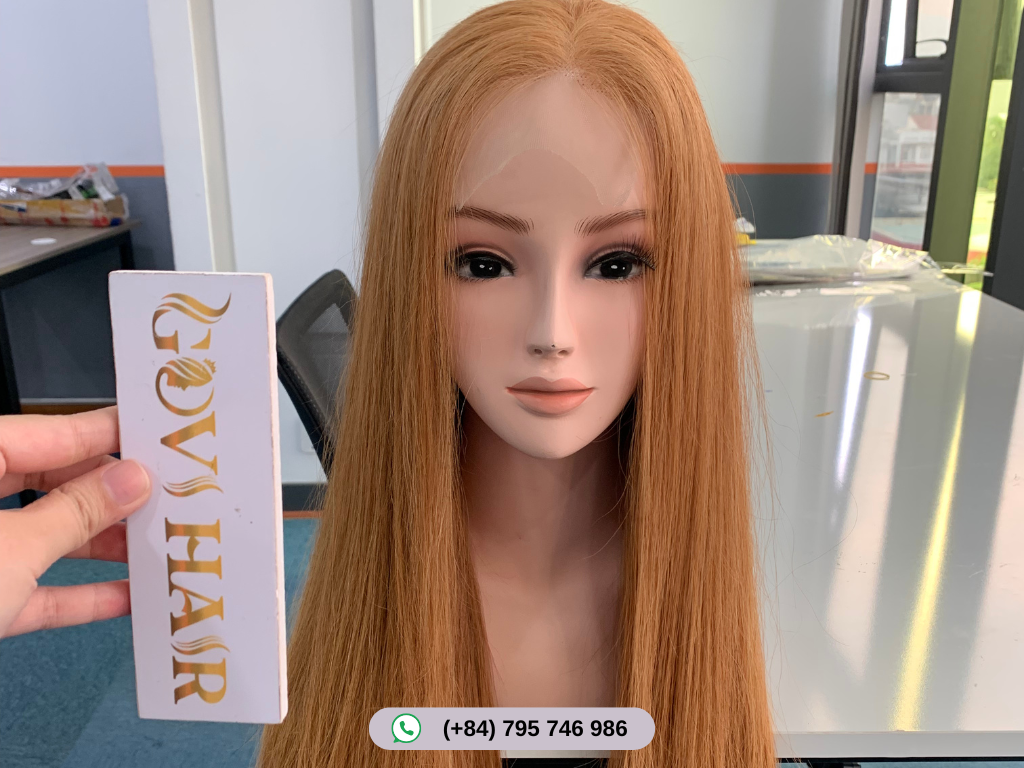
Lace front wigs are one of the most popular styles among the different types of wigs available today, especially for those seeking a natural-looking hairline. The lace portion is only at the front of the wig, typically from ear to ear, allowing the hair to appear as though it’s growing directly from the scalp. This makes it great for styling your hair away from your face, such as in ponytails or side parts.
The rest of the wig is constructed with more durable material, making it both cost-effective and long-lasting. It strikes a balance between realism and affordability, making it perfect for everyday wear.
Full Lace Wigs
Full lace wigs are constructed entirely with lace, offering the most natural appearance and maximum styling versatility. You can part the hair in any direction and even wear it in high ponytails or braids without showing the wig cap. These wigs are often lightweight and breathable, making them ideal for extended wear.
However, because of their detailed construction, they tend to be more expensive and may require professional installation. Full lace wigs are a top choice for those who want the most realistic look and styling freedom.
360 Lace Wigs
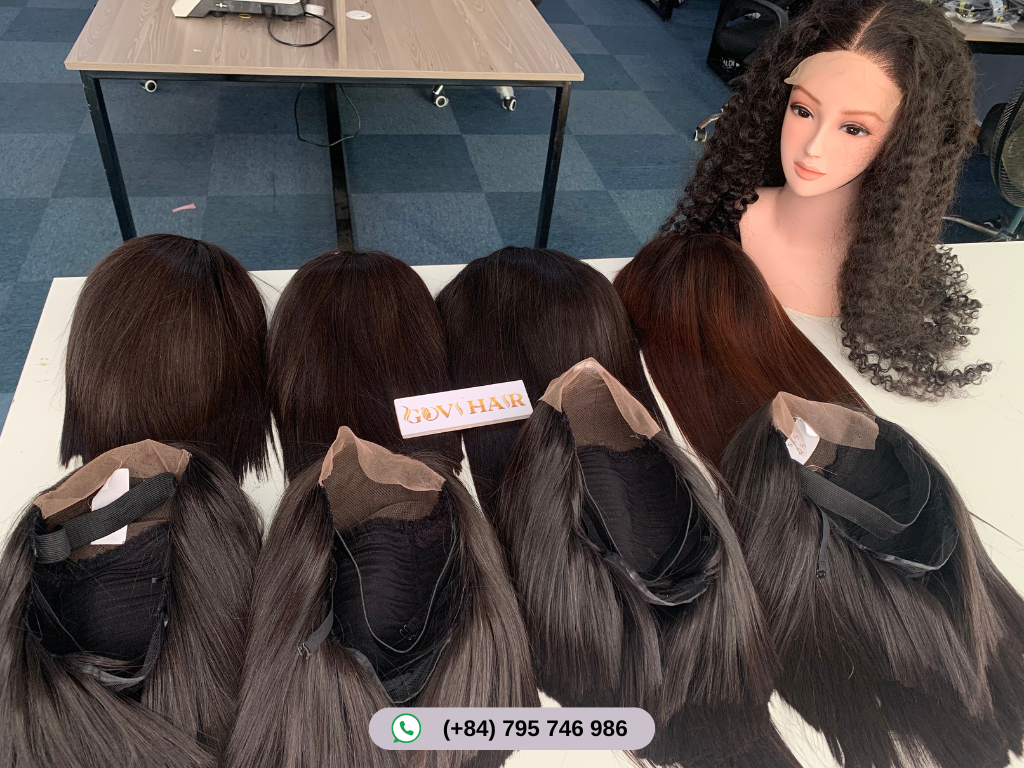
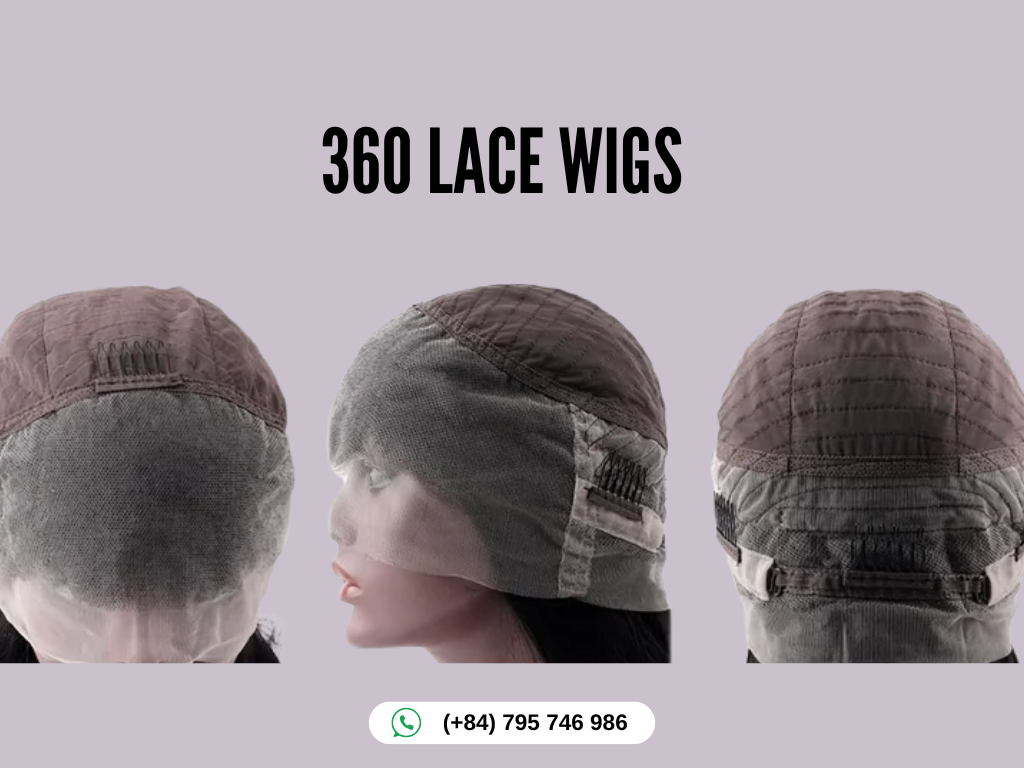
A 360 lace wig features lace around the entire perimeter of the head with machine-sewn wefts in the middle. This design allows for natural-looking edges all the way around, enabling high ponytails and buns. It offers a good compromise between full lace wigs and lace front wigs in terms of both price and flexibility.
The middle of the wig is more durable and less delicate than lace, making maintenance easier. If you want natural edges without paying full lace prices, 360 lace wigs are a great option.
U-Part Wigs
U-part wigs have a U-shaped opening at the crown, allowing you to leave out a small section of your natural hair to blend in with the wig. This creates a seamless and ultra-natural appearance, especially when the texture and color match perfectly. They are an excellent choice for those who want volume and length while keeping a bit of their real hair exposed.
U-part wigs are easy to install and remove, making them great for quick style changes. However, they do require some leave-out hair, so they may not suit those with thinning hair or full hair loss.
V-Part / T-Part Wigs
V-part wigs feature a narrow V-shaped part at the crown, letting a small section of your natural hair peek through for a blended look. T-part wigs, on the other hand, offer a T-shaped lace area—lace at the middle part and hairline—offering fewer parting options but at a more affordable price.
Both are great for those who want realistic parting without the cost of full lace units.They’re often pre-plucked and beginner-friendly, requiring minimal customization. If you’re looking for a budget wig that still gives a natural appearance, these are excellent choices. Ultimately, when deciding between a u part vs v part wig, choose the V-part if you want a protective style with zero leave-out, and the U-part if you prefer maximum natural blending using your own part.
Headband Wigs
Headband wigs are beginner-friendly, hassle-free wigs that come attached with a fabric headband instead of lace. You can simply slip one on and go—no glue, no lace, no stress. They’re great for casual looks, workouts, or quick errands when you don’t want to deal with a full installation.
While they don’t offer the same natural hairline as lace wigs, they’re incredibly comfortable and breathable. With a variety of headband styles available, they also let you switch up your look effortlessly.

360 Lace Wigs
This construction features lace around the entire perimeter of the head (360 degrees) with machine wefts in the center.
-
Best for: Women who love high ponytails or updos but want a cheaper alternative to full lace wigs.
Types Of Wigs Based on Caps
The wig cap is the foundation that determines the comfort, durability, and realism of the unit. Here are the most common constructions:
Thin Skin Wigs
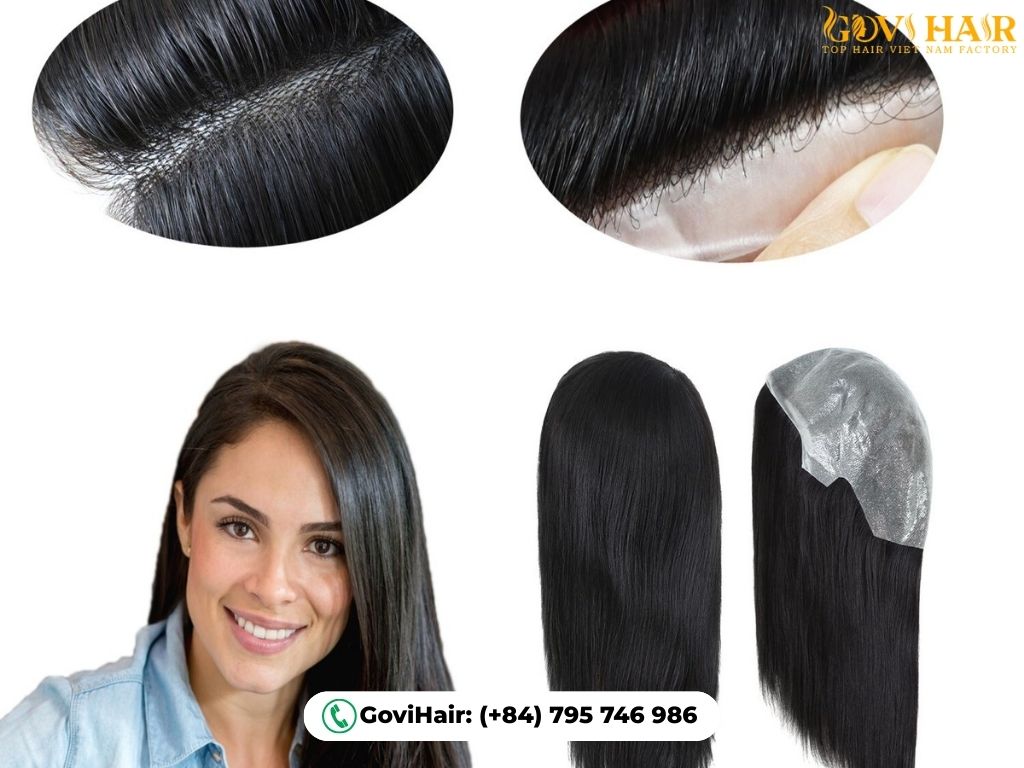
This type features a base made of Polyurethane (PU) that mimics the appearance of human skin.
-
Features: Hair is typically injected or looped into the PU material, making it look like the hair is growing directly from the scalp.
-
Pros: Extremely realistic when viewed from the top; allows for a strong adhesive bond.
-
Note: Generally less breathable and can run hotter than lace caps.
Silk Top Wigs
These utilize a premium 3-layer system where the hair knots are hidden beneath a layer of fine silk.
-
Features: The knots are invisible, creating the most realistic parting line available on the market.
-
Pros: No need for “bleaching knots.” It offers a flawless look even at close range.
100% Hand-Tied Wigs
This is the gold standard for comfort. Every single strand of hair is tied by hand onto a 4-way stretch mesh cap.
-
Features: The cap feels like a second skin and allows the hair to move freely in any direction.
-
Best for: Ideal for individuals with total hair loss or sensitive scalps (alopecia/chemo patients) as it eliminates friction and irritation.
Monofilament Wigs (Mono)
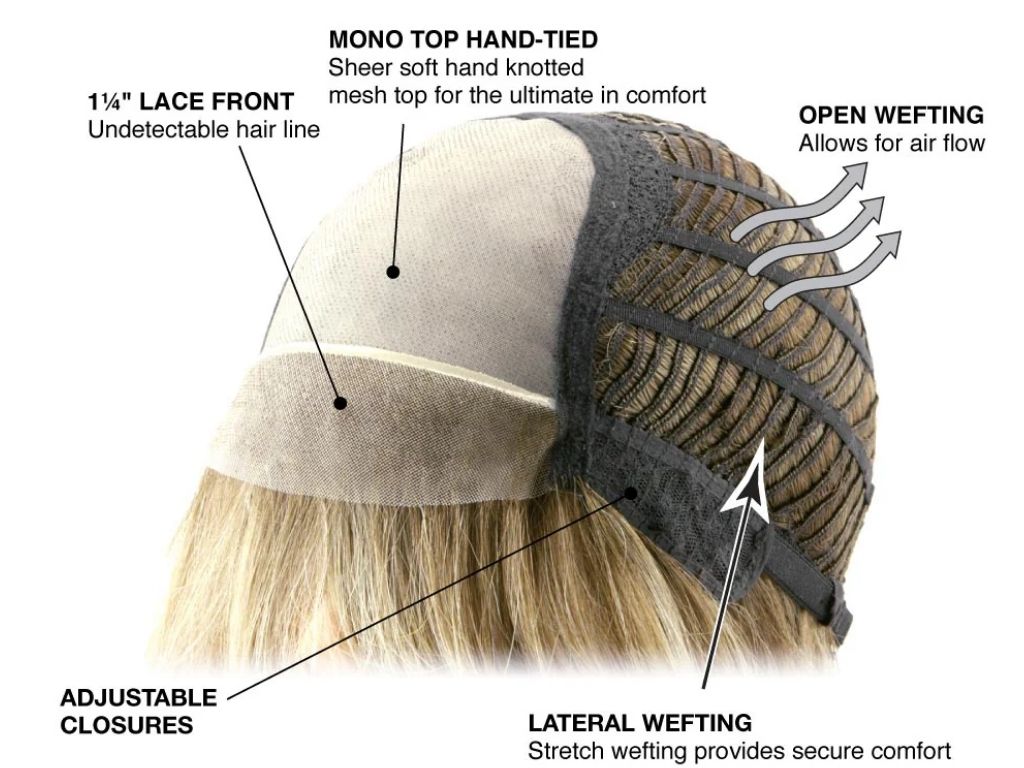
Constructed using a sheer, transparent mesh at the crown or top area.
-
Features: The mesh reveals your natural scalp color, allowing for multi-directional parting (you can part the hair anywhere within the mono area).
-
Pros: Highly breathable with natural hair movement.
Double Monofilament
An upgrade to the standard Mono cap, featuring an extra layer of soft “glass silk” lining the inside.
-
Purpose: This lining prevents the knots from touching the scalp, offering superior protection against itching or irritation. It is the #1 choice for sensitive skin.
Basic Cap / Capless
Despite the name, it has a cap structure made of open wefts (rows of hair) sewn onto elastic strips rather than solid fabric.
-
Features: The open spacing between wefts allows for maximum air circulation.
-
Pros: The lightest, coolest, and most affordable option. Often features “permatease” at the roots for instant volume.
Combo Wigs
These mix various materials (e.g., Monofilament top + Lace front + Wefted back) to leverage the benefits of each, offering a high-quality look at a competitive price point.
Types Of Wigs Based on Fibers
The fiber quality dictates the look, feel, movement, and longevity of your unit. Choosing the right fiber is a balance between budget and desired realism.
Human Hair
Harvested from donors, human hair wigs offer the most realistic appearance. They behave exactly like natural hair: they can be heat-styled, dyed, and cut. However, they require higher maintenance (washing, conditioning) and react to weather conditions like humidity.
Remy Hair
Remy wigs are made from real human hair that has the cuticles aligned in the same direction. This keeps the hair soft, smooth, and tangle-free, providing a more natural appearance and feel.
Remy hair is known for its durability, shine, and high-quality texture. It can be dyed, curled, or styled just like your own hair. Among the different types of wigs available, Remy human hair wigs are considered one of the best in terms of quality and longevity.
Virgin Hair
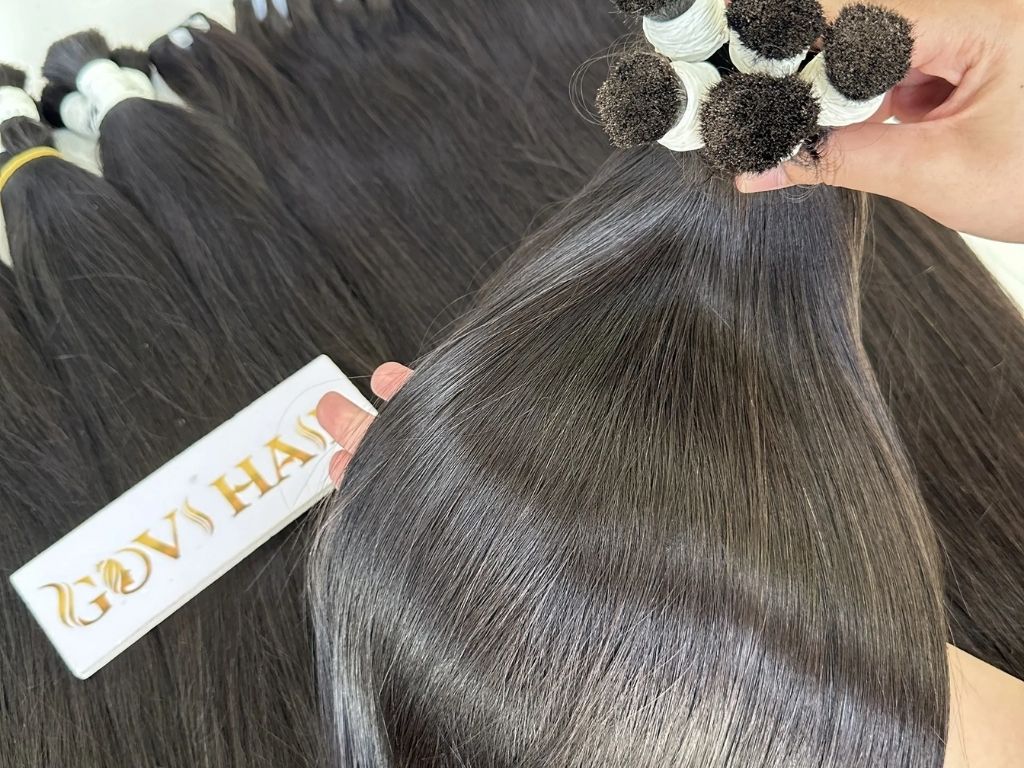
Virgin human hair wigs are made from 100% pure human hair that has never been processed or chemically treated. This means the hair retains its natural strength, softness, and integrity, making it highly versatile for bleaching, dyeing, or styling.
Virgin hair is considered the gold standard in the wig world for its longevity and premium feel. It’s ideal for wig wearers who want maximum styling freedom with a long-lasting product. However, this top-tier quality often comes at a higher price point.
Non-Remy Hair
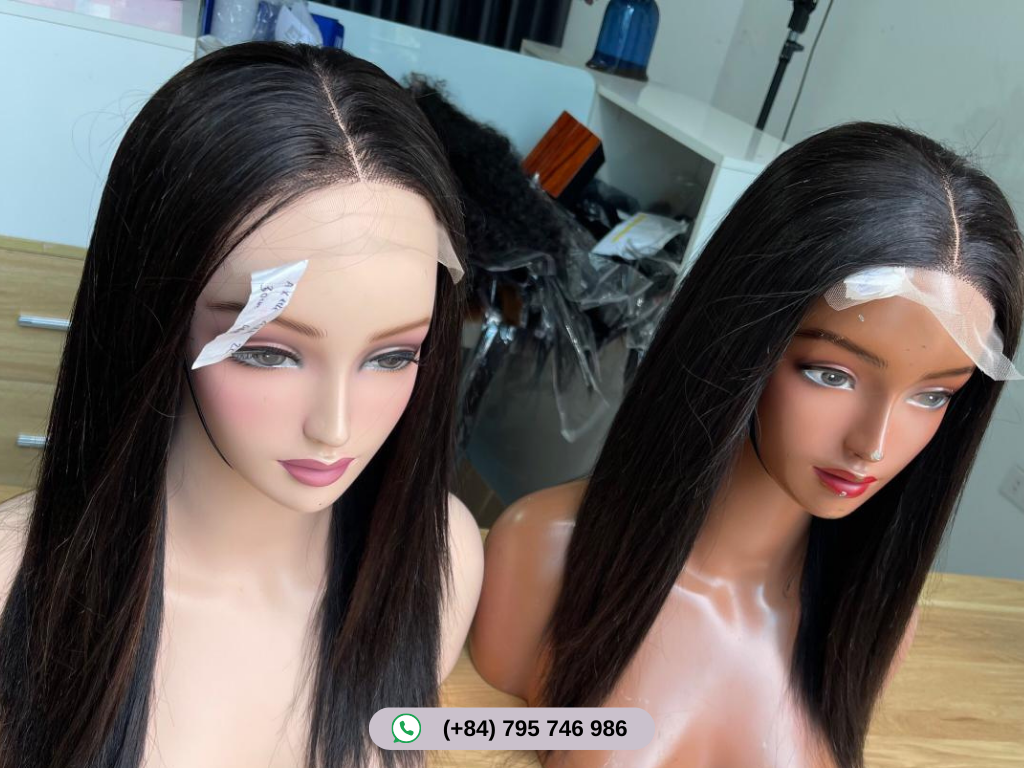
Non-Remy wigs are made from real human hair, but the strands are collected from various sources and mixed together without aligning the cuticles. This can cause tangling and matting if not properly treated.
These wigs are often coated with silicone to give a shiny appearance but may lose their smoothness after several washes. They are a more affordable alternative for those who want the look of human hair without the high price of Remy or virgin hair. Best for short-term use or occasional wear, non-Remy wigs can still offer decent value with proper care.
Synthetic Hair
Made from man-made fibers (acrylic, nylon, or polyester). The biggest advantage is “style memory”—the wig holds its style (curls or straight) permanently, even in rain or humidity. The debate of human hair wigs vs synthetic wigs comes down to budget and versatility. They are budget-friendly and require very little maintenance compared to human hair but generally look less natural.
Heat-Friendly Synthetic Hair
While traditional synthetic wigs cannot touch heat, Heat-Friendly (or Heat-Resistant) Synthetic fibers allow for styling with low-heat tools (usually up to 350°F). They offer more versatility than standard synthetic wigs but have a shorter lifespan as the fiber can degrade faster from friction
European Hair
Known for its fine denier and silky, soft texture. It is rare and typically comes in natural lighter tones (blondes and light browns). Due to its scarcity, it commands the highest price point in the market.
Indian Hair
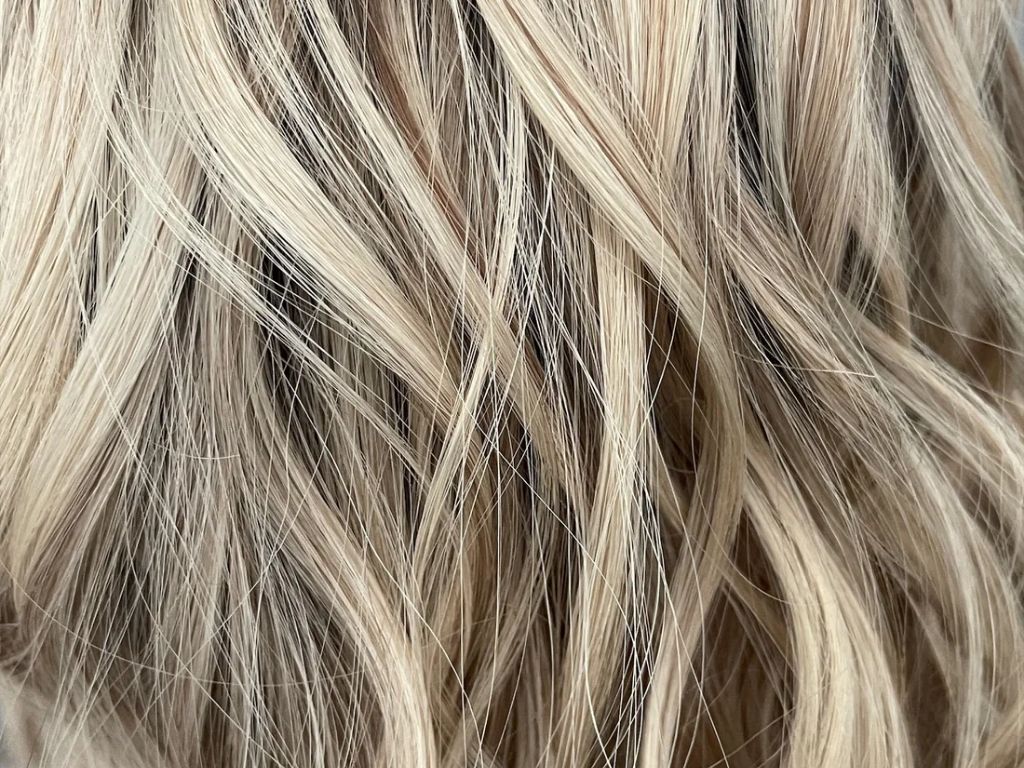
Widely available and highly versatile. It is thicker than European hair but retains a soft texture with a natural wave. It holds curls very well but can be prone to frizz in humid environments if not smoothed down.
Vietnamese Hair
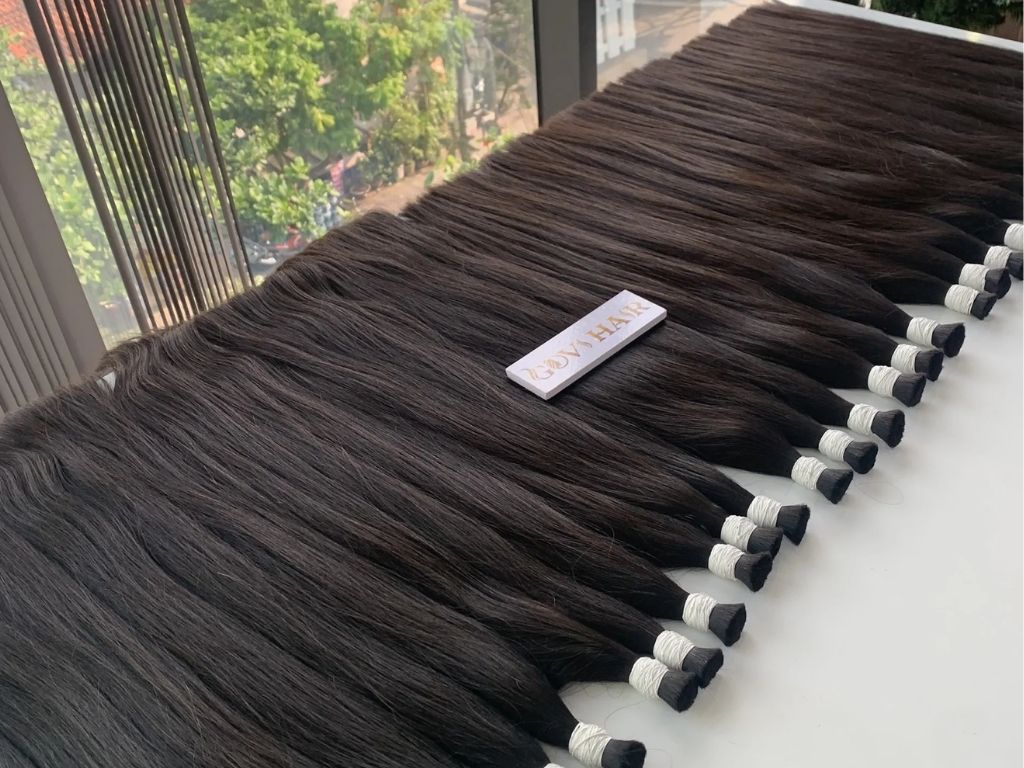
Emerging as a top choice in the luxury market, Vietnamese hair is famous for its exceptional strength and thickness. Unlike Indian hair, which is finer, Vietnamese strands are round and robust. It is typically naturally straight or has a slight body wave. Its superior durability makes it the best choice for bleaching to light colors (like 613 Blonde) without becoming dry or brittle.
Other Wig Types and Alternatives to Consider
Not everyone needs a full wig. If you are looking for partial coverage, volume, or a semi-permanent solution, these alternatives might be the perfect fit for your needs.
Hair Topper/Toupee
Designed to cover specific areas of hair loss rather than the entire head.
-
Toppers: Specifically target the crown or part line. They clip into your existing hair to conceal thinning spots and add volume to the top. They are excellent for blending with your natural hair color.
-
Toupees: Typically used by men, these are smaller hair systems designed to cover male pattern baldness on the top of the scalp.
Glue-on Wigs
Also known as Hair Replacement Systems. These units are attached to the scalp using strong, medical-grade liquid adhesive or tape.
-
Best for: People who want a semi-permanent solution. You can sleep, shower, and swim in them. They typically stay attached for 2–4 weeks before needing maintenance or re-application.
Clip-in Wigs
Often referred to as Half Wigs or Instant Weaves. These cover about 3/4 of your head, leaving the front section of your natural hair out to blend over the wig.
-
Best for: A quick, temporary transformation. They attach securely with pressure-sensitive clips and require zero glue or commitment, making them ideal for special occasions.
Hair Extensions
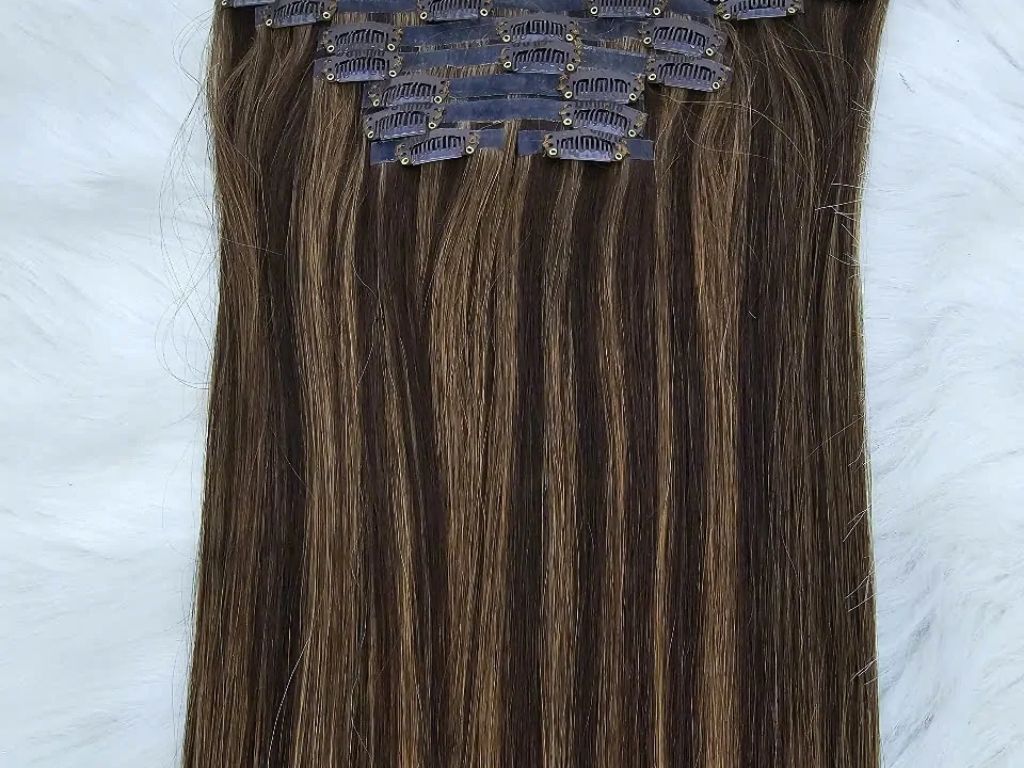
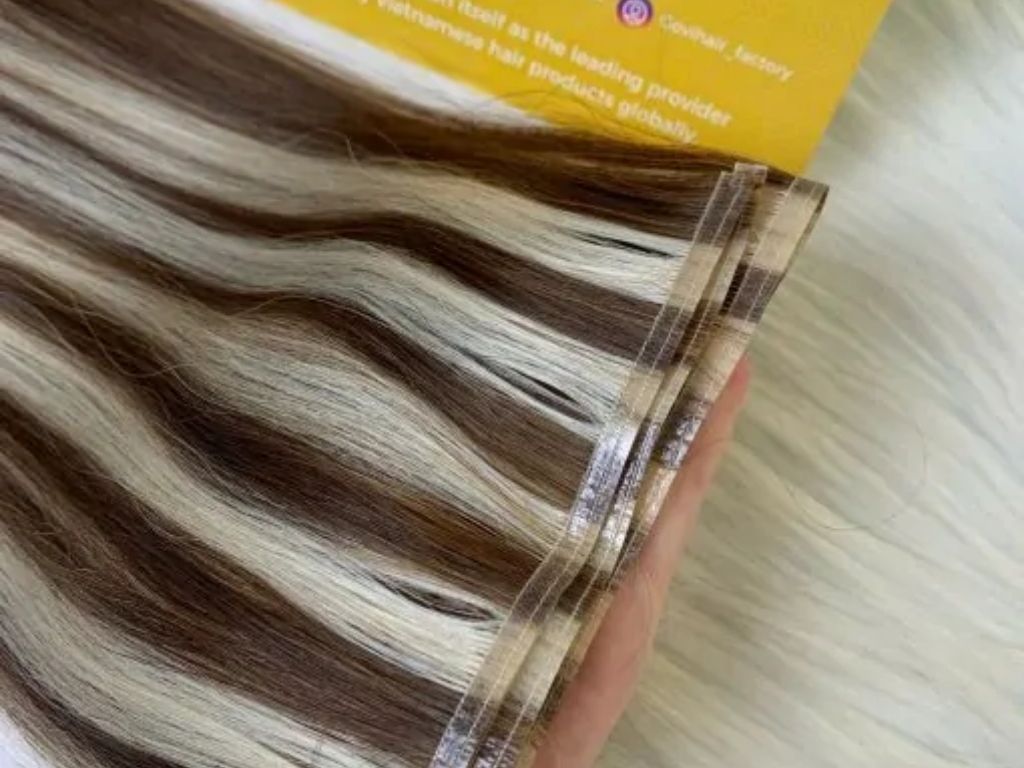
Individual strands or wefts of hair attached to your natural hair to add length and volume.
-
Types: Include Tape-ins, Micro-links, I-tips, and K-tips.
-
Difference: Unlike wigs that cover the hair, extensions integrate with your hair. They are best for individuals who already have healthy hair but want to enhance its density or length.
Weaves
A popular protective style where hair wefts are sewn onto natural hair that has been braided into cornrows.
-
Mechanism: The “sew-in” method creates a very secure foundation.
-
Best for: Those wanting a long-term style (typically lasts 6–8 weeks) that protects natural hair from daily manipulation and heat styling.
How to Find Your Best Wig Type?
With so many options available, choosing the “best” wig is less about the product itself and more about how it fits your specific lifestyle. To narrow down your choices, consider these three critical questions:
1. How much time will you spend styling?
-
Low Maintenance: If you want to “shake and go” without spending time styling, opt for Synthetic Hair or Ready-Made Wigs. They hold their shape and require minimal effort.
-
High Versatility: If you enjoy curling, straightening, and changing your look daily, a Human Hair Wig is necessary. However, just keep in mind that it requires the same care and styling routine as your natural hair.
2. What is your budget vs. longevity goal?
-
Short-term/Budget-friendly: For occasional wear or trying a new color, Synthetic or Non-Remy wigs are cost-effective.
-
Long-term Investment: If you plan to wear the wig daily for a year or more, investing in Virgin Remy Human Hair is cheaper in the long run because it lasts significantly longer and stays soft.
3. Do you have specific scalp needs?
-
Medical Hair Loss: If you have total hair loss or a sensitive scalp (due to chemotherapy or alopecia), prioritize comfort over style. Look for 100% Hand-Tied or Double Monofilament caps which are soft and prevent irritation.
-
Fashion Wear: If you have bio hair underneath, a Lace Front or Basic Cap is sufficient and provides great ventilation.
4. How important is the hairline?
-
If you wear your hair off your face (updos/ponytails), you absolutely need a Lace Front or 360 Lace Wig to create a seamless transition.
-
If you wear bangs (fringe), you can save money by buying a Basic Cap or Machine-made wig, as the bangs hide the hairline edge.
Choosing wisely from the various types of wigs and their names ensures that you not only look your best but also feel confident and comfortable every time you wear it.
Where To Buy Premium Vietnamese Wigs ?
Looking for reliable, high-quality wigs at competitive prices? Govihair is your trusted supplier of premium Vietnamese human hair wigs — offering a wide range of the different types of wigs, from lace front to custom styles, all made with 100% real human hair.
Why Choose Govihair?
- 100% ethically sourced Vietnamese human hair
- Custom lace options: full lace, 360 lace, glueless & more
- Remy and virgin hair available
- Factory-direct wholesale pricing
- Global shipping and excellent customer support
Whether you’re a salon owner, hairstylist, or reseller, Govihair ensures you get top-quality wigs tailored to your needs – fast, affordable, and reliable.
Chat With Us:
- WhatsApp: (+84)795 746 986
- Email: [email protected]
- Instagram: govihair vietnam factory
- Tik Tok: govihairvietnam_official
- Website: https://govihair.com/
FAQs
What are the different types of wigs available?
There are several main types of wigs including lace front wigs, full lace wigs, 360 lace wigs, and U-part wigs. Lace front wigs offer a natural-looking hairline, while full lace wigs provide styling flexibility. 360 lace wigs allow ponytails, and U-part wigs blend with your natural hair.
What is the difference between synthetic wigs and human hair wigs?
Synthetic wigs are made from man-made fibers and hold styles well with low maintenance but have limited styling options. Human hair wigs offer a natural look, can be dyed and styled with heat, and generally last longer, though they require more upkeep.
Which wig type is best for everyday wear?
Lace front wigs are often recommended for everyday use due to their lightweight feel and realistic hairline. They’re easy to apply, breathable, and offer a natural appearance without the complexity of full lace or custom options.
Are glueless wigs better than traditional wigs with adhesive?
Glueless wigs are more convenient for daily wear and protect your hairline since they don’t require glue or tape. They usually come with adjustable straps or combs. Traditional adhesive wigs, while more secure, can cause irritation if worn too frequently.
Conclusion
Navigating the world of wigs doesn’t have to be overwhelming. By understanding the different types of wigs, you can find a unit that perfectly fits your style and daily routine. Whether you choose a premium human hair wig or a convenient synthetic option, the key is confidence. With proper care and maintenance, your investment will serve you well, keeping you looking your best every day.


 Ms. Rosie