

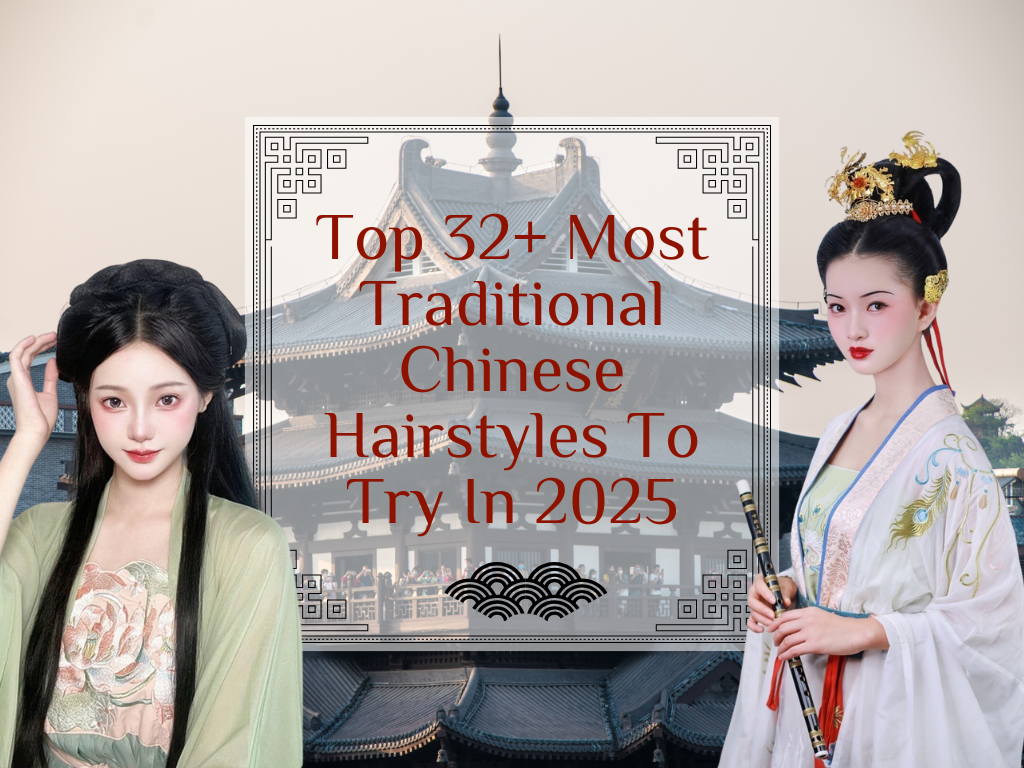
Chinese hairstyles have evolved for thousands of years, blending cultural heritage with evolving fashion trends. From the intricate hairdos of dynastic empresses to sleek modern waves seen in today’s Chinese fashion icons, these styles reflect elegance, sleek, glossy black hair symbolism, and femininity. Whether you’re embracing tradition or adding a chic edge to your modern look, these Chinese hairstyles offer versatile inspiration for both elaborate and Chinese hairstyles simple everyday looks.
1. Gao Ji (High Bun)
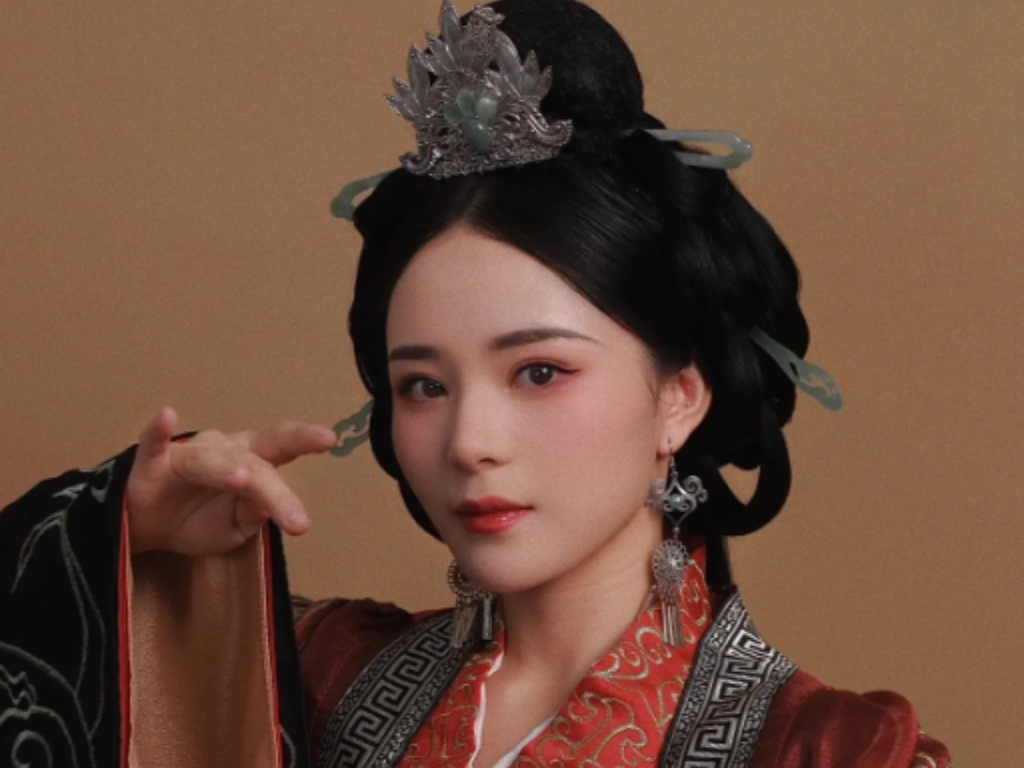
A signature hairstyle among ancient Chinese nobility, the Gao Ji or high bun features a voluminous bun on the crown of the head. Chinese hair structure was often adorned with ornate hairpins, beads, or silk ribbons, symbolizing grace and social status. This style is still recreated today in cultural performances and historical dramas for its majestic elegance.
2. Hanfu-Inspired Double Buns
These symmetrical buns on either side of the head are closely associated with traditional Hanfu attire. They create a youthful and elegant appearance, with dense single‑strand diameters often decorated with delicate accessories. Ideal for cultural festivals, this hairstyle beautifully complements flowing garments and traditional makeup.
3. Side-Swept Han Dynasty Braid
This romantic hairstyle features hair swept to one side and styled into a single long braid. It is typically adorned with flowers or jade pins, offering a gentle and graceful look. The style evokes the feminine aesthetic of the Han Dynasty, emphasizing natural beauty and poise.
>> Read more: Top 27 Deep Wave Hairstyles for 2025
6. Modern Qi Pao Waves
This hairstyle takes inspiration from the glamorous era of 1920s – 1930s Shanghai, when the Qi Pao (cheongsam) became a fashion icon. The Modern Qi Pao Waves feature soft, structured finger waves or S-shaped curls that frame the face elegantly. It’s a fusion of old Shanghai sophistication and modern flair – perfect for those who love vintage elegance with a contemporary twist.
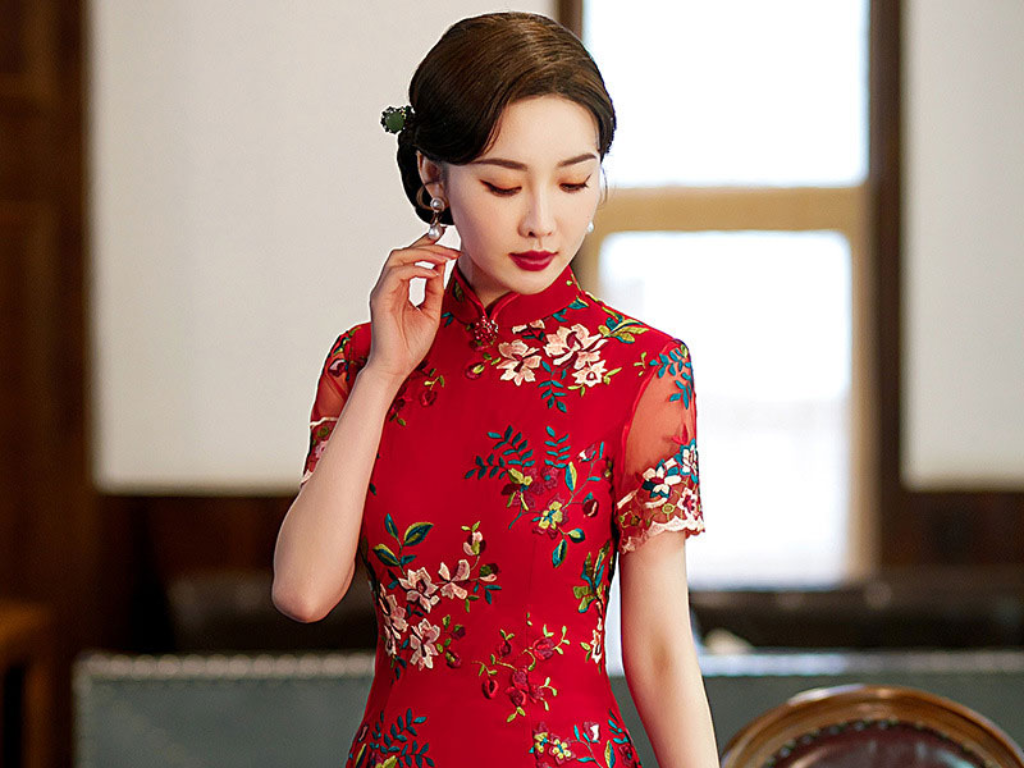
5. Jiuhuan Xian Ji
Also known as the multi-ringed bun, Jiuhuan Xian Ji is a complex and symbolic hairstyle. The intertwined loops represent longevity, virtue, and timeless beauty. It is frequently seen in historical dramas and ceremonial reenactments.
6. Duoma Ji
Duoma Ji consists of twisted or braided rolls placed on top of the head, forming an intricate and refined updo. Often worn by women in ancient royal courts, this hairstyle symbolized status and meticulous grooming. It is ideal for costume events and historical representations.
7. Double Buns
This youthful, modern Chinese hairstyles variation of the traditional style features two buns on either side of the head. Commonly seen in Chinese pop culture, it exudes charm and playful energy. Perfect for casual wear, concerts, or animated character cosplay.
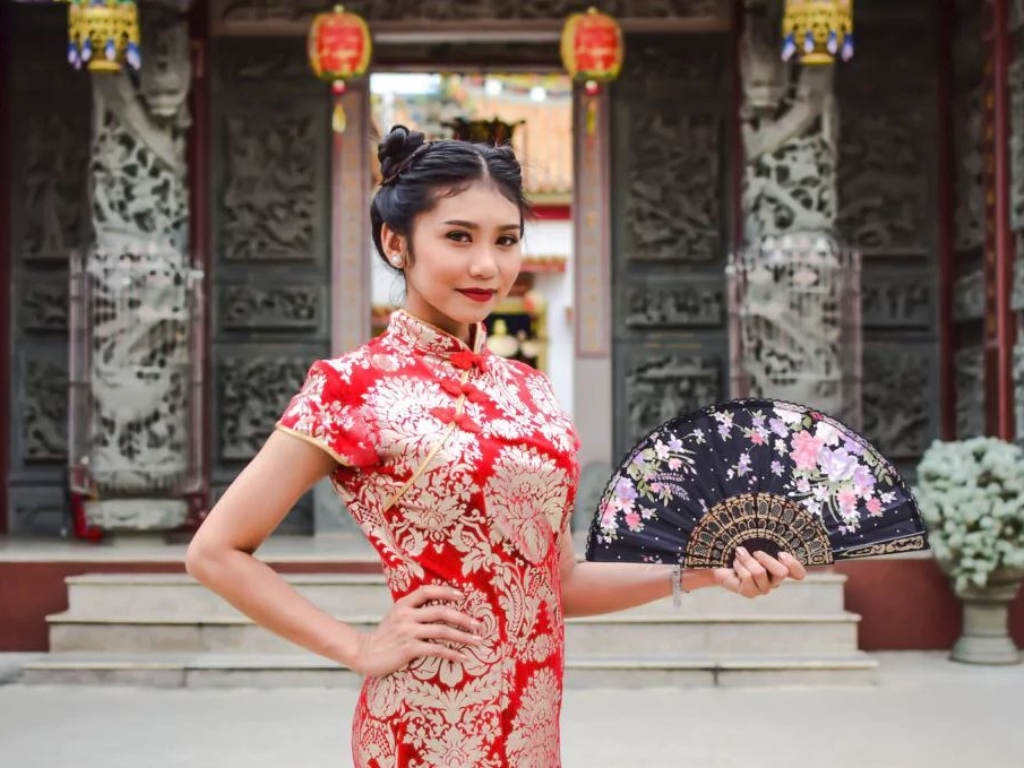
8. Long Braided Ponytail
A timeless and versatile look, the long braided ponytail combines simplicity with elegance. This style highlights the length and texture of the hair while maintaining a neat appearance. It is often worn for martial arts cosplay, festivals, or daily traditional fashion.
9. Shuangchui Huang Ji
Also known as “double drop buns,” this style features two low-hanging buns near the ears. Popular during the Tang and Qing dynasties, it reflects a delicate and symmetrical aesthetic. Often paired with traditional gowns, it adds historical charm.
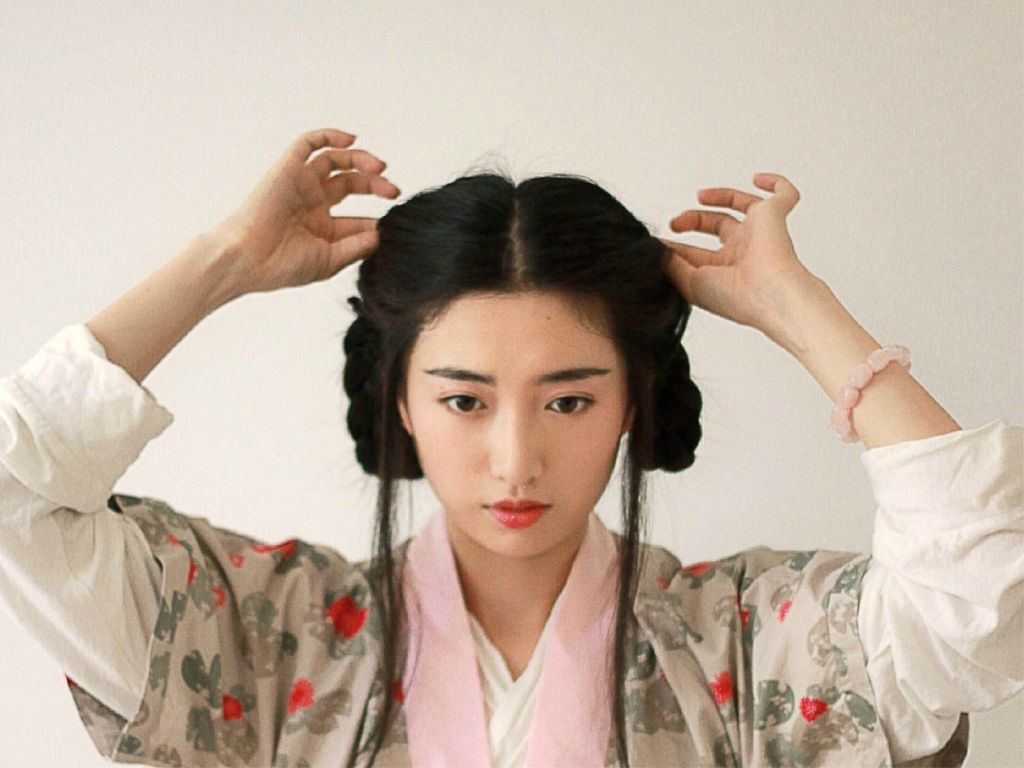
10. Emei Ji
Emei Ji is a minimalist bun inspired by Taoist nuns, offering a serene and humble appearance. The sleek topknot bun is spiritual and calming, reflecting inner peace and purity. This look is often chosen for traditional ceremonies or meditation retreats.
>> Read more: 7 Best Closure Sew In Hairstyles Trending For Flawless Looks
11. Qing Dynasty Two-Part Updo
This sophisticated updo involves parting the hair and styling it into an elaborate structure. Accessorized with ornate phoenix hairpins, it showcases imperial beauty. The style is ideal for high-end reenactments and period dramas.
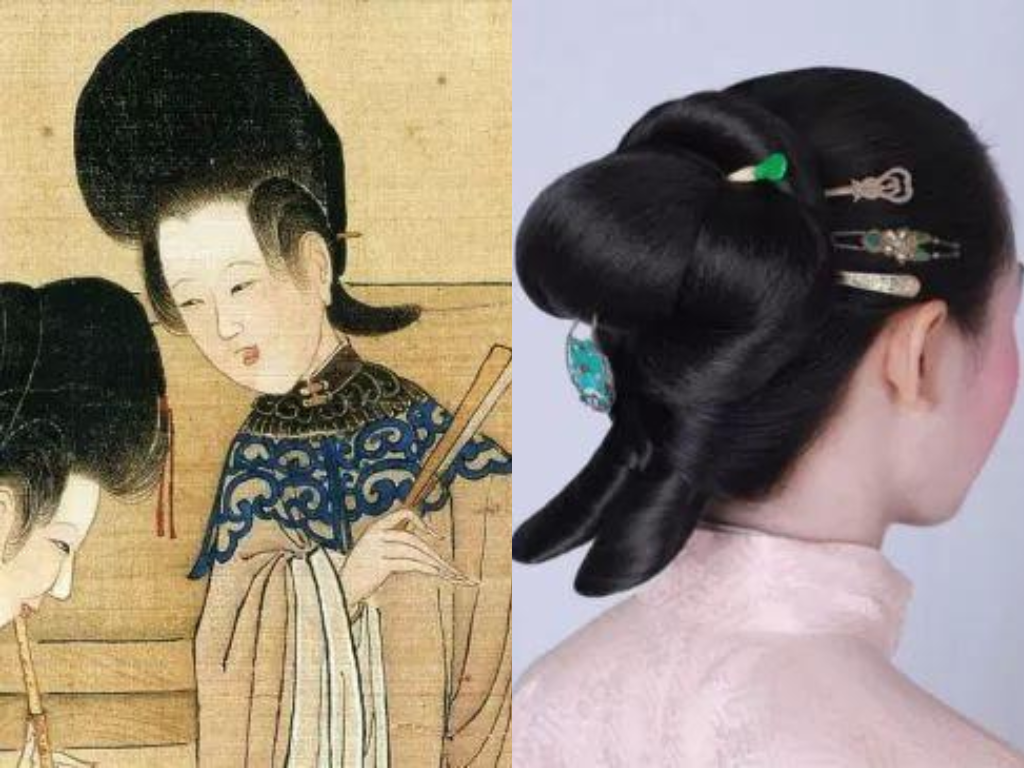
12. Side-Swept Hanfu Hair with Hairpins
Romantic and elegant, this hairstyle sweeps hair to one side and secures it with decorative pins. It blends well with Hanfu attire, highlighting facial features and necklines. A go-to look for weddings, photoshoots, or heritage events.
13. Luo Ji
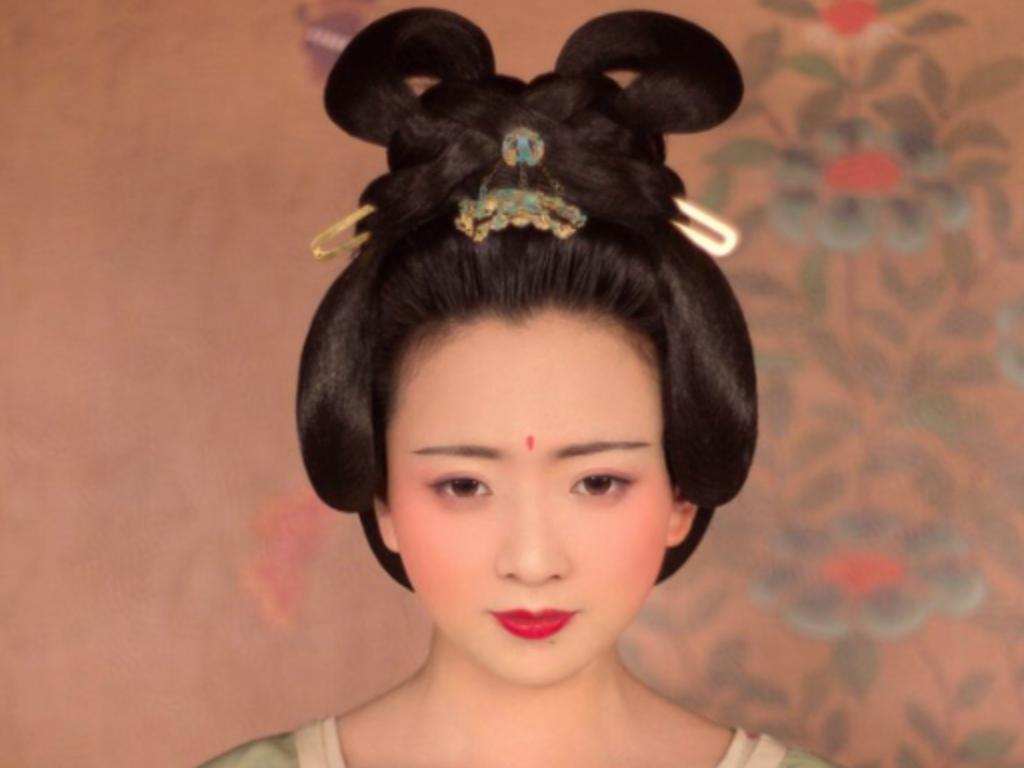
Luo Ji is a classic twisted bun where hair is coiled in a circular pattern, creating a smooth and symmetrical silhouette. This graceful style is perfect for formal events, traditional rituals, and reenactments of historical scenes. Luo Ji remains a symbol of timeless beauty and poise in both modern interpretations and traditional showcases.
14. Braided Crown Hairstyle
Braiding the hair along the hairline and wrapping it around the head creates a regal crown effect. This versatile style suits various face shapes and outfits. It’s often used for both traditional ceremonies and bridal looks.
15. Lingshe Ji
Translated as the “spirit snake bun,” this artistic style involves twisted coils shaped like serpents. Symbolizing agility and transformation, it’s an eye-catching option for cultural reenactments. The hairstyle is also deeply symbolic in folklore.
16. Feitian Ji
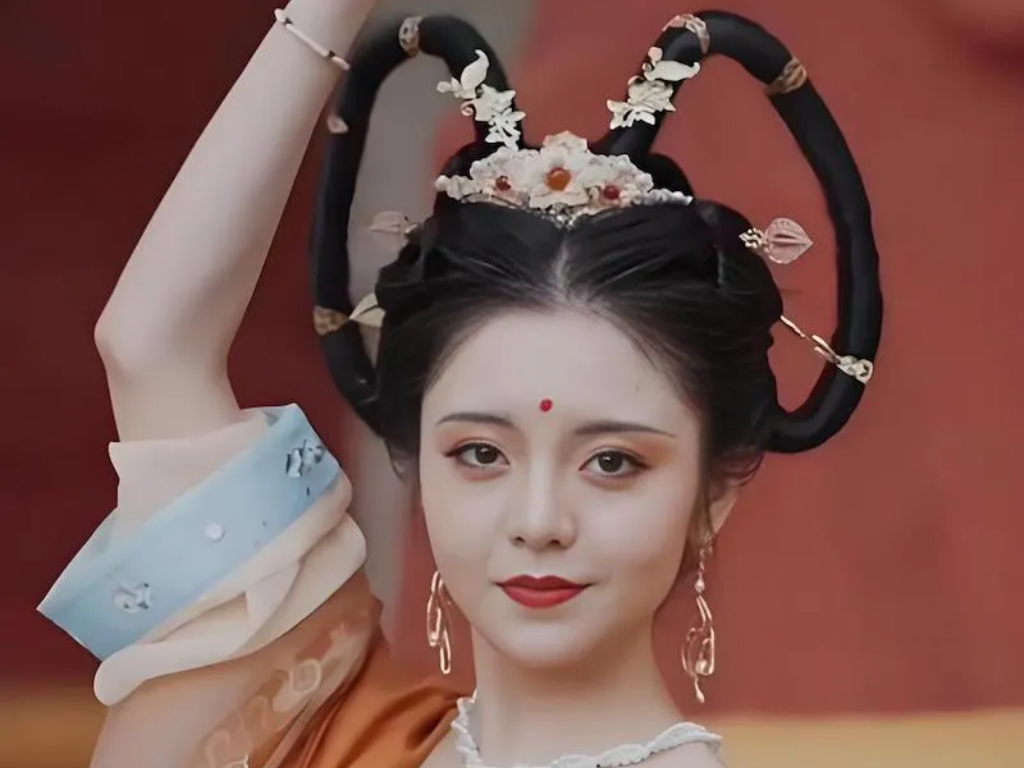
Inspired by celestial beings in Buddhist murals, Feitian Ji uses flowing hair extensions and decorative combs to achieve a divine appearance. The style creates a graceful look that seems to float with every movement. It’s ideal for dance, performance, spiritual events, or mythology-based fashion.
17. Ming Dynasty Coiled Braid
This style features intricately coiled braids wrapped around the head, worn with traditional Ming robes. It reflects sophistication, discipline, and harmony. Frequently chosen for formal reenactments and film productions.
18. Sleek Straight Hair with Middle Part
Minimalist yet powerful, this sleek hairstyle with a clean central part radiates elegance, confidence, and timeless beauty. Bridging modern Chinese hairstyles fashion with ancient aesthetic, this style is suitable for casual daily wear, business formal, or Hanfu fusion looks.
19. Feitian Bun
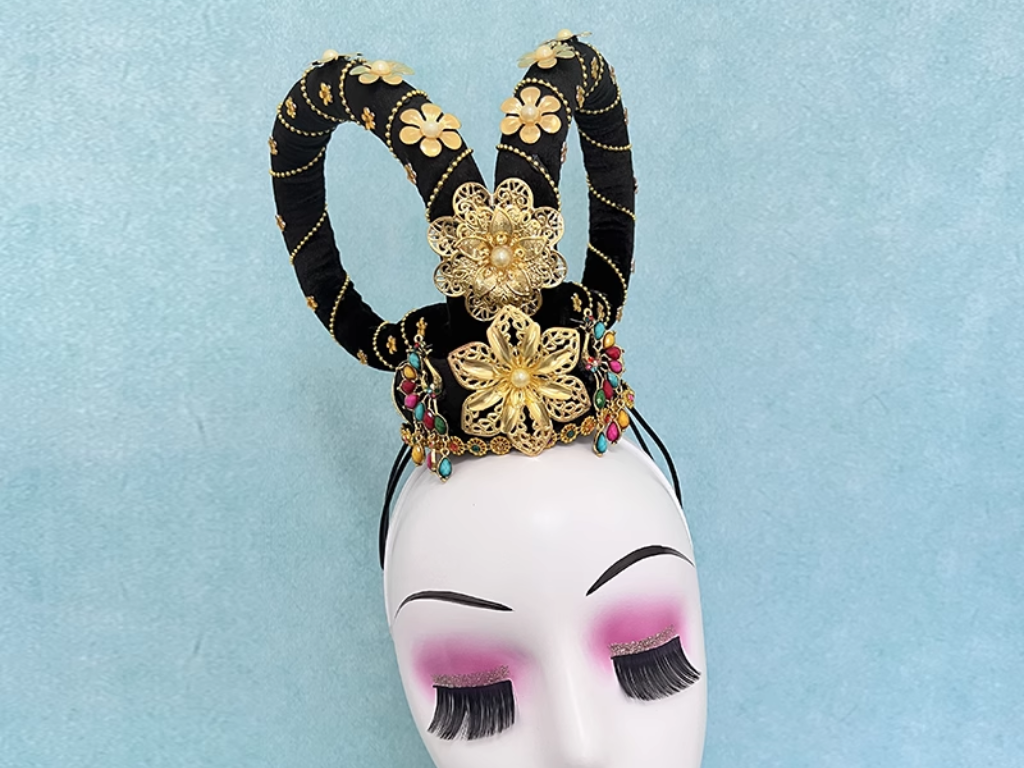
A voluminous variation of the Feitian Ji, this celestial bun emphasizes height, fullness, and grandeur. Its dramatic silhouette is perfect for theatrical, religious, or ceremonial purposes. Gold leaf, feathers, or flower ornaments enhance its divine allure.
20. Chuiyun Ji
Also known as the “drifting cloud bun,” this romantic hairstyle uses soft curls and wave-like techniques to evoke the movement of clouds. It creates a dreamy, ethereal vibe perfect for outdoor festivals, wedding photoshoots, or seasonal storytelling events.
21. Wolong Ji
Named after the “crouching dragon,” Wolong Ji involves twisted arcs of hair wrapped around the head in a symbolic formation. Representing wisdom, mystique, and strength, it’s a great choice for martial-themed fashion, cosplay, or fantasy interpretations.
22. Lan Hua Ji
Lan Hua Ji features delicate bun shapes resembling blooming orchids, crafted with precision on the crown of the head. Soft, romantic, and elegant, this style pairs well with flowing garments and floral motifs. It’s a favorite for spring festivals and nature-inspired Hanfu photography.
23. Huan Ti Ji
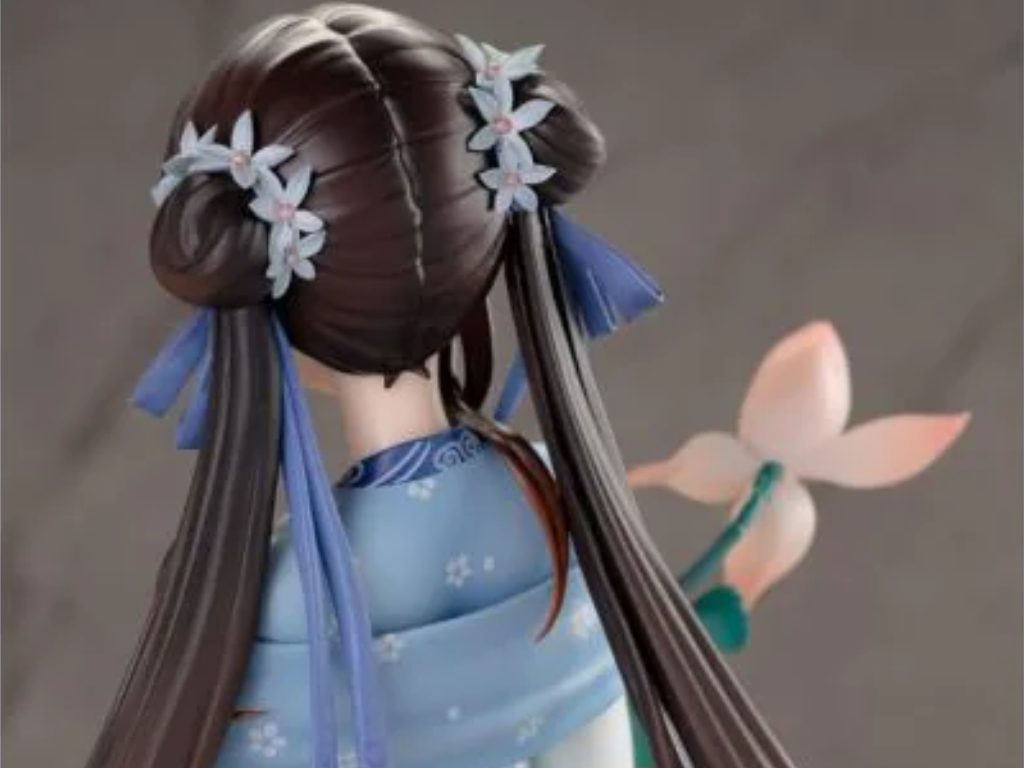
A traditional court bun twisted into a halo-like shape and adorned with pearls, gold ornaments, or precious stones. Once favored by royal consorts, this elegant look signifies status, refinement, and cultural heritage. Ideal for bridal styling and imperial reenactments.
24. Qitou
A prominent Qing Dynasty style defined by its large fan-shaped headdress that frames the head dramatically. This structured and bold look is highly recognizable in traditional opera, royal court representations, and cultural performances. It is essential for Qing-era cosplay and costume exhibitions.
25. Loose Flowing Hair with Jade Accessories
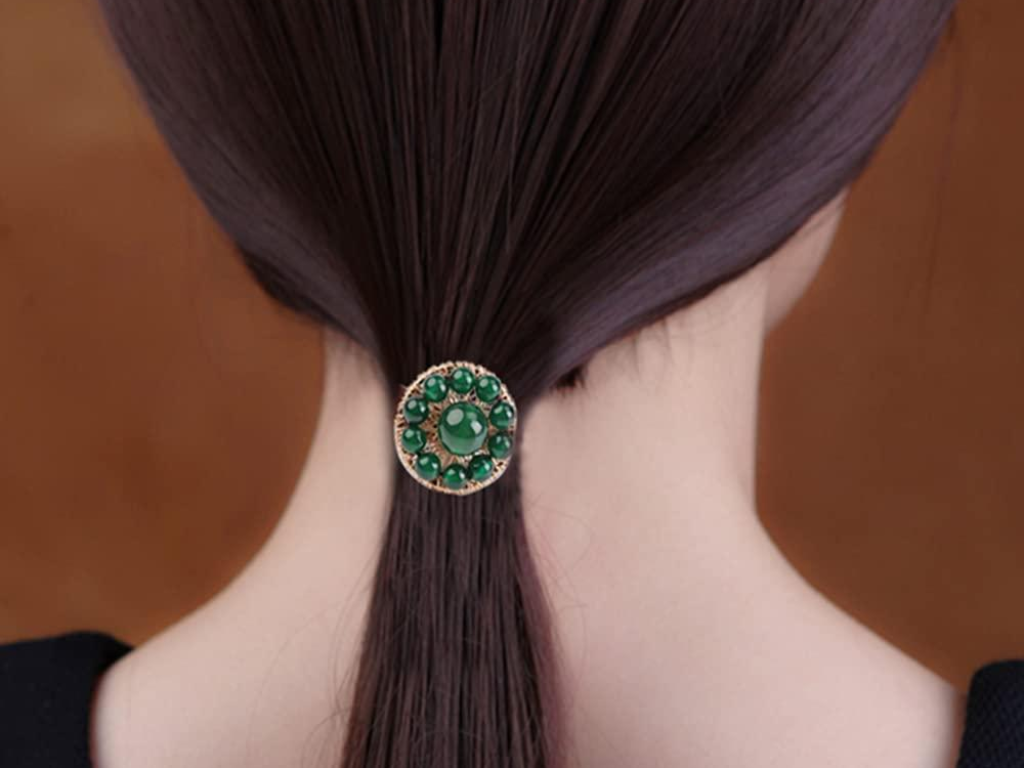
Keeping the hair long and natural while adorning it with jade combs, butterfly clips, or carved barrettes enhances its purity and elegance. This timeless look signifies modesty, spiritual harmony, and classical beauty. A Chinese hairstyles simple yet graceful style for daily Hanfu wear or personal rituals.
26. Fahua Ji
The Fahua Ji takes inspiration from flower petals, arranging the hair into circular floral patterns that resemble blooming buds. This style exudes femininity, prosperity, and grace. It is commonly seen in festive ceremonies, temple offerings, and ancient-style weddings.
27. Double Loop Bun
This graceful bridal favorite features two circular loops on either side of the head, forming a balanced and majestic profile. Often decorated with lace, pearls, or silk flowers, it’s ideal for traditional weddings, betrothal ceremonies, or heritage photoshoots.
28. Yun Ji
Yun Ji, or “cloud bun,” involves soft, rolling techniques to create a gentle, floating effect. The design mimics drifting clouds across the sky and represents freedom, peace, and dreams. A poetic and artistic style suited for dancers, storytellers, and Hanfu lovers.
29. Tang Dynasty Flower Hair Bun
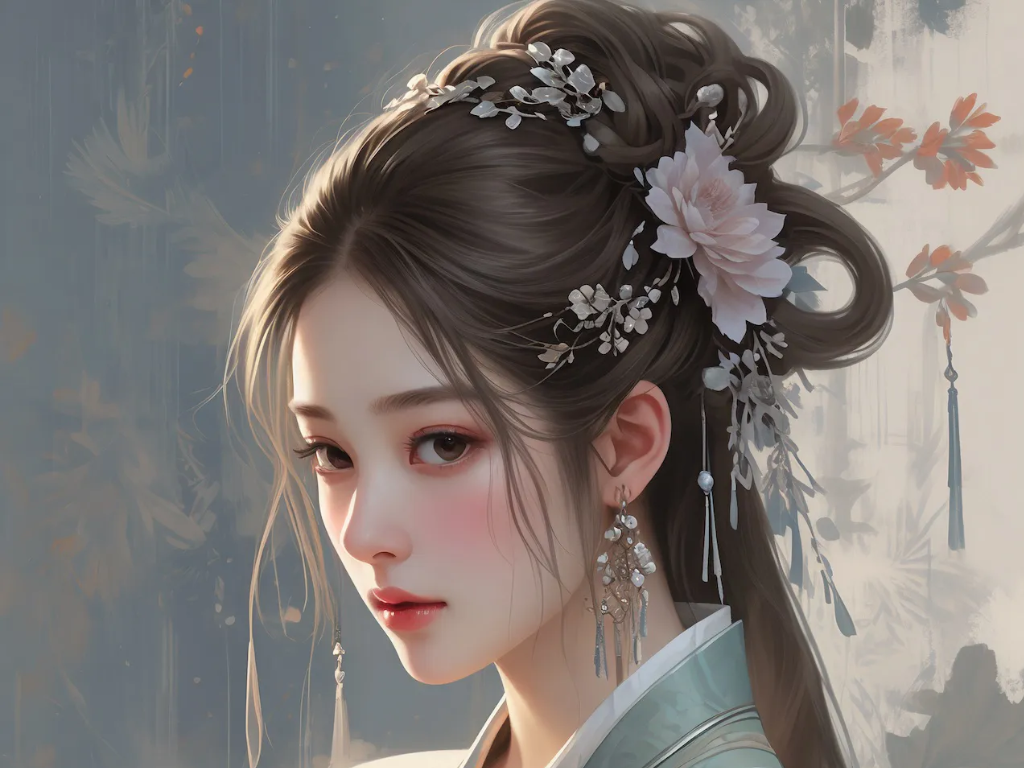
This extravagant bun includes artificial or real flowers arranged around a tall updo. It celebrates the beauty ideals of the Tang Dynasty-bold, bright, and luxurious. Often worn for dance and costume events.
30. Flying Swallow Style
Styled to mimic a swallow mid-flight, this dynamic and visually striking hairstyle features angular twists and sweeping side sections that evoke the elegant movement of a bird in motion. The design symbolizes agility, speed, and freedom-qualities deeply admired in Chinese folklore and mythology.
31. Silk Ribbon Braids
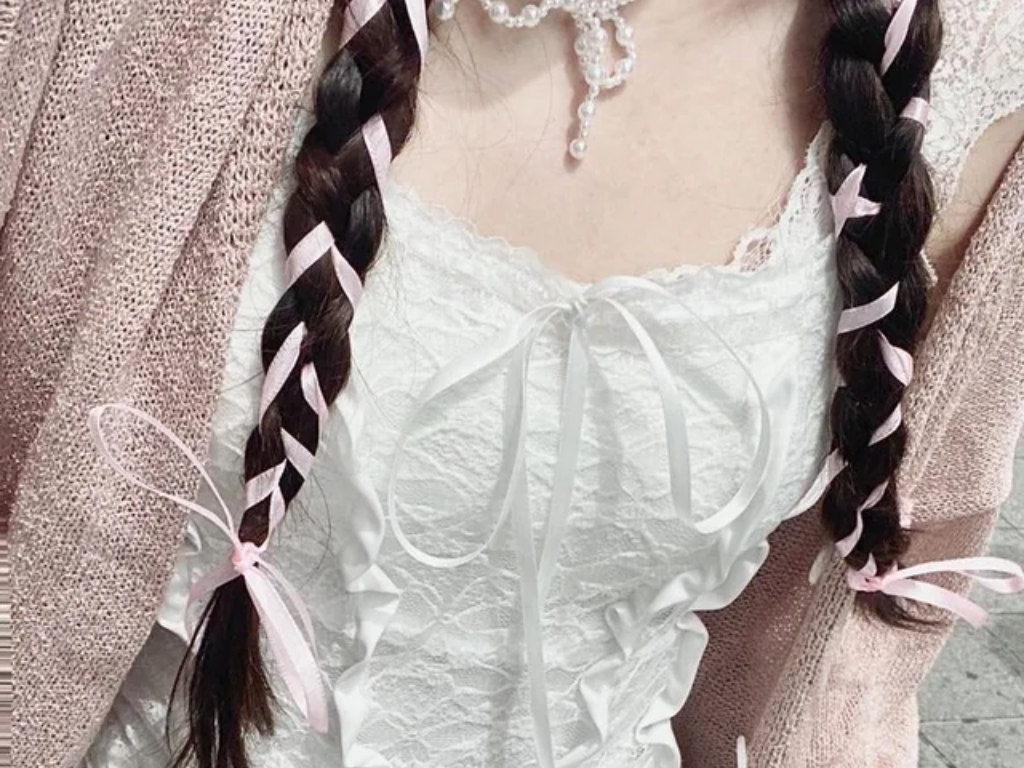
Braids interwoven with colorful silk ribbons add a festive and eye-catching charm to any look, making the hair come alive with texture and color. Traditionally worn during folk dances, New Year festivals, or coming-of-age ceremonies, these ribbon braids bring a sense of joyful movement and cultural pride.
32. Xiao Ji
Xiao Ji is a modest low bun worn at the nape of the neck, embodying simplicity and grace. Common among scholars or literary women in ancient times, it reflects intellect, inner calm, and a contemplative lifestyle. This style is ideal for minimal, elegant presentations or performances with a poetic or academic theme.
33. Qipao-Inspired Updo
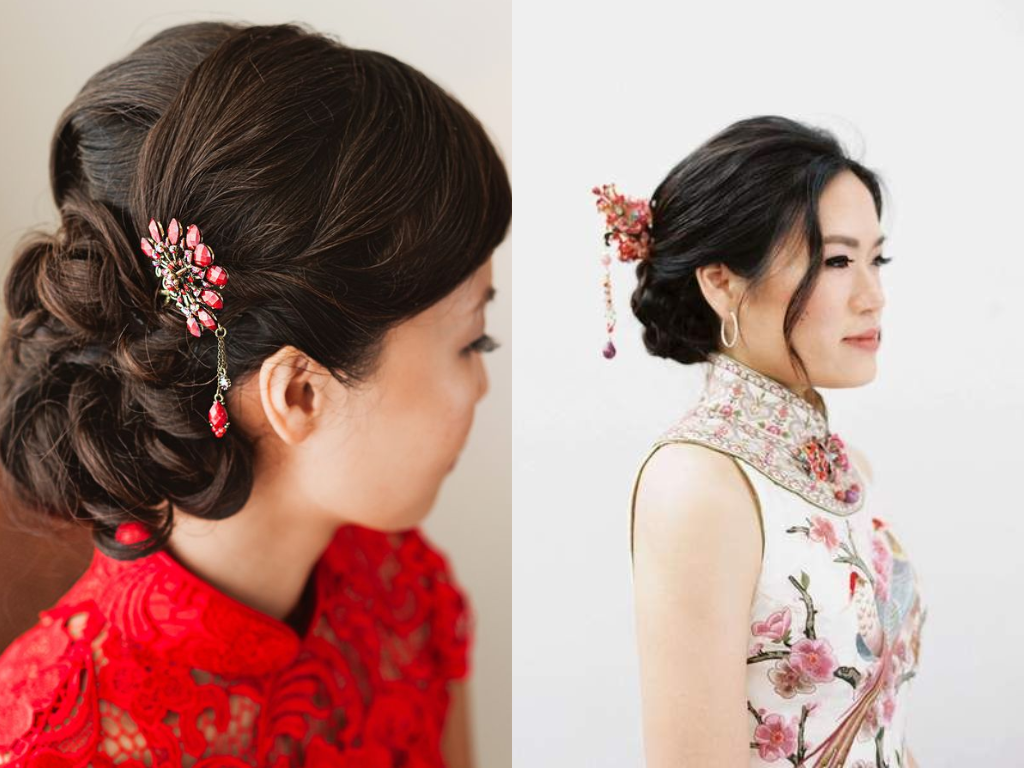
A sleek and structured updo tailored for the modern Chinese hairstyles Qipao dress, often decorated with pearl, jade, or gold accents. This hairstyle blends tradition with modern fashion sophistication, making it a refined choice for banquets, weddings, red carpet events, or contemporary Han-Chinese fashion statements.
>> Read more: Gorgeous Half Up Half Down Hairstyles Weave
Govihair – Your Trusted Source for Chinese-Inspired Hairstyles in 2025
If you’re inspired to recreate these elegant Chinese hairstyles, having the right hair is essential – and that’s where Govihair comes in. As a trusted Vietnamese hair supplier, Govihair provides 100% raw, high-quality human hair that blends beautifully with both traditional and modern styles.
Whether you’re looking to achieve the volume of a Tang Dynasty bun or the softness of silk ribbon braids, Govihair’s natural hair extensions, clip-ins, and wefts offer durability, shine, and versatility. With minimal processing and a commitment to quality, Govihair wigs can be styled, curled, and braided just like your own hair – making them the perfect match for intricate Chinese hairstyles in 2025 and beyond.
Get your perfect bangs look now with Govihair:
- WhatsApp: (+84) 795 746 986
- Email: [email protected]
- Website: govihair.com
- Instagram: @govihair_factory
- Facebook: Govihair – Vietnamese Hair Factory
FAQs About Chinese Hairstyles
1. What are traditional Chinese hairstyles called?
Traditional Chinese hairstyles don’t have one single name but are often categorized by dynasty or cultural context, such as Han dynasty hairstyles, Tang dynasty hairstyles, Ming dynasty hairstyles, and Qing dynasty styles. Many are associated with Hanfu hairstyles and historical Chinese fashion.
2. What is the most iconic traditional Chinese hairstyle?
One of the most iconic styles is the high bun (Chinese hair bun), often worn with hairpins, jade clips, or floral accessories. This style symbolized elegance, social status, and femininity in ancient China.
3. What hairstyles did women wear in ancient China?
Women in ancient China commonly wore elaborate buns, braided updos, looped hairstyles, and coiled hair arrangements. The complexity of the hairstyle often reflected age, marital status, and social rank.
4. What is the significance of hair in Chinese culture?
In traditional Chinese culture, hair was considered a gift from one’s parents and cutting it was discouraged. Hairstyles symbolized respect, maturity, identity, and moral values, especially in Confucian society.
5. What is a Hanfu hairstyle?
A Hanfu hairstyle refers to traditional hairstyles worn with Hanfu clothing, typically featuring center-parted hair, smooth buns, decorative pins, tassels, and ribbons. These hairstyles are popular today in historical reenactments and cultural festivals.
Conclusion
Chinese hairstyles have always been more than just trends – they are expressions of cultural identity, artistry, and history. From the regal Gao Ji of ancient royalty to the delicate Silk Ribbon Braids or bold Flying Swallow Style, each style carries a story that transcends time. Today, these timeless designs are being revived and reimagined by hairstylists and fashion lovers alike, proving that Chinese hairstyles are as relevant in the modern world as they were in dynasties past.


 Ms. Rosie