

Many people with thin, weak, or damaged hair dream of instant length and volume. For them, extensions often seem like a lifesaver. However, not all types of damaged hair are suitable, and choosing the right method is the key to avoiding further harm. With Govihair, you can explore a wide range of safe, lightweight, and natural-looking hair extensions for damaged hair designed to transform your look without compromising your hair’s health.
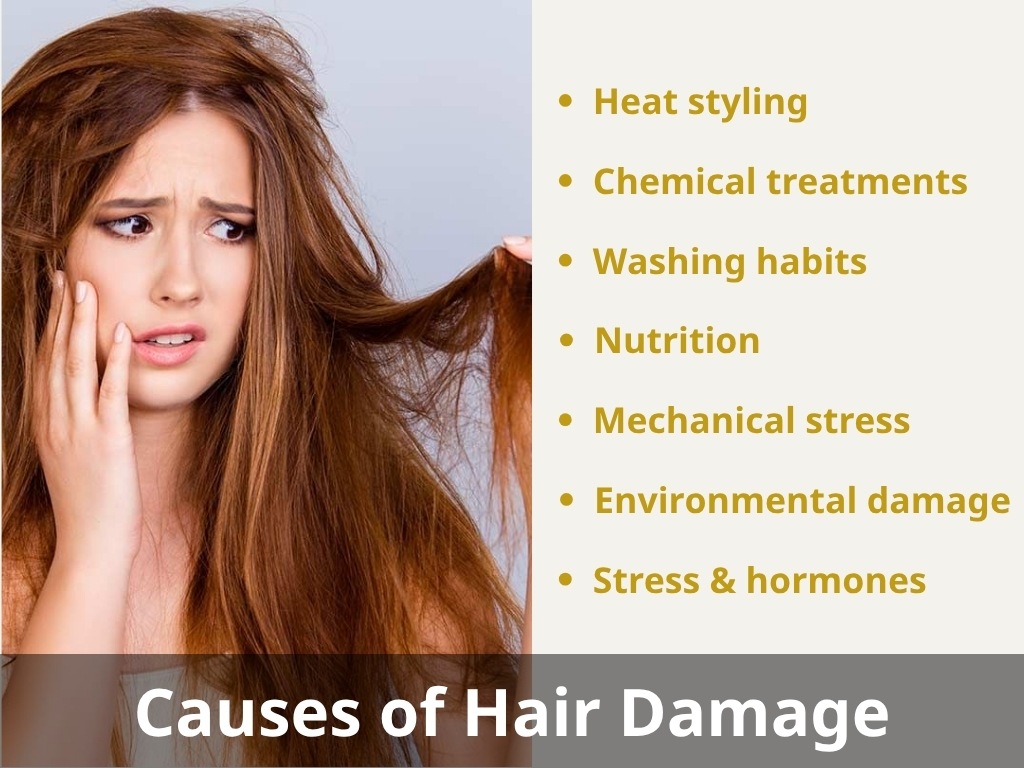
Causes of Hair Damage You Need to Know
1. Excessive Heat Styling
This is the most common cause of “fried” hair. High temperatures from flat irons, curling wands, and even blow dryers can literally melt the keratin proteins in your hair and cause the protective cuticle to lift and crack.
- The Damage: Split ends, a “crunchy” texture, and hair that won’t hold a curl.
- The Fix: Never skip a heat protectant spray and try to keep your tools under 180°C (350°F).
2. Chemical Over-Processing
Bleaching, perming, and chemical relaxers work by breaking the internal bonds of your hair to change its color or shape. If done too frequently—or by someone who isn’t a pro—the hair becomes “porous,” meaning it loses moisture as fast as it takes it in.
- The Damage: Gummy or stretchy hair when wet, and extreme breakage.
- The Fix: Space out your highlight appointments and incorporate bond-building treatments (like Olaplex or K18).
3. Mechanical Stress (Physical Damage)
This is damage caused by how you handle your hair daily. Aggressive brushing, tight hairstyles (like high ponytails), and even sleeping on rough cotton pillowcases create friction that snaps the hair shaft.
- The Damage: “Baby hairs” that are actually broken strands around the hairline or crown.
- The Fix: Use a silk or satin pillowcase and switch to a wide-tooth comb or a dedicated detangling brush when hair is wet.
Can You Put Hair Extensions in Damaged Hair?
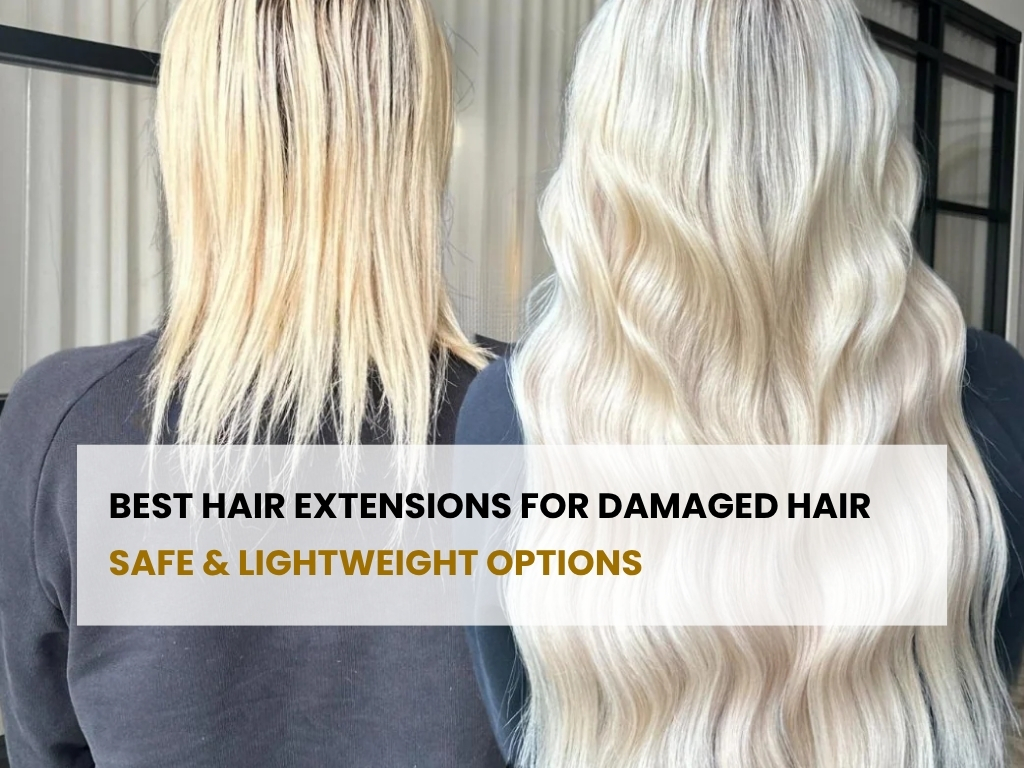
Mild damage doesn’t have to stop you. If your strands are just a little stressed, you can still enjoy the magic of extensions – when done with care. With the right products and a stylist’s gentle touch, fuller, bouncier hair is completely possible without adding extra strain.
Severe damage calls for patience. When hair is fragile, rushing into extensions can backfire, causing more breakage or delaying recovery. Sometimes, giving your natural hair time to heal is the most beautiful choice you can make.
A stylist’s eye makes all the difference. Every woman’s hair tells a different story. That’s why a professional consultation matters, they’ll read your hair’s condition and match you with the safest, most flattering extension option.
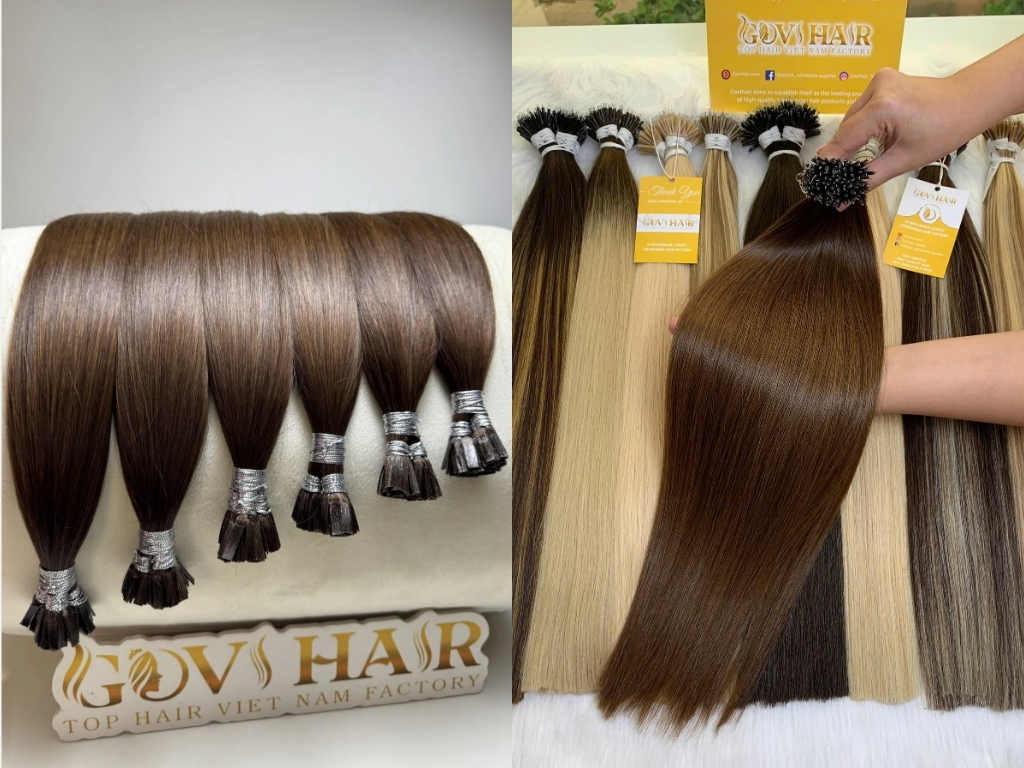
Best Hair Extensions for Damaged Hair
When your hair is fragile, every choice matters. Picking the right extensions isn’t just about beauty, it’s about healing confidence while protecting what’s left of your natural strands. That’s why the best extensions for damaged hair are always the ones that feel light, gentle, and non-invasive.
The goal for damaged hair is low tension and lightweight attachments. Here is a breakdown of the best options to help your natural hair recover while still looking your best.
The Safest Bet: Halo Extensions
If your hair is severely damaged or breaking, a Halo is the gold standard. It doesn’t attach to your hair at all; instead, it sits on your head like a headband, secured by a thin, invisible wire. Your natural hair is then combed over the top to hide the wire.
- Why it works: Zero tension on the roots.
- Best for: Extremely thin, brittle, or chemically fried hair.
The Professional Choice: Tape-In Extensions
For a semi-permanent option, tape-ins are often recommended for damaged hair because the “sandwich” method distributes the weight of the extension across a wide 4cm section of your natural hair.
- Why it works: They lie incredibly flat and don’t use heavy beads or tight braids.
- Caveat: You must have a professional remove them with the proper solvent to avoid “yanking” on your fragile strands.
The Customizable Option: Micro-K-Tips (Fusion)
Standard K-Tips might be too heavy, but a skilled stylist can perform “micro-bonding.” This involves cutting the keratin bond in half (or thirds) to attach a very tiny, lightweight strand of extension hair to your natural hair.
-
Why it works: Keratin is a natural protein already found in your hair. When applied in “micro” amounts, it provides 360-degree movement without the tugging associated with clips or rings.
Methods to Avoid if Your Hair is Damaged
- Traditional Sew-Ins: The tight braiding (cornrows) required for a sew-in can be too much stress for weak follicles.
- Cheap Clip-Ins: If the clips are heavy or the hair is low-quality, the constant “snapping” and weight can cause “bald spots” where the clips sit.
- Standard I-Tips (Beaded): The copper or aluminum beads can sometimes crimp or “shear” through fragile, processed hair.
| Method | Damage Level | Maintenance | Best Feature |
| Halo | Zero | Daily (DIY) | No attachment to natural hair |
| Tape-Ins | Very Low | 6–8 Weeks | Flat, comfortable, and discreet |
| Micro K-Tips | Low | 3–5 Months | Most natural movement |
With GOVIHAIR, every extension is designed not just for beauty, but for protection and confidence. Because even when your natural hair is in recovery, you still deserve to feel glamorous, feminine, and unstoppable.
FAQs about Hair Extensions for Damaged Hair
1. Can I wear extensions if my hair is already damaged?
Yes, but with caution. You should only apply extensions if your hair is strong enough to hold the weight. If your hair is currently “mushy” from over-bleaching or falling out at the root, you should wait. However, if you have localized breakage or thinning, extensions can be a great “protective” way to let your natural hair grow out while maintaining your look.
2. What is the safest extension method for damaged hair?
The most recommended methods for fragile hair are:
- Tape-In Extensions: These distribute the weight across a wider section of hair, reducing the “pull” on individual strands.
- Hand-Tied Wefts: These are incredibly thin and lightweight, putting minimal tension on the scalp.
- Halo Extensions: The safest overall because they don’t attach to your hair at all—they sit on a transparent wire on your head.
3. Should I avoid Clip-In extensions if my hair is brittle?
Generally, yes. Standard clip-ins can be heavy and the metal clips can cause “traction alopecia” (thinning) if worn daily on fragile hair. If you must use them, only wear them for short periods and never sleep in them.
4. How do I prevent extensions from causing more breakage?
- Don’t go too long: Avoid 24+ inch lengths. The heavier the extension, the more stress it puts on your natural roots.
- Professional install only: Never DIY extensions on damaged hair. A professional will know exactly how much “anchor hair” is needed to support the weight.
- Avoid high heat: Since your natural hair is already compromised, keep your styling tools below 350°F (180°C) and always use a heat protectant.
5. Can extensions help my natural hair grow back?
They can act as a “physical barrier”. Many people find that having extensions stops them from over-styling, over-brushing, or constantly touching their natural hair, which allows the natural hair to grow undisturbed underneath. This is often called a “hair growth journey” using extensions.
6. How often should I “move up” my extensions if my hair is weak?
For damaged hair, you should get maintenance appointments every 5 to 7 weeks. Waiting too long (10+ weeks) causes the extension to hang on too few strands of natural hair as it grows out, which can lead to snapping and more damage.
Ready to Transform Your Damaged Hair with Extensions?
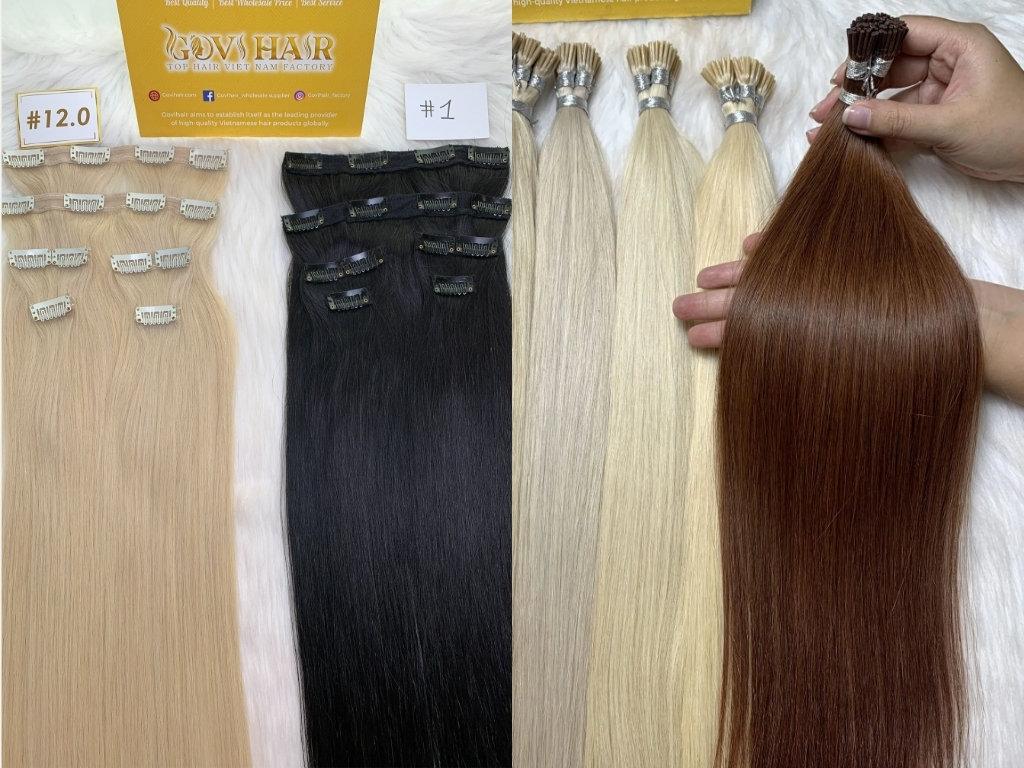
At GOVIHAIR, you will find a diverse collection designed for every need. Options include Feather Hair, Bulk Hair, Tip Hair (I-tip, U-tip, V-tip), Tape-in, Clip-in, Ponytail, Nanoring, and Genius Weft. Each product is crafted from 100% real Vietnamese human hair, ensuring softness, durability, and natural beauty.
What makes GOVIHAIR unique is the balance between quality and safety. Customers around the world, from Europe and the US to Africa, trust GOVIHAIR for hair extensions that look luxurious yet remain gentle on natural strands.
Dealing with thin or weak strands does not mean giving up on beautiful hairstyles. With GOVIHAIR, you can enjoy safe, premium-quality solutions tailored to fragile hair. Professional advice ensures your natural strands are protected, while the right products give you the glamorous length and volume you’ve been dreaming of.
Explore GOVIHAIR’s collection of hair extensions for damaged hair today, whether you choose Clip-in, Feather Hair, or Genius Weft, your transformation begins here.
Chat With Us:
- WhatsApp: (+84) 795 746 986
- Email: [email protected]
- Instagram: govihair_vietnamhair_factory
- TikTok: govihairvietnam_official
- Website: govihair.com


 Ms. Jade