

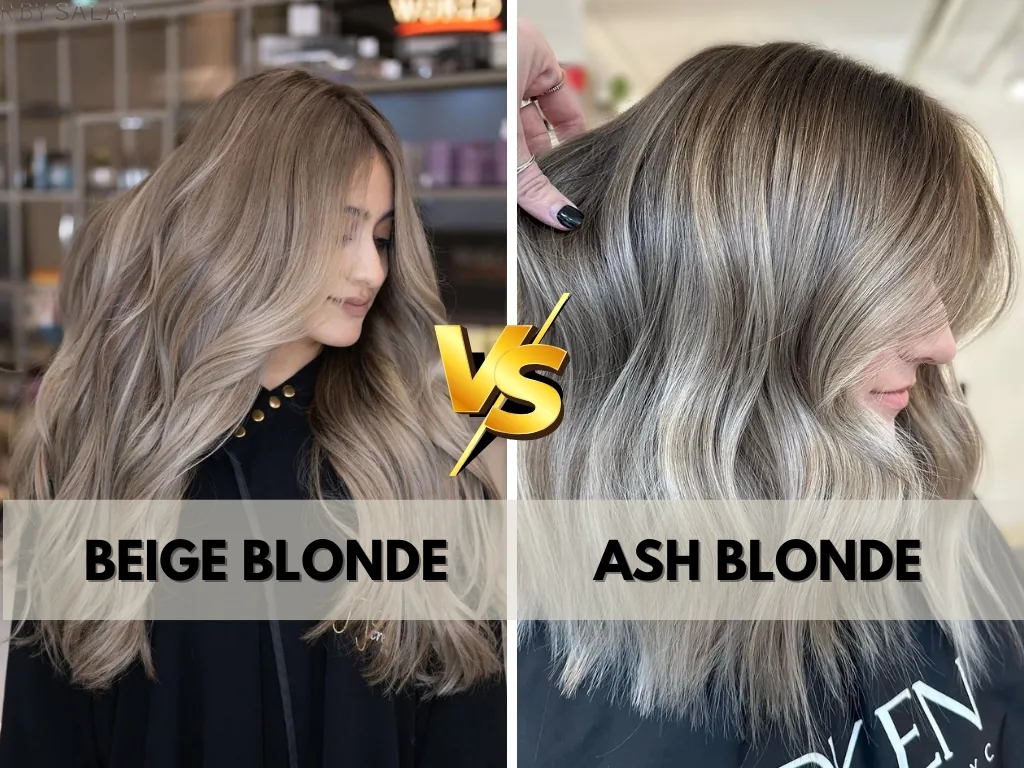
You walk into the salon with a photo, but your stylist asks about undertones, maintenance, and fading. Two of the most popular yet frequently confused shades are beige blonde vs ash blonde. While they may look similar at a glance, the difference between beige blonde and ash blonde hair color is significant. Whether you want a sun-kissed glow or a cool, edgy vibe, knowing these shade nuances helps you avoid hair mishaps. Let’s dive into Govihair’s ultimate comparison to find your dream color.
What Is Beige Blonde Hair?
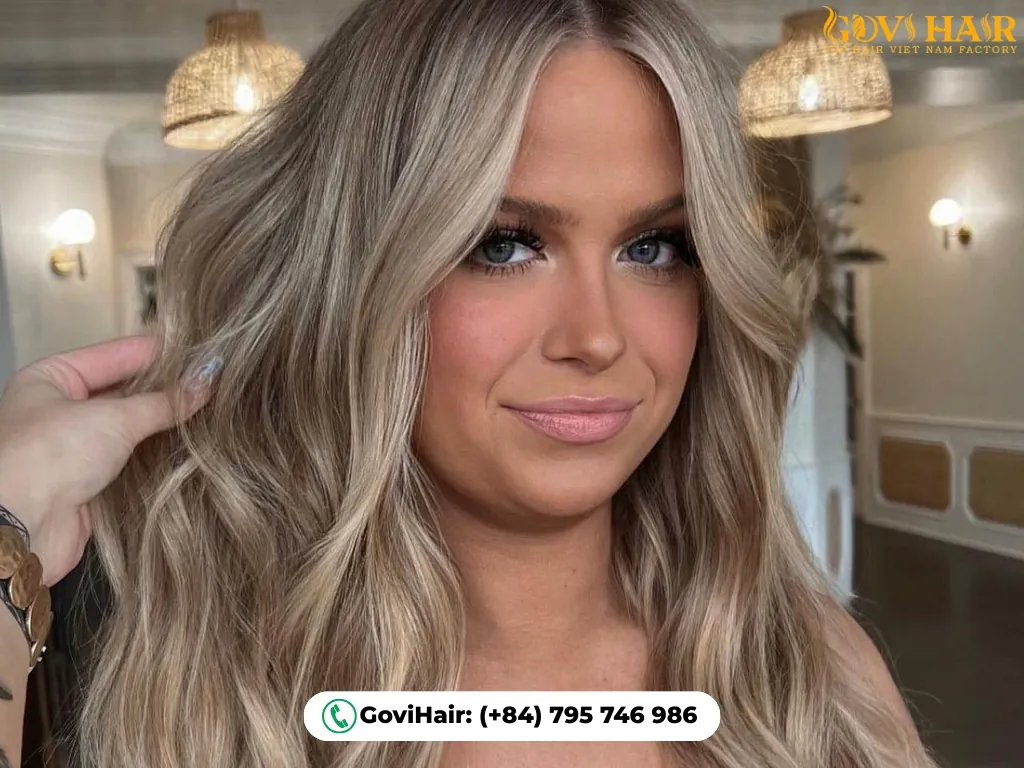
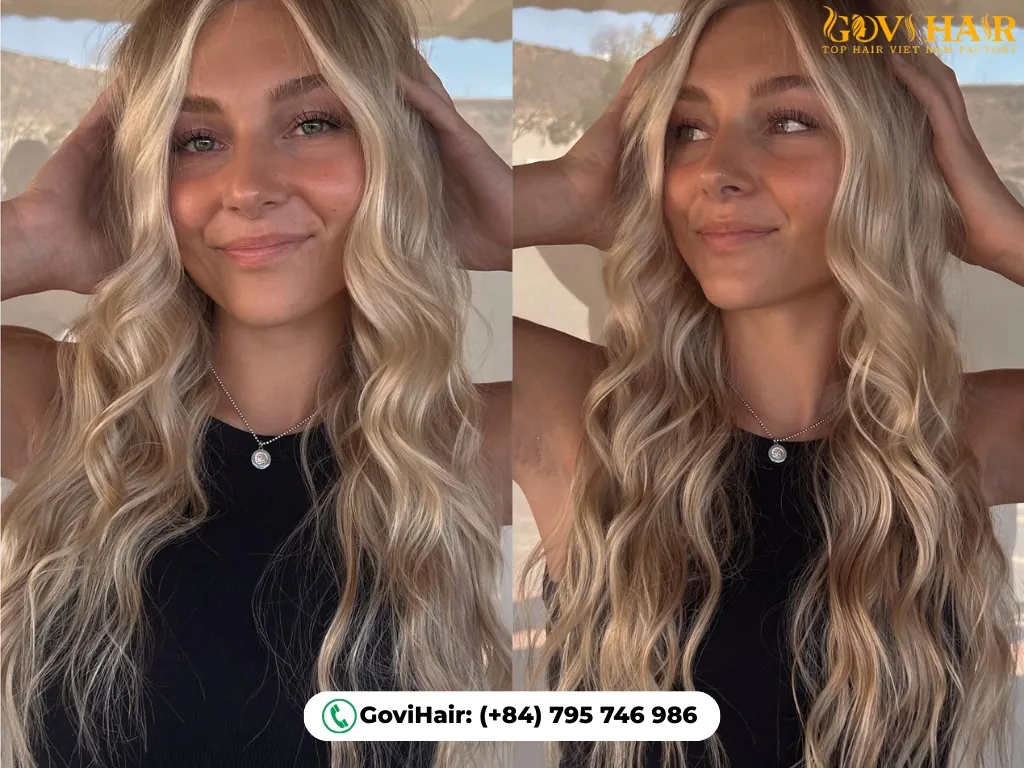
Beige blonde is often described as the “perfect neutral.” It is neither too warm nor too cool. Think of the color of sand, wheat, or champagne. The beige blonde undertone typically consists of a balanced mix of cool violet and warm gold pigments. This combination cancels out unwanted brassiness while retaining a natural luminosity, making it an incredibly versatile choice for various complexions.
What Is Ash Blonde Hair?
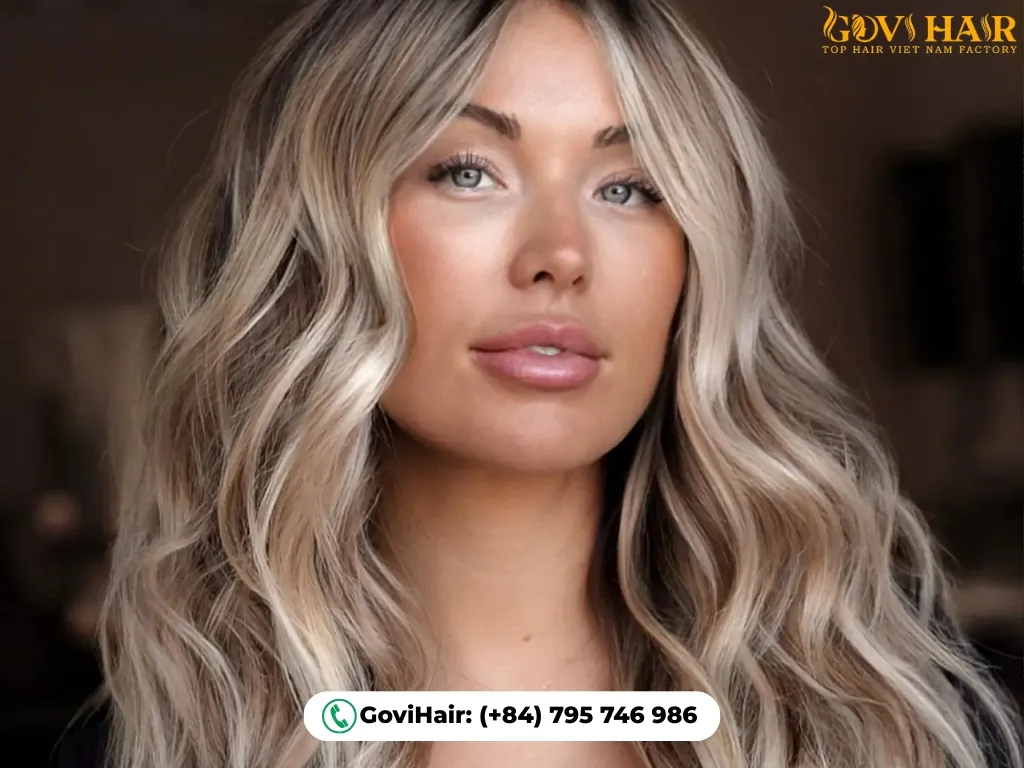
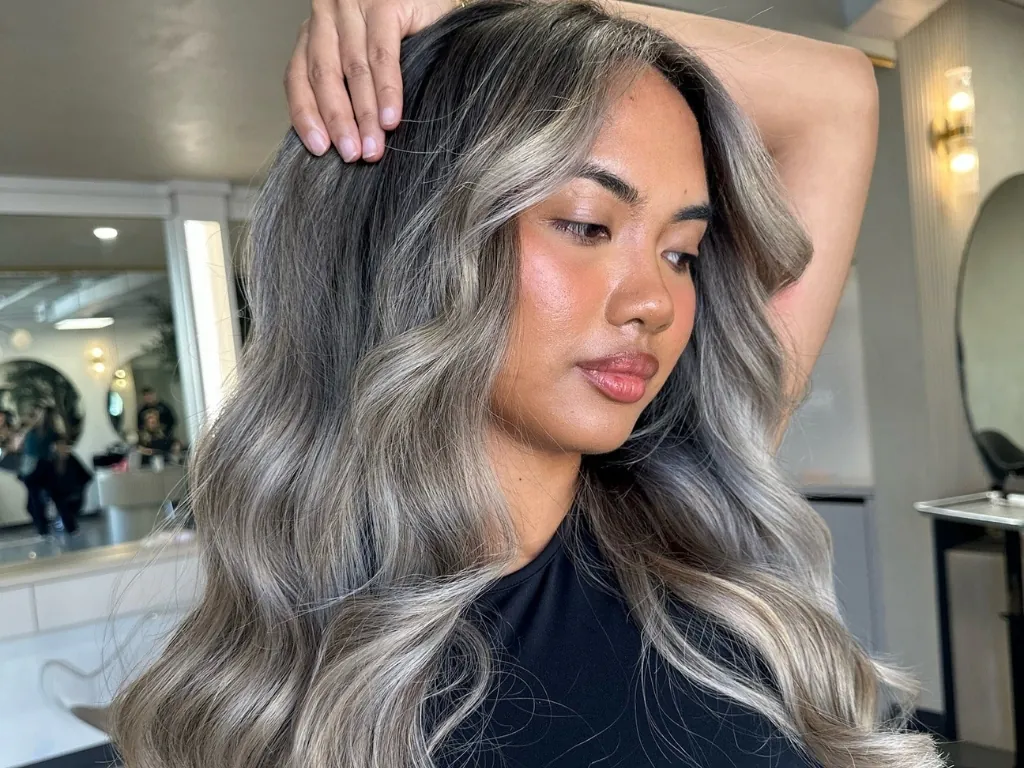
Ash blonde hair color is the definition of a cool-toned classic. It sits strictly on the cool side of the spectrum with heavy influences of blue, green, and gray pigments. The ash blonde undertone is designed to neutralize orange and red tones in the hair, creating a smoky, matte finish. It is less reflective than beige but offers a chic, modern, and sometimes silver-like appearance.
Beige Blonde vs Ash Blonde: What Do They Look Like?
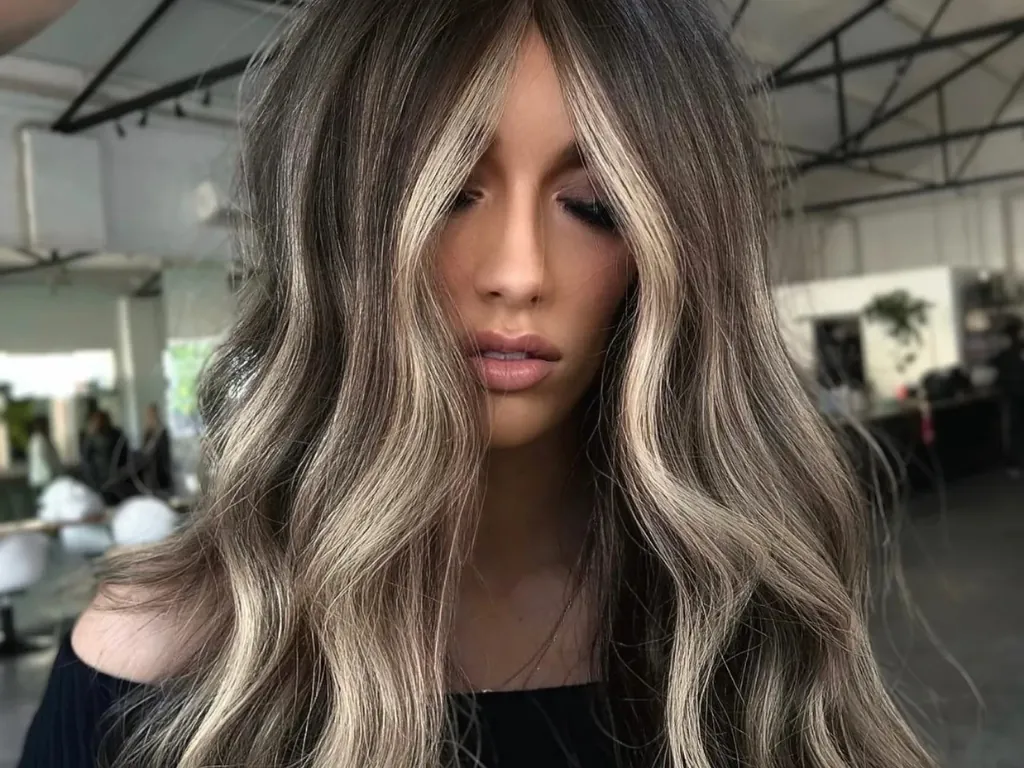
When exploring hair color options, understanding the beige vs ash blonde appearance is key. Beige blonde offers a warm, soft glow that flatters many skin tones, while ash blonde delivers a cooler, smoky finish with a modern edge. Seeing the subtle differences helps you decide which shade best complements your style and personality.
Beige Blonde -The “Natural” Radiance
This shade mimics the most flattering version of natural blonde hair. It feels warm and inviting without being “brassy” or orange.
- The Palette: A balanced blend of pale yellow and light brown, creating a neutral “Nude” tone.
- Visual Reference: Think of wet beach sand, Champagne, wheat fields, or buttercream.
- Texture & Finish: Glossy & Smooth. Beige blonde reflects light excellently, giving the hair a shiny, healthy, and multidimensional appearance.
Ash Blonde – The “Cool” Ediness
This is a high-fashion shade that deliberately eliminates all warm pigments (red/orange/yellow), resulting in a striking, modern look.
- The Palette: Blonde overlaid with cool pigments like grey, blue, or violet to mute any warmth.
- Visual Reference: Think of smoke, silver, cold metal, or mist.
- Texture & Finish: Matte & Muted. Ash blonde tends to absorb light rather than reflect it. This creates a “dusty,” soft-focus effect that looks very chic and distinctively “Western.”
Core Visual Differences
| Feature | Beige Blonde | Ash Blonde |
| Tone | Neutral-Warm (Creamy) | Strictly Cool (Icy) |
| Finish | Shiny / Glossy | Matte / Flat |
| Vibe | Natural, Soft, Luxurious | Edgy, Modern, Sharp |
Key Differences Between Beige Blonde and Ash Blonde
While these two shades might look similar under certain filters on Instagram, they behave very differently in real life. Understanding the technical difference between beige blonde and ash blonde hair color is crucial before you apply any bleach.
Undertone & Base Pigment
The secret lies in the color wheel.
- Beige Blonde: This shade is built on a neutral base. The beige blonde undertone is typically a mix of gold (yellow) and violet. The violet cancels out just enough yellow to stop it from looking brassy, while the gold keeps it luminous and creates a radiant, velvety-soft finish.
- Ash Blonde: This is a strictly cool shade. The ash blonde undertone relies heavily on blue, green, or grey pigments. These cool tones are designed to aggressively neutralize any warmth (red or orange) in the hair, resulting in a muted, smoky finish.
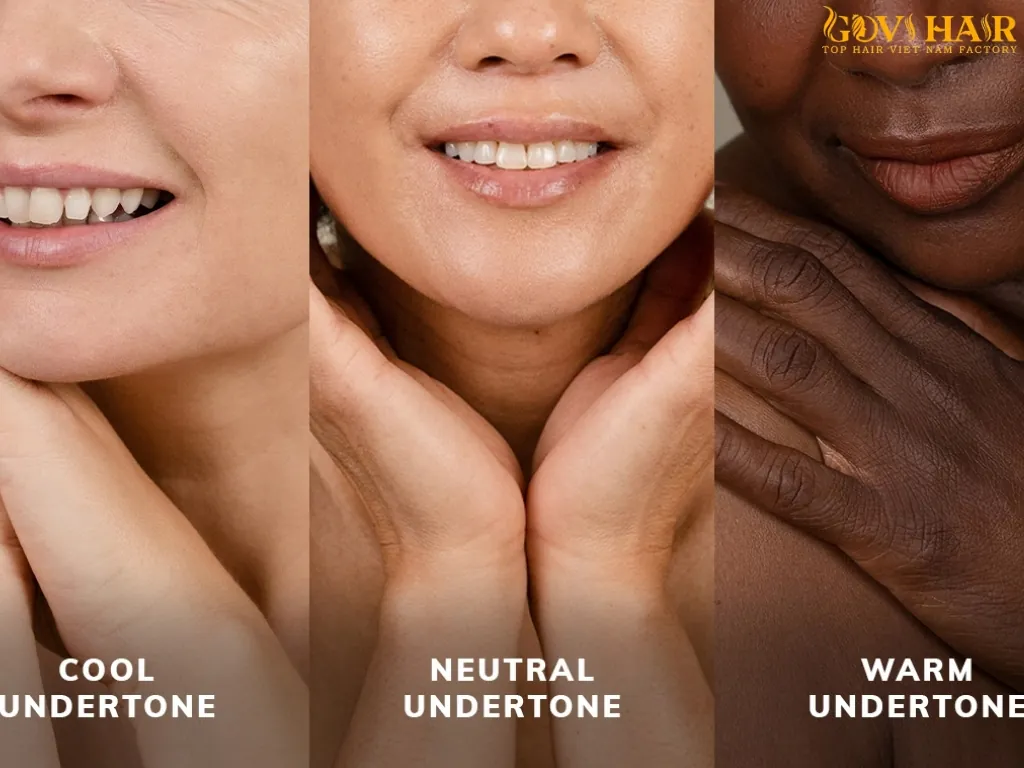
Skin Tones That Each Color Suits Best
Choosing a shade that melts perfectly into your complexion is a crucial step to avoid looking “washed out.”
- Beige Blonde:This is a safer bet that is significantly more flattering to the skin. It is particularly flattering for those wondering about beige blonde vs ash blonde for warm skin tone. If you have golden, olive, or tan skin, the warmth in beige blonde complements your glow without making you look sallow.
- Ash Blonde: This shade works best for people with cool skin tones (pink or blue undertones) or very fair porcelain skin. The icy tones in ash blonde create a stunning contrast. However, if you have warm skin, be careful – ash blonde can sometimes make your complexion look slightly green or dull.
Maintenance Levels
When comparing ash blonde vs beige blonde, maintenance is a major deciding factor.
- Ash Blonde (High Maintenance): Cool pigments (blue/grey) are smaller molecules and wash out faster than any other color. To keep that icy look, you will need to use purple shampoo weekly and visit the salon for a toner refresh every 4–6 weeks.
- Beige Blonde (Medium Maintenance): Because beige contains some warm gold tones (which are naturally present in bleached hair), it requires less fighting against nature. It holds tone longer and doesn’t turn “muddy” as easily as ash shades.
How They Fade Over Time
Every blonde fades, but the beige blonde vs ash blonde fading process review reveals two very different outcomes:
- Ash Blonde: Fades to yellow. Once the cool blue/grey toner washes out, you are often left with the raw, brassy yellow of the bleached hair underneath.
- Beige Blonde: Fades to a sandy blonde. Since it already embraces a “nude” warmth, the fading process is much softer and less noticeable. It tends to just get slightly lighter and warmer, rather than turning an unwanted color.
Styling & Lighting Effects (Warm vs Cool Effect)
The way these colors interact with light changes how they look in photos and real life.
- Beige Blonde: Reflects light. If you ask beige blonde warm or cool, it leans neutral-warm, which gives it a shiny, glossy finish. It adds dimension to curls and makes thin hair look healthier.
- Ash Blonde: Absorbs light. Cool blonde shades often have a matte, flat finish. This creates a modern, edgy, and velvety texture that looks incredible in editorial photography but can look darker indoors.
Read more: Ash Blonde vs Platinum Blonde: Which Hair Color Suits You Best?
Pros & Cons of Beige Blonde Hair
Beige blonde is often considered the “sweet spot” of hair colors—versatile, radiant, and incredibly wearable. But is it perfect?
Pros
- Universally Flattering: This is a forgiving shade that instantly brightens and refreshes your face. It suits almost every skin tone, from pale to deep.
- Looks Healthier: Because it reflects light rather than absorbing it, beige blonde tends to mask split ends and gives the hair a glossy, voluminous appearance.
- Easier Grow-Out: The warmer, neutral base blends more seamlessly with natural dark roots, making regrowth less harsh than stark icy shades.
- Lower Maintenance: It harmonizes with your natural base, meaning your color stays longer.
Cons
- Can Lean Too Yellow: If not toned correctly by a professional, it can cross the line from “creamy beige” to “brassy yellow” quickly.
- Less “Edgy”: For those seeking a high-contrast, dramatic transformation, beige might feel too “safe” or traditional.
Best For
- Clients with warm skin tones who want to avoid looking washed out.
- Those who want a low-maintenance blonde that looks good even after 8 weeks.
- Anyone covering grey hair (beige blends with grey better than ash).
Pros & Cons of Ash Blonde Hair
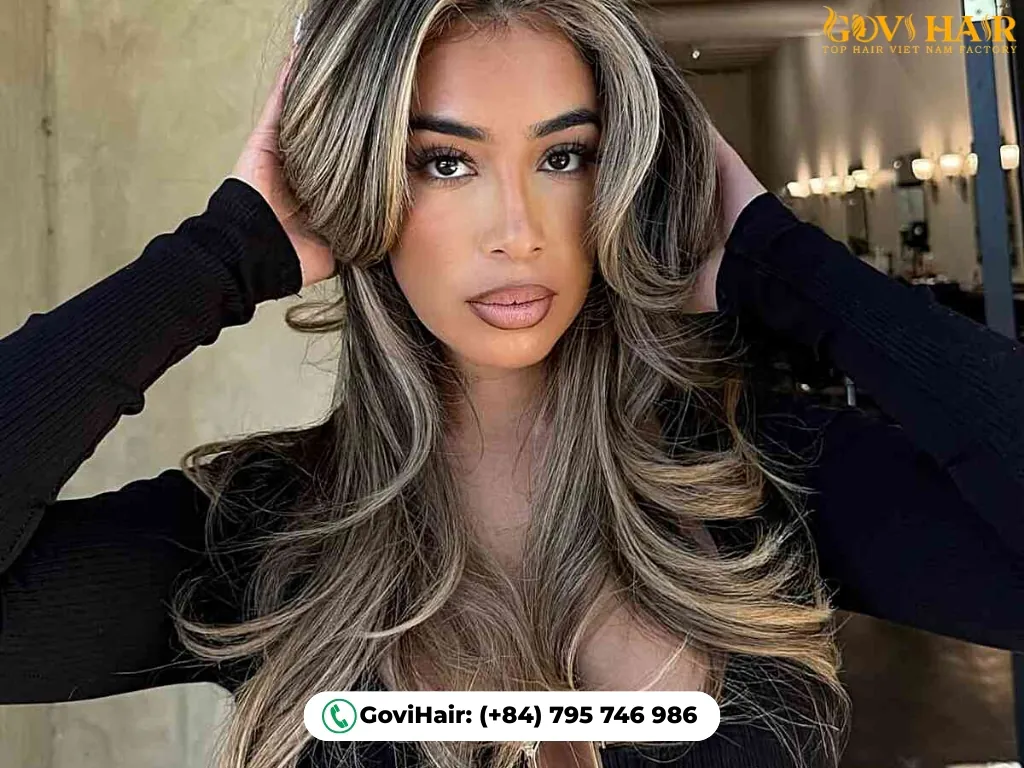
Ash blonde is the “It Girl” color – chic, modern, and striking. However, it requires a serious commitment.
Pros
- Zero Brassiness: It is the ultimate solution for eliminating unwanted red and orange hues.
- High-Fashion Aesthetic: Ash blonde creates a cool, matte finish that looks incredibly sophisticated and editorial.
- Striking Contrast: On cool skin tones, it creates a porcelain effect that makes blue or green eyes pop.
Cons
- Fades Very Fast: The blue molecules responsible for the “ash” look are the first to wash out. Without purple shampoo, the color can look dull within weeks.
- Can Look “Muddy”: If applied to hair that isn’t lightened enough, it can turn a murky green-grey color.
- Requires More Bleaching: To get a true ash, you need a very clean, pale yellow canvas (Level 9-10), which can be stressful on fragile hair.
Best For
- Those with cool skin tones (pink/blue undertones).
- People who are diligent about hair care routines and salon visits.
- Those who prefer a matte, “dusty” finish over a shiny one.
Beige Blonde Hair Color Ideas
Beige blonde is the chameleon of hair colors, ranging from nearly white to a rich, sandy brown. Here are the top trending variations.
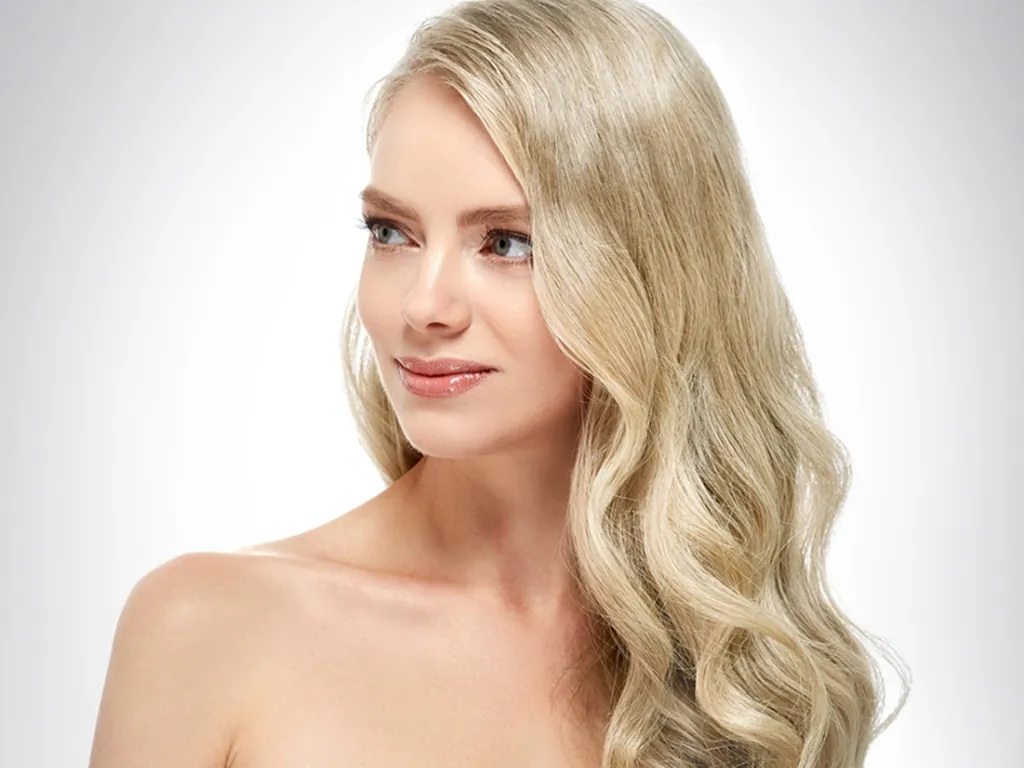
Light Beige Blonde Hairstyle
Think of this as “Scandinavian Chic” – a pale, creamy shade that lacks the harshness of platinum. With its soft, velvety finish, this ethereal color gives off a “born with it” vibe that looks incredible on shorter cuts like bobs or lobs, especially for those with pale to medium skin tones.
Dark Beige Blonde Hair Color
Often referred to as “Bronde” (brown + blonde), this shade sits perfectly on the fence between dark and light. It keeps a darker base but uses beige toner to create an expensive, understated cool-neutral feel, making it the ideal choice for brunettes who want to go lighter without damaging their hair with excessive bleaching.
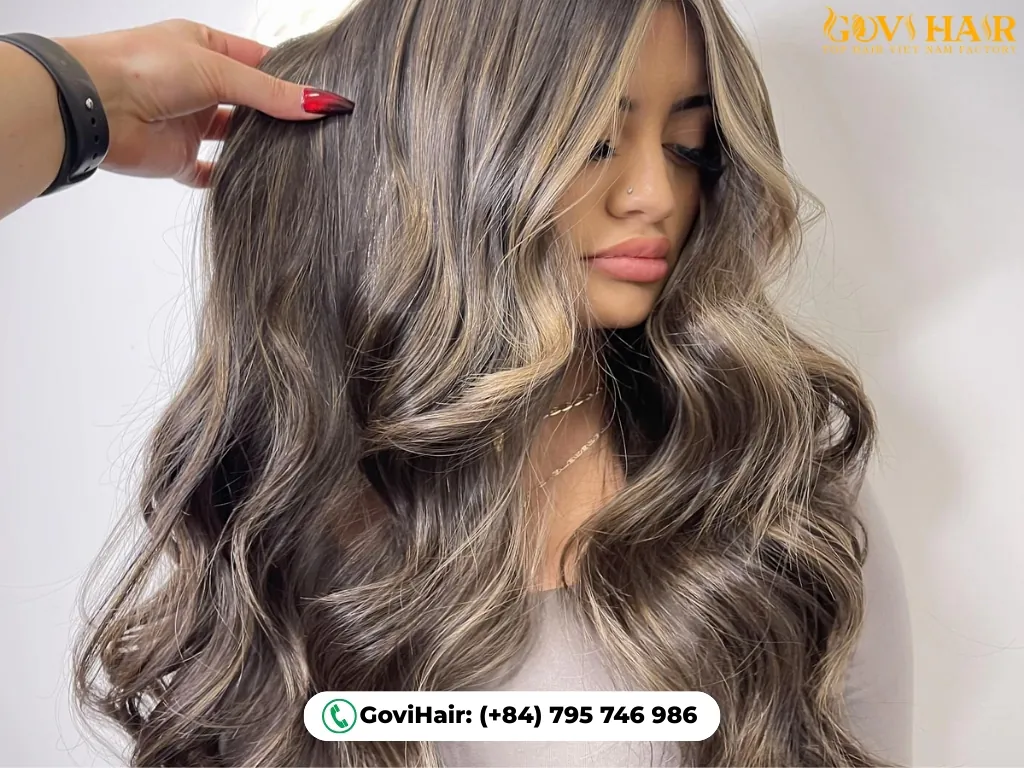
Beige Blonde with Highlights
Instead of a full head of color, beige highlights add sun-kissed dimension to a darker base. The beige tones catch the light effectively, making thin hair appear thicker and more textured. It’s a great way to test the waters if you are still debating the nuances of beige blond vs ash blond.
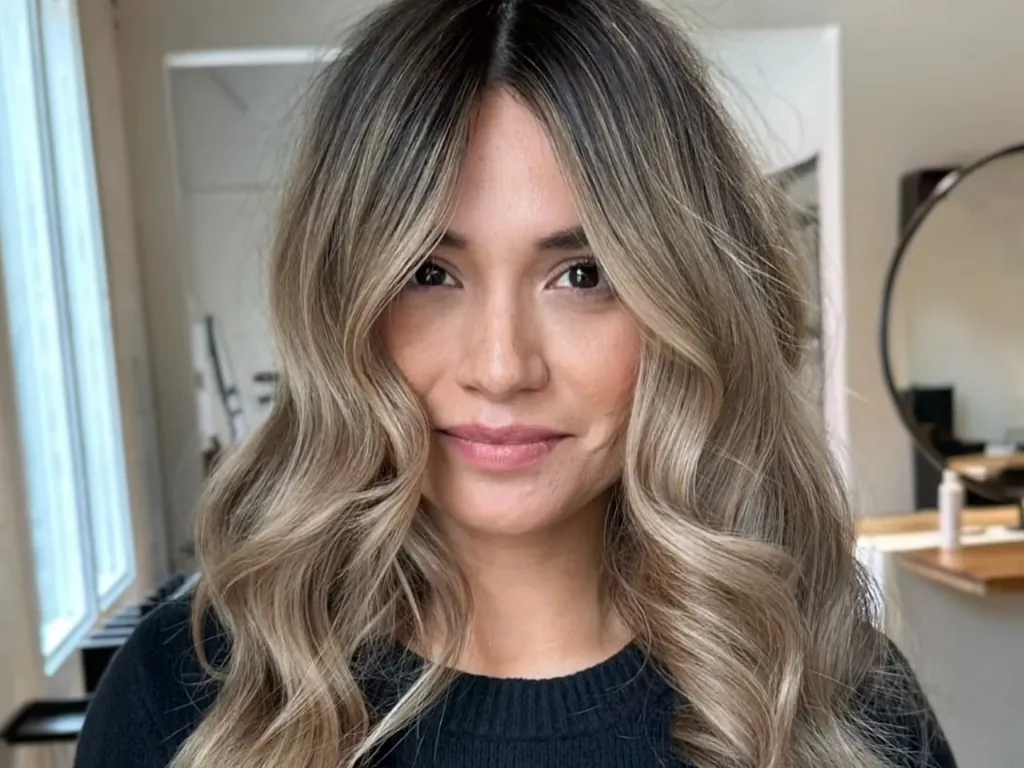
Champagne Beige Blonde
This is the luxurious cousin of standard beige, featuring a very subtle hint of pink or pearl iridescence that mimics the bubbles in a glass of champagne. This sparkling, glamorous shade is perfect for special occasions or anyone wanting a glow-up that feels warm and inviting.
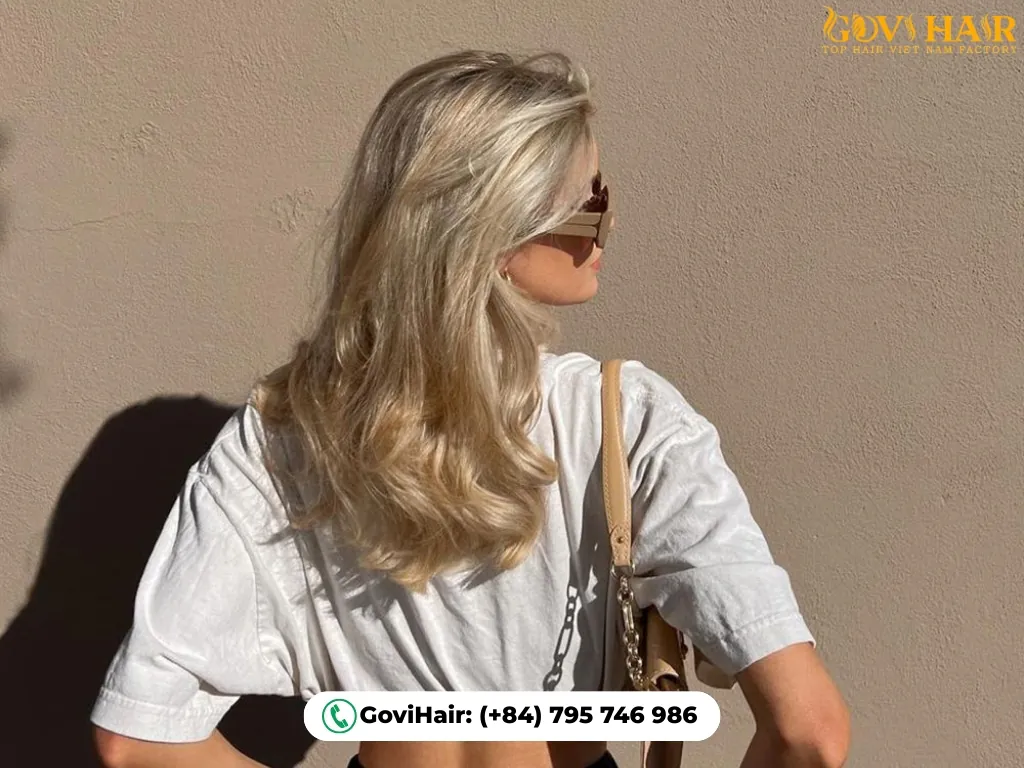
Golden Beige Blonde
While beige is neutral, adding a touch of gold makes it radiant – picture a smooth, buttery shade rather than bright yellow. This shade reflects the most light of all the beige options, creating a healthy glow that is perfect for the summer months or for warming up a sallow complexion.
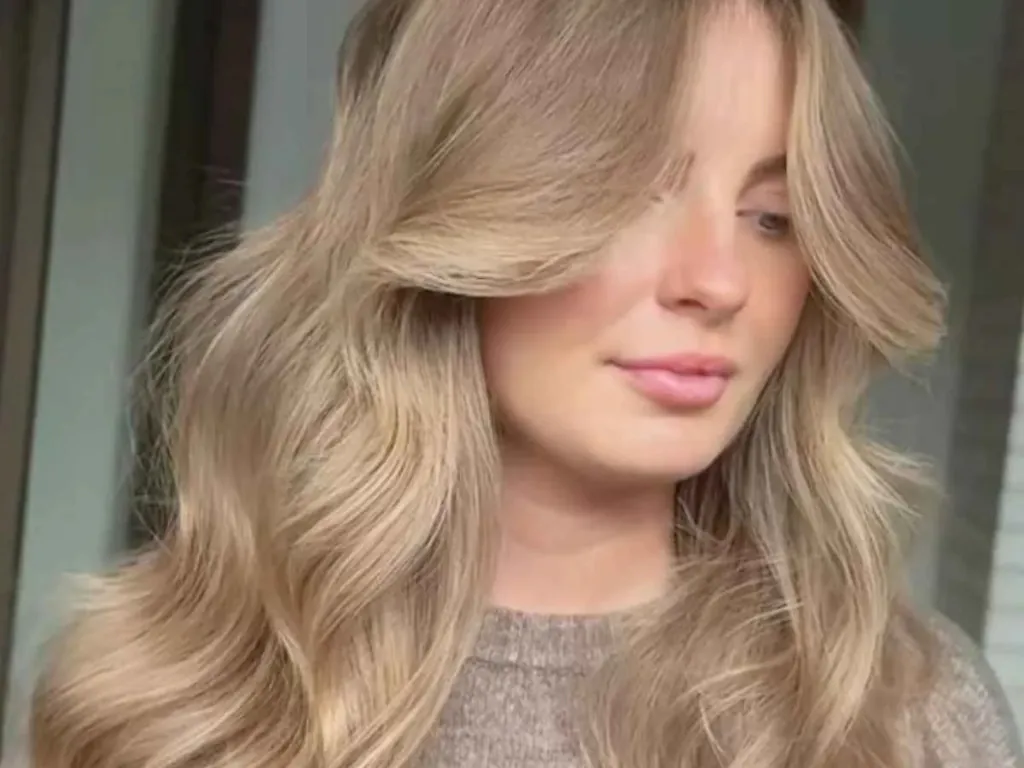
Ash Blonde Hair Color Ideas
If you want to make a statement, ash blonde is the way to go. These styles are cool, crisp, and undeniably modern.
Dark Ash Blonde
This is a moody, earthy grey-brown shade. It creates a mysterious, matte finish by eliminating all warmth, making it an excellent option for low-maintenance clients who hate brassiness but don’t want to commit to being super blonde.
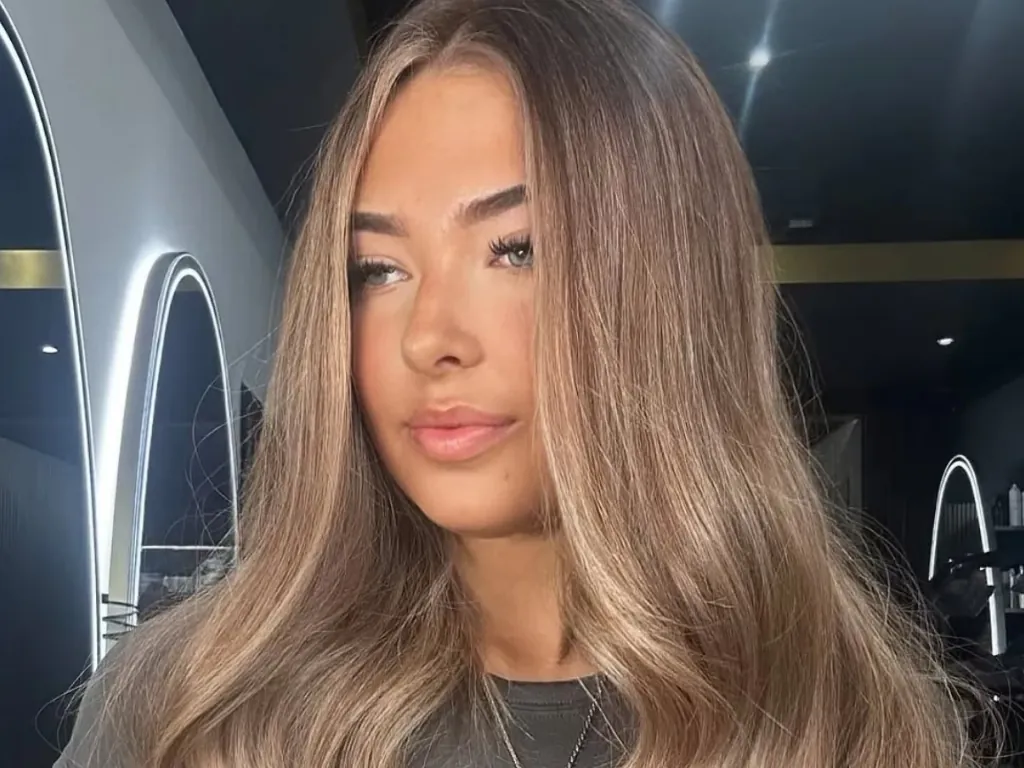
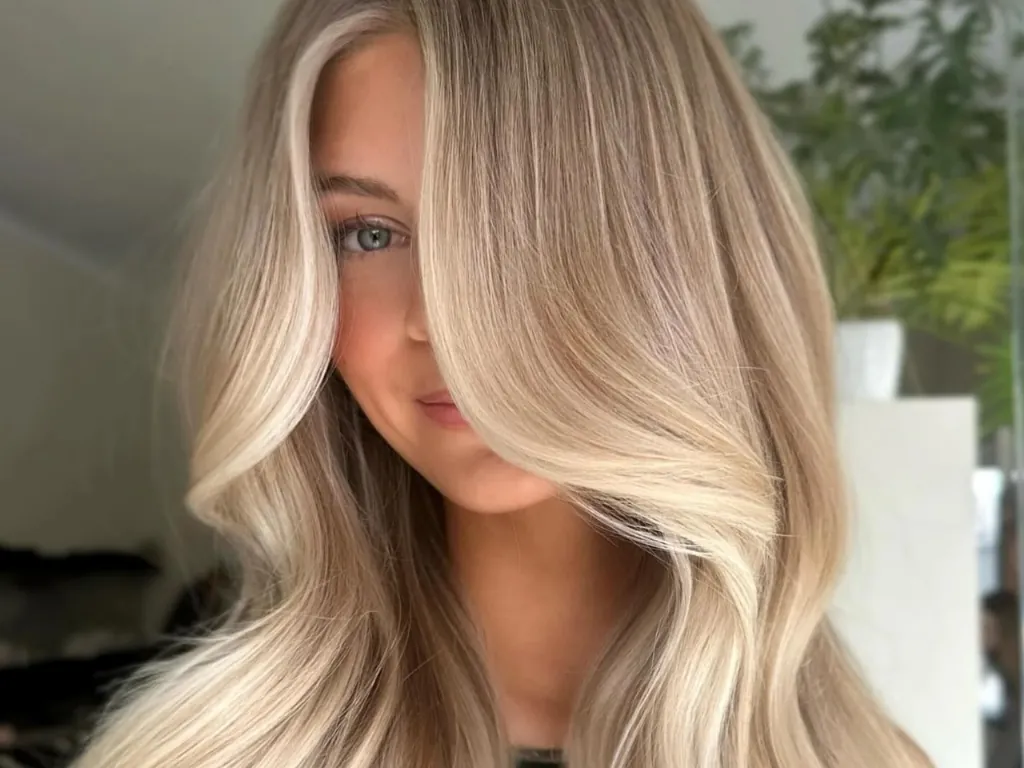
Light Ash Blonde
This is close to platinum but with a smoky overlay, creating a “Ice Queen” look. It offers a high-contrast, sharp aesthetic that demands attention. However, it is best reserved for cool skin tones and those willing to commit to purple shampoo and root touch-ups every 4 weeks. For a perfect cool tone without the maintenance battle, wearing light ash blonde bob wigs is the smartest hack to achieve that flawless, salon-quality finish every single day.
See more: Blonde vs Dirty Blonde: Which One Is Right For You?
Ash Blonde Ombre
This style features a dramatic fade from dark natural roots to icy ash ends. It strikes a balance between grungy and polished, allowing you to keep your natural root color for a painless grow-out process – perfect for students or busy individuals who can’t visit the salon frequently.
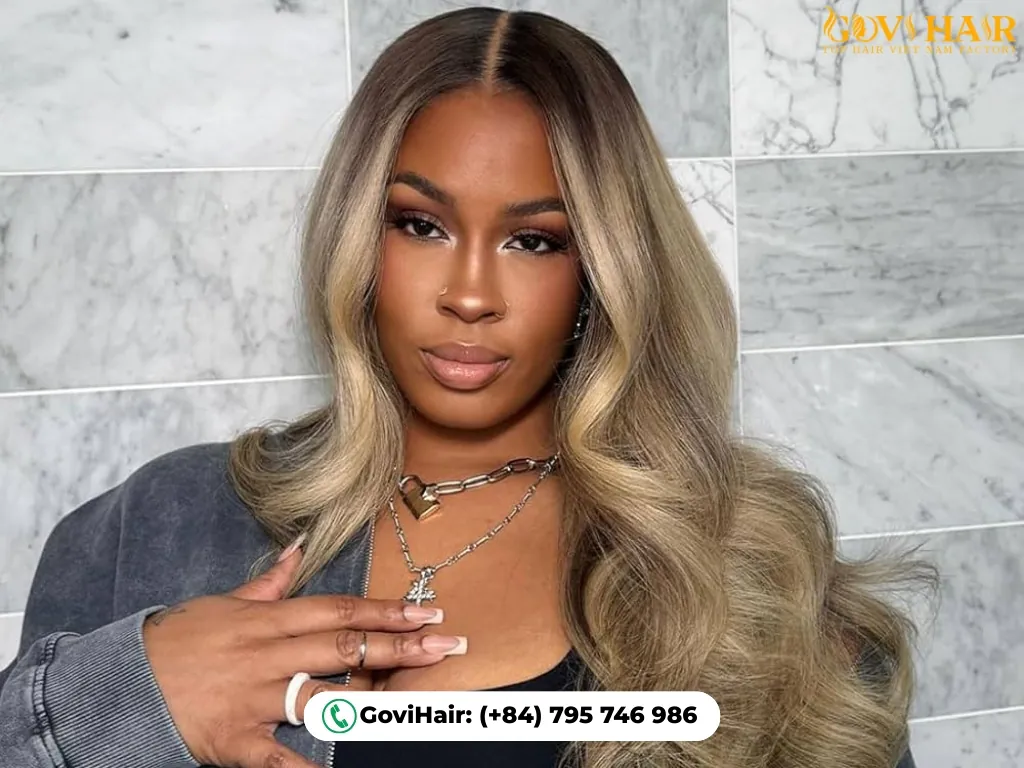
Ash Blonde Highlights
Fine, cool-toned ribbons are woven through darker hair to break up the “blocky” look. This technique offers a subtle coolness that tones down a warm brunette base without a full color change, effectively neutralizing unwanted orange tones.
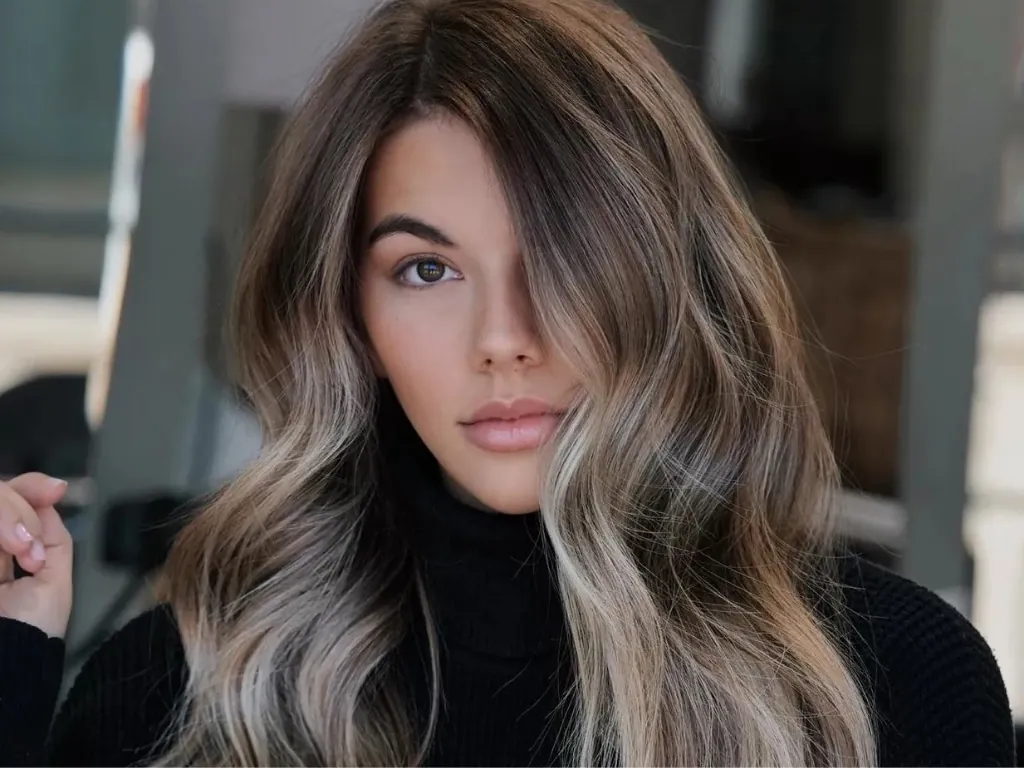
Ash Blonde Balayage
This technique paints the ash color onto the surface of the hair for a blended, lived-in effect. While beige blonde vs ash blonde balayage on dark hair is a common debate, ash balayage creates a sharper, higher contrast against black or dark brown hair, offering a modern edge that looks great for months. Ash Blonde Balayage looks stunning but is hard to maintain. To get this instant ‘lived-in’ look without the commitment, try GoviHair’s pre-colored balayage wefts or wigs, which offer the perfect cool-toned blend instantly.
Beige Blonde vs Ash Blonde: Which One Is Your Perfect Match?
Your perfect match depends on your skin undertone. Choose Beige Blonde if you have a warm or olive complexion; its sandy, neutral notes provide a soft, natural glow. In contrast, go for Ash Blonde if you have a cool skin tone or fair skin with pink undertones. The icy, silver hues in Ash Blonde will neutralize redness and deliver a chic, modern look.
Who Should Choose Beige Blonde?
You should lean towards Beige Blonde if you have a warm or olive complexion, as the hidden golden undertones will enhance your natural glow rather than making you look sallow. More importantly, this is the go-to choice if you want low-maintenance luxury. Since beige harmonizes with the natural warmth of lightened hair, it fades gracefully into a sandy hue, making root regrowth look soft and intentional.
It also serves as a “safety net” for damaged hair; its light-reflecting properties help disguise split ends, making your hair look significantly healthier and fuller.
Who Should Choose Ash Blonde?
Ash Blonde is the missing puzzle piece for those with cool, pink, or porcelain skin tones, creating a striking, high-fashion contrast. However, be prepared for demanding upkeep. Cool ash pigments fight against nature, meaning they wash out fast – often within just 3 to 4 weeks. Only choose this shade if you are committed to a strict care routine.
Who Can Wear Both? (The Neutral Advantage)
If you have a neutral skin tone – an easy way to tell is if your wrist veins show both blue and green and your skin isn’t too pink or too yellow, you are in the lucky minority who can effortlessly rock both beige blonde and ash blonde. For instance, many neutral-toned clients opt for a radiant Beige Blonde in the summer to match a tan, then switch to an icy, chic Ash Blonde in the winter for a sharper aesthetic.
FAQs
Can I mix Beige and Ash Blonde?
Yes! This combination is often called “Greige” (Grey + Beige). It is the perfect middle ground that blends the modern, cool tones of ash with the healthy, light-reflecting shine of beige.
Which shade is better for hiding grey hair?
Beige Blonde is the superior choice. Its creamy, neutral-warm undertones blend seamlessly with natural silver roots, whereas Ash Blonde can sometimes make grey hair look dull or “flat.”
Do I really need to bleach my hair?
Yes, in almost every case. To achieve a true beige or ash result, you must lift your dark hair to a pale yellow (Level 9 or 10) first so the toner can deposit the correct color.
Is it easy to switch between the two colors?
Switching from Ash to Beige is simple – your stylist just adds a warmer toner. However, going from Beige to Ash is harder because you have to strip out all the gold pigments first to get that clean, icy base.
Does Beige Blonde need purple shampoo?
Yes, but use it sparingly. While Ash Blonde needs purple shampoo weekly to stay icy, Beige Blonde only needs it every 2–3 weeks to maintain brightness without losing its creamy warmth.
Conclusion
Ultimately, the choice between beige blonde vs ash blonde depends on your vibe: go Beige for a low-maintenance, golden glow, or Ash for a striking, icy statement.
However, there is a smarter way to achieve these dream shades without the chemical commitment. GoviHair offers a damage-free alternative with their premium Vietnamese hair extensions. This solution allows you to instantly transform your look and switch between warm and cool tones effortlessly, ensuring your style is always on point while keeping your natural hair healthy and pristine.
Order now from Govihair and enjoy premium beige blonde vs ash blonder you can trust.
- WhatsApp: (+84)795 746 986
- Email: [email protected]
- Instagram: govihair vietnam factory
- Tik Tok: govihairvietnam_official
- Website: https://govihair.com/


 Ms. Rosie